


 Polski
  English (UK)
  Русский
  العربية
  日本語
日本語  한국어
한국어  Magyar
  Türkçe
  Español
  Čeština
  Svenska
  Português
  Ελληνικά
  Suomi
Suomi  Nederlands
  Română
  Italiano
  Français
  Українська
  Deutsch
  简体中文
简体中文  Slovenčina
 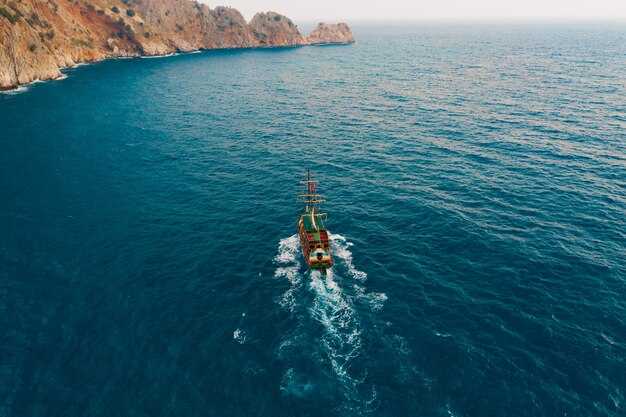 One Week Sailing the Aeolian Islands – Lipari, Vulcano &">

Rozpocznij tydzień od zarzucenia kotwicy w osłoniętym porcie Lipari o świcie, obierz stały kurs w kierunku Vulcano i zacznij od spokojnego poranka na wodzie.
Na Lipari wioska wspina się od portu ku wąskim uliczkom, gdzie bielona architektura oprawia morskie widoki, a boje oznaczają bezpieczne cumowiska wzdłuż nabrzeża.
Z Lipari późnym rankiem popłyniesz na Vulcano, łapiąc bryzę z kaldery; po południu możesz zakotwiczyć przy Cala Vulcanello, przejść się do krateru i zanurzyć w basenach mineralnych, zanim wrócisz na swój jacht.
heres Kompaktowy zestaw porad: codziennie sprawdzaj prognozy wiatru, zabierz dodatkową kotwicę, zanotuj siedem boi wokół wulkanicznego wybrzeża i przed wypłynięciem potwierdź pozycje skały Bottaro u kapitana portu.
Wieczory niosą spokój, gdy plac wioski lśni; norman łuki okalają kościół portowy, a w kawiarni Bottaro leją cytrusowe spritze, podczas gdy żeglarze wymieniają się uwagami; Bottaro pojawia się w rozmowach mieszkańców jako ulubione miejsce na wieczorny postój, dlatego trzeba zaplanować spokojne nocne cumowanie i bezpieczne wypłynięcia.
Światło przypominające film nad lądem i morzem sprawia, że każdy przepłynięty etap wydaje się decydujący; czyż wszystkie dni nie są równie spokojne, a jednak, okrążając archipelag, zbierasz siedem rozdziałów sycylijskiego wybrzeża.
Dzięki elastycznemu planowaniu dostosowujesz trasy do wiatru, pływów i zacienienia; Wyspy Liparyjskie na Sycylii nagradzają uważnych kapitanów spokojnymi zatoczkami, czystą wodą i świeżo złowionymi owocami morza na każdym postoju, a ta kombinacja zdecydowanie się opłaca.
Plan żeglarski Wyspy Liparyjskie
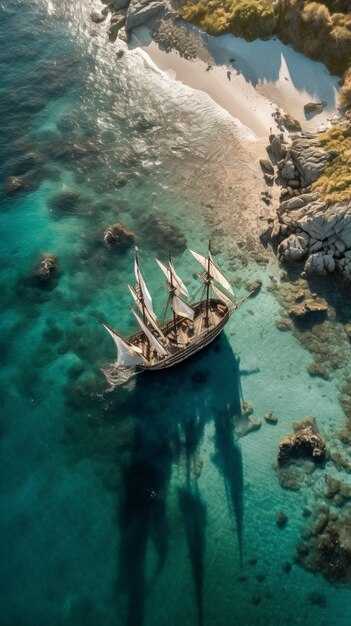
Zabezpieczyć miejsca do cumowania w Lipari na pierwszą noc i zaplanować pętlę zgodnie z ruchem wskazówek zegara przez Vulcano, Panarea, Stromboli, Salina, Filicudi i Alicudi przed powrotem. Plan ten opiera się na siedmiodniowym planie podróży, z 4–6 godzinami żeglugi dziennie oraz czasem na zwiedzanie portów, pływanie i posiłki. Cumowanie fees zmieniają się w zależności od portu i pory roku, zazwyczaj 30–60 EUR za noc; miej gotówkę na nabrzeże hours i oficjalnych kontroli. Użyj cumy aby zabezpieczyć łódź i spakować wystarczającą ilość wody na kilkudniowy rejs. Jesteś gotowy, aby cieszyć się wspaniałym odcinkiem wzdłuż sicily‘północnego wybrzeża.
Dzień 1 – Lipari: Bazowane w Lipari, poszukaj bezpiecznych miejsc do cumowania w osłoniętych portach w pobliżu Marina Corta lub Porto Pignataro i przygotuj się. cumy na spokojną noc. Prowiant na lądzie jest prosty, a restaurant znajduje się w zasięgu ręki. Krótki spacer do rejonu Zimmari oferuje cichy przedsmak życia na wyspie, a następnie zachód słońca z pokładu.
Dzień 2 – Vulcano: Rejs na Vulcano, słynącą z wulkaniczny scenerii i plaż z czarnym piaskiem. Zacznij od poranka krater wycieczka po chłodniejsze powietrze, a następnie kąpiel w ciepłych źródłach, po czym powrót do miejsca cumowania. Po południu odwiedź port. restaurant na lunch i sprawdź hours parku wulkanicznego, aby zaplanować powrót pod żaglami na spokojne wody o zachodzie słońca.
Dzień 3 – Panarea: Krótki skok do Panarei; cumowanie w porcie San Pietro jest proste i cumy bezpieczne. Białe uliczki i kameralne sklepy Panarei oferują wonderful kontrast do Vulcano. Jeśli wiatry pchają, zarzuć kotwicę w pobliżu obszaru zimmari i ciesz się wieczorem na lądzie przy lekkim posiłku w restauracji.
Dzień 4 – Stromboli: Wulkaniczna wyspa dominuje nad horyzontem. Cumy w wewnętrznym porcie chronią przed podmuchami; dołącz do licencjonowanej wycieczki na krater późnym popołudniem, aby zobaczyć blask na tle nocnego nieba. Po powrocie zjedz kolację w porcie. restaurant. Monitor fees i ostatnie delikatne godziny, aby uniknąć opóźnień.
Dzień 5 – Filicudi lub Alicudi: W zależności od wiatru, udaj się na Filicudi, aby zobaczyć jaskinie morskie i czystą wodę, lub na Alicudi, aby doświadczyć spokojniejszej, bardziej tradycyjnej atmosfery. Port Filicudi oferuje pewne miejsca do cumowania i pieszy dostęp do kilku lokali gastronomicznych; fees stosować się w tym samym zakresie. Wybrzeże zaprasza odkrywanie pontonem i zachodem słońca nad wodą.
Dzień 6–7 – Powrót w kierunku Lipari: Postój przy mieliźnie Morto, jeśli warunki pozwolą na spokojne pływanie i aby zakończyć tydzień ostatnim spojrzeniem na sicily wybrzeża. Wróć do Lipari z pełnym zapasem i wspomnieniami cudownego tygodnia spędzonego na podróżowaniu po Wyspach Liparyjskich.
Plan dnia po dniu: Lipari, Vulcano, Panarea
Zacotwicz w Marina Corta w Lipari, aby mieć solidną bazę wypadową, a następnie przespaceruj się do Castello i Muzeum Eolskiego, aby się zorientować. Nauczyliśmy się, że krótka pętla po miasteczku – uliczki, nabrzeże, belweder – wydaje się bogata, ale nie nużąca. Wieczorem postino wciąż doręcza listy przy porcie, podczas gdy Ty jesz świeże pesce w tawernie przy nabrzeżu.
Z Lipari popłyń do Vulcano i zacumuj w pobliżu Porto Levante, aby mieć szybki dostęp do krateru La Fossa. Wybierz się na odpowiednią wędrówkę na krawędź krateru, aby podziwiać rozległe widoki i łagodne wyziewy siarki; zaplanuj 60–90 minut w każdą stronę. Następnie zanurz się w gorących źródłach w Vasche di Venere i ochłodź się w morzu. Widoczność pod wodą wzdłuż wybrzeża Vulcano jest zazwyczaj wystarczająco dobra, aby móc nurkować z rurką w pobliżu raf utworzonych z lawy, z małymi rybami w spokojniejszych miejscach.
Następnie czeka Panarea: zarzuć kotwicę u wybrzeży San Pietro i rozpocznij zwiedzanie maleńkiego portowego miasteczka Panarea. Aby przeżyć kompaktową przygodę, wynajmij małą łódkę i sprawdź pobliskie wysepki Basiluzzo, Dattilo i Spinazzola, a następnie popłyń do Cala Junco na krótką morską wędrówkę wzdłuż poszarpanego wybrzeża. Panarea oferuje trzy zatoki i spokojne tempo, które turyści również preferują, wybielone uliczki i kilka piekarni, które sprawiają, że postój wydaje się autentyczny.
Dzień czwarty kieruje cię ku dalszemu zwiedzaniu Panarei: zanurkuj z rurką wokół Cala Junco i wysepek Diomedee, a następnie wejdź na Punta del Corvo, aby podziwiać urwisko z rozległymi widokami na wybrzeże. Mieszkańcy Wysp Liparyjskich nazywają pobliskie wysepki Diomedee i możesz również zorganizować drugi czarter, aby odwiedzić Basiluzzo i Dattilo, jeśli wiatr na to pozwoli, odsłaniając trzy strony linii brzegowej Panarei.
Wróć na Lipari na dzień piąty, z bazą w północnym porcie. Wybierz się na nadbrzeżną wędrówkę w kierunku Quattro Strade, wspinając się w głąb lądu ścieżką, która łagodnie pnie się w górę i wraca, oferując przebłyski morza po drugiej stronie. Trasa ta eksponuje ziemiste skały lawowe Lipari, zarośla i maleńkie zatoczki, w których można zatrzymać się na szybką kąpiel. Dla turystycznej równowagi możesz także połączyć wędrówkę z lunchem w kawiarni w porcie i spacerem po starym mieście.
Dzień szósty skupia się na podwodnym świecie i spokojnym, morskim tempie. Zaplanowaliśmy poranny snorkeling wzdłuż osłoniętych zatok Lipari, a następnie żeglugę do pobliskiego miejsca cumowania na lunch na pokładzie. Sieć miejsc cumowania ułatwia zameldowanie, a spokojne morze pozwala w pełni skupić się na dnie morskim – kolorowych rybach, jeżowcach i rzeźbionych przez lawę szczelinach. Weź również lekki aparat, aby uchwycić słońce na wodzie i sylwetki wysp.
Siódmego dnia, na zakończenie, ponownie odwiedź muzeum Lipari i udaj się na ostatni spacer wzdłuż wybrzeża przed powrotem na żagle. Kolory ziemi, od bazaltu po biały pumeks, wydają się znowu żywe, gdy oglądasz uformowane przez lawę wychodnie skalne wzdłuż portu. Za nami siedem dni odkrywania, wiatru i soli, a ten plan podróży z łatwością może przerodzić się w niezapomniane odprężenie przed ostatnią nocą na wodzie.
Opcje portowe i procedury cumowania w Lipari i Panarei
Book a berth at Marina di Lipari for a full range of services, including water, electricity, and shore facilities; for lower costs and greater flexibility, use buoy moorings in the outer harbours when the wind favors the open waters.
- Lipari – Marina di Lipari: modern, staffed, and close to the town. It provides water, power, fuel dock, showers, and emergency assistance. The harbours here handle both guest slips and transient moorings; a few berths remain open during shoulder seasons, making it a popular choice for cruisers who need reliability and quick shore access.
- Lipari – Porto di Lipari (outer/old harbour area): guest pontoons and buoy fields serve those seeking a cheaper option or a quick stop. Use a bow line to a buoy and a stern line to a secure ring; always deploy fenders and keep your crew ready for rapid adjustments if surge rises.
- Panarea – Porto di Panarea and nearby buoy field: a compact harbour with limited services and clear access to shore facilities in the village. Mooring buoys are common here; plan a short stay if the quay is crowded, and be prepared for basic toilet and fresh water provisions on land.
Procedures and practices to follow on both islands ensure smooth mooring and quick departures, especially during the peak season when seven-day charters rotate through harbours and bays.
- Prepare in advance: confirm vessel length, draft, and clearance. Check the seven-day forecast and observe crystal waters around the coast for smooth entries; the shore and vegetation along the island are particularly scenic in the afternoon light.
- Contact the Harbour Master on VHF channel 16 to request entry, confirm available buoy space or a slip, and obtain any local instructions. Those who appear at the quay with proper paperwork are released to a mooring promptly.
- Choose your mooring type: buoy or quay. Buoys typically offer lower fees and easier departures; quay berths provide direct shore access, but require precise line handling and longer preparations.
- Approach carefully: follow channel markers, keep a safe speed, and stay clear of fishing operations. Position the bow toward the buoy or dock as directed by shore staff; avoid repeating sharp turns that could damage hulls or fenders.
- Secure correctly: attach a bow line to a cleat or bollard, add a stern line to a secure point, and deploy two spring lines if space allows. Use durable lines and ample fenders; if surge increases, adjust tension steadily rather than jerk the lines.
- Pay and obtain receipts: finalize mooring fees at the marina office or through the harbor authority; keep the receipt until departure and note the required cancellation window for a later stop.
- Waste and discharge rules: use designated waste disposal points and never discharge bilge water or residues into the waters that surround the islands; crystal water conceals how close the coast is to magma below and highlights the volcanic scenery around volcanoes and stromboli in the distance.
- Departure plan: signal your release to the Harbour Master when ready; untie lines carefully, pull in fenders, and proceed outward with a short, controlled turn to avoid other vessels or moorings. Never leave a mooring unattached without proper authorization.
For a side trip, stromboli is a popular add-on; plan the excursion for the afternoon when the volcanoes appear dramatic against the sky and the waters become even more stunning. Lipari remains the largest hub and provides the most options, while Panarea offers a tiny, charming harbour with a dramatic backdrop–both harbours deliver beautiful access to the island’s coast, its crystal waters, and the unique atmosphere of this volcanic group.
Weather windows and wind patterns for inter-island hops
Target a dawn departure from Lipari to panarea to reach the next destinations within a light breeze and calm seas. This time window supports 8–15 knots, keeps seas beautiful, and the panoramic light as the sun rises over the volcanoes guides your first hops.
In the aeolian archipelago, wind patterns follow a diurnal rhythm: mornings bring light easterlies or northerlies, giving way to sea breezes by afternoon. If a forecast shows 12–18 knots in the morning, you can cruise Lipari → panarea comfortably; plan shorter legs to sheltered bays tucked along the coast when winds shift. If you sailed these waters before, you know how the wind can shift with the day. Watch for sirocco gusts from the south on hot days, which can bubble up quickly and slow you down. For reliable connections between destinations, keep the time of day in mind and use the quiet morning window to start a leg to Vulcano or Stromboli.
Seasonal guidance: The best season for inter-island hops is late spring through early autumn when the seas stay responsive and the air is clear to explore and film. From the birth of Aeolian navigation, these routes shaped coastal life; today you can visit panarea, Lipari, Vulcano, Stromboli, Filicudi, and Alicudi with a flexible plan. For planning, most legs run 1.5–3 hours Lipari → panarea, 2–5 hours panarea → Stromboli or Vulcano, and 1–2 hours for short hops around Lipari. If you prefer exploring the entire arc, set aside 5–7 days and allocate time to stop in sheltered coves, sample foods, and enjoy the viewpoints. The entire route rewards cruising with a mix of wind and sunshine, revealing a beautiful, panoramic coastline seen best at sunrise, when the sea remains calm and the bubbling vents around Vulcano provide a visual treat for your film crew or your own memories.
Practical takeaways: We suggest starting with Lipari → panarea to lock in the simplest window. Take the most stable window and avoid racing into a shift; have 2–3 alternate legs ready, so you can reach all your destinations even if a front arrives. From Lipari you can loop through panarea, Vulcano, Stromboli, Filicudi, and Alicudi, and still return to Lipari if weather holds. Your plan should reserve time for exploring anchorages tucked along coves, tasting foods in harbor tavernas, and recording your trip for a season film collection. If you lose a day, use it to linger in a beautiful bay and watch the volcanic activity, and adjust your itinerary accordingly. The aeolian winds rise and fall with the seasons, so staying flexible is the best strategy for cruising the entire week along the coast.
Anchoring spots, depth notes, and approach tips around Vulcano
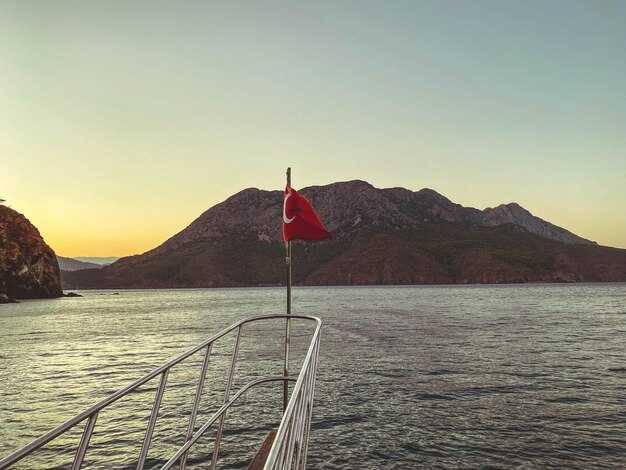
Anchor just outside the Vulcano Porto moorings in 7–9 m, sandy bottom with patches of ash. Use 30–40 m of chain and a stern line to shore if winds push from NW; this keeps you clear of the ferry lane and makes the early evening more relaxing.
Spot A – West of the volcanic village: depth 8–12 m, bottom sand with lava gravel. Holding is solid in winds from the NE to SE; if gusts reach 20–25 knots, add a second anchor 40–50 m away to keep the swing within a sheltered arc. Approach from 045°, stay clear of the rock stacks, and keep at least 60 m from the shore where the streets and bars begin. From here you enjoy incredible sunsets and can stroll the village afterward, creating memories that last hours and days.
Spot B – Southeast shelf near the caldera rim: depth 12–18 m, bottom mud and sand with sporadic lava patches. Current is usually gentle, but set up with a 60–70 m Rode to limit swing. Drop anchor in 10–15 m during slack water for the easiest settle, then drift a few meters if you need to reposition. The coast here offers fantastic views of the volcanic coast from the boat, a great place to plan a short hike the next morning.
Approach tips: enter from the open water on a NE to E course to stay clear of lava outcrops and reef. Once you reach the outer shelf, ease to 8–12 m and drop the primary shot, testing holding by a soft reverse after set. Keep VHF Channel 16 in use to monitor traffic, ferries, and local guidance. Leave ample space for other boats and don’t rush the maneuver; a careful approach saves hours and reduces risk when conditions swell.
Moorings and logistics: there are a handful of buoys outside the harbor used by day charters; if you see active moorings, tie off for a quick reset or swap to a spare anchor when the wind shifts. In the village you’ll find relaxing shoreside options, where you can wander the coast, catch a drink at a bar, and explore the narrow streets. After a windy afternoon, a nighttime walk along the coast creates memories the entire crew will recall for days, and the volcanic village feels welcoming from the moment you step ashore until night falls, when the harbor lights theatrically frame the bay and the waves add a soundtrack to your stay.
Gear, provisioning, and budgeting for a week afloat
Start with a concrete plan: seven days afloat demand a compact provisioning kit for two, covering six breakfasts, seven lunches, seven dinners, plus snacks. For least disruption, rely on 60% long-life staples and 40% fresh produce, with a 2–3 day reserve in a cooler. If you are a first-time cruising pair, keep meals simple and use on-board cooking to stay flexible after nights at anchor on winding coastlines. When you shop, ashore trips on foot let you refill bread, fruit, and veg at named markets without slowing cruising progress.
Onboard gear and provisioning essentials: two PFDs per person, a sturdy anchor with 50 m of nylon line, 4 fenders, a 10 L potable water can, a compact stove with spare gas canisters, a first-aid kit, a waterproof dry bag for shore trips, and a reliable torch for nights. Pack a small tool kit, spare impeller, duct tape, and a bilge pump. Bring a navigation chart, a whistle, and a waterproof pouch for your phone plus a power bank. Carry a reusable bottle and a water filter bottle to keep crystal water onboard; a bubbling mud visit on Vulcano can become part of your memories ashore. For cruising Lipari and Vulcano, choose gear that stows quickly when a squall calls you back to the boat and you want to stay comfortable during long days of explore.
Budgeting for seven days below reflects two people, with options for anchored stays or marina nights: provisioning for dry goods and fresh items, fuel, mooring or anchorage, and a small reserve for extras. Plan at least a 10–15% buffer for price shifts in peak season and for spontaneous refills after long hikes along the coastlines.
| Kategoria | Zalecany zakres | Estimated cost (EUR) | Uwagi |
|---|---|---|---|
| Food and beverages | Dry staples for seven days; fresh produce for 3–4 days; coffee/tea | 200–260 | Two people, self-catering; include 2–3 on-board meals that are quick to prepare |
| Water and ice | Drinking and cooking water | 15–25 | Tap filters or bottled water as backup |
| Fuel and stove fuel | Propane/butane canisters; stove轴 | 16–25 | 1–2 canisters cover a week for two; check stove compatibility |
| Safety and spares | PFDs, flares, first-aid supplies, basic tools | 40–80 | Keep a spare impeller and tape for quick fixes |
| Mooring and port charges | Anchoring free; marina nights if chosen | 60–180 | Depends on nights in slips; some bays allow free anchorage |
| Różne | Charts, maps, guidebooks, small comforts | 20–40 | Lekkie przedmioty, które poprawiają codzienne czynności i bezpieczeństwo |
Dzięki temu planowi osiągasz równowagę między posiłkami na pokładzie a uzupełnianiem zapasów na lądzie, utrzymując przewidywalne koszty. Przyciągający charakter siedmiodniowej podróży tkwi w dniach spędzonych na rejsie po spokojnym morzu, nocach pod gwiazdami oraz możliwości zwiedzania ruin i zacienionych klifami zatok wzdłuż linii brzegowej. Wrócisz z wspomnieniami o krystalicznej wodzie, czarnych sylwetkach skał i nowoodkrywanych rzeczach, które wydają się niemal teatralnie żywe na tle brązowoszarej plaży.