US Open – Offshore: St. Barths to Newport Route
Alexandra
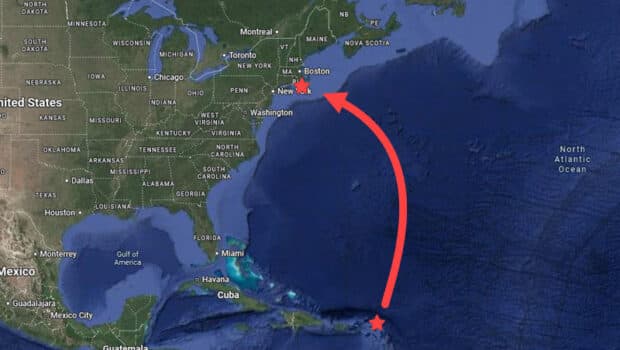
May 9 departure from St. Barths with a finish off Fort Adams, Newport, RI, defines a roughly 1,500 nautical mile offshore transit that organizers expect to challenge routing, provisioning, and support logistics for both Caribbean and Northeast marinas. The event is organized by US Sailing and supported by Saint Barth Yacht Club and New York Yacht Club, creating a trans-hemispheric movement of boats and crew that must align customs, fuel stops, and offshore safety inspections before departure.
Race logistics and course specifics
The inaugural edition of the US Open – Offshore sets a start window that follows the Caribbean regatta season and targets maximal offshore performance on the transition north. Weather routing will typically force skippers to plan for mixed trades, squalls near the Caribbean arc, and variable westerlies along the U.S. East Coast. Support infrastructure includes staging at St. Barths for provisioning and final safety checks and available dock space at Newport marinas for post-finish care.
Key event facts
| Item | Detail |
|---|---|
| Date | May 9 (start) |
| Start | St. Barths |
| Finish | Fort Adams, Newport, RI |
| Approx. distance | ~1,500 nautical miles |
| Organizers | US Sailing (Event), supported by Saint Barth Yacht Club and New York Yacht Club |
| Entries | Up to 10 offshore-capable racing monohulls |
| Minimum length | 40 feet |
Entry criteria and timeline
Entries are limited to up to ten boats meeting the qualifying criteria in the Notice of Race. The class is focused on monohulls capable of offshore work; organizers require documented offshore experience, safety equipment compliant with offshore regulations, and crew lists filed in advance. The timing intentionally brackets the end of the Caribbean international schedule to enable teams already operating in the Caribbean to tack north instead of returning idle to their home marinas.
📚 You may also like
Operational impacts on marinas and charters
Moving a fleet from the Caribbean to Newport requires coordinated berthing, haul-out windows, and customs brokerage. For marinas and charter operators, this kind of migration influences availability for late-spring bookings and can bump superyacht maintenance windows. From a practical standpoint, charter programs and local boat rental operations may see an influx of transient crew demands—think extra fuel, provisioning, and short-term moorage.
Checklist for teams and support captains
- Confirm safety certification and EPIRB/PLB registrations.
- Arrange customs and immigration paperwork for crew and vessel.
- Reserve finishing berths at Newport marinas and post-race haul-out slots.
- Plan fuel and provisioning legs between islands and offshore stops.
- Assign a shore support contact for logistics and emergency coordination.
Tactical and sporting considerations
From a race-craft perspective, the passage mixes open-ocean routing with nearshore tactical decisions approaching the Northeast. Skippers will weigh VMG routes against staying inside current bands and avoiding Atlantic front systems. As Bryon Ehrhart, Event Chairman, noted, the course presents a "terrific tactical challenge"—in plain speak, that means expect plenty of strategic sail changes and night-time navigation calls.
Charlie Enright, CEO of US Sailing, framed the passage as a link between major big-boat hubs in the Western Hemisphere; for sailors who split seasons between charter circuits, yard periods, or superyacht duties, that connection matters for crew logistics, maintenance scheduling, and even the sale or charter availability of yachts in those regions.
What this means for GetBoat.com users and charter markets
For renters and captains using GetBoat.com, the event could tighten availability on popular spring dates in both the Caribbean and New England. If you’re planning a charter or looking to rent a boat for early summer, now’s the time to lock in bookings. Local activities—regatta spectator days, marina festivals, and accompanying yachting events—can boost tourism and create temporary demand spikes for fishing charters, day sails, and yacht-handling services.
Practical tips for renters
- Book well ahead if you want a yacht or captain in the spring window around May–June.
- Check marina schedules in advance—haul-outs and berth congestion are likely.
- Ask about crew rotation policies if you plan multi-day charters that may intersect with race logistics.
On a personal note, I’ve seen migration windows where entire fleets vacate Caribbean berths within a week—chaotic, but also impressive. It’s like watching a flock head north after winter; you blink and the marinas look different. If you’re into boating and planning a charter, don’t be the one scrambling for a last-minute captain when everyone else has already booked.
In summary, the new US Open – Offshore voyage from St. Barths to Newport on May 9 consolidates race logistics, safety requirements, and marina capacity into a single high-profile movement that will affect provisioning, charter availability, and yard schedules across two major sailing hubs. For yacht owners, charter operators, and renters on GetBoat.com, the ripple effects will touch yacht and boat charter markets, marinas, superyacht services, and local activities—so plan bookings, coordinate with your captain, and expect demand for boat rent, fishing trips, and day sails to climb as the fleet migrates north.