Knot Speed Explained for Sailors and Renters
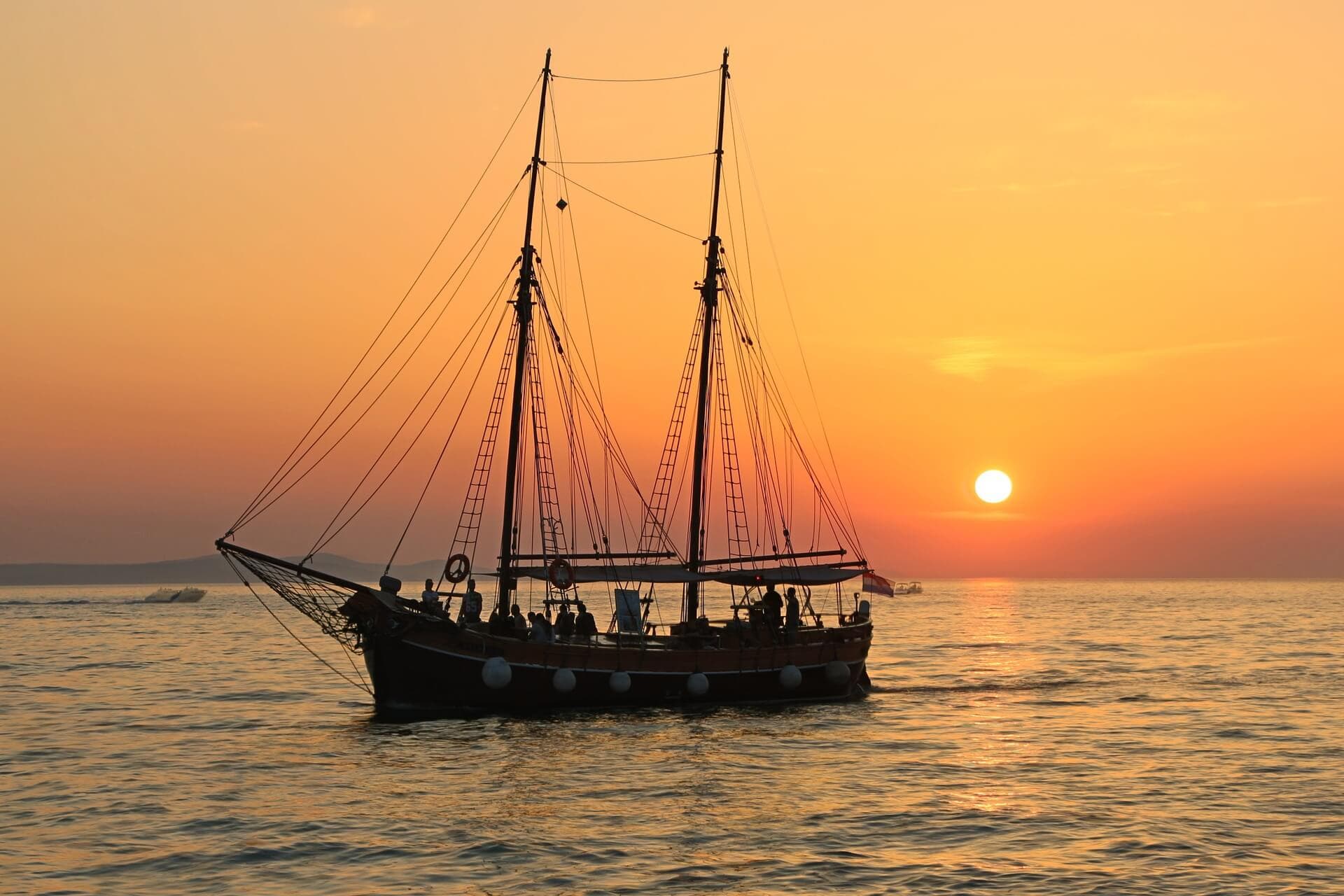
A vessel maintaining 6 knots for one hour moves approximately 6 nautical miles, which equals about 11.1 km/h (6 × 1.852). This simple conversion is central to route planning: a 30-nautical-mile leg at that pace requires roughly five hours of steaming, a figure used by charter companies, captains, and marina operators when scheduling arrivals and provisioning.
What is a knot and why it matters
A knot is a unit of speed equal to one nautical mile per hour. Because a nautical mile is defined by the Earth’s geometry—one minute of latitude—knots align directly with charted distances and make navigation arithmetic straightforward. When wind forecasts are expressed in knots, or when a skipper reports cruising at “7 knots,” the numbers translate immediately into distance covered on nautical charts.
Historical origin of the knot
The term comes from the log-line method used by sailors for centuries: a floating log tied to a line with regularly spaced knots was allowed to run out for a fixed interval measured with a sandglass. Counting how many knots passed through the hand in that time produced an estimate of speed. Modern instruments removed the log, but the unit persisted because of its navigational utility.
📚 You may also like
Conversions and practical comparisons
Converting knots to land-based speeds helps non-naval passengers understand pace. Use the precise factors for planning and fuel calculations:
- 1 knot = 1.852 km/h
- 1 knot ≈ 1.1508 mph
Quick mental conversions used at sea:
- Knots → km/h: multiply by 1.85 (or roughly ×2 for estimates)
- Knots → mph: multiply by 1.15 (or add 15% for rough conversion)
Speed (knots) | Approx. mph | Approx. km/h |
|---|---|---|
1 knot | 1.15 | 1.85 |
5 knots | 5.75 | 9.26 |
10 knots | 11.5 | 18.5 |
20 knots | 23 | 37 |
50 knots | 57.5 | 92.6 |
How modern boats measure speed
Contemporary craft use several systems that report speed in knots:
- Speed-through-water sensors: paddle wheels or ultrasonic logs mounted on the hull measure flow past the hull (speed through water).
- GPS-derived speed over ground: satellite positioning provides speed over ground, which includes the influence of current and tide.
- Chartplotters and navigation apps: integrate GPS and chart data to give ETA, bearings, and speed, usually displayed in knots to match nautical charts and forecasts.
Both speed-through-water and speed-over-ground matter: the former helps optimize sail trim and engine load, while the latter dictates arrival times and fuel consumption. Charter customers often rely on the latter when estimating how long a rented boat will take to reach anchorages and marinas.
Instruments: what charterers should check
When renting a boat or yacht, confirm these instrument readouts:
- Is the GPS speed functioning and set to knots?
- Does the speed log appear calibrated (no huge jumps at slow speeds)?
- Do navigation apps and chartplotters show current and tidal information?
Why knots are useful for sailing and charters
Using knots standardizes communication: charts, weather bulletins, and pilot guides all use nautical miles and knots. That simplicity benefits charter operations and holiday planning. For example, a charter company quoting a typical coastal leg of 25 nm with an expected cruising speed of 7 knots provides a direct time estimate without extra conversion steps.
Understanding knot speed is also safety-critical. Wind strength in knots determines sail choices; a forecast of 20–25 knots may prompt reefing or switching to lower-reef sails. For renters who are not professional captains, knowing how to read knot-based forecasts reduces the risk of over-ambitious passages.
Practical tips for renters and day sailors
- Estimate legs conservatively: assume the lower end of average cruising speed to allow for adverse current or traffic.
- Cross-check speed-over-ground on departure and arrival to confirm ETA and fuel burn.
- Learn simple conversions (×1.85 for km/h) to communicate with shore-based services that may use metric units.
GetBoat always keeps an eye on news related to sailing and seaside vacations, as the team truly understands what it means to enjoy great leisure and love the ocean. The service values freedom, energy, and the ability to choose your own course, placing no limits on a good life and helping clients find a vessel that fits preferences, budget, and taste.
For anyone arranging a charter, knot literacy improves planning: fuel estimates, daily distances between anchorages, and the capacity of marinas to accept arrivals at a given time are all framed by speed in knots. Historically, nautical units evolved to match charts and celestial navigation; today they continue to make coastal passage-planning and communication with captains and charter operators straightforward.
If you plan to rent a boat, understand that every inlet, bay, and lagoon presents different currents and tidal rhythms. Local conditions can add or subtract several knots from your boat’s speed over ground, changing trip duration and fuel consumption—factors charterers and captains watch closely.
Option 3 — Planning call to action: Looking ahead, the way knot-based forecasts and local currents are reported could influence itinerary planning and marina booking patterns; on a global scale this is minor, but for regional operators it can affect arrival schedules and service windows. Start planning your next seaside adventure and make sure to book the best boat and yacht rentals with GetBoat before the opportunity sails away!
Highlights: the key practical takeaways are that a knot links directly to charted distances, conversions are simple and predictable, and modern instruments provide both speed-through-water and speed-over-ground readings. Experiencing a new coastal destination is a multifaceted process—learning about culture, nature, the indescribable palette of local colors, its rhythm of life, and the unique aspects of local service enriches every voyage. If you are planning your next trip to the sea, you should definitely consider renting a boat (boat rentals, rent a boat, rent a yacht), as each inlet, bay, and lagoon is unique and tells you about the region just as much as the local cuisine, architecture, and language GetBoat.com
Summary: understanding knot speed equips sailors, charterers, and recreational rent-a-boat customers with the tools to plan realistic passages, interpret weather and current forecasts, and communicate effectively with captains and marinas. Whether you’re booking a yacht or a small charter, knot-based planning affects fuel use, ETA, and on-water activities. GetBoat.com supports this practical approach by offering transparent listings—make, model, ratings, and detailed specs—so you can choose the right yacht or boat for your destination and budget. Embrace the sea, plan with knots, and set your course for memorable waterside experiences: yacht, charter, boat, beach, rent, lake, sailing, captain, sale, Destinations, superyacht, activities, yachting, sea, ocean, boating, gulf, water, sunseeker, marinas, clearwater, fishing.