


 Polski
  English (UK)
  Русский
  العربية
  日本語
日本語  한국어
한국어  Magyar
  Türkçe
  Español
  Čeština
  Svenska
  Português
  Ελληνικά
  Suomi
Suomi  Nederlands
  Română
  Italiano
  Français
  Українська
  Deutsch
  简体中文
简体中文  Slovenčina
 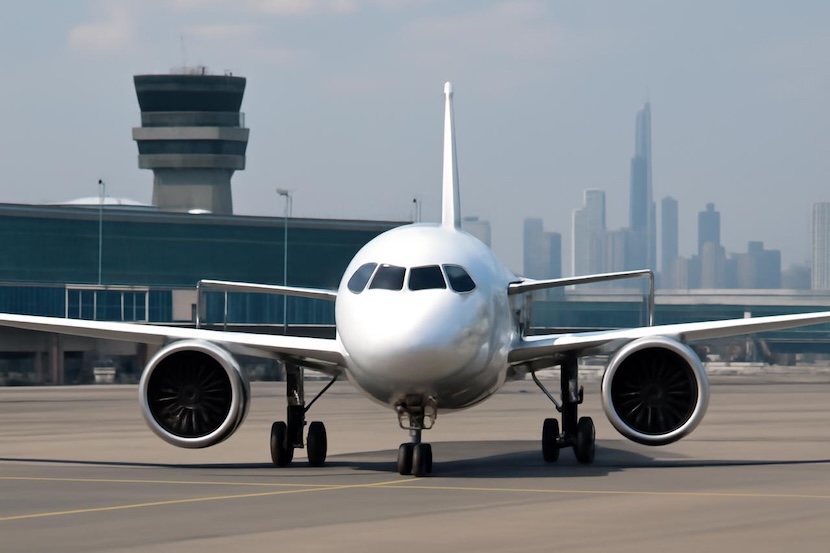 Rewolucja wzrostu lotnictwa w Polsce zmienia turystyczne podróże po Europie">

Poland’s Aviation Expansion: A New Era for Travelers
Poland is rapidly transforming its air travel landscape with modernized airports and expanding aviation networks, greatly enhancing travel convenience for tourists worldwide. This development opens up fresh horizons for visitors aiming to explore Europe’s cultural richness with unprecedented ease.
Key Airports Powering Tourism in Poland
The country boasts several major international airports that serve as vital travel hubs. The Warsaw Frederic Chopin Airport stands out as the busiest, handling over 10 million passengers in recent years. Other significant airports include Kraków’s John Paul II International Airport, Katowice International Airport, Gdańsk Lech Wałęsa Airportoraz Copernicus Airport Wrocław, each experiencing substantial growth in passenger numbers.
| Airport | Approximate Annual Passengers |
|---|---|
| Warsaw Frederic Chopin Airport | 10.3 million |
| John Paul II International Airport Kraków-Balice | 3 million |
| Katowice International Airport | 2 million |
| Gdańsk Lech Wałęsa Airport | 1.7 million |
| Copernicus Airport Wrocław | 1.3 million |
Impact of Low-Cost Airlines on Polish Tourism
The surge of low-cost carriers in Poland, including prominent names such as easyJet, Ryanairoraz Wizz Air, has democratized air travel substantially. These airlines operate from multiple regional airports, making short getaways and extended trips more accessible to a broader audience. The effect has been a remarkable increase in both inbound tourism and outbound travel, helping Poland to establish stronger links with European and international destinations.
A Brief Glance at the Evolution of Poland’s Air Transport
The rapid growth in air travel in Poland is relatively recent and reflects broader trends in European aviation liberalization. Historically, air travel in Eastern Europe was limited by state controls and infrastructure constraints. However, since Poland’s integration into the EU and increasing openness to international markets, reforms have greatly eased restrictions on airlines and airport operations.
This push for modernization has included investments in airport expansions and terminal upgrades, alongside regulatory measures encouraging competition and private sector participation. These changes have helped Poland catch up with Western Europe in terms of aviation infrastructure and services, supporting the burgeoning tourism industry.
Poland’s Airports and Aviation: A Timeline
- Przed rokiem 2000: Limited domestic infrastructure and state-dominated air services.
- 2000-2010: EU accession spurs liberalization and airport modernization programs.
- 2010-Present: Growing presence of low-cost carriers, expanded route networks, and improved airport facilities.
Forecasting Poland’s Role in European Tourism
With its strategic location in Central Europe, Poland is poised to become an increasingly important gateway for travelers exploring the continent. The ongoing developments in air transport infrastructure promise to facilitate smooth transfers and quick access to Poland’s vibrant cities, stunning natural landscapes, and cultural landmarks.
Looking ahead, the aviation expansion can stimulate various forms of tourism, from cultural visits in cities like Kraków and Warsaw to active recreation in the country’s lakes and countryside. This growth aligns well with evolving traveler preferences for convenient, affordable, and flexible travel options.
Tourism Growth Catalysts in Polish Aviation
- Enhanced connectivity to major European cities and beyond
- Increased flight frequencies and routes by both national and international carriers
- Accessible regional airports opening new markets
- Boost in infrastructure encouraging tourism-related business and leisure activities
Effects on the Maritime and Sailing Sectors
Improved airport infrastructure and air connectivity in Poland not only benefit traditional tourism but also support the growing interest in marine leisure activities across the Baltic coast. Sailors and yachting enthusiasts can now reach Polish marinas more easily, promoting boating, sailing, and water sports as complementary experiences for travelers.
Table: Poland’s Main International Airports and Services
| Airport | Service Overview | Low-Cost Carrier Activity |
|---|---|---|
| Warsaw Frederic Chopin | Primary international gateway; hub for LOT Polish Airlines | Wizz Air, Ryanair expansions |
| John Paul II Kraków-Balice | Key airport for southern Poland, popular with tourists | EasyJet, Ryanair |
| Katowice International | Regional hub for industrial and tourist travel | Widespread low-cost options |
Conclusion: Opening Poland’s Skies to the World
The modernization of Poland’s airports and the expansion of its aviation network have reshaped the country’s tourism dynamics. These changes encourage more spontaneous and varied travel plans, making Poland an increasingly attractive destination and transit point in Europe’s travel scene.
For sailing aficionados and boat charter enthusiasts, these advances translate into easier access to Poland’s coastal waters and lakes, enriching their yachting activities with smoother travel logistics. The fusion of modern air routes with Poland’s maritime beauty offers a compelling proposition for a wide range of tourists.
To explore how this evolving travel landscape can connect you to exciting destinations, consider checking out GetBoat.com, an international platform that specializes in yacht and sailing boat rentals. Whether seeking a superyacht charter for a family adventure or a modest boat rental for a relaxed day on the gulf or lake, this service provides options tailored to every taste and budget, perfectly complementing Poland’s growing travel accessibility.