Essential Life Jacket Guide for Boaters
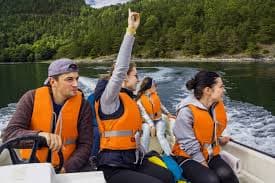
Under U.S. federal regulations, every recreational vessel must carry a U.S. Coast Guard–approved personal flotation device (PFD) of the proper size for each person aboard, and many state laws add age-specific wear requirements for certain activities like towed sports or when onboard vessels in motion.
Key PFD categories and operational uses
Life jackets are classified into five main types to match water conditions, distance from shore, and intended activity. Choosing the correct PFD directly affects rescue logistics, onboard stowage, and the ability of crew or passengers to remain functional during a prolonged rescue. Commercial and recreational marinas, charter operators, and private owners should stock and maintain the correct mix of PFDs for routine operations and emergency response.
Types I–V: quick reference
| Type | Primary Use | Typical Buoyancy | Key Feature |
|---|---|---|---|
| Type I (Offshore) | Open, rough, or remote waters | ~22 lbs | Most buoyant; can turn unconscious person face-up |
| Type II (Near-shore) | Calm, near-shore waters | ~15.5 lbs | Lightweight; best for quick rescue |
| Type III (Flotation Aid) | Recreational boating, water sports, fishing | ~15.5 lbs | Freedom of movement; does not guarantee face-up position |
| Type IV (Throwable Device) | Onboard supplement for man-overboard | 16.5–18 lbs | Not wearable; throwable ring, cushion, or horseshoe |
| Type V (Special Use) | Inflatable vests, hybrid or sport-specific PFDs | Varies by design | May have activity-specific certifications; check label |
Operational considerations
- Inspect manufacturer labels for U.S. Coast Guard approval and correct sizing for each passenger.
- Store throwable Type IV devices in plain sight for rapid deployment; stow wearable PFDs where they can be accessed quickly.
- Inflatable PFDs (Type V variants) require periodic servicing and must be armed before use; they are not suitable for all users (e.g., some children or non-swimmers).
State laws, age rules, and enforcement
Federal regulation requires one approved PFD per person aboard, but states set additional mandates on who must wear one and when. Typical state variations include mandatory wear for children under a given age, compulsory PFD use during towing activities, and specific rules for personal watercraft. Operators should consult the specific statutes for the waters they plan to navigate to ensure compliance and to avoid fines or operational restrictions.
📚 You may also like
Typical state-level requirements (examples)
- Many coastal states and inland recreation areas require children under a certain age to wear a PFD whenever the vessel is underway.
- Several states mandate PFDs for persons being towed on skis, wakeboards, tubes, or similar devices regardless of age.
- Some jurisdictions require wearable PFDs for passengers on personal watercraft at all times.
Checklist before departure
Before casting off, run a rapid safety inspection to reduce rescue time and simplify logistics for emergency services:
- Verify each person has a correctly sized, Coast Guard–approved PFD.
- Confirm inflatable PFDs are armed, within service dates, and free of corrosion.
- Ensure throwable devices are unsecured but accessible and that any attached lines are stowed to prevent entanglement.
- Brief passengers on locations of PFDs and how to don them quickly.
Design evolution, comfort, and sport-specific options
The evolution of PFDs mirrors changing boating demographics: lighter materials, hybrid designs, and ergonomically cut vests for anglers or sailors prioritize comfort and mobility. For sailing, kayaking, and paddle sports, manufacturers developed low-profile Type III and specialized Type V models that allow active movement while maintaining flotation standards. For charters and rentals, offering a mix of adjustable, comfortable PFDs reduces friction with clients and increases compliance.
How rental platforms and charters manage PFD logistics
Operators who rent boats or run charters need inventory controls and inspection logs. Practical measures include labeling PFDs by size, keeping a manifest of on-deck gear per charter, and training staff on wear requirements during excursions. This reduces administrative risk and aligns with guest expectations for safety and comfort.
Quick facts and historic background
Simple flotation devices date back centuries, but modern foam and inflatable PFDs became mainstream in the mid-20th century. Today, regulatory frameworks like U.S. Coast Guard classifications and state statutes guide both manufacturers and operators. Advances in materials—for example, closed-cell foam and CO2-inflated bladders—have reduced weight and increased packability without sacrificing buoyancy.
Practical tips for sailors, charter guests, and boat renters
- When renting a boat for a day cruise or chartering a yacht, inspect the PFD types onboard and request child-sized options if needed.
- For activities like fishing inshore or sailing near marinas, prefer comfortable Type III or approved Type V PFDs that allow free movement while maintaining safety.
- If planning offshore passages or longer crossings, ensure everyone has access to a Type I or other high-buoyancy device suited for rough conditions.
GetBoat always keeps an eye on news related to sailing and seaside vacations, as we truly understand what it means to enjoy great leisure and love the ocean. The GetBoat service values freedom, energy, and the ability to choose your own course. The platform places no limits on a good life, allowing clients to find a vessel that suits their preferences, budget, and taste.
Highlights of why PFD knowledge matters: choosing the right life jacket optimizes survival chances, reduces rescue time, and improves compliance among passengers. Experiencing a new location is always a multifaceted process—where one learns about the culture, nature, the indescribable palette of local colors, its rhythm of life, and also the unique aspects of the service. If you are planning your next trip to the sea, you should definitely consider renting a boat (boat rentals, rent a boat, rent a yacht), as each inlet, bay, and lagoon is unique and tells you about the region just as much as the local cuisine, architecture, and language GetBoat.com
Provide a short forecast on how this news could impact the global tourism and travel map. If it's insignificant globally, please mention that. However, it's still important to us since GetBoat aims to stay updated with all developments and keep pace with the changing world. Start planning your next seaside adventure and make sure to book the best boat and yacht rentals with GetBoat before the opportunity sails away!
In summary: maintain Coast Guard–approved PFDs for each person, match PFD type to activity and sea state, and keep inspection logs when operating charters or rentals. Whether on a lake, gulf, or open ocean, selecting the correct life jacket affects safety, charter logistics, and guest satisfaction. GetBoat.com supports this approach by offering transparent listings where you can review make, model, and ratings of vessels and plan charters or purchases with confidence. Bookings on the platform make it simple to find the right yacht, boat, or sailboat for fishing, cruising, or watersports—ensuring your voyage combines safety and enjoyment. Seas await.