


 Polski
  English (UK)
  Русский
  العربية
  日本語
日本語  한국어
한국어  Magyar
  Türkçe
  Español
  Čeština
  Svenska
  Português
  Ελληνικά
  Suomi
Suomi  Nederlands
  Română
  Italiano
  Français
  Українська
  Deutsch
  简体中文
简体中文  Slovenčina
  Bourton-on-the-Water Aktualizuje Zasady Parkowania, Aby Zaradzić Wpływowi Turystyki">

Tackling Overtourism with Extended Parking Charges
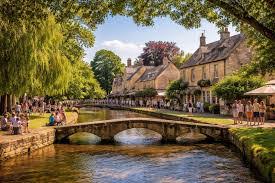
Bourton-on-the-Water, often hailed as the ‘Venice of the Cotswolds’ due to its scenic waterways and quaint stone bridges, has implemented updated parking regulations aimed at managing the surge of visitors. The town now enforces parking fees until 8pm, extended from the previous 6pm limit. This move is designed to balance the needs of the local community with the town’s popularity as a tourist hotspot.
Situated on the River Windrush, this charming Cotswolds village is famed not only for its stunning natural beauty but also for attractions such as a detailed model village, the Cotswold Motoring Museum, and Birdland Park with its exotic collection of birds including parrots, owls, and king penguins. Despite a modest resident population of about 4,000, Bourton-on-the-Water welcomes roughly 300,000 tourists annually, which creates significant pressure on local infrastructure.
Challenges of Tourist Influx and Local Response
The overwhelming number of visitors has led to noticeable tensions, including difficulties for residents in finding parking spaces and visible waste accumulation during peak times. The situation was exacerbated recently by a wave of social media-driven visitors, sometimes referred to as “TikTok tourists,” who reportedly showed little regard for the town’s cultural and historical heritage, causing disruption and dissatisfaction among locals.
To mitigate these challenges, local authorities adjusted parking policies at key locations like the Rissington Road car park. Parking is now free before 10am to prioritize local residents’ access, with fees applying from 10am until 8pm. This system aims to reduce illegal verge parking while supporting essential town services which benefit from the revenue generated.
Financial Impact and Community Benefits
A surcharge of 50p was initially introduced in 2021, with proceeds reinvested locally. Funds have contributed to hiring a village warden and expanding waste management facilities, addressing some of the pressing issues brought on by heavy tourist traffic. Council members emphasize these measures as a fair trade-off that provides tangible benefits back to the community while encouraging responsible tourism.
| Parking Period | Fee Policy | Purpose |
|---|---|---|
| Before 10am | Free parking | Prioritize locals’ parking needs |
| 10am – 8pm | Paid parking | Manage tourist demand and generate funds |
A Brief Historical Context of Tourism in Bourton-on-the-Water
Bourton-on-the-Water’s appeal is deeply rooted in its idyllic location within the Cotswolds Area of Outstanding Natural Beauty. The town has long attracted visitors enchanted by its well-preserved architecture and the tranquil River Windrush that gently flows through it. Over time, cultural institutions like the model village and motoring museum established the town as an attractive destination beyond just natural scenery.
Historically, small towns with prominent natural and cultural assets often experience cycles of visitor popularity that exceed local capacity, a phenomenon sometimes dubbed “overtourism.” Initially, tourism brings economic vitality, but increased visitor numbers without adequate infrastructure planning can strain resources and degrade community wellbeing.
In recent decades, Bourton-on-the-Water’s growth as a tourist destination accelerated, in part due to online sharing and urban dwellers seeking countryside escapes. Like many latticework villages worldwide, managing this influx peacefully while preserving the local quality of life has become a key priority for planners and residents alike.
Implications for Contemporary Tourism Management
Parking charges are just one tool municipalities employ to handle overtourism. By controlling access and encouraging visitor respect for local needs, such strategies encourage a sustainable approach to tourism. Sustainable tourism strikes a balance between economic benefits and maintaining the environmental and social fabric of the destination.
As tourism continues evolving—fueled by digital exposure and shifting traveler interests—places like Bourton-on-the-Water face the challenge of welcoming visitors while safeguarding their unique charms and community welfare. This is where thoughtfully crafted policies and mindful visitor engagement come into play.
How This Affects Regional Tourism
The situation in Bourton-on-the-Water offers broader lessons for tourism areas struggling with seasonal surges and visitor concentration. Extending parking fees in popular periods may ease congestion and protect local amenities. Meanwhile, revenue generated must be transparently reinvested into infrastructure to support both visitors and residents, helping preserve the destination’s appeal.
| Tourism Challenge | Potential Solutions |
|---|---|
| Overcrowded parking | Extended parking charges, prioritized local access |
| Waste accumulation | Enhanced waste management funded by parking revenue |
| Visitor behavior impact | Community engagement, visitor education programs |
Looking Ahead: The Significance of Sustainable Tourism Management
As communities like Bourton-on-the-Water grapple with the effects of accelerated tourism, the importance of sustainable practices only grows. Adopting “soft tourism” principles—which maximize local benefits while minimizing environmental and social impact—is crucial for maintaining destination health in the long term.
Policy adjustments such as parking charges serve as practical steps in managing the carrying capacity of heritage-rich towns, reflecting a worldwide trend towards balancing visitor experience with quality of life for inhabitants. These initiatives support continued interest in the region while ensuring that tourism remains an asset rather than a burden.
Effective tourism management benefits from cooperation among local authorities, businesses, and visitors, creating a shared responsibility for sustainable development. With tourist volumes expected to rise globally, such approaches become increasingly vital in preserving unique destinations for future generations.
Final Thoughts: Connecting Tourism to Marine Leisure Activities
Bourton-on-the-Water’s measures may seem distant from maritime tourism at first glance, but the principles of managing visitor flow, supporting infrastructure, and reinvesting revenue are universal. Coastal and lakefront destinations, popular for sailing, yachting, and other boating activities, face similar pressures from concentrated tourist seasons. Intelligent regulation and investment foster enjoyable and sustainable experiences on land and water alike.
For those seeking to explore beautiful marine destinations with an eye toward responsible travel, services like GetBoat.com provide access to a variety of yacht and sailing boat rentals. These platforms help balance tourist demand with environmental stewardship by offering diverse options across many marinas worldwide. Whether your journey leads to sunny beaches, tranquil lakes, or bustling gulfs, thoughtful tourism management ensures these waters remain inviting for years to come.