


 Polski
  English (UK)
  Русский
  العربية
  日本語
日本語  한국어
한국어  Magyar
  Türkçe
  Español
  Čeština
  Svenska
  Português
  Ελληνικά
  Suomi
Suomi  Nederlands
  Română
  Italiano
  Français
  Українська
  Deutsch
  简体中文
简体中文  Slovenčina
 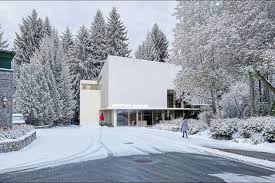 Pierwsze spostrzeżenia na temat proponowanego nowego obiektu Muzeum Whistler">

The New Whistler Museum: A Glimpse into its Future
The design for the new Whistler Museum facility introduces a modern, dynamic space dedicated to preserving and sharing the rich history of Whistler. The proposed structure spans over 15,000 square feet and is purpose-built with mass timber to create an environmentally sustainable and culturally vibrant hub.
Key Features of the Proposed Museum
This new building promises to transcend traditional museum concepts with expansive exhibition galleries, dedicated archival and research zones, and flexible spaces designed for community programming and events. This envisioned facility will serve not only as a repository for history but also as a lively gathering place for locals and visitors alike.
Community Engagement in Shaping the Museum
Engagement with the Whistler community forms a cornerstone of the new museum’s development. Through an open house event, visitors have the opportunity to explore design renderings and share input on the stories and themes that resonate most. This feedback will be actively incorporated into the planning and design stages to ensure the museum reflects a wide range of experiences and perspectives.
A Brief Historical Perspective on Museums and Community Heritage
Museums have long served as vital centers for preserving cultural heritage, yet their evolving role today emphasizes storytelling that connects with diverse audiences. The move toward audience-focused, emotive storytelling reflects a broader trend in heritage tourism where sites become “storyscapes” that appeal to both local identity and global visitors.
In places like Whistler, which is renowned for its outdoor activities—particularly skiing and mountain adventures—heritage takes on a contemporary shape. It embraces community narratives from recent decades and integrates them with the natural and built environment, creating a tourism resource that is authentic and engaging. This aligns with the growing recognition that tourism cities benefit from celebrating both their historical roots and their ongoing stories.
The Role of Contemporary Heritage
Unlike destinations centered purely on centuries-old sites, resorts such as Whistler showcase heritage through recent developments and vibrant community life. This form of heritage is crucial in attracting visitors who seek more than just traditional exhibits—they crave meaningful engagement with a destination’s living culture and social fabric.
The Significance of the New Whistler Museum in Tourism
The development of a new museum facility in Whistler is a strategic enhancement to the region’s tourism infrastructure. Museums contribute not only cultural value but also economic benefits by attracting visitors interested in history and local narratives intertwined with the natural beauty of their surroundings.
Whistler itself is a world-class resort destination, famed for skiing, outdoor sports, and year-round recreational activities. A state-of-the-art museum complements these attractions by offering visitors a deeper connection to the place, enriching their experience beyond leisure and adventure.
Impact on Tourism and Community Identity
- Educational Value: The museum will provide educational opportunities for visitors and residents about Whistler’s evolution and cultural diversity.
- Tourism Attraction: As a new cultural landmark, it will draw more tourists, adding variety to Whistler’s offerings.
- Community Engagement: By involving locals in content development, the museum strengthens social capital and community pride.
How This Connects to Boating and Sailing Activities
While Whistler is primarily known for its mountain adventures, its location near lakes and water bodies offers potential synergies with boating and sailing. The enhanced cultural infrastructure could inspire seasonal visitors to explore the region’s water activities, from lakeside boating to recreational fishing excursions. The addition of rich local history and contemporary heritage storytelling adds depth to any outdoor tourism experience, including yachting and watersport charters nearby.
Summary and Looking Ahead
The proposed new Whistler Museum stands to become a dynamic landmark, enriching the cultural landscape of this renowned resort town. With its mass-timber sustainable design and expansive flexible spaces, it will serve as a hub for storytelling, research, and community events that celebrate Whistler’s unique past and present.
For tourists drawn to Whistler’s breathtaking mountains and lakes, the museum will offer a chance to delve into the local heritage, complementing outdoor pursuits such as skiing, hiking, and sailing. The open community input process promises a museum that truly reflects Whistler’s people and stories, enhancing both resident identity and visitor experience.
Those interested in integrating cultural and outdoor activities will find Whistler’s new museum a compelling reason to visit alongside its beautiful beaches, lakes, and marinas. For enthusiasts of yacht and sailing charters, the region’s natural water settings only add to Whistler’s appeal as a multifaceted destination.
For the best options in sailing and yacht rentals in Whistler and the surrounding areas, explore the international marketplace at GetBoat.com. It offers a wide selection of boats and yachts to suit every adventurer’s taste and budget, making the most of Whistler’s exceptional blend of water and mountain activities.