Nighttime Navigation Lights for Boats
Alexandra
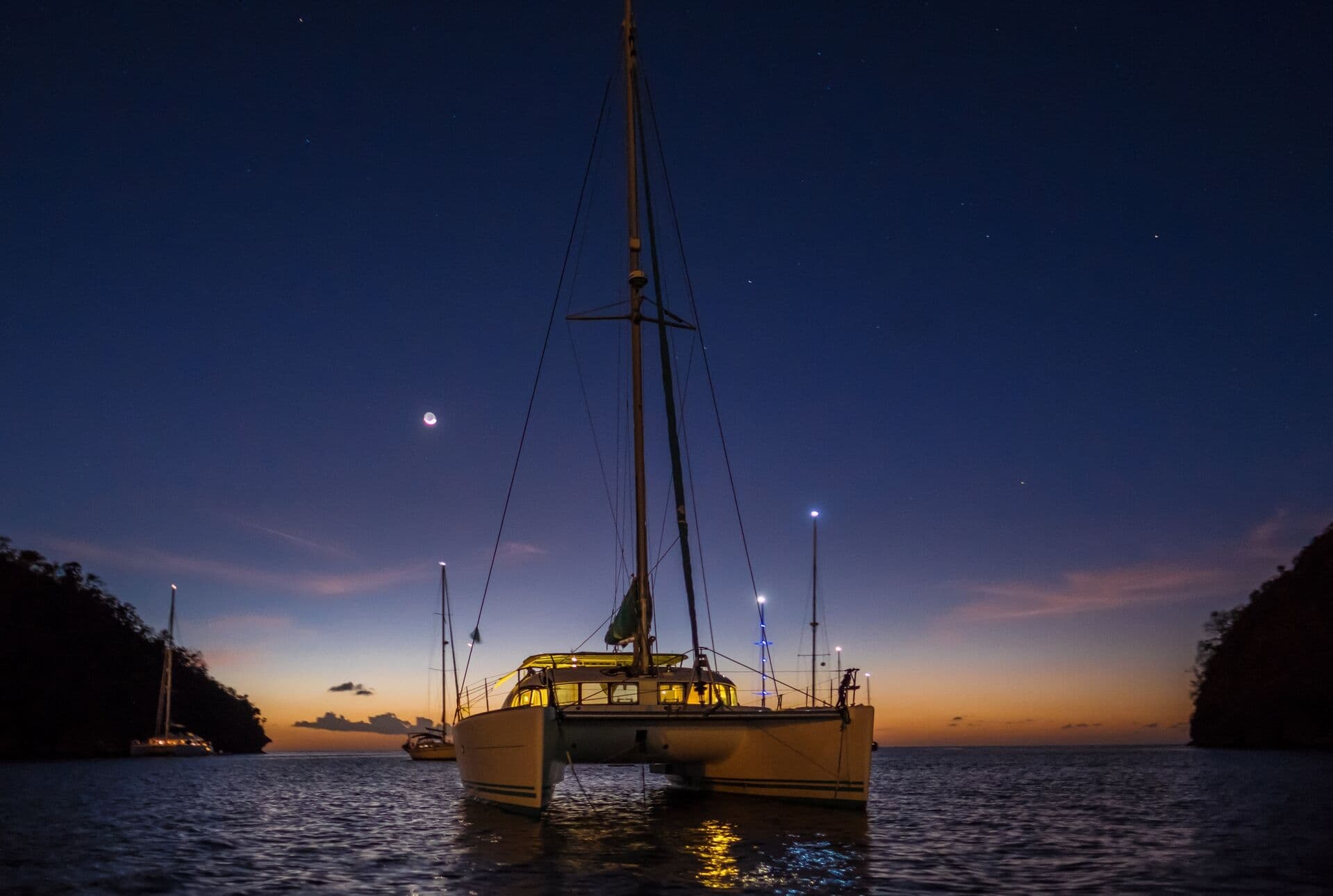
Between sunset and sunrise, vessels underway must display red (port) and green (starboard) sidelights and a visible white stern light; additionally, power-driven craft need a white masthead light forward (or an all-round white light on some small boats), and anchored vessels must show a 360° white anchor light to avoid collisions and comply with navigation rules.
Key Navigation Lights and Where They Go
The basic set-up is straightforward but critical: port (red) and starboard (green) sidelights show direction, the stern light provides rear visibility, and the masthead identifies power-driven traffic from the front. For small sailboats or tenders, an all-around white light can replace separate masthead and stern lights. Lights must be unobstructed and bright enough to be seen at required ranges.
What Counts as “Visible”?
Visibility is not subjective. Regulations specify arc of visibility in degrees and nominal range in nautical miles based on lamp intensity. Practically speaking, lenses must be clean, mounting height correct, and nothing (like a dodger or stacked deck gear) should block the beam. If you rent a boat, check this first — you don’t want to discover a covered stern light at dusk.
📚 You may also like
Specific Requirements by Vessel Length
Different boat sizes and propulsion types determine which fixtures are mandatory. Below is a compact breakdown to make pre-departure checks easier.
| Vessel Type / Length | Required Lights |
|---|---|
| Under 7 m (small, non-powered) | All-round white (sometimes) or sidelights if practical |
| Under 50 m, power-driven | Masthead light forward, sidelights, stern light |
| Sailboats under power | Masthead light + sidelights + stern light (or tricolor/combination) |
| At anchor (any vessel) | All-round white anchor light visible 360° |
Tricolor and Combination Lights
Some sailing yachts mount a tricolor at the masthead (red, green, white) to cover sidelights and stern functions at once. That’s handy for charters and small rentals where wiring fewer fixtures simplifies life — but check that the fixture meets the boat’s size and range requirements.
Common Mistakes and How They Affect Rentals and Charters
Boat renters and charter captains often run into the same issues: wrong colors, obstructed lenses, or insufficient brightness. Those slip-ups lead to confusion on the water and could attract fines. When renting, always:
- Inspect all navigation lights at dusk before leaving the dock.
- Confirm spare bulbs and basic tools are aboard.
- Ask the charter operator about any non-standard lighting configurations.
Special and Temporary Lights
Towing operations require specific towing lights. Law enforcement and pilot vessels use flashing or colored lights for authority and signaling. Never substitute flashing lights for the required steady navigation lights unless you’re authorized to do so.
Maintenance Checklist
Keeping lights working is a small effort with big payoff. A quick pre-departure scan will save headaches:
- Clean lenses and remove salt buildup.
- Verify correct bulb types and brightness; carry spares.
- Check wiring and switches for corrosion.
- Test visibility from other boats if possible — better safe than sorry.
Onboard Tools and Spares
At minimum, carry a basic toolkit, spare bulbs, waterproof tape, and a handheld white light (flashlight) for emergencies. Renters: ask where the spares live; captains: make them easy to find.
Regulatory Notes and Good Practice
Lights are not just courtesy — they’re codified safety requirements. Failure to comply can lead to fines and liability in case of collision. Beyond regulations, proper lighting reduces risk on busy channels, marinas, and near shorelines where boats, swimmers, and fishermen may converge.
Quick FAQ
Q: Do all boats need red and green sidelights?
A: Most powered and sailing vessels underway do. Very small, non-powered craft may use an all-round white light instead.
Q: Can an anchor light be used while underway?
A: No — using an anchor light underway confuses other vessels about your status. Turn it off once moving.
In short, proper night lighting means displaying red and green sidelights, a clear white stern and, where applicable, a masthead or all-round light; anchoring requires a 360° white anchor light. For anyone involved in yacht charters, boat rental or captain duties, lights affect safety, legality and the charter experience — from marinas to open sea. Keep fixtures clean, carry spares, and check lighting before every departure so your next day on the beach, lake or ocean stays smooth. Wrap-up: these rules protect passengers and vessels whether you're on a small boat, a yacht charter, a superyacht or a Sunseeker-style cruiser, and they matter for sale, rent and every boating activity — fishing, sailing, yachting or gulf cruising — across Destinations, marinas and clearwater waters.