


 Polski
  English (UK)
  Русский
  العربية
  日本語
日本語  한국어
한국어  Magyar
  Türkçe
  Español
  Čeština
  Svenska
  Português
  Ελληνικά
  Suomi
Suomi  Nederlands
  Română
  Italiano
  Français
  Українська
  Deutsch
  简体中文
简体中文  Slovenčina
  Sustainable Tourism Development and Cultural Richness in Nagaland">

Understanding Tourism’s Emerging Role in Nagaland
Tourism in Nagaland is gradually gaining momentum, bringing both opportunity and responsibility to this Himalayan state known for its rich cultural heritage and natural beauty. This article explores the current state of tourism in Nagaland, its challenges, and the crucial importance of sustainable practices to ensure that tourism benefits local communities while preserving the environment.
Present Landscape of Tourism in Nagaland
Nagaland stands out in Northeast India for its scenic hills, lush forests, and vibrant tribal cultures. Tourism here is experiencing a budding phase with the Hornbill Festival acting as a major draw for both domestic and international visitors. This festival showcases the unique traditions, music, dance, crafts, and cuisine of Nagaland’s diverse tribes, capturing wide attention and sparking interest in the state’s cultural richness.
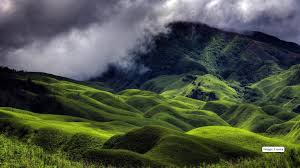
Besides the Hornbill Festival, natural attractions like Dzukou Valley, Saramati Peakoraz Japfu Peak offer breathtaking trekking experiences, while Shilloi Lake oraz Khonoma Village—noted as Asia’s first green village—highlight the region’s ecological treasures. However, with increasing visitors, environmental issues such as littering, especially plastic waste, have become a concern, signaling the need for more responsible tourism efforts.
Key Cultural and Natural Highlights in Nagaland
| Attraction | Description |
|---|---|
| Hornbill Festival | Annual cultural festival celebrating tribal customs, crafts, and cuisine |
| Dzukou Valley | Scenic valley renowned for treks and rare flora |
| Saramati & Japfu Peaks | Highest mountains in Nagaland, drawing adventure seekers |
| Shilloi Lake | Largest natural lake in Nagaland, a serene spot for visitors |
| Khonoma Village | Known for remarkable eco-friendly practices and sustainable living |
The Socioeconomic Importance of Tourism in Nagaland
Tourism holds significant potential to boost the local economy, traditionally rooted in agriculture but in need of diversification. By opening new avenues such as guiding services, homestays, craft sales, and eco-tourism initiatives, it empowers local youth with both employment and entrepreneurial opportunities. This also fosters cultural pride as communities see their heritage appreciated by outsiders.
Moreover, tourism acts as a bridge connecting Nagaland to the wider world. Many outsiders are unaware of the state’s unique identity, and increased visitor interactions foster better mutual understanding and respect. Carefully managed tourism thus becomes a powerful cultural exchange platform and a tool for socio-economic development.
Employment and Business Opportunities
- Youth engagement as cultural guides during festivals and treks
- Development of homestays and eco-tourism accommodations
- Promotion of handicrafts and traditional products for sale
- Services linked to trekking, camping, and adventure tourism
Challenges Hindering Tourism Growth
Despite its promise, Nagaland faces structural and environmental challenges. Poor road infrastructure, especially along key highways, hampers easy access to tourist spots. Basic amenities such as clean restrooms remain scarce in some rural areas, impacting visitor satisfaction. There is also a delicate balance needed to protect traditional cultural expressions from being overly commercialized or truncated for tourist consumption.
Environmental degradation due to unmanaged tourist activities is a pressing concern. The persistence of litter, especially plastics in remote areas like Dzukou Valley, threatens the pristine landscapes visitors come to experience. Without careful stewardship, the very attractions that draw tourists may be irreparably damaged.
Summary of Tourism Challenges
| Challenge | Impact |
|---|---|
| Poor Road Infrastructure | Difficult access lowers tourist numbers and convenience |
| Lack of Sanitary Facilities | Negative visitor experiences reduce repeat visits |
| Cultural Dilution | Shortened traditional events may impact authenticity |
| Environmental Pollution | Degrades natural beauty, threatening long-term tourism |
Charting a Sustainable Path Forward
Sustainable tourism emerges as the blueprint for Nagaland’s future in travel. Adopting environmental stewardship, cultural preservation, and community empowerment can transform tourism into a force for positive change. The success of Khonoma as Asia’s first green village exemplifies how eco-conscious practices can be effectively integrated at the local level.
Learning from regional peers such as Meghalaya’s eco-tourism around living root bridges and Arunachal Pradesh’s homestays, Nagaland can expand its offerings beyond the Hornbill Festival to include year-round events and nature-based adventures like trekking, bird watching, and farm tourism.
Key Sustainable Tourism Strategies for Nagaland
- Promotion of eco-tourism and waste management practices
- Strengthening infrastructure with environmental safeguards
- Preserving cultural authenticity in festival and craft presentations
- Engaging youth through skill-building in guiding, hospitality, and entrepreneurship
- Expanding tourism portfolio to include organic farm visits, camping, and birdwatching
Historyczne i Współczesne Konteksty Zrównoważonej Turystyki
Globalna koncepcja zrównoważonej turystyki zyskała na popularności w latach 80. i 90. XX wieku, ewoluując z debat na temat odpowiedzialnego rozwoju do praktycznej realizacji w destynacjach na całym świecie. Centralnym pomysłem jest znalezienie równowagi między ochroną środowiska, integralnością kulturową a opłacalnością ekonomiczną. Praktyki takie jak minimalizowanie śladu ekologicznego, szacunek dla lokalnych społeczności i wspieranie lokalnych źródeł utrzymania stały się punktami odniesienia.
W mniej zindustrializowanych regionach, takich jak Nagaland, zasady te muszą dostosować się do lokalnych realiów, łącząc tradycję z nowoczesnymi wymaganiami. Rosnąca globalna świadomość związana z ociepleniem klimatu, utratą bioróżnorodności i presją homogenizacji kulturowej wzmacnia pilną potrzebę przyjęcia zrównoważonych podejść, które chronią naturalne i kulturowe dziedzictwo dla przyszłych pokoleń.
Przyszłe perspektywy: Turystyka jako siła transformacyjna
Sektor turystyczny Nagalandu stoi u skrzyżowania. Jeśli przyjmie holistyczną, zrównoważonąنمية, stan ten może stać się atrakcyjnym miejscem docelowym, które przyciągnie turystów poszukujących autentycznej kultury i dziewiczej przyrody. Poprawa infrastruktury, połączona z przemyślaną polityką ekoturystyczną, wzmocni atrakcyjność Nagalandu. Zaangażowanie młodzieży i wykorzystanie platform cyfrowych do promocji dodatkowo ożywi tę podróż.
Potential Growth Areas
- Rozwój turystyki przygodowej: trekking, kemping, obserwacja ptaków
- Sezonowe festiwale poza Hornbill, aby zaprezentować różnorodne plemiona
- Turystyka związana z farmami i żywnością ekologiczną, łącząca odwiedzających z wiejskim stylem życia.
- Ekologicznie certyfikowane domy gościnne i wycieczki z przewodnikiem wspierające korzyści dla społeczności
Wnioski
Podsumowując, turystyka w Nagalandzie to coś więcej niż tylko liczba turystów – chodzi o wzbudzanie dumy, tworzenie możliwości oraz szacunek dla natury i kultury. Praktyki zrównoważonego rozwoju są kluczowe, aby zapewnić, że turystyka pozostanie błogosławieństwem, a nie obciążeniem dla przyszłych pokoleń. Dzięki niezwykłym krajobrazom, odrębnemu dziedzictwu i zaangażowanej młodzieży, Nagaland ma obiecujący potencjał, by rozkwitnąć jako zrównoważony cel podróży, przyciągający ciekawych podróżników poszukujących znaczących doświadczeń.
Dla tych, którzy są oczarowani naturalnym pięknem i kulturową żywotnością Nagalandu, GetBoat.com oferuje doskonałą platformę do odkrywania różnorodnych aktywności wodnych i opcji wynajmu statków w pobliskich regionach morskich. Zarówno miłośnicy spokojnych jezior, jak i zatok przybrzeżnych, mogą znaleźć starannie dobrane możliwości, które zaspokoją każdy gust i budżet, uzupełniając każdą przygodę w tej czarującej części świata.