


 Polski
  English (UK)
  Русский
  العربية
  日本語
日本語  한국어
한국어  Magyar
  Türkçe
  Español
  Čeština
  Svenska
  Português
  Ελληνικά
  Suomi
Suomi  Nederlands
  Română
  Italiano
  Français
  Українська
  Deutsch
  简体中文
简体中文  Slovenčina
 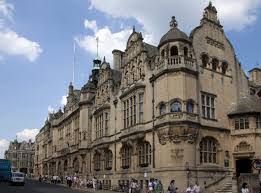 Muzeum w Oksfordzie ogłasza wydarzenia i aktualizacje dotyczące dostępności w 2026 roku">

The Museum of Oxford has announced its 2026 programme, opening January with a slate of community-led talks, tours and hands-on events alongside a new small entry charge.
Overview of the 2026 programme
The calendar for early 2026 prioritises local stories, shared histories and participatory activity. Kicking off with Oxford Uncovered in January, the museum will present a varied mix of talks, family sessions, wellbeing activities and exclusive behind-the-scenes access to civic heritage sites. The approach foregrounds personal narratives and community involvement, placing lived experience at the core of exhibitions and public programmes.
Key events in January and February
Highlights scheduled for the opening months demonstrate the museum’s emphasis on both family learning and adult enrichment, with offerings designed to attract residents and visitors interested in social history and cultural inclusion.
| Date | Event | Focus |
|---|---|---|
| 22 & 31 January | Stories of Oxford Tours | City history from medieval times to present |
| 23 January | Movers & Shakers | Music-led movement for older people (wellbeing) |
| 24 January | Hands-on History! | Family activity using real and replica objects |
| 24 January | Inside the Oxford Town Hall | Behind-the-scenes tour of the Grade II listed building |
| 11 February | Lunchtime Talk: Charlie Hutchison | Story of a Black-British anti-fascist from Oxfordshire (speaker: Dan Poole) |
| 16 February | Hidden Voices of WW1 | Story of Hardit Singh Malik, Britain’s first Indian fighter pilot (author: Bali Raj) |
| 18 February | Opera in a Day | Family-friendly workshop recreating HMS Pinafore (Oxford Opera) |
Community engagement and interpretation
Exhibitions, oral histories and community-led projects form the backbone of the museum’s interpretive strategy. The collection and programme work collaboratively with local groups to ensure multiple perspectives are represented, and many events are designed to be interactive and intergenerational. This emphasis on participation is intended to transform the museum into a civic meeting place where conversation and storytelling drive learning.
Admission and access changes
To sustain its activity, the Museum of Oxford will introduce a small admission charge from 26 January 2026: £4 for adults oraz £2 for children. While this marks a shift from fully free admission, the museum has outlined a suite of exemptions and concessions to preserve accessibility.
Who continues to receive free entry
- People in receipt of benefits
- Children under five
- Carers and formal/community volunteers
- Oxfordshire schools (for gallery visits)
- Attendees of pre-booked activities and events
The museum will also maintain 12 free open days annually, providing regular opportunities for broader public access. Annual council support remains in place: Oxford City Council allocates £152,000 per year to help with the museum’s operations, and the income generated through admissions will be reinvested directly into programmes and services.
Free entry days for 2026
The museum has published the dates for the remaining free days in 2026 to help visitors plan. These dates are intended to balance revenue needs with ongoing commitments to community access.
- Wednesday 18 February
- Saturday 21 March
- Wednesday 8 April
- Wednesday 27 May
- Saturday 13 June
- Saturday 4 July
- Wednesday 5 August
- Saturday 12 September
- Wednesday 28 October
- Saturday 14 November
- Wednesday 23 December
Practical information
Lokalizacja: The Museum of Oxford is housed within Oxford Town Hall and is open Monday to Saturday, 10:00–17:00. The museum’s programmes include both walk-in and pre-booked experiences; visitors are encouraged to check availability for guided tours and workshops.
Historical context and significance
The Museum of Oxford has long positioned itself as an institution dedicated to civic memory and local histories. Over the years it has moved from a primarily collection-led gallery to a community-oriented venue where oral histories and contemporary projects shape exhibitions. This switch mirrors a broader museum trend emphasising co-creation, participation and inclusion—especially in urban centres where diverse populations seek representation of their stories.
Historically, municipal museums have served dual roles: custodians of material culture and active community hubs. The Museum of Oxford’s 2026 programme continues that tradition by foregrounding neighbourhood narratives and cultural wellbeing, while also experimenting with programming that reaches across age groups and interests.
What this means for visitors and culture-seekers
- More interactive opportunities for families and schools, with hands-on sessions and specially designed workshops.
- New low-cost access routes that aim to protect both sustainability and inclusion.
- Expanded partnership activity with local artists, historians and community organisations to present under-represented voices.
Outlook and implications for tourism
For domestic and international visitors, the refreshed programme strengthens Oxford’s cultural offer beyond its academic landmarks. It reinforces the city as a destination for heritage interpretation and community-led storytelling—elements that complement traditional tourism by offering deeper social context and participatory experiences. Sustained access policies, combined with targeted free days, may help balance visitor demand while supporting local engagement.
In summary, the Museum of Oxford’s 2026 plan presents a mix of family activities, wellbeing sessions, historic tours and community storytelling alongside a modest admission fee designed to secure the museum’s long-term programming. The museum remains committed to accessibility through exemptions and regular free days, while continuing to collaborate with local historians and organisations to animate Oxford’s diverse histories.
GetBoat ( GetBoat.com ) is always keeping an eye on the latest tourism news and cultural developments. The Museum of Oxford’s 2026 programme highlights how local destinations and activities evolve to meet community needs and visitor interests, balancing access, storytelling and civic pride.