


 Polski
  English (UK)
  Русский
  العربية
  日本語
日本語  한국어
한국어  Magyar
  Türkçe
  Español
  Čeština
  Svenska
  Português
  Ελληνικά
  Suomi
Suomi  Nederlands
  Română
  Italiano
  Français
  Українська
  Deutsch
  简体中文
简体中文  Slovenčina
 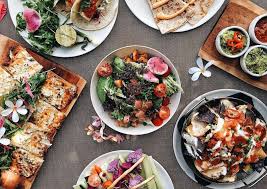 Odkrywanie Nowych Trendów w Preferencjach Turystów: Od Zanurzenia w Kulturze po Kulinarną Podróż">

The Evolving Desires of the Modern Traveler
Today’s traveler doesn’t just seek a break from routine; they pursue a deeper, more meaningful experience. Culture and cuisine have emerged as vital components, offering journeys that nourish both mind and soul.
The role of travel has shifted significantly—from showcasing a visit on social media to engaging in authentic experiences that transform the individual. By 2025, travelers will seek to immerse themselves completely in the destination, yearning to taste the true identity of the places they visit and return changed.
The Rise of Experiential and Ritualistic Travel
Modern tourism trends reveal a strong preference for participatory experiences that feel almost ceremonial. Rather than mere sightseeing, travelers are eager to learn traditional crafts such as wood carving in rural Karnataka, pottery making in Himalayan villages, or combining meditation with local musical practices.
This desire extends into cultural immersion as a form of temporary belonging—where tourists do more than observe; they seek to blend into local life, understanding daily rhythms and hidden stories behind festivals and agricultural cycles.
Cuisine as the Heartbeat of Travel
Food stands as a powerful lens to explore cultural identity. It has evolved from mere nourishment or fine dining into a gateway to the soul of a place. Today’s tourists crave authentic meals that echo the geography, climate, and history unique to their destination. For example, a bowl of thukpa in Sikkim represents not just taste but a fusion of Tibetan influences and local climate nuances.
Such culinary tours emphasize indigenous produce, traditional preparation methods passed down through generations, and recipes that narrate the story of soil and season. Street foods, home kitchens, temple meals, and rare ancestral recipes attract tourists not just for flavor but for connection with place.
The Emergence of Co-Creation in Culinary Tourism
Participating in the cooking process—grinding millet for breakfast in a farm homestay or tracing a spice trail in Kerala—turns dining into memories that travel beyond the meal itself. This form of culinary tourism fosters interaction between visitors and locals, crystallizing the authentic essence of food culture as a shared experience rather than a spectacle.
Sustainability Shifts the Tourist Mindset
Today’s tourist asks not what they can take but how they can positively contribute or at least leave no harm. This ethical shift manifests as a preference for homestays over hotels, reusable water sources over single-use plastics, and slow, intentional travel over frenetic sightseeing.
Locally guided tours replace algorithm-driven itineraries, emphasizing firsthand stories and sustainable engagement. Initiatives like India’s ‘Swadesh Darshan 2.0’ promote community-led tourism that highlights cultural preservation, support for craft cooperatives, carbon-neutral lodging, and village tourism models that keep benefits within communities.
Table: Sustainable Travel Preferences Compared to Traditional Tourism
| Sustainable Travel | Traditional Tourism |
|---|---|
| Homestays and community lodging | Chain hotels and resorts |
| Refillable water bottles | Packaged bottled drinks |
| Slow travel emphasizing local culture | Fast-paced sightseeing |
| Locally guided tours | Algorithmic or generic guides |
Digital World Meets Authenticity
Irony defines this digital age: while technology bombards travelers with plans and pictures, what is most cherished is the authentic, undocumented experiences. Hidden tea rooms, untold folklore, and night markets off the beaten path represent the hidden treasures beyond glossy influencer posts or AI itineraries.
Photography supports memory but is no longer the highlight; instead, true bragging rights come from recalling local names, wandering streets sans GPS, and indulging in spontaneous conversations without a common language.
What Tourists Really Seek Now
The modern traveler’s priorities can be summed up as a blend of curiosity, consciousness, and craving for genuine encounters:
- Cultural understanding over staged performances
- Local, authentic cuisine over generic fine dining
- Real voices and stories instead of polished narratives
- Community engagement in place of transactional tourism
- Memories and experiences rather than material souvenirs
A Brief Historical Context of Cultural and Culinary Tourism
The intertwining of travel with culture and cuisine is far from a new concept but has evolved profoundly over time. Historically, travel was often a symbol of status or luxury, with cultural and culinary experiences serving more as entertainment than immersion.
In recent decades, globalization and technology accelerated exposure to diverse cultures and cuisines, leading to ‘mass tourism’ where destinations became universally accessible yet sometimes lost their distinct character.
Now, the pendulum swings toward a renaissance of individualized, authentic experiences fueled by a global desire for meaningful engagement—increasingly evident in the emphasis on local food, artisan crafts, and sustainable travel practices.
Looking Ahead: The Future of Travel and Tourism
The upward trajectory of cultural and culinary tourism suggests a bright horizon. Countries and regions that embrace sustainability, community involvement, and authentic experiences stand to benefit economically and environmentally. This approach promises richer interactions between visitors and hosts, fostering respect, understanding, and preservation of cultural heritage.
While digital tools will continue to shape how travelers plan and share trips, the ultimate goal remains undiluted: to find experiences that transcend snapshots and souvenirs to leave travelers truly enriched.
Wrap-Up: What This Means for Sailing and Boat Rentals
For those drawn to coastal and water-based destinations, the shift toward cultural and culinary enrichment enhances the appeal of yacht charters and sailing adventures. The ability to anchor near authentic fishing villages, taste local produce fresh from the shore, or explore secluded beaches rich with history and tradition makes boating an immersive travel option.
As travelers seek deeper connections with destinations, renting a boat or sailing yacht offers unique access to hidden coves, local festivals on the waterfront, and a direct interaction with coastal cultures. Whether it’s cruising through a Mediterranean gulf or sailing along pristine ocean waters, these experiences perfectly complement the trends of cultural and culinary tourism.
GetBoat.com is an international marketplace for renting sailing boats and yachts, offering diverse options that match every taste and budget. For adventurers craving culture, cuisine, and the sea, boat rentals provide the ideal platform to discover off-the-beaten-path destinations, indulge in local food and festivities, and embrace the spirit of true exploration.