


 Polski
  English (UK)
  Русский
  العربية
  日本語
日本語  한국어
한국어  Magyar
  Türkçe
  Español
  Čeština
  Svenska
  Português
  Ελληνικά
  Suomi
Suomi  Nederlands
  Română
  Italiano
  Français
  Українська
  Deutsch
  简体中文
简体中文  Slovenčina
  Experiencing the Best of Manila: From Intramuros to Manila Bay">

Manila: Nie Tylko Przystanek w Podróży: Miasto Historii i Życia
Manila, tętniąca życiem stolica Filipin, często służy jako węzeł przesiadkowy dla turystów udających się na bardziej odległe wyspy. Jednak to miasto oferuje bogatą mieszankę historii, kultury i nowoczesnej energii, zachęcającą podróżnych do pozostania na dłużej. Ostatnie zmiany, takie jak bezpośrednie loty bez przesiadek między Delhi a Manilą oraz bezwizowy wjazd dla indyjskich turystów, otworzyły nowe możliwości dla odkrywców chcących doświadczyć autentycznej strony Manili.
Historyczne Intramuros: Wróć do epoki kolonialnej Hiszpanii
W sercu Manili leży Intramuros, XVI-wieczne miasto otoczone murami, które stanowi żywe muzeum kolonialnej przeszłości Filipin. Jego grube kamienne mury otaczają brukowane ulice, wspaniałe kościoły i fortece, takie jak Fort Santiago i kościół San Agustin. Te zabytki opowiadają historie minionych wieków stylem architektonicznym głęboko zakorzenionym w hiszpańskich wpływach. Dziś lokalne wycieczki często zapraszają odwiedzających do przemierzania Intramuros na bambusowych rowerach, oferując świeży, ekologiczny sposób na zwiedzanie, jednocześnie chłonąc historyczne opowieści od kompetentnych przewodników.
Cuda nadbrzeżne: Rekreacja wzdłuż Zatoki Manilskiej
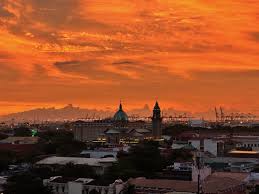
Obszary nabrzeżne miasta przeszły imponującą rewitalizację, oferując relaks i rekreację z oszałamiającymi widokami na zatokę. Plaża Dolomitowa, sztuczny odcinek wzdłuż Zatoki Manilskiej, stał się ulubionym miejscem dla obserwatorów zachodów słońca, a 3,5-kilometrowa Manila Baywalk usiana jest palmami i obsadzona kawiarniami oraz barami na dachu, które oferują panoramiczne widoki na miasto.
The Esplanada nad rzeką Pasig przekształciło się również w dynamiczną przestrzeń publiczną. Dzięki ścieżkom krajobrazowym i ścieżkom rowerowym, ta nadrzeczna promenada tętni życiem dzięki lokalnym sprzedawcom ulicznego jedzenia serwującym przysmaki, takie jak klopsiki rybne, grillowane szaszłyki, sajgonki i orzeźwiająca lemoniada calamansi - cierpki napój cytrusowy pochodzący z Filipin.
Tradycyjne jeepneye: Ruchome doświadczenie kulturowe
Nie można naprawdę zrozumieć Manili bez przejażdżki kultowym dżipneje. Te żywe, przerobione pojazdy z czasów II wojny światowej są nieodłącznym elementem ulicznego życia Manili i oferują więcej niż tylko transport — są ruchomymi ambasadorami filipińskiej sztuki i kultury, pomalowane w jaskrawych kolorach i ozdobione unikalnymi naklejkami. Jazda jeepney daje odwiedzającym wciągający wgląd w codzienne życie, jednocześnie ułatwiając przyjazne interakcje z mieszkańcami.
Parki i Muzea: Zielone Przestrzenie i Skarby Kultury
Centralna Manila szczyci się zielonymi zakątkami i instytucjami kultury, które dopełniają wrażenia życia w mieście. Rizal Park to rozległa, 60-hektarowa oaza znana przede wszystkim z Pomnika Rizala, hołdu dla filipińskiego bohatera narodowego, Jose Rizala. Odwiedzający mogą tu również skosztować lokalnego przysmaku, tak zwanych ‘Brudnych Lodów’ – ulicznych lodów z mleka kokosowego, dostępnych w smakach od mango po fioletowy pochrzyn. Pomimo swojej rustykalnej nazwy, są one higienicznie przygotowywane przez sprzedawców w parku.
The Kompleks Muzeum Narodowego zaprasza zarówno miłośników sztuki, jak i entuzjastów historii. Narodowe Muzeum Sztuk Pięknych prezentuje arcydzieła filipińskich artystów, a Muzeum Historii Naturalnej podkreśla bogate walory różnorodności biologicznej kraju poprzez kreatywne instalacje, takie jak słynne “Drzewo Życia”.”
Krótka podróż przez przeszłość Manili
Historia Manili to opowieść o odporności i transformacji. Założona pod koniec XVI wieku jako ufortyfikowane hiszpańskie miasto przez Miguela Lópeza de Legazpi, stała się kolonialną stolicą Filipin. Intramuros było epicentrum tej ery, domem dla struktur religijnych, rządowych i wojskowych. Przez wieki Manila doświadczała inwazji, okupacji i wojen, a szczególnie rozległej destrukcji podczas II wojny światowej, po której nastąpiła determinowana odbudowa.
Jego strategiczny port, osłaniający Zatokę Manilską, od dawna jest kluczem do rozwoju miasta jako centrum handlu i kultury. Rzeka Pasig łączyła społeczności śródlądowe z morzem, kształtując rolę Manili jako bramy handlowej. Dziś architektura i tkanka miejska miasta to mozaika utkana z hiszpańskich, amerykańskich, chińskich i rodzimych filipińskich wątków, co czyni je wyjątkową metropolią bogatą w kontrasty.
Prognozowanie roli Manili w globalnej turystyce
Manila przygotowuje się, by stać się czymś więcej niż tylko bramą do słynnych filipińskich plaż i wysp – staje się celem samym w sobie. Dzięki lepszej dostępności połączeń lotniczych, polityce wizowej oraz rozwojowi urbanistycznemu łączącemu dziedzictwo z nowoczesnością, miasto coraz bardziej odpowiada turystom poszukującym głębi kulturowej obok naturalnego piękna. Rosnące zainteresowanie ze strony podróżnych z Indii i innych krajów sygnalizuje rosnące znaczenie Manili na globalnej mapie turystycznej.
Tabela: Najciekawsze atrakcje Manili dla osób odwiedzających po raz pierwszy
| Attraction | Experience | Najlepszy czas na wizytę |
|---|---|---|
| Intramuros | Wycieczki historyczne, kolonialna architektura, przejażdżki rowerami bambusowymi | Poranki czy późne popołudnia? |
| Plaża Dolomitowa | Oglądanie zachodów słońca, spacery rekreacyjne | Evenings |
| Esplanada nad rzeką Pasig | Spacery nad rzeką, degustacja lokalnego street foodu | Popołudnie – wczesny wieczór |
| Rizal Park | Zwiedzanie zabytków, degustacja tradycyjnych lodów ulicznych | Dzień |
| Kompleks Muzeum Narodowego | Wystawy sztuki, ekspozycje historii naturalnej | Dni tygodnia, w których unikać tłumów |
Porady dotyczące poruszania się po Manili
- Zaplanuj przejażdżki jeepneyami na krótkie, śródmiejskie dojazdy, aby doświadczyć lokalnego życia.
- Skorzystaj z barów na dachach w pobliżu Zatoki Manilskiej, aby podziwiać panoramiczne widoki na miasto i drinki o zachodzie słońca.
- Zwiedź historyczne Intramuros na piechotę lub wypożycz bambusowy rower, aby jeszcze bardziej zanurzyć się w atmosferze tego miejsca.
- Spróbuj lokalnych potraw ulicznych od sprzedawców wzdłuż rzeki Pasig, aby poczuć autentyczne smaki.
- Odwiedzaj muzea wcześnie rano, aby uniknąć godzin szczytu.
Podsumowanie: Rosnąca atrakcyjność Manili
Manila, z jej fascynującym połączeniem hiszpańskiego kolonialnego dziedzictwa, tętniącej życiem miejskiej kultury i malowniczych nabrzeży, oferuje bogate doświadczenia, wykraczające daleko poza zwykły przystanek w podróży. Jako jedna z najszybciej rozwijających się bram wjazdowych w Azji Południowo-Wschodniej, miasto przyciąga uwagę zarówno turystów z Indii, jak i turystów międzynarodowych. Od spokojnych uliczek Intramuros po tętniącą życiem promenadę Pasig River Esplanade i kultowe przejażdżki jeepneyami po ruchliwych ulicach, Manila zaprasza podróżnych do zanurzenia się w jej żywym duchu i historii.
Dla tych, którzy marzą o wypłynięciu na szerokie wody Filipin lub szukają niezapomnianych żeglarskich przygód, rosnąca rola Manili jako morskiej bramy sprawia, że jest ona doskonałym punktem wyjścia dla czarterów jachtów, wynajmu łodzi i eksploracji wybrzeża. Skąpane w słońcu plaże regionu, krystalicznie czyste wody i tętniące życiem mariny stanowią idealną scenerię dla aktywności morskich, od wylegiwania się na superjachcie po wędkowanie lub rejsy po pobliskich zatokach. Aby dowiedzieć się więcej o ofercie Manili w zakresie wynajmu łodzi i jachtów, GetBoat.com oferuje międzynarodowy rynek dostosowany do każdego budżetu i preferencji, ułatwiając łączenie odkryć kulturowych z niezapomnianymi wrażeniami na morzu.