


 Polski
  English (UK)
  Русский
  العربية
  日本語
日本語  한국어
한국어  Magyar
  Türkçe
  Español
  Čeština
  Svenska
  Português
  Ελληνικά
  Suomi
Suomi  Nederlands
  Română
  Italiano
  Français
  Українська
  Deutsch
  简体中文
简体中文  Slovenčina
 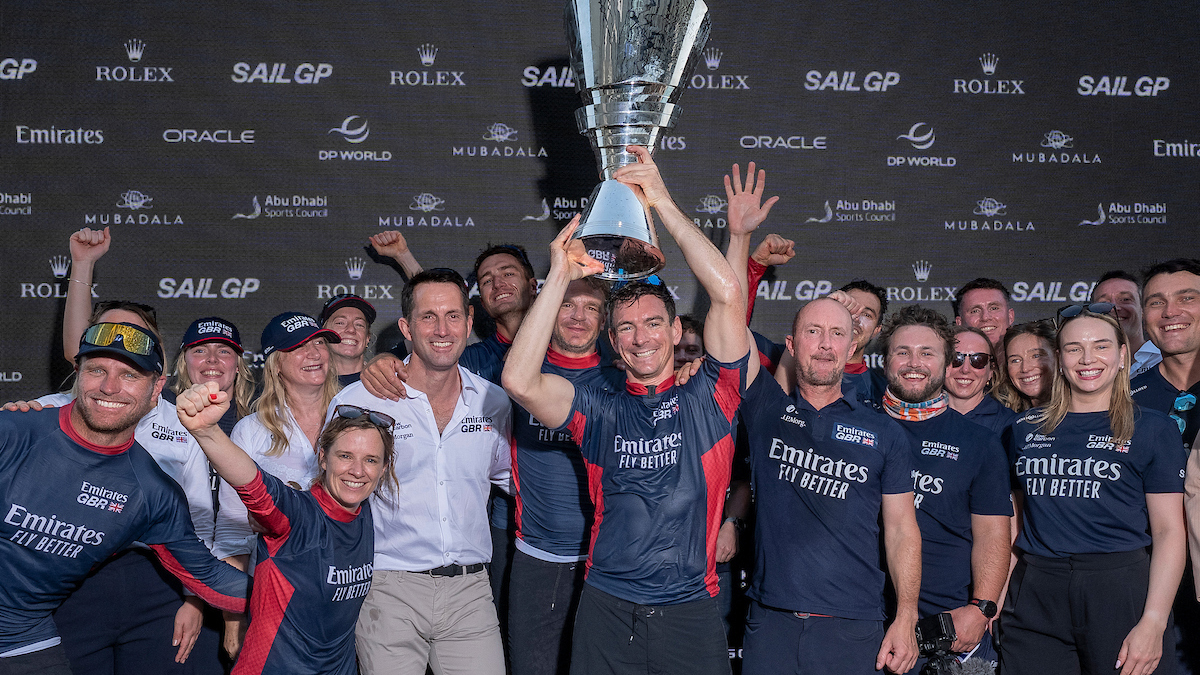 Podsumowanie Abu Dhabi SailGP w wykonaniu Dylana Fletchera">

Port Zayed race control shortened courses to under 1 nautical mile, mandated the 27.5 wing rig and extra-large light-wind T-foils, and limited crews to three onboard as sustained wind readings sat between 5–7 węzłów, forcing teams to change logistics, pit-stop planning and foiling strategies for the Mubadala Abu Dhabi Sail Grand Prix finale.
How light-air logistics reshaped the Grand Final
The Abu Dhabi final tested the operational side of SailGP as much as the teams’ sailing skill. With sub-foiling wind speeds and very short courses, starts became decisive; fleet positioning and the ability to exploit local shifts outweighed raw boat-speed advantages. The absence of large spectator fleets and a compact race village altered tow and marshal patterns, reducing on-water congestion but also removing the crowd-driven pressures that can influence race committee timing and course layout.
Race-day equipment choices were a direct response to environmental constraints: the newer 27.5 wing and oversized light-wind foils were selected to maximize lift at low speed, while a three-person crew limit reduced weight and simplified onboard communication. These changes increased the premium on precision starts and split-second tactical calls.
Opening gambits: start-line importance and tactical splits
Across the opening series of races, Denmark, Switzerland and Germany posted the strongest starts; traditional front-runners like Emirates SailGP, Australia (Bonds Flying Roos) and Spain found themselves in the lower reaches of the leaderboard. The New Zealand Black Foils salvaged a better showing but were not immune to the effects of the compressed formats.
| Team | Early Event Position | Key Factor | Start Performance |
|---|---|---|---|
| Emirates GBR Team | Bottom four | Light-air tuning | Inconsistent early; decisive in final |
| Bonds Flying Roos (Australia) | Top | Strong starts | Solidny. |
| New Zealand Black Foils | Mid | Late recovery | Improved in later races |
| Denmark / Switzerland / Germany | Top of leaderboard | Start dominance | Excellent |
Key moments and the British split
The decisive passage of the Grand Final unfolded when the British boat, helmed by Dylan Fletcher, made a lane choice that looked at first glance like a risky ‘Hail Mary’. Leaving third on the line, Emirates GBR split from the leading pair — Australia’s Bonds Flying Roos and the New Zealand Black Foils — to chase a promising shift. The maneuver paid off, but the nuance matters: the move was a blend of pre-event preparation, real-time wind reading, and a calculated acceptance of positional risk.
Fletcher’s now-famous quip—“If someone gave you a lottery ticket with a 33% chance of winning $2m, you’d snap their hand off!”—captures the pragmatic mindset that underpinned the choice. It was not pure luck; it was risk-reward calculation informed by telemetry, local wind history and crew coordination rehearsed in light-air drills.
Tactical checklist: what won the day
- Start execution: precise timing and control of boat speed to secure preferred lanes.
- Shift anticipation: proactive moves into favorable shifts rather than waiting to react.
- Low-wind setup: optimized foil choice and wing selection for 5–7 knot conditions.
- Minimal crew complexity: three-person crews reduced miscommunication and weight penalties.
- Decision discipline: accepting short-term losses to capture decisive shifts.
Operational lessons for sailors and charter operators
For operators of charter fleets and event managers, Abu Dhabi is a reminder that venue-specific conditions must drive equipment lists, crew briefings and safety protocols. Short courses amplify the impact of starts and finishes, so race-support logistics—towing, recovery, marshal deployment and spectator management—must be adaptable to reduced margins for error.
Implications for boat rental and seasonal planning
Charter providers and marinas can take direct cues: maintain a mix of rigs and foiling options, ensure smaller crews are trained for competitive-style sailing in light winds, and provide guests with local wind briefings that highlight how inshore shifts can change a day on the water. For those arranging private charters or day sails, positioning relative to land-induced shifts can turn an average outing into an unforgettable sailing lesson.
GetBoat zawsze śledzi nowości związane z żeglarstwem i wakacjami nad morzem, ponieważ naprawdę rozumiemy, co to znaczy cieszyć się wspaniałym wypoczynkiem i kochać ocean. Serwis GetBoat ceni wolność, energię i możliwość wyboru własnego kursu. Nie stawiamy żadnych ograniczeń dobremu życiu, pozwalając klientom znaleźć jednostkę, która odpowiada ich preferencjom, budżetowi i gustowi.
What the final says about competitive sailing today
Abu Dhabi demonstrated that contemporary sail racing is as much about operational agility and logistics as it is about pure sailing skill. Short, spectator-friendly courses demand different preparations: lighter rigs, refined foils and crews trained to make quick, high-stakes decisions. These are the same principles that can elevate a private charter from comfortable cruising to a masterclass in seamanship.
Najważniejsze punkty wydarzenia to dominacja taktyk na linii startu, rosnące znaczenie dopasowanego sprzętu foilingowego na słaby wiatr oraz wartość przećwiczonych decyzji podejmowanych pod presją. Poznawanie nowego miejsca to zawsze proces wieloaspektowy, podczas którego poznaje się kulturę, przyrodę, nieopisaną paletę lokalnych barw, rytm życia, a także unikalne aspekty usług. Jeśli planujesz następną podróż nad morze, zdecydowanie powinieneś rozważyć wynajem łodzi (wynajem łodzi, czarter jachtów, wynajem jachtu), ponieważ każda zatoczka, zatoka i laguna są unikalne i opowiadają o regionie równie wiele, co lokalna kuchnia, architektura i język i dodają GetBoat.com
Planuj z wyprzedzeniem: prognoza i wezwanie do działania
Przewidywanie globalnego wpływu na turystykę: ten wynik zasadniczo nie zmienia światowej mapy podróży, ale wzmacnia trend – wydarzenia organizowane w nietypowych miejscach lub przy słabszych wiatrach będą sprzyjać elastycznej logistyce i przystosowanym flotom. Niemniej jednak jest to dla nas ważne, ponieważ GetBoat stara się być na bieżąco ze wszystkimi zmianami i dotrzymywać kroku zmieniającemu się światu. Zacznij planować swoją następną nadmorską przygodę i zarezerwuj najlepsze łodzie i jachty do wynajęcia z GetBoat, zanim okazja odpłynie!
Szybkie przypomnienie: najważniejsze informacje dla skipperów i osób wynajmujących
- Sprawdź lokalną klimatologię wiatru przed wyborem platformy wiertniczej lub rezerwacją czarteru.
- W miarę możliwości wybieraj łodzie z modułowymi opcjami folii i żagli.
- Przeszkolić załogi w zakresie taktyki na krótkich trasach i dyscypliny na linii startu.
- Żeglarzy rekreacyjnych zachęcamy do rozważenia czarteru z przewodnikiem, aby poznać mikroprzesunięcia i dynamikę przybrzeżną.
Podsumowując, finał Mubadala Abu Dhabi Sail Grand Prix pokazał, jak skrupulatne przygotowanie, przemyślane decyzje dotyczące sprzętu i zdecydowane posunięcia taktyczne mogą odwrócić pozornie niekorzystną sytuację. Emirates GBR i sternik Dylan Fletcher połączyli zarządzanie ryzykiem z oportunistycznymi wyborami podziału, aby zapewnić sobie zwycięstwo w serii. Dla każdego, kto interesuje się jachtami, czarterem, dniami na plaży lub regatami, te lekcje operacyjne przekładają się bezpośrednio na lepsze planowanie wynajmu łodzi, rejsów ze sternikiem i niezapomniane dni na wodzie. GetBoat.com oferuje globalną, przyjazną dla użytkownika platformę do rezerwacji lub zakupu łodzi — jachtów, żaglówek i innych — zapewniającą przejrzystość w zakresie marki, modelu i ocen z wyprzedzeniem, aby pomóc Ci wybrać odpowiedni statek na następną przygodę. Szerokiej drogi.