


 Polski
  English (UK)
  Русский
  العربية
  日本語
日本語  한국어
한국어  Magyar
  Türkçe
  Español
  Čeština
  Svenska
  Português
  Ελληνικά
  Suomi
Suomi  Nederlands
  Română
  Italiano
  Français
  Українська
  Deutsch
  简体中文
简体中文  Slovenčina
 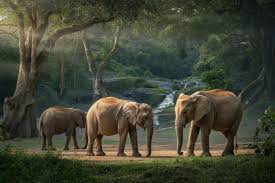 Gudźarat wzmacnia ochronę dzikiej przyrody i ekoturystykę">

This article reveals recent directives from Gujarat’s leadership to expand eko-turystyka and frame visitor policies for protected forest areas while boosting measures for key wildlife species.
Summary of recent decisions and developments
At the 26th meeting of the State Wildlife Board in Gandhinagar, Chief Minister Bhupendra Patel guided a set of actions aimed at balancing visitor access with wildlife protection across Gujarat’s sanctuaries and national parks. The meeting confirmed that the Jessore Sloth Bear Sanctuary in Banaskantha has been included in the National Program for Bear Conservation by the Ministry of Environment, Forest and Climate Change. Officials also reported the sighting of a tiger in Ratanmahal Sanctuary, with optimism that the animal may establish a resident presence.
Ministers present included Forest and Environment Minister Arjunbhai Modhwadia and Minister of State Pravin Mali. The meeting discussed practical measures such as formalizing visitor policy guidelines, promoting community participation in conservation, and planning a designated sanctuary for the rising number of leopards, including rescued individuals.
Key proposals and administrative directions
Officials placed about 18 proposals before the board covering infrastructure and facility upgrades inside protected areas. These proposals covered roads, water supply, optical fibre connectivity, renewable energy installations, and power transmission lines intended to support both conservation operations and regulated visitor access.
- Community engagement: Training programs for local residents to aid tiger protection, planned in collaboration with the NTCA.
- Visitor management: Drafting of clear visitor policy guidelines designed to prevent disturbance to wildlife even as tourist numbers grow.
- Sanctuary planning: Identification of a potential site for a leopard sanctuary to safely host rescued and free-ranging leopards.
Sanctuaries and status at a glance
| Protected Area | Lokalizacja | Recent Development |
|---|---|---|
| Jessore Sloth Bear Sanctuary | Banaskantha | Included in the National Program for Bear Conservation |
| Ratanmahal Sanctuary | — | Tiger sighting with possibility of permanent settlement |
| Proposed Leopard Sanctuary | To be identified | Planning stage for rescued and increasing leopard population |
Community participation and protection mechanisms
Officials emphasized that sustainable conservation depends on local communities. The government intends to roll out training programs that equip residents with the knowledge to coexist with and protect species such as tigers, sloth bears, and leopards. This community-driven approach aims to reduce human-wildlife conflict, create local stewardship, and make conservation measures resilient and socially inclusive.
The involvement of elected representatives — including MLAs Mahesh Kaswala, Devabhai Malamoraz Maltiben Maheshwari — indicates a political commitment to align constituency interests with conservation outcomes. The meeting was presided over by Principal Chief Conservator of Forests Dr Jaipal Singh.
Balancing tourism and wildlife welfare
The Chief Minister directed that growing visitor numbers must not harm or disturb wildlife. That directive includes:
- Defining clear access zones and sensitive zones within protected areas.
- Establishing codes of conduct for visitors and tour operators.
- Upgrading infrastructure in ways that minimize ecological footprints (for example, routing utilities and paths to avoid critical habitats).
Promotion of eko-turystyka was recommended as a means to generate sustainable local income while educating visitors about conservation. The intent is to offer controlled, low-impact experiences that benefit both communities and protected ecosystems.
Historical context and conservation trajectory
Gujarat’s conservation efforts have evolved over several decades from protected area designation and anti-poaching initiatives to more integrated landscape-level planning. Historically, interventions in the state emphasized species protection and habitat preservation, often led by forest departments and central wildlife agencies.
Recent years have seen greater emphasis on inclusive conservation: rescue and rehabilitation of problem animals, collaborative management with communities, and integration of renewable energy and modern infrastructure to support conservation operations. Inclusion of sanctuaries in national programs (such as the National Program for Bear Conservation) reflects a trend toward coordinated, species-specific efforts that supplement habitat-based protection.
Dlaczego zasady dotyczące odwiedzin są ważne
Zasady dotyczące odwiedzających służą wielu celom: regulują obecność ludzi, chronią wrażliwe tereny lęgowe i żerowiskowe oraz stanowią ramy dla odpowiedzialnej turystyki. Jasne zasady przynoszą korzyści zarządzającym parkami, dając im narzędzia prawne i administracyjne do zarządzania przepływami, a także odwiedzającym, definiując bezpieczne i wartościowe doświadczenia związane z dziką przyrodą.
Perspektywy dla turystyki i znaczenie regionalne
Chociaż ten zestaw środków jest skierowany do dzikich zwierząt lądowych, szersze implikacje dla turystyki są godne uwagi. Dobrze zarządzana ekoturystyka może zdywersyfikować regionalne destynacje, zachęcać do zrównoważonych działań, takich jak wytyczone szlaki dzikiej przyrody i obserwacja ptaków, oraz zwiększyć atrakcyjność pobliskich miejsc rekreacyjnych, takich jak plaże, jeziora i obszary przybrzeżne, które turyści często łączą w kilkudniowe wycieczki. Inwestycje w infrastrukturę i zarządzanie ruchem turystycznym mogą również poprawić usługi wspierające turystykę opartą na zasobach naturalnych i działania na świeżym powietrzu o niskim wpływie na środowisko, takie jak wędkarstwo i wycieczki z przewodnikiem po brzegach wód, pomagając w rozpowszechnianiu korzyści z turystyki wśród społeczności.
Ostrożne wdrażanie będzie konieczne, aby zapewnić, że zwiększone zainteresowanie odwiedzających nie przełoży się na degradację siedlisk. Kluczowe znaczenie będzie miał monitoring i adaptacyjne zarządzanie, a także budowanie potencjału lokalnych przewodników i personelu parków w celu zapewnienia wysokiej jakości doświadczeń dla odwiedzających, zorientowanych na ochronę przyrody.
GetBoat (GetBoat.com) zawsze śledzi najnowsze wiadomości turystyczne i zauważa, że te zmiany w Gudżaracie mogą wpłynąć na szersze destynacje i aktywności poprzez wzmocnienie wiarygodności w zakresie ochrony środowiska, podnoszenie świadomości na temat etykiety w obszarach chronionych i zachęcanie odwiedzających do odpowiedzialnego zwiedzania obszarów naturalnych. W miarę jak władze stanowe doprecyzowują wytyczne dla odwiedzających i programy społeczne, turyści poszukujący plaż, jezior, przejrzystych wód przybrzeżnych lub obserwacji dzikiej przyrody w głębi lądu skorzystają na lepiej zarządzanych miejscach i ulepszonych lokalnych usługach — wszystkich niezbędnych elementach zrównoważonego wzrostu turystyki w całym regionie.