


 Polski
  English (UK)
  Русский
  العربية
  日本語
日本語  한국어
한국어  Magyar
  Türkçe
  Español
  Čeština
  Svenska
  Português
  Ελληνικά
  Suomi
Suomi  Nederlands
  Română
  Italiano
  Français
  Українська
  Deutsch
  简体中文
简体中文  Slovenčina
 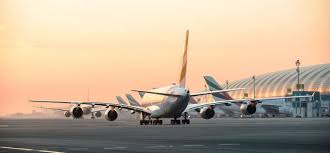 Podróże lotnicze w Dubaju osiągają szczyt tej zimy, dzięki zwiększonej łączności z Europą i krajami GCC.">

Zimowy ruch lotniczy w Dubaju osiąga nowe szczyty
Lotniska w Dubaju wchodzą w sezon zimowy 2025–26 z rozbudowaną siecią połączeń. Międzynarodowy Port Lotniczy w Dubaju (DXB) i Dubai World Central (DWC) przygotowują się na przyjęcie rosnącej liczby pasażerów. Wprowadzane są nowe linie lotnicze i trasy, a także zwiększana przepustowość, aby sprostać gwałtownemu wzrostowi popytu, szczególnie widocznemu w przypadku połączeń z Europy, Azji Centralnej i Bliskiego Wschodu.
Wzrost ruchu podróżniczego zbiega się w czasie z czynnikami sezonowymi, takimi jak chłodniejszy klimat Dubaju, bogaty program międzynarodowych wydarzeń biznesowych, sportowych i kulturalnych, a także wzrost wyjazdów wakacyjnych i migracji związanej z długoterminowym pobytem. Loty bezpośrednie stanowią obecnie 55% całkowitego ruchu pasażerskiego na DXB, co ilustruje zmianę wzorców pasażerskich i strategii linii lotniczych.
Rynki Europejskie i Azji Środkowej Napędzają Wzrost
Europa i Azja Centralna są kluczowymi czynnikami przyczyniającymi się do wzrostu ruchu lotniczego tej zimy. Linie lotnicze, takie jak FlyArystan, uruchomiły trasy z Aktau w Kazachstanie, a Austrian Airlines wznowiły częste loty z Wiednia, co świadczy o odnowionym zaufaniu do tych rynków.
Wiodący europejscy przewoźnicy zwiększają przepustowość: Virgin Atlantic wprowadził Airbusa A350-1000, zwiększając dostępność miejsc o ponad 50% na trasie do Dubaju, a British Airways wznowiło obsługę samolotami Airbus A380 z Londynu Heathrow, wzmacniając połączenie miasta z Dubajem w okresie świątecznym.
Ekspansja na Bliskim Wschodzie i w Azji Południowej – linki
Ruch regionalny na Bliskim Wschodzie i w Azji Południowej stale rośnie, wspierając dynamiczne podróże bezpośrednie. Nowe trasy z irańskich i pakistańskich miast, takich jak Sari i Lahore, zwiększyły częstotliwość i możliwości dla podróżujących, umacniając rolę Dubaju jako kluczowego węzła regionalnego.
Arabia Saudyjska pozostaje drugim co do wielkości rynkiem dla podróży lotniczych Dubaju, z niewielkim wzrostem liczby pasażerów w porównaniu z rokiem poprzednim. Natomiast DWC odnotowało gwałtowny wzrost, bo aż o 4591%, przepustowości pasażerskiej, co podkreśla jego rosnące znaczenie w ułatwianiu komunikacji wewnątrzregionalnej.
Rosnące znaczenie Dubai World Central
Dubai World Central (DWC) staje się coraz bardziej strategicznym lotniskiem, uzupełniając DXB poprzez oferowanie liniom lotniczym dodatkowej przepustowości, z naciskiem na pasażerów z WNP, GCC i Europy Zachodniej. Lotnisko obsłużyło 1,1 miliona pasażerów w ciągu pierwszych dziesięciu miesięcy 2025 roku, notując wzrost o ponad 361% rok do roku.
Linia lotnicza Eurowings rozszerzyła swoją obecność dzięki nowym, codziennym lotom ze Stuttgartu do DXB, ulepszonym połączeniom z Düsseldorfu do DWC oraz zwiększonej liczbie połączeń do różnych miast niemieckich, z włączeniem opcji premium business class na wybranych trasach.
Trendy w ruchu lotniczym i profile pasażerów
| Airport | Passenger Growth | Kluczowe Rynki | Fleet Enhancements |
|---|---|---|---|
| Międzynarodowy Port Lotniczy w Dubaju (DXB) | Loty bezpośrednie 55% ruchu, silny wzrost sezonowy | Europa, Azja Centralna, Bliski Wschód | Virgin Atlantic A350-1000, BA A380 przywrócony |
| Dubai World Central (DWC) | Wzrost liczby pasażerów o 36,61%; skok w ruchu regionalnym o 4591%. | WNP, GCC, Europa Zachodnia | Eurowings rozszerza regionalne trasy |
Kontekst historyczny rozwoju lotnictwa w Dubaju
Scena lotnicza Dubaju rozwinęła się niezwykle od czasu ustanowienia Międzynarodowego Portu Lotniczego w Dubaju jako najszybciej rozwijającego się węzła komunikacyjnego na Bliskim Wschodzie. Emirat uruchomił ambitne projekty infrastruktury lotniczej, w tym rozwój Dubai World Central, zaprojektowanego do obsługi docelowej przepustowości do 120 milionów pasażerów. Ta dalekowzroczność utorowała drogę Dubajowi do stania się jednym z największych i najbardziej zróżnicowanych węzłów lotniczych na świecie.
Historycznie, Dubaj wykorzystywał swoje korzystne położenie geograficzne, usytuowany jako pomost między Wschodem a Zachodem, co pozwoliło mu rozkwitnąć jako globalnemu centrum tranzytowemu. Inwestycje w ultranowoczesne terminale lotniskowe, w połączeniu z polityką otwartego nieba, przyciągnęły szerokie spektrum międzynarodowych linii lotniczych i tras, napędzając stały wzrost turystyki i podróży biznesowych.
Sezonowe i strategiczne znaczenie połączeń lotniczych Dubaju
Nadejście zimy tradycyjnie zwiastuje wzrost liczby podróży przez Dubaj ze względu na umiarkowany klimat i szereg globalnych wydarzeń, co czyni go ulubionym punktem tranzytowym i docelowym. Atrakcyjność miasta jest wieloaspektowa: od turystów rekreacyjnych poszukujących słońca i wyjątkowych plaż po pasażerów biznesowych uczestniczących w międzynarodowych konferencjach i widowiskach sportowych.
Ponadto, rosnąca populacja rezydentów Dubaju, w tym ekspatów i migrantów długoterminowych, przyczynia się do utrzymującego się popytu na loty wylotowe i przylotowe, podkreślając pozycję miasta jako rozwijającej się globalnej metropolii.
Prognozowanie wpływu na turystykę i aktywności żeglarskie
Wraz z rozwojem ruchu lotniczego, efekty uboczne są szeroko zakrojone w sektorach turystycznych, w tym w doświadczeniach morskich, takich jak czarter jachtów i przygody żeglarskie. Lepsza łączność i zwiększony przepływ pasażerów stwarzają nowe możliwości dla turystyki morskiej, szczególnie w nadmorskich centrach, takich jak Dubaj, gdzie przenikają się ułatwienia podróży i luksusowe formy spędzania wolnego czasu.
Lotniska w regionie, stanowiące bramę do Zatoki Perskiej i przyległych wód, są podstawą dynamicznie rozwijającego się przemysłu żeglarskiego. Turyści przylatujący za pośrednictwem tych ruchliwych sieci lotniczych często uzupełniają swoje plany podróży o aktywności morskie, takie jak żeglarstwo, wynajem superjachtów i wyprawy wędkarskie na czystych wodach Zatoki Arabskiej.
Summary and Outlook
Wzrost zimowego ruchu lotniczego w Dubaju jest napędzany głównie przez rynki europejskie i GCC, a nowe linie lotnicze i zwiększona częstotliwość lotów odzwierciedlają silny popyt na podróże. Zarówno międzynarodowe lotnisko w Dubaju, jak i Dubai World Central rozszerzają swoją rolę, a DWC staje się uzupełniającym węzłem ułatwiającym rosnącą regionalną łączność.
Patrząc w przyszłość, strategiczne usprawnienia infrastruktury lotniczej w Dubaju dobrze przygotowują go do dalszego wzrostu do roku 2026, równoważąc potrzeby podróży biznesowych i turystycznych. Ta ekspansja nie tylko umacnia status Dubaju jako wiodącego globalnego węzła lotniczego, ale także stymuluje jego prężną gospodarkę turystyczną, w tym aktywności wodne, które przyciągają entuzjastów żeglarstwa i klientów czarterujących jachty.
Dla tych, których pociągają urokliwe plaże, mariny i możliwości żeglarskie Dubaju, te inwestycje oznaczają lepszą dostępność i większy wybór w odkrywaniu bogatej oferty wybrzeża regionu. GetBoat.com to międzynarodowy rynek wynajmu żaglówek i jachtów, oferujący spektakularne możliwości korzystania z morza, słońca oraz luksusowych wrażeń żeglarskich w Dubaju i jego okolicach, idealnie dopasowanych do różnorodnych gustów i budżetów.