


 Polski
  English (UK)
  Русский
  العربية
  日本語
日本語  한국어
한국어  Magyar
  Türkçe
  Español
  Čeština
  Svenska
  Português
  Ελληνικά
  Suomi
Suomi  Nederlands
  Română
  Italiano
  Français
  Українська
  Deutsch
  简体中文
简体中文  Slovenčina
 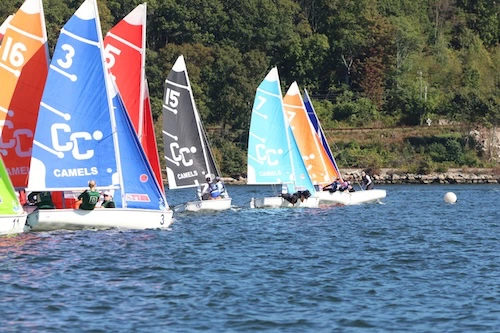 Blake Oberbauer’s Shift from Bay Sailing to College Competition">

Transporting a family J/105 from Tiburon to Hanover implies coordinating roughly 3,000+ miles of overland logistics, trailer permits, regional towing rules, and temporary storage — all before the first practice on Mascoma Lake. For a sailor moving cross-country to join a college program, those transport and marina access details are as critical as on-the-water tactics: trailer dimensions affect highway routing, state registration dictates moorage paperwork, and seasonal dock access can determine training windows.
Early foundations: home waters to organized fleets
Blake Oberbauer’s sailing foundation was laid at the family level aboard a J/105, but formal training followed the structured progression common to many U.S. juniors. Enrollment in the Optimist program at San Francisco Yacht Club introduced her to Green Fleet and race-team formats — the typical pipeline for youth sailors aiming at collegiate squads. Early exposure to dinghy racing teaches not just boat handling but also logistical habits: maintenance schedules, gear lists, and regional regatta travel plans.
Detours and decisions
Sailors often hit a crossroads in middle school or early high school; Oberbauer paused organized sailing around fifth grade and tried other sports before returning. That break illustrates a frequent reality: commitment is a choice, not merely a birthright. Once she refocused, she mapped a multi-year plan aimed at New England programs, showing how early goal-setting influences both athletic development and the practicalities of moving boats, gear, and oneself across time zones.
College transition: academics, athletics, and team logistics
At Dartmouth, course selection — from Intro to Anthropology to a Philosophy of Knowledge seminar and calculus prerequisites — competes directly with a demanding sailing calendar. A typical freshman-sailor schedule blends:
| Activity | Frequency | Uwagi |
|---|---|---|
| On-water practice | 4 days/week | Boat prep, drills, and coach-led sessions |
| Regattas | Most weekends | Travel logistics and trailer coordination |
| Conditioning | Wczesne poranki | Strength and endurance for crew roles |
| Academics | Daily | Balancing coursework with training |
The time demand requires planning not only for personal schedules but also for equipment flow: how often hulls go to repair shops, when spares are ordered, and where dry-sail storage is secured. Team upperclassmen often act as informal logistics managers — helping freshmen register boats with campus facilities, find trailer parking, and schedule classroom-friendly practice times.
Team culture and social integration
Beyond racing, the sailing team frequently becomes the social hub. Cohesion is built through shared travel to regattas, joint boat maintenance days, and informal outings — like a Halloween weekend hike to a Vermont fire tower that forged early bonds. Such off-the-water activities serve dual purposes: they strengthen team communication (which translates to better tactics on the course) and provide practical introductions to local marinas, launch sites, and lakeside amenities.
Practical notes for sailors moving to a new program
- Start early with coaches: Reach out months ahead to coordinate boat storage, transport, and trials.
- Mapa out transport routes: Trailer height and width can change which highways and bridges you can use.
- Confirm marina access: Seasonal slips, launch fees, and practice windows vary by lake and campus.
- Allocate maintenance time: Winterize, rig checks, and sail repairs need calendar slots between classes.
- Build a support network: Upperclass sailors often share rides, tools, and vendor contacts.
Logistics for small-boat programs and implications for charters and rentals
College programs that rely on dinghies and small keelboats create opportunities and constraints for local marine services and boat-rental markets. Consistent demand for winter storage, sail repair, and trailer servicing supports nearby marinas and small businesses. For platforms like GetBoat.com, an uptick in students moving for collegiate sailing can increase demand for short-term boat charters, coaching hires, and equipment rentals — and savvy operators will tailor packages around regatta calendars and training blocks.
Why it matters to renters and captains
When a college fleet needs temporary charter boats or visiting teams require support craft, captains and rental operators who understand academic calendars and regatta schedules gain a distinct advantage. Timing services for peak practice windows — and offering transport or rigging assistance — turns a one-off rental into a recurring relationship.
Lessons and takeaways
Oberbauer’s path from San Francisco Bay to Mascoma Lake shows that competitive sailing at the collegiate level hinges on more than boat speed: it’s about planning, logistics, and community. Start early, keep communication open with coaches, and remember to balance academics with athletics. As the saying goes, you don’t learn to swim by staying on the shore — but you also won’t get far without a trailer, a marina slot, and a good crew.
In short: a mapped-out plan, reliable transport for the J/105 or dinghy, and a tight-knit team culture are the backbone of a successful college sailing transition. For anyone plotting their own move into college racing — whether you aim to rent a training keelboat, charter coaching time, or secure long-term moorage — the interplay of logistics and community will shape your experience on the water, from lake and beach days to ocean and gulf regattas. Yacht ambitions and superyacht dreams aside, the fundamentals — boat care, travel, and teamwork — win races and create lasting memories.