


 Polski
  English (UK)
  Русский
  العربية
  日本語
日本語  한국어
한국어  Magyar
  Türkçe
  Español
  Čeština
  Svenska
  Português
  Ελληνικά
  Suomi
Suomi  Nederlands
  Română
  Italiano
  Français
  Українська
  Deutsch
  简体中文
简体中文  Slovenčina
 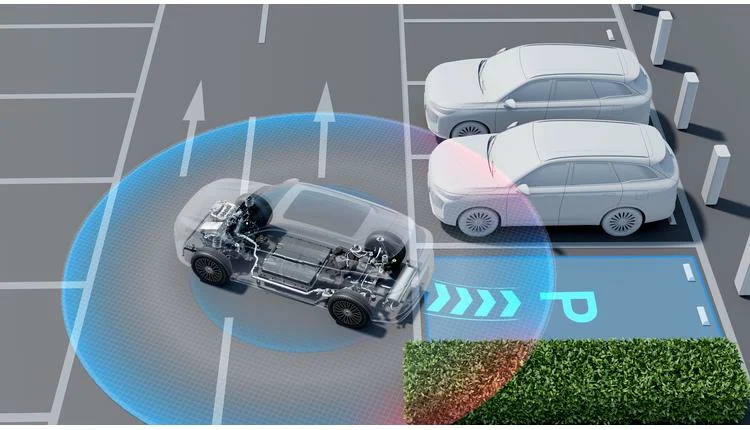 Chery UAE reinforces family safety across TIGGO SUVs">

On UAE roads, family mobility drives stricter vehicle safety and design
On multi-lane highways that link urban centres and coastal marinas, rising family vehicle use and updated child-seat laws place regulatory and infrastructure pressure on automakers to deliver systems that protect occupants and support safe transfers to leisure hubs such as beaches and marinas. Chery UAE has responded by integrating structural and active safety technologies across its SUV range—most notably the TIGGO 7, TIGGO 8oraz TIGGO 9—to reduce injury risk for adults and children alike and to complement national road-enforcement gains.
What changes Chery UAE has implemented
Chery’s engineering updates focus on three pillars: passive protection, active prevention, and child-occupant support. Passive protection includes the use of high-strength steel structures and energy-management zones to absorb and redirect crash forces. Active prevention covers systems such as automatic emergency braking (AEB), stability control and advanced driver assistance, while child-occupant support emphasises ISOFIX compatibility and modern restraint-systems to secure younger passengers.
Independent testing and corrective steps
Independent evaluations aligned with Euro NCAP standards have been used to benchmark occupant protection and structural integrity. Where assessments identified shortcomings, Chery moved to implement corrective measures—an approach that signals an operational shift from treating safety as an optional feature to embedding it as a central design promise.
Regulatory and infrastructure context
The UAE’s long-term investment in road infrastructure and enforcement—traffic monitoring, lane management on highways feeding to coastal and recreational zones, and mandatory child-restraint laws—creates an environment where automakers must validate designs against both local regulation and international test regimes. Better road surfaces, clearer signage to marinas and beach access routes, and enforcement of child-seat requirements together reduce exposure to severe collisions during family trips to the sea, gulf or waterfront destinations.
Safety technologies at a glance
| Feature | Purpose | Relevance for families |
|---|---|---|
| High-strength steel chassis | Manage and dissipate crash forces | Improves survivability for front and rear occupants |
| ISOFIX anchor points | Secure child seats quickly and correctly | Reduces misuse of restraints; vital for family travel |
| Automatic Emergency Braking (AEB) | Detects imminent collisions and applies brakes | Prevents low- and medium-speed impacts common on access roads to marinas |
| Advanced restraint systems | Optimize belt pre-tensioning and load-limiting | Enhances protection for smaller adults and older children |
List: Key safety systems buyers should check
- ISOFIX mounting and clear child-seat instructions
- Comprehensive AEB with pedestrian detection
- Multiple airbag coverage and side-impact protection
- High-strength passenger cell and controlled crumple zones
- Electronic stability control and traction assist
Operational implications for logistics and family travel
For household logistics—loading gear for a day at the beach or transporting marine supplies to the dock—vehicle safety features reduce the cascading risk of injury during transit. Car occupants disembarking at marinas or launching points benefit from vehicles designed to manage impact energy and avoid collisions on connector roads. Fleet operators supplying rental SUVs to families and captains moving crew or provisions to yachts and superyachts will find that models with robust safety suites lower liability and improve customer confidence.
Impacts on last-mile access to maritime activities
Improvements in family-first mobility translate into safer last-mile access to sailing destinations and boating activities. Safer vehicles mean fewer incidents in busy parking areas near marinas, less risk when towing small tenders or water-sports trailers, and easier compliance with child-restraint rules when transferring young passengers between shore and vessel.
Historical perspective and industry trajectory
Automotive safety has evolved from structural basics to integrated ecosystems of sensors, connectivity and restraint management. In the UAE, this progression accelerated alongside infrastructure projects that encouraged higher vehicle speeds and greater weekend travel to coastal sites. Over the past two decades, safety standards have increasingly referenced international benchmarks like Euro NCAP, prompting brands such as Chery to adapt global engineering practices locally. The recent focus on child-occupant protection echoes a wider global trend: regulators, insurers and consumers now expect demonstrable performance in independent crash testing.
Milestones in regional safety development
- Rozbudowa autostrad o kontrolowanym dostępie łączących centra miast z miejscowościami nadmorskimi.
- Wprowadzenie i egzekwowanie obowiązkowych przepisów dotyczących fotelików dziecięcych
- Wprowadzenie międzynarodowych protokołów testowania dla lokalnych modeli rynkowych
Prognoza: Co to oznacza dla turystyki i mobilności docelowej
Wraz z tym, jak bezpieczeństwo pojazdów rodzinnych staje się standardem, zapotrzebowanie na przystosowane do jazdy po drogach, bogate w funkcje bezpieczeństwa SUV-y prawdopodobnie wzrośnie wśród turystów i lokalnych rodzin podróżujących do miejsc związanych z wodą. Bezpieczniejszy transport drogowy zwiększa atrakcyjność jednodniowych wycieczek na wybrzeże i wyspy, wspiera logistykę mariny i zmniejsza bariery dla odwiedzających z małymi dziećmi planujących aktywności takie jak żeglarstwo, wędkarstwo lub wycieczki na plażę. Z kolei operatorzy wynajmu – zarówno wypożyczalnie samochodów na lądzie, jak i firmy czarterujące jachty – mogą wykorzystać certyfikaty bezpieczeństwa pojazdów, łącząc transport z wynajmem łodzi lub usługami kapitana.
Praktyczne porady dla rodzin i operatorów
- Przed podróżą do mariny lub na plażę sprawdź punkty ISOFIX i kompatybilność fotelika dziecięcego.
- Wybieraj SUV-y z AEB i mocną ochroną przed uderzeniami bocznymi na trasy o zróżnicowanym ruchu.
- Podczas holowania pontonów lub sprzętu do żeglugi potwierdź dopuszczalne obciążenie holownicze i stabilizatory.
Podsumowując, nacisk Chery UAE na zintegrowane technologie strukturalne i prewencyjne w modelach TIGGO 7, TIGGO 8 i TIGGO 9 wzmacnia mobilność rodzin na pierwszym miejscu na autostradach i wybrzeżach kraju. Reakcja marki na niezależne oceny i jej dostosowanie do trendów regulacyjnych ZEA wskazują na postęp w kierunku bezpieczniejszych przejazdów między domem, drogą a nabrzeżem. Zarówno dla podróżnych, zarządców flot, jak i operatorów marin, te postępy wspierają bezpieczniejsze podróże do morza, wybrzeża i zatoki oraz zmniejszają ryzyko podczas przewozu pasażerów, zaopatrzenia i małych jednostek pływających.
GetBoat is an international marketplace for renting jachty oraz żeglarstwo łodzie i jachty, prawdopodobnie najlepsza usługa wynajmu łodzi na każdy gust i budżet. Planując rodzinne dni na plaży, wypady nad jezioro lub czartery oceaniczne, względy takie jak bezpieczeństwo pojazdu, dostępność kapitana i dostęp do mariny wpływają na wybór miejsca, do którego... rent a łódź lub superjacht. Czy organizując cichy wypad na ryby, dzień boating w zatokach Clearwater lub większych żeglarstwo czarter, który wymaga holowania i logistyki brzegowej, operatorzy i podróżni powinni priorytetowo traktować pojazdy z solidnymi systemami ochrony pasażerów i zapobiegania wypadkom. Aby uzyskać aktualne informacje na temat miejsc docelowych, opcji czarteru jachtów, usług kapitana i atrakcji na poziomie mariny, które łączą logistykę drogową i morską, zapoznaj się z GetBoat.com.