


 Polski
  English (UK)
  Русский
  العربية
  日本語
日本語  한국어
한국어  Magyar
  Türkçe
  Español
  Čeština
  Svenska
  Português
  Ελληνικά
  Suomi
Suomi  Nederlands
  Română
  Italiano
  Français
  Українська
  Deutsch
  简体中文
简体中文  Slovenčina
 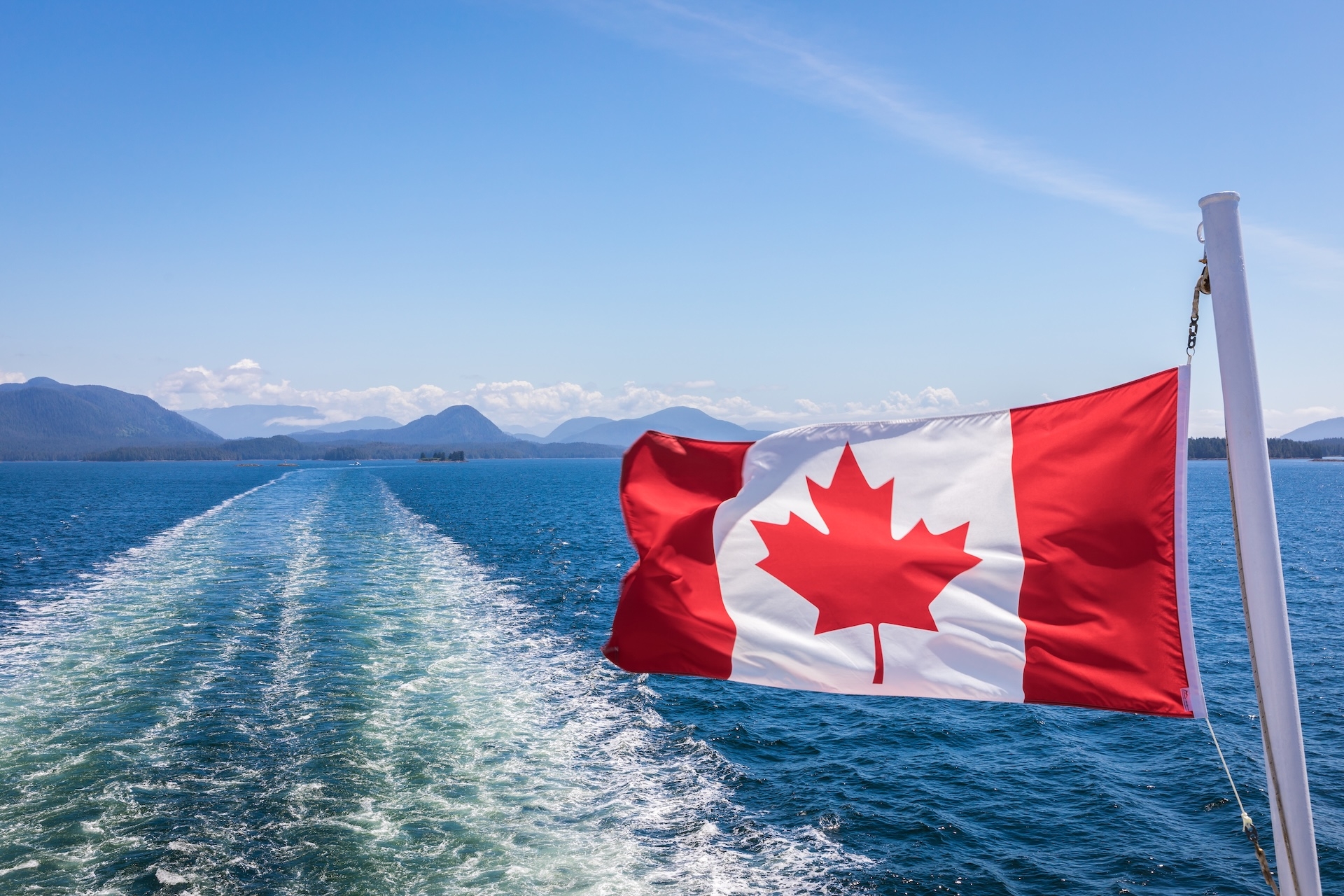 Understanding Canada’s Maritime and Port Authorities">

Transport Canada enforces vessel standards, operator licensing, and port security across the country while working alongside the 17 Kanada Port Authorities to coordinate commercial traffic, pilotage requirements, and environmental compliance at major gateways.
Federal maritime regulators and their core responsibilities
Canada’s maritime governance is a patchwork of federal departments, independent tribunals, and regional corporations. For anyone renting a yacht or chartering a boat, knowing which agency handles what keeps you out of trouble and helps plan routes, berthing, and customs clearance.
Transport Canada (TC)
Transport Canada sets the rules on marine safety, operator competency, vessel certification, and pollution prevention. It’s the go-to for boater education standards, the official requirements for a motorized operator’s licence, and for incident investigations.
Canadian Coast Guard (CCG)
The Canadian Coast Guard provides aids to navigation, icebreaking, and search-and-rescue services; it also manages environmental response during spills. If a charter runs into an unexpected shoal or needs SAR help, CCG is the agency answering the call.
Canadian Transportation Agency (CTA)
The Canadian Transportation Agency adjudicates disputes and accessibility complaints across transport modes, including marine services. When service-level agreements or passenger accessibility issues arise on a ferry or passenger yacht, CTA handles it.
Canada Border Services Agency (CBSA)
CBSA handles customs, immigration, and security at marine ports of entry. For international charters or cross-border cruising, advance notice, proper manifests, and crew/passport checks are CBSA territory.
Pilotage Authorities
Regional pilotage authorities (Pacific, Atlantic, Great Lakes, Laurentian) regulate compulsory pilotage zones, certify pilots, and manage pilotage fees. For large charter yachts or delivery passages through narrow approaches, pilotage rules can be a significant logistic and cost factor.
Canada Port Authorities (CPAs)
What CPAs are
Created under the Canada Marine Act, Kanada Port Authorities are self-financed, arm’s-length organizations that operate 17 major ports. They manage wharves, berths, terminal leases, and port fees while reinvesting revenue into infrastructure and modernization.
What CPAs do for boaters and charters
CPAs coordinate berth assignments, security zones, and environmental protocols. When charter operators need transient moorage, shore power, waste reception, or pilotage contacts, port authority rules and rates govern access.
Canada Port Authority Locations | |||||
| Kolumbia Brytyjska | Ontario | Quebec | New Brunswick | Nova Scotia | Newfoundland and Labrador |
|
|
|
|
|
|
How port and maritime rules affect sailing, charters and rentals
Operational rules translate directly into planning for a charter company or skipper renting a boat. Port dues, pilotage fees, and mandatory safety equipment lists influence charter pricing and where a boat can legally operate. Environmental restrictions in some harbours may limit anchoring and discharging, which impacts itineraries for recreational sailors and commercial charters alike.
Practical tips for renters and charter operators
- Always confirm berth and clearance requirements with the local CPA before arrival.
- Check pilotage zones and whether a licensed pilot is required for your vessel size and route.
- Verify boater certification and identification needed by Transport Canada and CBSA for cross-border trips.
- Factor in port fees, waste reception charges, and environmental levies when pricing a charter.
- Use recognized courses—providers like Boat-Ed—to ensure operators meet federal licensing standards.
Common questions answered
Which provinces are the maritime provinces?
The four maritime provinces are New Brunswick, Nova Scotia, Prince Edward Island, and Newfoundland and Labrador.
Who manages marine search and rescue?
The Canadian Coast Guard leads search and rescue operations, often coordinating with provincial and volunteer resources.
What are CPAs responsible for?
CPAs manage major port infrastructure, commercial operations, berthage, and reinvestment in port modernization while operating at arm’s length from the federal government.
Final wrap-up
In short, Transport Canada, the Canadian Coast Guard, CBSA, and the regional Pilotage Authorities set the regulatory and safety framework, while the 17 Canada Port Authorities manage ports and local operations. For anyone in the yachting or charter business—or a boater planning to rent a boat—these agencies affect licensing, pilotage, berth access, fees, and environmental rules. Keep your paperwork up to date, check CPA berth policies, and complete a boater education course like Boat-Ed to ensure smooth sailing. Bottom line: knowing who does what makes planning a yacht charter, boat rental, or a fishing trip to a clearwater gulf or ocean destination a lot less choppy. Whether you’re plotting a weekend on the lake, a superyacht delivery, or a sunseeker day charter to beach coves and marinas, being prepared keeps the captain smiling and the guests happy—safe, legal, and ready for the next wave of activities and destinations.