


 Polski
  English (UK)
  Русский
  العربية
  日本語
日本語  한국어
한국어  Magyar
  Türkçe
  Español
  Čeština
  Svenska
  Português
  Ελληνικά
  Suomi
Suomi  Nederlands
  Română
  Italiano
  Français
  Українська
  Deutsch
  简体中文
简体中文  Slovenčina
 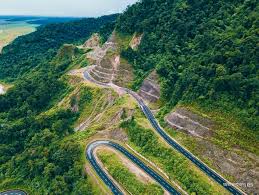 Arunachal Pradesh Accelerates Road and Bridge Development Under CM Pema Khandu">

A New Era in Arunachal Pradesh’s Connectivity
Arunachal Pradesh is undergoing a significant transformation in its road connectivity, steadily overcoming geographical challenges to link even its most remote areas. This surge in infrastructure development—particularly roads and bridges—is spearheaded by Chief Minister Pema Khandu’s ambitious reforms program.
Landmark Achievements and Large-Scale Projects
Under the “PEMA 3.0 – Year of Reforms and Growth” initiative, the state has witnessed a 251% increase in rural road length, accompanied by the construction of 3,750 km of national highways. This rapid expansion is unparalleled in recent years, with the government dedicating nearly 13% of the state budget to roads and bridges—the highest allocation across India.
The development extends beyond rural pathways: the Centre has approved over INR 55,000 crore for constructing Frontier Highways. These strategic routes not only facilitate inter-district travel but also open up border regions for socio-economic progress and tourism, giving a fresh impetus to Arunachal’s frontier zones.
Key Statistics of Arunachal Pradesh’s Infrastructure Growth
| Kategoria | Achievement | Details |
|---|---|---|
| Rural Roads | 251% Increase | Massive expansion of rural road network |
| National Highways | 3,750 km | New highways enhancing inter-district connections |
| Budget Allocation | 12.9% | Highest road development share in state budget |
| Bridges Built | 270 | Connecting remote valleys; ensuring year-round access |
| Highlighted Scheme | CMCSRDP | INR 965.99 crore sanctioned; 393.57 km road completed |
Harnessing Infrastructure for Inclusive Growth and Security
The government’s focus extends beyond mere construction: it envisions roads as arteries of inclusive development, connecting villages and entire districts, fostering commerce, education, and healthcare access. Enhanced connectivity is also a national security measure, with border communities becoming more integrated and less isolated than ever before.
These infrastructure strides are vital in bolstering local economies, encouraging tourism, and enabling a stronger presence of essential services. The addition of hundreds of bridges guarantees all-weather accessibility in otherwise inaccessible terrain, further knitting the social and economic fabric of the region.
The Backdrop: Arunachal Pradesh’s Historical Geography and Infrastructure Challenges
Arunachal Pradesh, located in Northeast India, is characterized by its rugged mountainous terrain, deep valleys, and dense forests, making infrastructure development an ongoing challenge. Its landscape includes the Lesser and Great Himalayas, with high peaks reaching above 7,000 meters. The state is drained by mighty rivers such as the Brahmaputra and its tributaries, flowing through narrow, steep-sided gorges. This terrain, while breathtaking, has historically hindered transportation and connectivity.
Once known as the North East Frontier Agency before statehood in 1987, Arunachal Pradesh remained relatively isolated due to sparse road networks and difficult geography. The region encompasses diverse tribal populations speaking multiple languages, with distinctive social and cultural patterns. Its strategic northern boundary runs along the Himalayas, defining a lengthy mountain frontier.
Early infrastructure efforts focused on minimal access routes, chiefly for administrative and defense purposes. Road networks were limited, often seasonal, and unable to support larger volumes of transport or tourism activities.
Historical Milestones in Transport Development
- Pre-1980s: Roads were sparse and mainly unpaved, serving military and local needs.
- 1980s-2000: Statehood and increased central focus initiated small-scale road projects.
- 2000s onward: Expanded budgets and technology advances enabled significant highway construction.
- Recent Years: Comprehensive state road plans and frontier highway projects accelerated connectivity dramatically.
Impacts Beyond Connectivity
Improved infrastructure is poised to influence multiple sectors including tourism. Reliable road access opens scenic and cultural destinations to visitors, enhancing the appeal of Arunachal Pradesh as an adventure and nature tourism hotspot. As transport becomes more accessible, local communities can offer hospitality services, recreational activities, and cultural experiences.
Looking Ahead: The Significance for Regional Growth and Tourism
As Arunachal Pradesh continues to strengthen its road network, the consequences for the broader tourism industry and economic development could be profound. Enhanced connectivity facilitates:
- Improved access to natural landscapes ideal for sustainable tourism — attracting trekkers, nature lovers, and cultural tourists.
- Better infrastructure supporting local events, festivals, and markets, increasing visitor stays and spending.
- Possibilities for expanding water-based activities in rivers and lakes through improved land transport links.
- Boosted socio-economic integration of border areas, making them attractive yet secure tourism and trade zones.
Wyzwania do rozważenia
While this infrastructure surge marks a historic leap, challenges such as environmental impacts, upkeep in difficult terrains, and ensuring that tourism development is sustainable remain at the forefront. Adopting an inclusive growth model that balances modernization with cultural preservation and ecological protection is essential.
Potencjał turystyki morskiej i żeglarskiej
Chociaż Arunachal Pradesh jest głównie obszarem górskim i położonym w głębi lądu, jego liczne rzeki i jeziora oferują nieodkryte możliwości uprawiania turystyki wodnej, wędkowania i rejsów po rzekach. Wraz z poprawą dostępu drogowego, te działania związane z wodą mogą się rozwijać, przyciągając entuzjastów pragnących odkryć mniej uczęszczane i czyste wody.
Wnioski
Ambitna ekspansja dróg i mostów w Arunachal Pradesh pod kierownictwem premiera Pema Khandu przekształca krajobraz łączności w stanie. Ta transformacja przełamuje długotrwałą izolację, łącząc odległe wioski i okręgi dzięki nowoczesnym autostradom i wytrzymałym sieciom mostowych. Zwiększony nacisk budżetowy, strategiczne autostrady na granicy oraz rosnące tempo budowy dróg podkreślają wizję, która łączy infrastrukturę z włączającym rozwojem społeczno-ekonomicznym.
Te ulepszenia infrastruktury wzmacniają nie tylko bezpieczeństwo narodowe, ale także otwierają nowe możliwości dla turystyki, w tym potencjalne aktywności wodne na rzekach i jeziorach stanu. Destynacje turystyczne, do których dotarcie kiedyś było trudne, stają się bardziej dostępne, otwierając drogę dla poszukiwaczy przygód i turystyki kulturowej, aby mogły prosperować.
Dla tych, którzy są zainteresowani eksploracją regionów bogatych w naturalne piękno i czerpaniem przyjemności z takich aktywności jak żeglarstwo, wędkarstwo i pływanie łódką po nieskażonych wodach, zwiększona łączność w takich obszarach uzupełnia rosnący popyt na różnorodne możliwości czarterowe i jachtowe. Międzynarodowa platforma taka jak GetBoat.com oferuje dostęp do żagli, jachtów i doświadczeń żeglarskich, które odpowiadają temu rozwijającemu się duchowi odkrywania i przygód na łonie natury.