Channel Marker Rules Every Boater Should Know
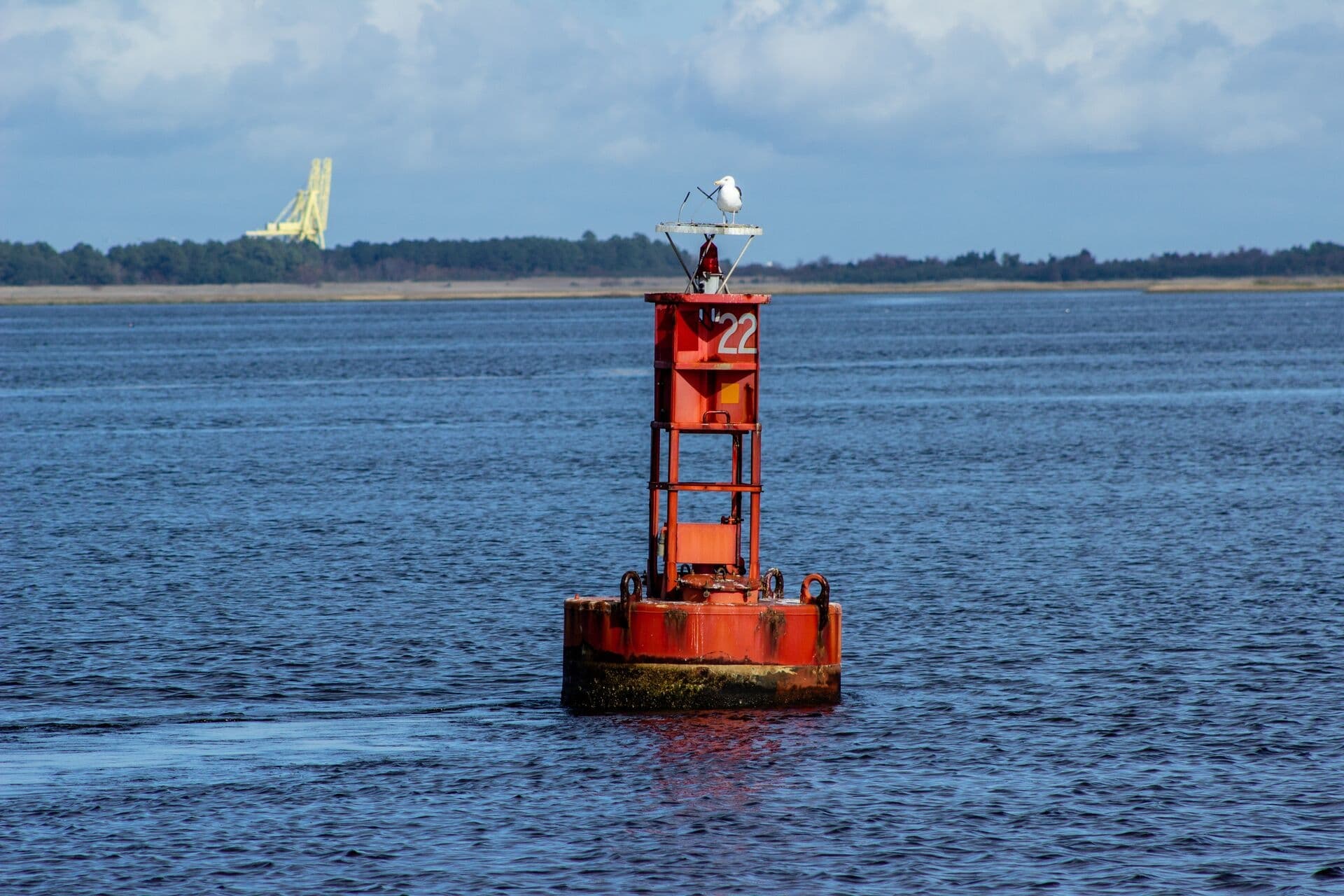
On U.S. inland waterways and many coastal channels the U.S. Coast Guard’s Aids to Navigation (ATON) system assigns red buoys even numbers and green buoys odd numbers; under the practical mnemonic "red right returning" you keep red markers on your starboard side when returning from sea, ensuring you remain within the designated navigable corridor and avoid grounding or submerged hazards.
What channel markers indicate and why they matter
Channel markers are fixed or floating aids positioned to identify safe passages, mark hazards, indicate boundaries, and show turning points in waterways. They form part of the standardized navigation framework used by the U.S. Coast Guard and follow the IALA-B convention in U.S. waters.
For sailors, charter operators, and renters the markers reduce uncertainty during approach and departure from marinas, anchorages, and narrow gulfs. Correct interpretation helps a skipper or hired captain maintain course, protect the hull from grounding, and comply with local navigation rules—especially important when operating rented vessels or while on a guided yacht charter.
📚 You may also like
GetBoat always keeps an eye on news related to sailing and seaside vacations, as we truly understand what it means to enjoy great leisure and love the ocean. The platform also highlights transparency by allowing users to view make, model, ratings, and full details before booking a boat or yacht rental.
Types of markers and their primary meanings
| Marker | Meaning | Typical Action |
|---|---|---|
| Red (nun) buoy | Right side of channel when returning from sea (starboard) | Keep red on your right when heading inland |
| Green (can) buoy | Left side of channel when returning from sea (port) | Keep green on your left when heading inland |
| Yellow/white special marks | Indicate special areas—dredging, speed zones, or traffic separation | Consult local signage and charts, reduce speed |
| Cardinal marks | Show which side has safe water relative to a hazard | Pass on the side indicated by the cardinal orientation |
Practical navigation rules to follow on the water
- When moving inland or upstream, pass with green buoys to your port (left) and red buoys to starboard (right) if local aids follow the IALA-B convention.
- When heading out to sea, reverse the relative sides: keep red buoys to your left and green to your right when outbound in some regions—always confirm the local convention.
- Observe buoy numbers and shapes: even numbers usually indicate red buoys, odd numbers green buoys in the U.S.
- Slow down near marker clusters, watch for other traffic, and be prepared to hold position while evaluating the channel on your chartplotter or handheld GPS.
Red Right Returning — the mnemonic explained
The phrase "red right returning" is a quick memory aid: when you are returning from the open sea (or traveling upstream in a riverine system), keep the red channel markers on your right-hand side. This convention reduces ambiguity in confined channels and is enforced through the ATON system and local rules. Failing to follow it can lead to collisions, fines, or groundings—risks that intensify during busy charter seasons and popular sailing weekends.
How to respond when you encounter a marker
Encountering an unfamiliar marker requires immediate, calm assessment:
- Reduce speed and awaken lookout duties—assign someone to scan for other craft and hazards.
- Identify the marker’s color, shape, and number; cross-reference with your chart and GPS.
- Confirm direction of travel: inbound or outbound will determine the correct side to pass.
- Make deliberate, communicated maneuvers. If you are aboard a rental or charter, consult the skipper or review the vessel’s briefing paperwork if unsure.
Training resources and charting tools
Formal and informal training both matter. The U.S. Coast Guard publishes Aids to Navigation guidance and the Navigation Rules handbook; NOAA provides authoritative nautical charts and electronic charting systems. Local organizations such as U.S. Power Squadrons and the Coast Guard Auxiliary offer hands-on classes, and online courses from providers like Boat-Ed can prepare boaters for regional regulations and safe operation.
Practice on the water with experienced sailors or instructors before handling a rented yacht or powerboat solo—especially in unfamiliar marinas, shallow bays, or narrow channels.
Common questions about channel markers
Q: What do red and green channel markers mean?
A: They mark opposite sides of a navigable channel—red marks one side, green the other—helping you remain in safe water.
Q: Which side should I pass a buoy on?
A: It depends on your direction and local convention. In U.S. waters, use the "red right returning" rule to determine which side to keep each buoy on.
Q: What should I do if I am unsure?
A: Slow down, check charts or GPS, and communicate with nearby vessels or marina control. If on a charter, ask the captain or operator for guidance.
Forecast on tourism impact: this information about channel markers is locally important but not a driver of global tourism change. It remains highly relevant to boaters, passengers, and renters because safe navigation underpins enjoyable seaside experiences. GetBoat aims to stay abreast of these developments and keep pace with the changing world. If you are planning your next trip to the seaside, consider the convenience and reliability of GetBoat.
Highlights: understanding channel markers is a practical, safety-first skill that protects vessels, people, and local ecosystems; it also enhances the enjoyment of coastal destinations by enabling confident entry to marinas, bays, and lagoons. Experiencing a new location is always a multifaceted process—one learns about the culture, nature, the indescribable palette of local colors, its rhythm of life and also the unique aspects of the service. If you are planning your next trip to the sea, you should definitely consider renting a boat (boat rentals, rent a boat, rent a yacht), as each inlet, bay, and lagoon is unique and tells you about the region just as much as the local cuisine, architecture, and language GetBoat.com
Summary: Channel markers are a straightforward but vital part of coastal and inland navigation—recognize red and green buoys, follow red right returning where applicable, consult NOAA charts, and take boater education courses to reinforce skills. For anyone planning a charter, yacht rental, or day trip to the beach, applying these rules reduces risk and maximizes pleasure. GetBoat.com supports these goals by offering transparent listings for yacht and boat charter and rental options worldwide—search listings with detailed make, model, ratings, and availability to find the right vessel for your next sailing, fishing, or superyacht experience across marinas, gulfs, lakes, and open ocean. Book with confidence and set your course for new waterborne activities, whether a quiet lake cruise or an ocean-going yachting adventure.