


 Polski
  English (UK)
  Русский
  العربية
  日本語
日本語  한국어
한국어  Magyar
  Türkçe
  Español
  Čeština
  Svenska
  Português
  Ελληνικά
  Suomi
Suomi  Nederlands
  Română
  Italiano
  Français
  Українська
  Deutsch
  简体中文
简体中文  Slovenčina
  Naples FL Fishing Guide – Inshore & Offshore Tips & Best Spots">

Begin with a precise plan: secure a valid saltwater permit, pick a marina with easy access, and time your launch to the tides. Check NOAA and local forecasts for southwest winds, and structure the day around two targets: a flats-and-shoreline route for nearshore species and a deep-water run for pelagic opportunities. Bring drinks, sunscreen, and a shade shelter to stay comfortable between bites.
In the nearshore zone, flats and shorelines host a varieties of redfish, snook, and speckled trout. Your communication with the crew should be crisp as you cover oyster bars and grass edges. The источник of knowledge here is a blend of marina reports, local guides, and this article, highlighting waterways that support mullet runs and tarpon migrations during seasonal shifts. Target structure with light tackle (12–20 lb) and baits such as shrimp or pinfish. Plan to fish in the early hours and again at dusk for high chances.
For deep-water options beyond the nearshore belt, plan longer trips and consider charter arrangements from Myers Marina. Offshore action centers on pelagics such as king mackerel and mahi-mahi during favorable fronts and warmer water. Use a multi-rod spread and trolling lures; maintain crisp communication with the crew and other vessels via VHF. Open-water pursuits often require adherence to state regulations and permits for protected species; always verify local rules for the season and zone.
Gear and navigation technologies support reliable results: a dependable sonar, a GPS chart-plotter, backup batteries, and properly rigged tackle for multiple presentations. Pre-load maps for the południowo-zachodni Gulf channels and waterways. Map shorelines, ledges, and grass edges to guide casts; keep a handheld VHF for shore-to-boat communication and safety updates. When conditions tighten, switch to slower, precise drifts and use realistic baits to maximize hit rates.
Article overview of current patterns and access points, drawing on multiple charter crews. It explains how to balance nearshore flats with open-water days, with notes on weather, tides, and celebrations in coastal towns. whats working this season includes live bait on calm mornings and accurate long casts to ledges; consult the источник for local catch patterns and adjust your plan based on conditions.
WELCOME TO SALTY SAM’S MARINA
Book a captained charter through getmyboat for your next coastal outing, and you’ll gain a safe, well-led experience. The marina sits along historic shorelines with protected slips and a clean, efficiently run dock, ideal for both day trips and longer explorations.
For planning, consult tripadvisor for those operator reviews; the statistical trend shows high satisfaction when crews maintain well-kept boats, clear communication, and punctual departures. Typical itineraries run within an hour or two, with options to stay longer if weather and wildlife conditions permit. Beverages are available on many vessels, and you may bring light snacks–exclusively check with the captain about onboard policies.
Onsite you’ll find diverse craft, from nimble skiffs to larger captained vessels; captains follow established safety protocols, provide life jackets, and keep gear ready behind the scenes. If you want to explore tranquil shoreline coves or push farther from the coast for deeper water, tell the captain and they’ll tailor the route. The dock staff keep the yard clean, behind the scenes logistics run smoothly, and a guard presence helps ensure calm conditions for families and groups.
When you make plans, choose the next date with confidence: dawn, late afternoon, or mid-morning departures align with tide windows and light. Those trips offer good opportunities to observe wildlife, marine habitats, and historic landmarks along the coast. After your time on the water, log your experience on tripadvisor and share details that help others plan their own trips for more wonderful and memorable adventures.
Identify Seasonal Bite Windows for Redfish, Snook, and Trout
Target the last two hours of the incoming tide and the first hour of the outgoing tide during springs and autumns to maximize action on redfish, snook, and trout along mangroves and edge-bottom drops. Presentations should stay near the bottom with a slower, steady retrieve; when a school accelerates, switch to a faster cadence. Position your boat in docking lanes for stability and use technologies like side-imaging sonar to confirm bottom structure and where bait concentrates. Ensure your gear and rig are captained for waters across the south and west coasts; rental options expand flexibility and enhance experiences. dont overlook pompano along shallow bars and the keewaydin flats during seasonal shifts. tripadvisor reviews often highlight crews that nail these windows, and a fifth star setup can make the trip smoother.
Redfish windows by seasons: springs and autumns along mangroves and west-facing flats show the most reliable action in 2–6 ft depths near channel edges. The prime bite lands on the last two hours of incoming tides and the first hour of outgoing tides. Bait choices include live shrimp or mullet; rig with a light jig and maintain contact with the bottom. In midsummer, activity tends to shift to dawn and dusk near deeper docks and canal mouths; cover water with a faster cadence to locate moving schools. Pompano frequently frequent shallow bars in spring, so stay alert for opportunities to shift targets if redfish push the bite.
Snook windows start in springs with pre-spawn activity along passes, bridges, and mangrove shorelines; fall yields post-spawn bites in similar zones. Winter fish favour sheltered coves and waters that stay above roughly 60–65F; best action returns at dawn and during night hours in warmer months. Use live bait or soft plastics with a heavier rig to hold current near structure; keewaydin coastlines offer solid options. Must follow local rules and allowed times for nocturnal fishing, and plan accordingly with a captained craft.
Speckled trout show in springs and falls along channel edges and grass flats in about 2–5 ft of water; winter fish lie deeper near channels or around floating structure. Focus on dawn and dusk feeding windows, then switch to bottom-bouncing plastics as light climbs. Topwater lures perform well in low light, transitioning to soft plastics later in the day; work the bottom along shell banks and mangroves to connect with slow-moving trout.
To act on this, map bottom contours with technologies and find pockets where current and structure converge. Start mostly in south and west waters, and keep your crew tight with a captain-led plan. Your rental craft and guiding amenities ensure a smoother experience, and international experiences and tripadvisor reviews reward those who choose well; ensure your plan begins with the spring windows and continues through the fifth star portions of your trip.
Top Inshore Spots Within 20 Minutes of Salty Sam’s Marina
Recommendation: Begin at Honeysuckle Cove at first light for immediate action; access from the southwest channel is straightforward, and the shallow edge is used by a wide line of vessels to chase redfish, snook, and trout. The purpose is to maximize bites during the early hours; cruises should stay within 20 minutes of the marina, which keeps fuel use and wear low. For qualified anglers, the bite can be steady; plan a quick run between this site and nearby locations for a wonderful concentration of action. Hours of peak activity run from dawn through mid-morning; leave the site before the strong afternoon current. Tours and charters operate with consent from harbor authorities; communication with crew remains critical to avoid collisions; a good line of sight and trolling plan will produce consistent action without disturbing wildlife. This approach is definitely made for cruising along the shoreline with a similar plan, providing good action across a southwest-facing shoreline.
Within the 20-minute envelope, nearshore locales offer reliable action across conditions. Similar setups share mud flats and seagrass edges, which concentrate bait and provide ambush points for predatory species. This plan emphasizes access, action-focused tactics, and staying close to the coast to keep the pace efficient and enjoyable for a range of anglers.
| Lokalizacja | Approx. Reach (min) | Depth (ft) | Target Species | Ideal Hours | Access/Notes |
|---|---|---|---|---|---|
| Honeysuckle Cove | 8-12 | 6-12 | Snook, Redfish, Seatrout | 7-11 AM | Southwest channel entry; easy entry from godfrey dock; use light tackle; avoid wildlife disturbance |
| Seagrass Flats / Mangrove Edge | 10-15 | 4-8 | Redfish, Seatrout, Tarpon juveniles | 7-11 AM; 3-6 PM | Protected, shallow pockets; anchor gently; reduce seagrass impact; quiet approach |
| Tin City Channel Mouth | 12-18 | 10-15 | Spotted Seatrout, Snook, Lane Snapper | 9 AM-12 PM; 3-6 PM | Tide-driven; watch traffic; versatile for soft plastics and jigs |
| Governor’s Cut Vicinity | 15-20 | 8-14 | Snook, Redfish, Sheepshead | 6-10 AM; 4-7 PM | Longer run; deeper water; access via godfrey dock; mind currents and vessel traffic |
Offshore Gear Setup: Rods, Reels, Lines, and Baits for Naples Deep Sea
Users asked which configuration handles the largest targets; the answer is a 50-80 lb class combo: a fast-action main rod, a high-capacity conventional reel in the 4.0-1 to 4.5-1 range, 200-300 yards of 80 lb braided line, and a 60-100 lb fluorocarbon leader 4-6 ft long. Pair live-bait hooks (5/0-8/0) with 4-6 oz sinkers for steady slow-pulls, and keep a skirted trolling lure ready for speeds around 6-9 knots. This setup covers nearly all trips and keeps options open in several weather windows.
Wędziska i kołowrotki: wybierz szybką, mocną wędkę trollingową o długości 1,98–2,29 m (6’6″–7’6″) w połączeniu z kołowrotkiem tradycyjnym klasy 50-80 lb lub kołowrotkiem o dużej pojemności 80 lb na duże cele. Nawijaj 200-300 jardów plecionki o wytrzymałości 80 lb; przymocuj przypon fluorocarbonowy o wytrzymałości 60-100 lb o długości 1,2-1,8 m (4-6 stóp). Siła hamulca powinna być testowana przy 25-30 lb na zestawach 80 lb. Do lżejszych prac weź ze sobą zestaw spinningowy 20-40 lb z przyponem 30-60 lb. Opcje marek obejmują Penn, Shimano, Daiwa i Avet; przetestuj kilka, aby sprawdzić trwałość. Kołowrotki powinny działać płynnie przy prędkościach trollingowych około 6-9 węzłów; upewnij się, że żyłki są czyste i wolne od skręceń.
Żyłki i węzły: linka główna plecionka 23-36 kg, przypon fluorocarbon 27-45 kg, 1,2-1,8 m. Do cięższych celów, takich jak duże graniki lub seriole, zwiększ grubość przyponu do 45-59 kg. Używaj mocnych połączeń, takich jak węzeł FG lub podwójny uni. Opcje zestawów gruntowych obejmują ciężarek o wadze 170-340 gramów zapewniający kontakt z dnem, podczas gdy podczas trollingu używa się woblerów głębokowodnych lub przynęt z frędzlami. Pozycjonowanie w pobliżu kanału łachy piaskowej zwiększa prezentację przynęty i celuje w większe gatunki.
Przynęty i taktyki: żywe przynęty to szprotki amerykańskie, sardynki, sapsyny i paski kałamarnicy; cięte przynęty, takie jak cefal i bonito, sprawdzają się na dnie. Używaj haczyków z okrągłym oczkiem w rozmiarach 5/0–8/0 do żywych przynęt; obciążników dennych o wadze od 6 do 8 uncji do zestawów blisko konstrukcji. W oknach wiosennych i letnich wczesnym rankiem lub późnym popołudniem brania wokół łachy piaskowej mogą się nasilić; miej pod ręką chłodziarkę z napojami dla załogi. Marina Keewaydin służy jako popularny punkt startowy; znajomość godzin jej otwarcia pomoże ci zaplanować zatankowanie i zaopatrzenie. Źródłem tych zaleceń są testy w terenie przeprowadzane przez załogi podczas prawie każdej wyprawy; dostosowują oni konfiguracje do warunków i gatunków, na które polują.
Pływy, światło i pogoda: Strategie połowów przybrzeżnych w Neapolu w zależności od pory dnia
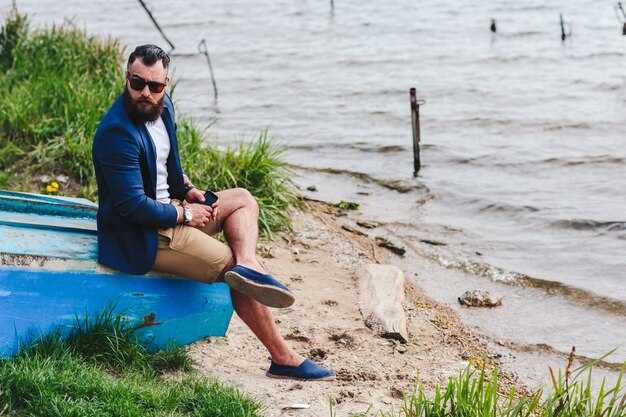
Zacznij o świcie wzdłuż nabrzeżnych uskoków i spadków kanałów, zakotwicz 7-metrową łódź na skraju i przesuwaj przynęty w kierunku dna, gdzie prąd tworzy korytarze żerowania. Używaj plastikowych imitacji krewetek lub małych łyżek i trzymaj łódź blisko konstrukcji, aby woda pozostała czysta dla dzieci na pokładzie. Wędkarze, którzy zazwyczaj trzymają się tego planu, obserwują reakcję kulbinów i innych celów żerujących przy dnach w ciągu 15–30 minut.
Późnym rankiem, kąt padania słońca uwidacznia żerowiska wzdłuż brzegów namorzynowych i frontów wysp. Płyń wzdłuż południowych brzegów, gdzie woda nagrzewa się najszybciej; zmień przynęty na płytko schodzące woblery lub miękkie przynęty 60-120 cm nad dnem, dopasowując prędkość do prądu. W czystej wodzie najlepiej sprawdzają się naturalne kolory; w mętnej wodzie wybierz kolory chartreuse lub o wysokim kontraście, aby sprowokować brania.
Południowe i późne okna czasowe przesuwają się w kierunku barów z ostrygami i zatopionych garbów w pobliżu nabrzeża; powoli troluj małymi łyżkami lub pracuj na żywych krewetkach w poprzek uskoków, gdy światło jest delikatne. Szpadel ryba, jacki i snooki mogą brać, gdy dzień gaśnie; utrzymuj lekki sprzęt i kołowrotki gotowe na szybkie branie.
Wybór sprzętu ma znaczenie: pontony i 24-stopowe łodzie z konsolą centralną stabilizują rzuty z pewnej platformy, ułatwiając rodzinom korzystanie z nich bez zmęczenia. Dzieci mogą uczyć się wiązania węzłów i pracy z przynętami na spokojnej wodzie, a dreszczyk emocji pojawia się wraz z solidnym braniem w pobliżu pylonów mostu lub ławicy ryb.
Aby rozszerzyć plan, powiążmy świat Juliana z ofertą Boca: Julian wymienia punkty dostępu do nabrzeża, wyspy i szlaki śródlądowe; unikalna sieć oferuje niekończące się możliwości na wodzie i udany dzień z kulbinem i innym życiem morskim. Chcesz szybką mapę? Skorzystaj z linku i wyznacz trasę przez południowe wody, gdzie płytkie łachy kryją ryby w pobliżu wysp.
Dostęp do Mariny Słonego Sama: Rampy Spustowe, Doki i Czartery
Zarezerwuj czterogodzinny poranny czarter już dziś. Bezproblemowy dostęp, łatwe w użyciu rampy i elastyczne wypożyczalnie pozwalają Twojej rodzinie rozpocząć eksplorację w ciągu kilku minut – zarezerwuj za pośrednictwem oficjalnej strony internetowej lub TripAdvisor, aby zarezerwować godziny i typ jednostki.
- Rampy: dwa gładkie, szerokie betonowe podjazdy z obsługą na miejscu w godzinach szczytu; najlepszy dostęp przy średnim poziomie wody i lekkim porannym wietrze.
- Doki i stanowiska: pływające pomosty palcowe wzdłuż chronionego basenu; stanowiska o rozmiarach odpowiednich dla łodzi typu bowrider aż po większe konsole centralne średniej wielkości; dostęp do wody i zasilania brzegowego na wybranych stanowiskach; ochrona na miejscu dla bezpieczeństwa.
- Wynajem łodzi: od bowriderów idealnych na niezobowiązujące dni po większe łodzie z konsolą centralną na dłuższe rejsy; ulubione łodzie rodziny Myers to zazwyczaj łodzie o średniej i dużej pojemności, idealne do eksploracji linii brzegowej i rodzinnych wypadów.
- Oferta czarterowa: rejsy z kapitanem od wczesnych godzin porannych; wybierz trasę blisko brzegu, aby zwiedzić kilometry linii brzegowej, lub zaplanuj dłuższą trasę do najbardziej znanych miejsc w regionie; dostępność na dzisiaj można sprawdzić na stronie internetowej lub w serwisie TripAdvisor.
- Życie morskie i trasy: spodziewaj się delfinów towarzyszących rejsowi; celuj w gatunki denne takie jak graniki w pobliżu półek skalnych; monitoruj lokalne mapy, aby pozostać na produktywnej strukturze dna; przestrzegaj przepisów morskich i wytycznych bezpieczeństwa podanych na nabrzeżu.
- Praktyczne wskazówki: zacznij od rampy z przygotowaną listą kontrolną, weź krem z filtrem, kapelusze i wodę; strażnik może pomóc w parkowaniu pojazdów i przyczep; zaplanuj wizytę w Keewaydin i historycznych zatokach.
- Rezerwacja i ceny: stawki różnią się w zależności od klasy łodzi i sezonu; rezerwacje oszczędzają czas; wypożyczalnie obejmują kamizelki ratunkowe i podstawowy sprzęt bezpieczeństwa; mogą obowiązywać opłaty za paliwo i mariny.
Tysiące zaufało Salty Sam’s, wyruszając na przygody o świcie wzdłuż kilometrów linii brzegowej i na okoliczne wody. Ta marina gościła tysiące rodzinnych wycieczek i ta liczba ciągle rośnie. Aby sprawdzić aktualną dostępność, odwiedź oficjalną stronę i listę TripAdvisor i przeczytaj, co rodzina Myers i inni żeglarze mają do powiedzenia o swoich doświadczeniach.