


 Polski
  English (UK)
  Русский
  العربية
  日本語
日本語  한국어
한국어  Magyar
  Türkçe
  Español
  Čeština
  Svenska
  Português
  Ελληνικά
  Suomi
Suomi  Nederlands
  Română
  Italiano
  Français
  Українська
  Deutsch
  简体中文
简体中文  Slovenčina
 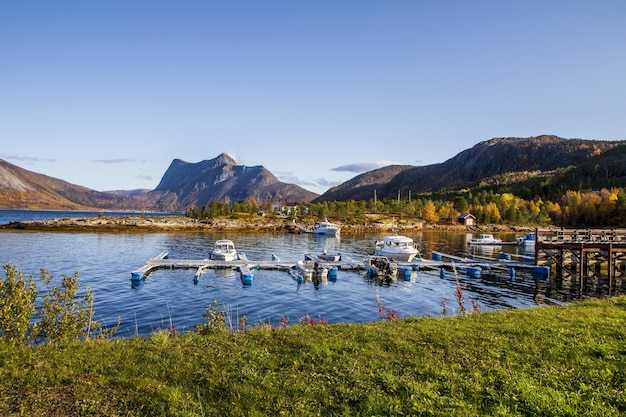 Must-See Attractions at Lake Superior USA in October">

Rozpocznij od samodzielnej wycieczki po jesiennych kolorach wzdłuż brzegów jeziora Superior: zacznij w Bayfield w stanie Wisconsin i jedź na południowy zachód w kierunku Ashland i Apostle Islands. Ta krótka trasa zapewnia dostęp do bogatych jesiennych kolorów dębów i klonów, z kilkoma łatwymi wędrówkami po wzgórzach i punktach widokowych.
Pictured Rocks National Lakeshore w pobliżu Munising oferuje dramatyczne klify i dostępne szlaki turystyczne w tym sezonie. Wybierz guided lub samodzielny opcja zwiedzenia Chapel Falls, Miners Castle i Mosquito Falls krótkimi szlakami. Miej oko na światło dzienne (około 9–11 godzin na początku października) i spakuj warstwy ubrań na temperatury w zakresie 40–50°F.
Na Wyspach Apostolskich jest to idealne miejsce na short wycieczka łodzią do jaskiń morskich lub rejs do latarni morskiej. Tickets są ograniczone w październiku, więc zaplanuj z wyprzedzeniem i zarezerwuj wycieczkę, która pasuje do twojego tempa. Dla samodzielny option, przespaceruj się po nabrzeżu Bayfield i odwiedź источник dla lokalnej historii i przystanków na zakupy w towns wzdłuż wody. To offering zapewnia różnorodność bez rezygnacji z komfortu.
Po drugiej stronie granicy, w Górach Porkupin w Michigan, znajdziesz rich mieszanka wzgórz i peaks kolorowe dęby i klony. Opcje szlaków wahają się od 2 do 5 mil, z kilkoma short trasy pętlowe, aby cieszyć się jesiennymi krajobrazami bez nadmiernego wysiłku. Sprawdź w punktach strażników leśnych aktualne warunki i możliwe zamknięcia oraz uważaj na wczesny śnieg na wyższych wysokościach.
Zaplanuj obowiązkowe przystanki w południowo-zachodniej części: port Bayfield, jaskinie morskie Apostle Islands i brzeg Pictured Rocks w Górnym Półwyspie. average W październiku temperatura w dzień wynosi około 10°C, a w nocy spada do 0–5°C; zabierz ze sobą warstwową, wodoodporną odzież i aparat fotograficzny, aby uchwycić kolory, które nigdy nie blakną w obiektywie. Rozważ wizyty o świcie lub zmierzchu, aby uzyskać najlepsze światło, zwłaszcza nad wodą i dęby stoi wzdłuż szlaków.
Praktyczne wskazówki: rezerwuj tickets na wycieczki łodzią, sprawdź wystawy muzealne w mieście i uwzględnij krótsze godziny dzienne. Miejscowości nadbrzeżne wzdłuż południowo-zachodni oferować gorące napoje, lokalne wypieki i widoki zachodzącego słońca. Pewny источник informacje o pogodzie i otwarciu szlaków można znaleźć w lokalnym centrum informacji turystycznej lub na stronie internetowej parku.
Jezioro Superior w październiku: Przewodnik praktyczny
Zacznij od poranka nad brzegiem jeziora i szybkiego wejścia na Brockway Mountain Drive, aby podziwiać najbardziej lśniące jesienne kolory. Październikowe światło nad Jeziorem Górnym ogrzewa brzozy i sosny, tworząc idealny nastrój na Twój dzień.
Kup bilety z wyprzedzeniem na wycieczki z przewodnikiem po wrakach statków lub wybierz się na wędrówkę brzegiem jeziora z łodziami przewożącymi turystów do miejsc wraków wzdłuż jeziora. Jeśli wolisz suchą opcję, połącz spacer po wodospadzie z krótkim rejsem, aby uzyskać kompaktowy, niezapomniany plan podróży.
Odwiedź zabytki wzdłuż wybrzeża i zwróć uwagę na pomnik upamiętniający erę żeglugi. Wraki statków, o których dowiesz się od strażnika parku lub lokalnego przewodnika, odsłaniają historyczne serce regionu, a widoki na jezioro wzmacniają poczucie przynależności do miejsca dla odwiedzających.
Aby spędzić dzień pełen kolorów, zarezerwuj wycieczkę koleją do kanionu Agawa z Sault Ste. Marie; podróżni zobaczą spektakularne jesienne liście wzdłuż ścian kanionu. W pobliskich centrach dla zwiedzających i sklepach z pamiątkami znajdziesz lokalne rękodzieło, kubki i pocztówki, które pozwolą ci zapamiętać tę podróż, a Twój zakup wspiera społeczność.
Praktyczne wskazówki: w październiku długość dnia waha się od około 10 do 11 godzin na początku miesiąca do około 9 godzin pod koniec października. Ubieraj się warstwowo, załóż wiatroodporną kurtkę i wodoodporne buty; zabierz ze sobą czapkę i rękawice na poranne i przybrzeżne wiatry. Planuj przystanki wzdłuż jezior, aby zmaksymalizować światło i zminimalizować cofanie się. Bądź czujny na zmieniające się wiatry na jeziorach podczas przemieszczania się między punktami widokowymi. Ta część dnia może być krótka, ale bogata w krajobrazy.
Pomysł na trasę: rozpocznij w pobliżu Two Harbors lub Duluth, jedź wzdłuż brzegu jeziora do Pictured Rocks National Lakeshore, a następnie dodaj wycieczkę łodzią po wrakach statków z Munising jako finał. Po drodze zobaczysz brzozy, wodospady i ślady dziedzictwa żeglugowego; ta pętla zapewnia wszechstronne wrażenie okolicy dla większości podróżnych.
Najlepsze miejsca do podziwiania jesiennych kolorów i malownicze punkty widokowe
Zaplanuj dwudniową wycieczkę wzdłuż jeziora Superior, zaczynając od Wysp Apostolskich, aby zobaczyć bogate w kolory drzewa liściaste rozciągające się wzdłuż linii brzegowej i skorzystać z cotygodniowych promów, które łączą Bayfield z kilkoma punktami widokowymi. Szczyt sezonu zmienia się w zależności od lokalizacji, dlatego zaplanuj trasę, która obejmuje Wisconsin, Michigan i objazd przez granicę do Ontario, aby zobaczyć pełną paletę barw.
Wybrzeże Apostle Islands oferuje krótkie wędrówki z rzeźbionymi drewnianymi platformami, które otaczają morskie jaskinie i smagane wiatrem sosny. Wybierz kilka spacerów o zachodzie słońca i spacer brzegiem morza wzdłuż linii latarni morskich, aby zrównoważyć dzień, z możliwością przeskakiwania między zatoczkami, gdy zmienia się światło.
W Pictured Rocks National Lakeshore w pobliżu Munising jesienne kolory wspinają się po klifach, przeplatając się przez gaje drzew liściastych, gdy wodospady przeszywają poranne powietrze. Wybierz się na rejs statkiem, aby podziwiać kolory z głębi, i wejdź na punkt widokowy na klifie, aby podziwiać rozległe widoki na jezioro.
Park Stanowy Porcupine Mountains Wilderness w Michigan’s UP oferuje pagórkowate wzgórza i długie, panoramiczne skarpy. Wybierz krótkie, łatwe wędrówki na szczyt Summit Peak i korzystaj z utwardzonych dróg parkowych, aby dotrzeć do wielu punktów widokowych, aby uzyskać pełną perspektywę czerwonych, pomarańczowych i złotych pasm wzdłuż linii brzegowej.
Na transgraniczny objazd, odwiedź obszar kanionu Agawa w prowincji Ontario. Kanadyjscy podróżnicy mogą przejechać się koleją Agawa Canyon Tour Train, aby podziwiać październikowe kolory, a następnie zwiedzić pobliskie miasta Ontario, aby doświadczyć zwartego, wysoce kontrastowego połączenia lasu i wody.
Surowe brzegi Isle Royale stanowią cichsze tło, gdzie frachtowce przesuwają się po szlakach żeglugowych, a sporadyczne latarnie morskie przerywają horyzont. Widok z odległej platformy brzegowej ukazuje głębię kolorów, która odzwierciedla jezioro, idealną dla wiekowych sosen i refleksyjnej wody.
Zaplanuj podróż wokół jesiennych wydarzeń kolorystycznych w małych miasteczkach wzdłuż wybrzeża i zachowaj elastyczny harmonogram, aby ścigać świeże światło po porannej mgle. Spakuj warstwy ubrań, wodoodporne obuwie i aparat fotograficzny, który poradzi sobie z szerokimi panoramami i szczegółami liści z bliska, a następnie pozwól, aby dni ciągnęły się wzdłuż kilometrów linii brzegowej.
| Spot | Okno Szczytowych Kolorów | Dostęp i punkty widokowe | Notable Features |
|---|---|---|---|
| Apostle Islands, WI | Późny wrzesień – połowa października | Baza Bayfield; utwardzone ścieżki; cotygodniowe promy; wiele platform widokowych | Jaskinie morskie, latarnie morskie, odbicia w jeziorze |
| Pictured Rocks, MI (Munising) | Wczesny – połowa października | Wycieczki łodzią lub trasy kajakowe; punkty widokowe na klify; krótkie szlaki | Wodospady wzdłuż klifów z piaskowca |
| Mid – Late Oct | Hills, paved park routes; short hikes to overlooks | Broad panoramas, extensive color on forested ridges | |
| agawa Canyon, Ontario | Mid – Late Oct | Agawa Canyon Tour Train; accessible overlooks; short paths | Vivid maple colors; canadian landscape; ontarios towns nearby |
Top October Trails, Waterfalls, and Coastal Drives
Start your October Lake Superior circuit with Gooseberry Falls State Park and Split Rock Lighthouse State Park for a classic North Shore combo that delivers color, coast, and easy access.
Gooseberry Falls State Park offers an easy, family-friendly loop that reveals several cascades as the leaves blaze along the river corridor. Park at the visitor center, take the boardwalks to accessible overlooks, and then return via a shaded stretch that follows the river through pine and birch. The setting is ideal for catching early-morning light, and the scene acts as a great primer before you chase more distant lakeside viewpoints.
Split Rock Lighthouse State Park provides dramatic lake views from public overlooks and a short, well-signposted trail to the lighthouse itself. It’s a favorite stop for riders on motorcycles and for families seeking a compact coastal outing, with photo opportunities at times of golden hour that rarely disappoint. The route along this stretch follows the rugged shoreline and offers ample chances to compare color palettes at different times of day.
In Michigan’s Upper Peninsula, Munising Falls offers a quick, self-guided loop just outside town, perfect for a morning stretch. From Munising, the Lake Superior shoreline reveals towering cliffs and sea caves along Pictured Rocks National Lakeshore; choose several public vantage points looking through the spray and fall colors, or hop on a short boat or kayak excursion if weather allows. This cluster presents many options and lets you mix long and short looks as you go through the day.
Tahquamenon Falls State Park in Paradise hosts a massive amber-hued main fall and a separate lower fall area connected by a forested trail. Use the self-guided boardwalks to compare viewpoints, while autumn light follows the river and adds contrast with the bright foliage. This site gathers dozen overlooks and a steady stream of visitors, making it a reliable centerpiece for your October plan.
Bond Falls in Ontonagon County offers a tidy cascade and a handful of easy loops, with viewing platforms arranged along the path. The area pairs well with nearby trailheads and roadside markets, forming a compact waterfall stop that fits neatly into a larger lakeside itinerary. It’s enough to satisfy a quick craving for water, while still leaving energy for the next scenic stretch.
The Apostle Islands coastline near Bayfield, Wisconsin, supplies a scenic coastal drive along the Lake Superior shore, with lighthouses dotting the peninsula and sea caves accessible from public boat ramps and kayak launches. Take the Bayfield-to-Madeline Island ferry when weather allows, and opt for a self-guided byway that reveals red pines, dramatic coves, and occasional historic train routes repurposed as rail-trails that invite you to ride, stroll, and look, through a region rich with choices and return viewpoints. This route offers many overlooks and a dozen spots to pull over, depending on the light and your pace.
источник notes that agawa rail corridors helped shape the region’s trail network, and today you can explore those lines as a self-guided loop that follows the coast and lakes. If youre planning a tight schedule, pack enough layers, a camera, and a spare battery; the byways reward patient looking and patient waiting, as the light shifts at just the right times and gifts you with a few unforgettable moments. Youre set to collect memories, mine a rich stash of photos, and enjoy the season’s great display of color, water, and rugged coast.
What to Pack, Water Temperatures, and Safety Tips
Pack a waterproof, insulated jacket with a warm mid-layer before heading to Lake Superior in October.
Water temperatures along most locations run about 45–55°F (7–13°C) in October, with near-shore pockets reaching the upper 50s on sunny afternoons. Strong northwest winds can make the air feel much colder, so plan to stay warm and dry all day.
Here follows some practical notes for travelers looking to maximize comfort here at the most scenic parts of the location, including lighthouses, shipwrecks, and heritage sites. Some tips appear below in a ready-to-use list:
- Clothing and layering
- Base layers: 2–3 sets of moisture-wicking tops and bottoms (synthetic or merino).
- Mid-layers: fleece or light down for deep cold snaps.
- Outer shell: waterproof and windproof, preferably breathable.
- Bottoms and footwear: 1–2 pairs of water-resistant pants, 1 sturdy pair of waterproof hiking boots with good tread, plus dry socks for evenings.
- Accessories: hat, gloves, scarf, and sunglasses; pack a spare pair of socks in a dry bag.
- Extras: credit card and some cash for park fees, vending, or emergency purchases.
- Water safety and mobility
- Always wear a PFD on boats or near open water; keep a whistle accessible and check currents and wave heights before approaching rocky shores where shipwrecks or submerged hazards may exist.
- Avoid slick granite or wet granite ledges; choose paved or well-marked trails when possible to view deep coves and bays.
- Be mindful of restricted areas around historic mine sites and protected zones; stay on marked paths and respect signage.
- On-land viewing and navigation
- Opt for paved trails or boardwalks when foliage is at its peak to maximize comfort and safety while still enjoying the views.
- Carry offline maps and a charged phone; a compact compass helps if service drops, and a small tripod or monopod assists with steady shots of lighthouses, shipwrecks, and heritage structures.
- Identify a few local viewpoints with platform overlooks to balance photo opportunities with safe distances from the edge.
- Accessories and safety essentials
- Headlamp with extra batteries, a compact first-aid kit, and a small emergency blanket.
- Water bottle, high-energy snacks, and a lightweight rain cover for your pack.
- Camera or phone protection in a dry bag; consider a gift for kids or volunteers if you encounter organized tours or online fundraising events.
Here’s a concise takeaway for travelers: prepare for rapid weather shifts, respect hazardous zones near lighthouses and shipwrecks, and keep your kit ready for a day that blends adventure with heritage and scenery.
Wildlife Viewing and Birdwatching Hotspots in Autumn
Begin with a dawn lakeshore walk along the rocky eastern shore to spot migrating waterfowl; this approach gives visitors close looks as the current lifts the mist.
Here, birches glow with autumn foliage while warblers and thrushes flit through the canopy; this route has been favored by locals for decades.
Head to brockway, located where a historical lighthouse and monument anchor the coastline; this area usually attracts fall visitors, and wave spray adds drama to early-morning views.
Between the rocky shoreline and sheltered coves, short drives along the road yield chances to spot red-tailed hawks, bald eagles, and a steady procession of dabbling ducks on sunny afternoons; as the day progresses, the scene becomes calmer.
In the valley overlooks, listen for thrushes and finches; distant thunder from autumn storms can trigger sudden flurries of shorebirds along the water’s edge. Check the current local guides for specifics on roosting spots near here, where foliage frames action and current reports highlight concentrations just offshore along the eastern stretch.
Lake Superior Size: Quick Facts on Surface Area, Depth, and Volume
Know this: Lake Superior spans about 82,100 km² (31,700 sq mi), reaches a max depth of 406 m (1,333 ft), and holds roughly 2,900 km³ of water. That scale makes the lake larger than New Jersey by surface area and shapes how you plan a fall visit here in the country’s northern region.
For hikers, that size translates into some long, natural shores along Minnesota’s lakeshore. You can hike into coves and forests, enjoy views, and visit centre oraz museum exhibits along the coast. The region offers historical sites that span ages, reflecting Indigenous heritage and maritime life that shaped the lake.
Depth and volume figures matter: the average depth sits around 147 m (482 ft), with a max depth of 406 m (1,333 ft). The lake’s volume is about 2,900 km³, which influences water turnover and regional climate.
In October, plan a route that blends hiking, lighthouse visits, and museum exhibits along Minnesota’s lakeshore. Access key sights such as the Split Rock Lighthouse; events and guided tours appear on local calendars. Some displays mention Marie, a historical figure, which adds a personal angle to the regional history you’ll learn here.
For more specifics on surface area, depth, and volume, consult reliable websites and museum pages; they provide maps, interactive exhibits, and access to hours of operation. Use the centre guides to connect with regional partners across the country; the blend of natural and cultural assets makes this a must-see in October.
Visit Lake Superior with its unique size as a guide: plan a hike, visit a lighthouse, and explore a museum to see how such a massive water body shapes a region. The experience balances rugged scenery with accessible centres, events, and sites that highlight views and history you can share with others.