


 Polski
  English (UK)
  Русский
  العربية
  日本語
日本語  한국어
한국어  Magyar
  Türkçe
  Español
  Čeština
  Svenska
  Português
  Ελληνικά
  Suomi
Suomi  Nederlands
  Română
  Italiano
  Français
  Українська
  Deutsch
  简体中文
简体中文  Slovenčina
 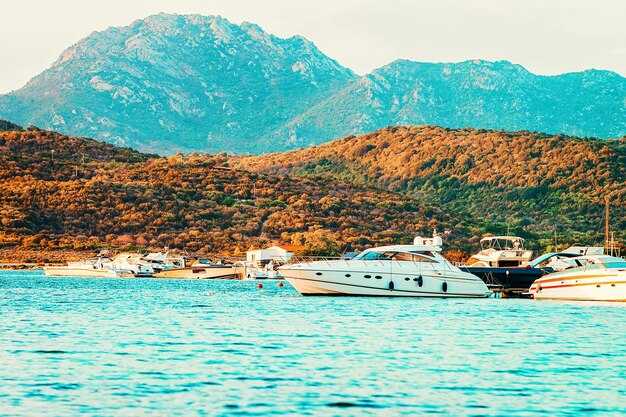 Mediterranean Yacht Charters – Luxury Yacht Hire in Greece, Italy, and the Riviera">

Choose a tailored Greek island charter for your first Mediterranean luxury experience. With the largest selection of vessels across the Cyclades and Ionian, you can cruise between white-washed towns and crystal coves at a relaxed pace. A 40–60 m yacht offers generous outdoor decks for social hours, while a 24–30 m option delivers a more intimate, blissful vibe. For instance, start in Mykonos, sail to Santorini, then chart a course to Paros or Naxos as weather permits, all while the captain tunes the schedule to winds and skies, creating a paradise of sun and sea.
In italian shores, the Riviera and Amalfi Coast offer a world-class blend of cuisine, coastline drama, and a quality crew that attends to every detail. The areas around Capri, Amalfi, Positano, Sorrento, Portofino, and Cinque Terre reward you with delicious seafood and handmade pasta, while weather windows permit sheltered harbors and scenic cruising along cliff‑lined coves.
Rates and plans are transparent: weekly charters on a 40–60 m vessel run from €120,000–€350,000 in spring or autumn, rising to €400,000–€1,200,000 for 60–90 m superyachts in peak season. Expect 3–5 ports, 4–6 hours of daily cruising, and a crew that can create custom menus and activity schedules. Sometimes you’ll enjoy a truly world-class experience with on-board chefs who craft delicious meals, water toys, and spa-like amenities. For racing fans, optional regatta routes along the Riviera add spice to a private, blissful cruise, while staying anchored in safety and comfort. The benefits include privacy, flexibility, and expert local knowledge across areas steeped in maritime tradition.
To maximize your time, pair a Greece-focused launch with an Italian coast finale, weaving together areas of prime sailing and shore visits. Ask for a wind-savvy captain and a chef who can switch between Greek meze and Italian classics, create a balanced menu that tastes of national flavors and coastal herbs. Brokers can tailor a week across the largest ports in both regions, and end with a sunset cruise along the Côte d’Azur for a feeling of paradise you’ll carry home.
Region-focused Booking Guide for Greece, Italy, and the Riviera
Book a late april-may coastal charter in greece to enjoy calm seas, quieter streets, and scenic views along world-famous coastlines.
In greece, plan a combined route that links the main ports with quaint villages along the coast. You’ll discover history in centuries-old streets, while the scenic coastline yields irresistible views and a memorable view over sunlit harbors. April-May departures align with calmer winds, lower demand, and the chance to linger in villages you want to explore longer.
For italy and the riviera, start with proximity between Sardinia and the mainland, then drift toward Ligurian towns and the Amalfi coast. A combined itinerary could include Sardinia’s Costa Smeralda and the Ligurian world-famous harbors in Portofino and Sanremo, with a final night near Capri or Sorrento. The Italian line-up blends italian style with spacious decks and easy hops between ports, keeping sailing time concise and enjoyable.
To compare options, use charterworld to filter by ports, yacht size, and travel window. For april-may, plan 3–7 days per region, with 2–3 islands or towns per hop, and always confirm port proximity to minimize transfers. A spacious main deck and open-plan interiors give room for gatherings, while shaded outdoor lounges keep everyone comfortable after long days on the coast.
Greece highlights include Milos, Naxos, and Paros, known for their scenic beaches, picturesque streets, and crystal-clear water. Italy’s picks span Sardinia’s Costa Smeralda, the Ligurian Riviera’s villages, and the Amalfi coast’s cliffside towns; all offer proximity to quaint villages, world-famous views, and a relaxed pace that suits april-may sailing.
Want tailored options? Share dates, party size, and preferred pace, and charterworld will present options with adaptable itineraries, spacious interiors, and options for late-season discounts. The region’s popularity peaks in april-may, so early inquiries secure preferred berths and the main anchorage spots.
Greece: pick-up ports, popular itineraries, and seasonal timing
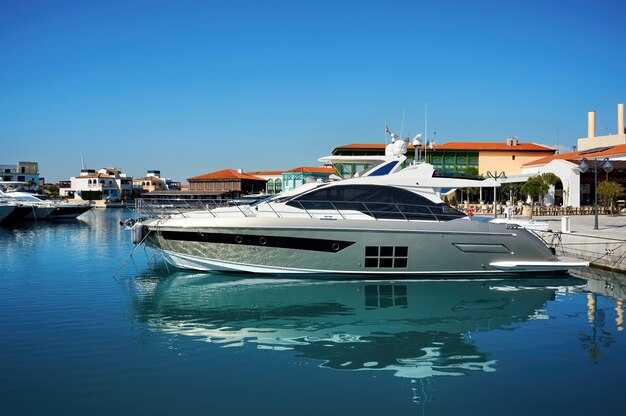
Choose Piraeus (Athens) or Lavrio as your pick-up to maximize island time and minimize transfer hours, especially for a 7–9 day Cyclades loop.
For inspiration beyond Greece, charterworld resources and ibiza-style guides help tailor a vacation to your yacht size and preferred pace, making it easy to board in the afternoon and spend evenings in dreamy dining spots along the coast.
Pick-up ports
- Piraeus (Athens): fastest access to the Cyclades and Saronic locations, with extensive provisioning options and a wide range of charters.
- Lavrio: quick hops to Kea, Kythnos, Serifos, and Milos, ideal for a compact week with fewer crowds.
- Mykonos: stylish base with abundant moorings, lively eateries, and fast connections to Paros, Naxos, and Santorini.
- Corfu or Lefkada: western Greece options for an Ionian loop with greener scenery and reliable moorings in peak season.
Popular itineraries
- Athens → Mykonos → Paros → Naxos → Santorini (7 days): classic Cyclades cluster with dreamy island profiles and spectacular caldera views.
- Athens → Milos → Folegandros → Paros → Mykonos (6–8 days): quieter stops, delicious dining, and balanced sailing days.
- Ionian loop: Corfu → Lefkada → Kefalonia → Zakynthos (5–7 days): lush landscapes, sheltered moorings, and marine scenery away from the peak crowds.
- Extended Cyclades add-ons: Syros → Tinos → Andros for a 4–6 day segment that suits a smaller yacht and a relaxed pace.
Seasonal timing
- Peak runs mid-June to August, with the largest ports hardest to secure moorings; book well in advance and confirm berthing early.
- Shoulder months May and September offer milder heat, calmer seas, lower rates, and more time ashore in delicious eateries and charming locations.
- For a longer Mediterranean vacation, some charters blend Greece with Malta or Montenegro to extend your marine adventure, adding new moorings and parks of scenery–noting these multi-country charters require careful planning and timing.
- Average daily leg distances typically range from 20–40 nautical miles, leaving room to explore islands, trial different dining options, and enjoy blissful calm nights on board.
Italy: Amalfi, Sardinia, and Tuscany routes, ports, and sailing distances
Plan a three-leg odyssey: Amalfi Coast, corsica, and Tuscany, with Sardinia as a bridge. This route delivers unparalleled scenery, rich cultural experiences, and plenty of luxury options at every port, ideal for vacations that blend on-water performance with shore-side discovery.
Amalfi leg: Begin with Amalfi, Positano, Capri, and Sorrento. Short hops of roughly 12–22 NM keep you along rugged cliffs and sparkling coves, with frequent opportunities to step ashore for a cultural stroll or a yacht-club lunch. When you want extra ease, the largest marinas in Salerno or Naples provide robust services and quick provisioning. End days with a deck jacuzzi as the skies shift through pink and gold.
corsica leg and crossovers: From the Amalfi hub, set course toward corsica’s rugged coastline, with Ajaccio as a classic first anchorage. Day-length crossings run about 170–190 NM, rewarding you with clear seas and dramatic shorelines. After Corsica, you gain access to coastal towns touched by a crusader-era history and lively yacht clubs that attract celebrity visitors and cruising crews alike.
Sardinia leg: In sardinia’s Costa Smeralda, anchor at Olbia or Porto Cervo and explore Cala di Volpe, Capriccioli, and the Cala Gonone corridor along the east coast. North-coast hops stay around 10–20 NM, while longer legs to Cala Gonone or Alghero span 80–120 NM. The island’s water invites snorkeling and swims, the climate favors long days at sea, and you’ll find plenty of sheltered coves and dazzling beaches to enjoy after sunset.
Tuscany leg: Move to the Tuscan coast with Viareggio and Livorno as base camps, and Elba as a charming little outpost. The longest leg–Olbia to Viareggio–runs roughly 230–260 NM, while shorter hops between Livorno and Portoferraio hover in the 20–30 NM range, and Portoferraio back to Viareggio closes the circuit at about 210–240 NM. Expect Renaissance-inspired shore visits, refined clubs, and a steady, personal rhythm across this evergreen coastline. Celebrity chefs and clubs line the harbors.
Benefits and planning tips: Schedule late spring or early autumn departures for ideal climate and favorable winds. The circuit offers plenty of anchorages, the chance to combine on-water days with on-land explorations, and the opportunity to book yachts with features like a deck jacuzzi or tailored performance packages. You want to tailor a vacations program to your wants, whether you chase spectacular scenery, cultural landmarks, or a little adrenaline in racing winds along the coast. You can also plan land visits in Corsica and Sardinia towns.
Riviera: Monaco to Portofino itineraries and marina options
In this instance, start with Monaco’s Port Hercule, where luxury superyachts anchor as october light slips over the city and the show of glamour unfurls at dusk.
From Monaco, cruise to Antibes for a deep-water berth at Port Vauban, then swing into Cannes’ Vieux Port or Port Camille Rayon. These marinas welcome large vessels, offer right-hand berths for easy turns, and place you within steps of delights along the quay.
Continue to Nice or Saint-Jean-Cap-Ferrat for sun-drenched days and a refined pace, then to Menton or Sanremo for a different rhythm, where spanish eateries line the promenade and seaside bakeries tempt with coastal flavors.
For a remote, rocky stretch, head to Cap d’Ail and the Cap Martin coastline, pausing in secluded coves for relaxing swims and sometimes mindful dips as fall winds roll in.
For an incredible extended arc, set a capri detour that adds a thrilling contrast, then push to sardinia for turquoise coves and longer anchorages where you indulge in seafood and cliffside dining.
Portofino marks the final crescendo: anchor at Marina di Portofino or nearby Santa Margherita Ligure, stroll the boutiques, and savor eateries as superyachts drift offshore. The marina options here balance sheltered depth, easy tender access, and proximity to headland views over the sun-drenched Ligurian coast.
Along the way, antibes deserves a moment of focus–its marina scene shines with docking flexibility, a lively shore path, and clubs that glow after dark. Plan 3–5 nights if you want to savor the different shores, then finish with the ultimate stop at Portofino.
Szczegóły czarteru: struktura załogi, typy jachtów i usługi pokładowe
Wybierz załogę składającą się z kapitana, kucharza, stewarda oraz dwóch marynarzy dla maksymalnie sześciu gości; dla ośmiu do dwunastu dodaj drugiego stewarda i inżyniera. Ten profesjonalny, przeszkolony zespół zajmuje się nawigacją, zaopatrywaniem z lokalnych baz i obsługą gości z precyzją, a także zapewnia dostęp do portów i głębokowodnych zatok, jednocześnie utrzymując komfortowe przestrzenie mieszkalne. Pomagają szybko się osiedlić w każdym porcie, niezależnie od tego, czy kotwiczy się w pobliżu Wenecji, czy w ukrytej zatoce na Riwierze. To podejście otwiera drzwi do czegoś niezapomnianego w każdym miejscu.
Rodzaje jachtów wahają się od jachtów motorowych po jachty żaglowe, a także katamarany i gulety. Jachty motorowe oferują komfort, obfitą przestrzeń i szybkie transfery między greckimi wyspami lub włoskimi portami; jachty żaglowe zapewniają dotykową, napędzaną wiatrem przygodę z eleganckimi pokładami i naturalnym cieniem; katamarany oferują rozległe przestrzenie mieszkalne na dwóch kadłubach z łatwym dostępem do zabawek wodnych; gulety oferują kuchnię przypominającą świątynię oraz pokład werandy na przedłużające się śniadania wśród Balearów lub Krety. Typowe długości wahają się od 20 do 60 metrów, a liczba załogi od 4 do 8 w średniej wielkości modelach i od 8 do 12 w większych megajachtach; wybierz konstrukcję, która pasuje do Twojej trasy i rytmu portowego, szczególnie w okolicach Wenecji i baz nadmorskich. Ten wybór, plus sprawdzona załoga, tworzy rajski klimat na morzu.
Centrum usług pokładowych koncentruje się na programie nastawionym na gości: szef kuchni tworzy dzienne menu z lokalnych składników, steward utrzymuje luksusowe kabiny w nieskazitelnej czystości, a załoga pokładowa obsługuje łodzie i zabawki wodne z zachowaniem bezpieczeństwa i szybkości. Zaopatrzenie z lokalnych baz zapewnia świeżość i sezonowość produktów, a galleja utrzymuje świątynią dyscyplinę w kwestii przygotowania i prezentacji. Pozwoliłoby to na dostosowanie posiłków do indywidualnych preferencji każdego gościa. Poza wyżywieniem, spodziewaj się opcji spa, masaży, małej siłowni, szybkiego Wi‑Fi oraz pralni. Doświadczenia na lądzie – prywatne wycieczki po ruinach, wizyty w winiarniach lub prywatne degustacje w piwnicach – dopasowują dni na terenie regionów Morza Śródziemnego i Balearów, a także Grecji, Włoch i Riwierze. Prosimy o podanie preferencji żywieniowych, aby każdy posiłek był niezapomniany.
Korzyści z tego układu przejawiają się w bezpieczeństwie, efektywności i indywidualnym podejściu. Posiadanie niezawodnej załogi oznacza płynniejsze operacje, gdy zmienia się pogoda lub plany; dodatkowo zyskujesz szybszy dostęp do dyskretnych portów i eleganckich miejsc, z przewodnikami, którzy znają lokalne bazy i ukryte punkty widokowe. Kiedy wynajmujesz jacht w Morzu Śródziemnym, doświadczenia stają się bardziej osobiste, a cała grupa czuje się zjednoczona, zrelaksowana i gotowa do tworzenia wspomnień, które pozostaną na długo po rejsie. W przypadku czarterów na Balearach i w Morzu Śródziemnym, takie podejście się opłaca.
Planowanie: pozwolenia, koszty i porady dotyczące zaopatrzenia
Zabezpiecz pozwolenia i kotwiczenia z 6 do 8 tygodni wyprzedzeniem i zaplanuj zaopatrzenie z dziennym budżetem w wysokości 150–300 EUR dla jachtu o długości 40–50 stóp. To sprawia, że Twój mega i marzycielski plan podróży jest elastyczny, pozwala odkryć porty nadbrzeżne południowego wybrzeża i umożliwia oglądanie zachodów słońca z miejsca postojowego na nabrzeżu. Daje to również więcej czasu na wybór restauracji i zabytków po drodze.
Z doświadczonym kapitanem zarówno proces uzyskiwania zezwoleń, jak i operacje na pokładzie przebiegają sprawniej. W Grecji współpracuj z lokalnym specjalistą, aby złożyć wnioski do władz; we Włoszech i na Riwierze rezerwuj miejsca w marinie z wyprzedzeniem, szczególnie w popularnych portach wzdłuż wybrzeża. Proaktywne podejście pomaga uniknąć zmian w ostatniej chwili i zachować harmonogram wolny na dodatkowe drobne odchylenia.
Koszty narastają powyżej podstawowej stawki czarteru. Opłaty za cumowanie wahają się w granicach 60–180 EUR za noc dla średniej wielkości jachtów; sezon szczytowy podnosi je do 180–300 EUR, a superjachty płacą więcej za najlepsze miejsca przy nabrzeżu. Dodaj wynagrodzenia załogi i kapitana (w sezonie szczytowym około 900–1 500 EUR dziennie), paliwo, opłaty portowe i podatek VAT. Zawsze potwierdzaj dokładne kwoty z kapitanem i menedżerem czarteru przed dokowaniem, aby przedstawić gościom jasny obraz i uniknąć niespodzianek.
Zapewnienie zaopatrzenia: zaplanuj dwie trasy, wykorzystując Palmy i Ibizę jako główne węzły zaopatrzenia w świeże produkty, a także rynki blisko greckich wysp lub włoskich portów. Zamawiaj produkty łatwo psujące się na 48–72 godziny wcześniej; w portach z dużymi rynkami możesz często uzupełniać zapasy. Przechowuj mieszankę lokalnych produktów rolnych, owoców morza, pieczywa i serów; miej również niewielki zapas ulubionych artykułów, aby zadowolić gości. Korzystaj z restauracji położonych nad wodą, aby uzyskać pomysły na posiłki i preferuj tradycyjnych producentów, którzy oferują wysokiej jakości oliwę z oliwek, wina i regionalne specjały. Różnorodność opcji utrzymuje menu interesujące przez cały sezon.
| Aspekt | Grecja i Morze Egejskie Południowe | Włochy & Riwiery |
|---|---|---|
| Pozwolenia i czas realizacji cumowania | 6–8 tygodni; skorzystaj z lokalnego eksperta, aby złożyć wnioski o zezwolenie portowe | 6–8 tygodni; miejsca w marinie szybko się wypełniają w szczytowych miesiącach |
| Typowy koszt nocnego cumowania | 60–180 EUR (średni rozmiar); szczyt 180–300 EUR | 70–250 EUR (średni rozmiar); szczyt 250–350 EUR+ |
| Provisioning approach | Polegaj na targach portowych; Palma i Ibiza służą szerszej podaży | Polegaj na targach i delikatesach nadmorskich; łącz z lokalnymi winami |
| Zalecane podejście załogi | Zatrudnij kapitana z lokalnymi trasami; utrzymuj krótką listę preferencji osobistych | Wybierz kapitana, który zna najlepiej porty marinas i popularne miejsca. |