


 Polski
  English (UK)
  Русский
  العربية
  日本語
日本語  한국어
한국어  Magyar
  Türkçe
  Español
  Čeština
  Svenska
  Português
  Ελληνικά
  Suomi
Suomi  Nederlands
  Română
  Italiano
  Français
  Українська
  Deutsch
  简体中文
简体中文  Slovenčina
  Czarter Jachtów Śródziemnomorskich – Wynajem Luksusowych Jachtów i Najlepsze Trasy">
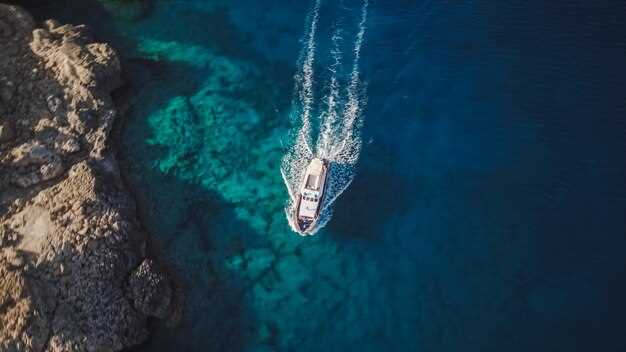
Book a 7-day private charter from Cannes to Corsica and Sardinia to lock in a timeless introduction to Mediterranean luxury. Start with breakfast on deck while crystal waters slip along the bow, then step ashore for intimate visits in belle towns with storied markets. Your crew tailors a pace that balances downtime with guided experiences, and the captain charts daily routes to maximize calm seas and stunning scenery.
On this route, plan 4-6 hour day legs: Cannes → Calvi, Calvi → Bonifacio, Bonifacio → Santa Teresa Gallura, Santa Teresa Gallura → Porto Cervo, Porto Cervo → La Maddalena. The formations of coastlines reveal crystal coves, pine-fringed bays, and medieval sites. You can begin with breakfast on deck, then board tenders for shore walks, and finish with a sunset cruise and dinner on board in a sheltered cove.
Choose a worldwide broker with access to 40-60m yachts; typical weekly rates range from €70,000 in the shoulder months to €250,000 in peak season, all inclusive of crew, chef, and water-sports gear. Look for options that include a corfus itinerary or flexible sale promotions, and confirm a dedicated captain who can tailor anchorages at Calvi, Bonifacio, La Maddalena, and Porto Cervo. A private chef can craft seafood dinners that highlight regional specialties and wine pairings, with thoughtful site visits and onshore experiences that elevate the journey.
Seasonality matters: May–October offer the best sea conditions and longest daylight for a seven-day charter. If you want more time, add Sicily, the Aeolian Islands, or a second week to extend the loop from Cannes to Corsica, Sardinia, and back. Book early through a trusted broker to secure peak-season dates; thanks to worldwide networks, you can arrange the right yacht, crew, and route for a legendary experience on the crystal Mediterranean.
Plan a Luxury Mediterranean Yacht Charter: Key Factors & Itinerary Design
Start with a 7–10 day itinerary focused on capri, private marinas, and uninhabited coves to maximize serenity.
Przepracuj z experienced captain and crew who tailor each leg to weather, currents, and your pace. Choose a vessel with a shallow draft to reach whitewashed harbours and intimate anchorages, and plan ashore days for exploring cliffs and formations along the coast. The crew handles provisioning and tender transfers, so your schedule remains flexible.
Define your priorities for the itinerary: privacy, iconic views, and a balance between movement and downtime. Map daily legs with anchor points and safe marinas, and build in lighter days to enjoy serenity at anchor. This approach keeps your plan practical rather than overwhelming.
Itinerary design options unfold in two directions. Option A targets the capri–Amalfi corridor: capri, Sorrento, Positano, and Amalfi, with a night at a private marina along the coast. Schedule stops at lookout points above dramatic cliffs and rock formations to capture sunrise light, then ashore for dinner beneath whitewashed walls when weather allows.
Option B moves north along the north Tyrrhenian coast to Corsica and Sardinia’s Costa Smeralda, with Burgess Point as a quiet anchor and a couple of uninhabited coves for day-long privacy. Include marinas at Bastia or Calvi, then loop back toward the mainland, keeping a steady pace to avoid fatigue and ensuring early departures for calmer seas and clearer horizons. where possible, alternate between sheltered coves and lively ports to balance energy levels.
For practical planning, assign your itinerary around anchor points that offer both opportunities to ashore and open water days. Use a simple point-to-point map, label each day by distance and expected seas, and designate early-morning starts when winds favor smooth passages. The plan provides room to adapt to weather while keeping your private, immersive experience intact.
To refine provisioning and timing, compare a sample schedule with a distant benchmark like cebu to calibrate stocking, fuel, and tender time. On each leg, reserve 1–2 ashore experiences–a stroll along a shore with a shoulder of dramatic cliffs, a private dining terrace, or a visit to a small harbour market. This keeps your itinerary cohesive and ensures the journey remains comfortable and rewarding.
Thanks to a modular design, you can adjust the next leg based on marine conditions, ensuring the north winds or waves don’t compromise quality. This approach preserves a sense of serenity while offering compelling scenery, private moments, and access to marinas that support seamless transfers ashore and back aboard your vessel.
Choosing the Right Yacht Size, Crew, and Onboard Amenities for Greece
Choose a 45–55m motor yacht for a 6–10 guest party in Greece; this size delivers generous cabins, ample deck space for al fresco dining, and easy access when crowds surge in ports while preserving privacy on anchor days.
Plan a crew of 4–6 on a 45–55m hull: captain, chef, engineer, and two stewards. This team keeps service seamless during island hops and in busy harbors, while still allowing for quiet evenings under starry skies.
Onboard amenities should balance detox options, chic style, and practical needs: detox menus, a shaded al fresco dining area overlooking the sea, a gym, spa-like showers, a galley stocked for seafood, a watermaker, efficient air conditioning, a reliable tender package for island hops, and good Wi‑Fi for after-holiday connectivity.
Route selection should balance scenery and practicality: anchor days in coves overlooking caldera views, explore Paros and Naxos, and weave in quieter ports to avoid crowds. A deck dining scene can feature seafood while sunsets drift over the acropolis skyline near Athens.
Let the crew deliver a welcoming service that blends chic elegance with the blue Aegean light; interior style should emphasize clean lines, warm timber, and a calm palette. The captain and crew coordinate sail to glide between ports without haste, giving guests time to savor seafood courses and the sea from a shaded lounge.
Season planning includes origins from the netherlands oraz balearics, enriching routes with varied provisioning as you move toward Greek shores. This comes from rising demand for private charters that pair classic ports with hidden bays.
Unforgettable experiences await in Greece when you choose the right yacht size, a capable crew, and onboard amenities that support detox, chic style, and comfortable living–an elegant holiday that feels welcoming from the first hello to the last sunset.
Crewed vs Bareboat: What Fits Your Experience and Budget
Go crewed if you want a hassle-free week with families or first-timers; it provides a base for luxury with a captain, steward, and chef handling navigation, provisioning, and berthing, which provides peace of mind so you can focus on the blue seas, fragrant coves, and famous spots along greece’s coast. For many, it also evokes an époque of refined travel where privacy and service co-exist.
Bareboat suits seasoned sailors who crave control over routes, weather decisions, and provisioning freedom. It lets the itinerary be yours, and every day turns into a personal experiment in winds and sun, offering truly exclusive moments when you chart hidden bays yourself.
Cost snapshot: a week on a state-of-the-art crewed yacht around 50–60 ft in high season commonly runs €25k–€45k, excluding provisioning and fuel; a bareboat in the 40–45 ft range typically costs €6k–€12k, with season and size pushing higher or lower. For a turnkey, exclusive experience, crewed is the safe bet; bareboat keeps the base budget lean if you have the experience and a capable crew.
In greece, plan island-hopping between famous spots such as the Cyclades and Dodecanese, with sivota offering fragrant coves and calmer anchorages away from the crowds. A crewed yacht can add guided snorkeling and diving adventures, and you can turn toward monaco for a Riviera-style extension with nightlife and exclusive beach clubs.
On a crewed charter, you get a ready-to-go schedule, access to an exclusive itinerary, and a crew-provided menu; you can snorkel in calm bays, sip sunset cocktails on deck, and explore island beaches with less effort compared to a bareboat.
Decision hinges on experience, group size, and whether you want nightlife access or tranquil anchorage; for families or first-timers, having a crew makes safety and activities straightforward, while groups of experienced sailors can craft their own course and make your itinerary yours by skipping rigid schedules.
Bottom line: crewed fits most travelers seeking ease and access to greece’s top spots; bareboat suits adventurous, budget-conscious skippers who want a deeply personalized voyage and are comfortable with the responsibilities afloat.
Selecting Greece Routes: Island-Hopping from Athens to the Cyclades and Dodecanese

Recommendation for planning: Book a 9–12 day charter from the porto of Piraeus that threads the Cyclades first and then threads into the Dodecanese; this keeps leg times reasonable and leaves room for enjoying coastlines, ancient sites, and high-end experiences.
In the Cyclades, anchor Paros, Naxos, Mykonos, Syros, and Santorini, with Milos or Sifnos as optional add-ons. Expect short hops of 25–70 nautical miles and 3–6 hour legs on a contemporary superyacht. Paros offers a graceful chora and chic restaurants and shopping scenes in Naousa and Parikia; Naxos blends ancient ruins with lush coastlines and easy beach stops; Mykonos delivers renowned restaurants and vibrant parties plus a stroll through the cosmopolitan chora; Syros provides a refined, quieter tempo with excellent local markets; Santorini rewards with dramatic caldera views, beautifully contrasting white and blue architecture, and subtle shopping along the town routes. If time allows, Milos presents striking coastlines and unique rock formations perfect for quemar anchors and tender excursions.
From the Cyclades, head toward the Dodecanese, with Rhodes as the anchor point. Allocate 2–3 days to Rhodes Old Town, ancient ruins, and a stroll through the historic harbor area. Then hop to Kalymnos, Kos, Symi, and Astypalea, enjoying short hops of 12–40 nautical miles between each stop. Kalymnos is a diver’s and climber’s paradise with a lively harbor and solid dining options; Symi charms with pastel Chora fronts and tranquil harbors; Kos offers a well-preserved ancient site, vibrant port life, and shopping along the harbor; Astypalea provides a picturesque hilltop Chora and authentically relaxed island atmosphere. This sequence balances coastlines, culture, and contemporary comforts while keeping travel times manageable for a large, well-equipped charter fleet.
When you plan shore time, reserve mornings for Chora strolls and temple or ancient site visits, then dedicate afternoons to restaurants and beaches. In Delos or nearby sacred sites, private tenders can deliver a concise, high-value excursion that complements a day at sea. For evenings, seek restaurants with local flavors and sea views; on Mykonos and Santorini, you’ll find a range from classic tavernas to high-end boutiques and shopping districts that mirror marina activity and Monte Carlo–like service at the best charter homes.
For a seamless experience, work with a broker who offers a curated roster of charters, including large, contemporary fleets and options with home-port service in Piraeus or Rhodes. Look for offers that include provisioning, trained crew, water toys, and flexible itineraries that adapt to wind and sea conditions. A well-rounded package covers on-board cuisine, port calls in charming ports, and access to local experiences, from wine tastings to guided tours of ancient temples and chora districts.
Seasonality matters: May through October delivers favorable sailing conditions and warm seas, with peak routes in July and August requiring early reservations for moorings and restaurant reservations. If you are looking for quieter weeks, target late May or September when temperatures remain pleasant and coastlines are less crowded. For a cross-regional comparison, the region around Croatia offers similar island-hopping vibes, but the Greece route emphasizes ancient ruins, sacred sites, and a maritime culture that feels distinctly home to the Aegean–perfect for a high-end charter looking to enjoy a cohesive, luxurious experience with a Mediterranean flavor comparable to Monaco or Saint-Tropez in vibe, yet anchored to Greek coastlines and island life.
Consolidate the itinerary into clear miles and days: plan 2–3 days among Paros, Naxos, and Mykonos, then 1–2 days on Syros and Santorini, followed by 2–3 days in Rhodes, Kos, Kalymnos, and Symi. This “loop” keeps the boat comfortably sized for enjoying the coastlines, the intimate chora streets, and the refined dining and shopping scenes while offering ample opportunities for ancient-site exploration and modern leisure alike.
Looking for the best balance of culture and leisure? Target a route that includes Delos by a short tender from Mykonos or Paros, a couple of memorable shore visits, and a final stretch through Rhodes’ medieval walls into a relaxed Santorini sunset–an experience that combines antiquity, contemporary luxury, and the hospitality of the region with a distinctly Mediterranean flair, and leaves you with a consistent, satisfying point to call home at journey’s end.
Plaże i kotwicowiska, które trzeba odwiedzić podczas luksusowego czarteru jachtu
Zakotwicz w Cala di Volpe na Sardynii na swój pierwszy przystanek: masz dostęp do światowej sławy restauracji, słońca i spokojnego, błękitnego powitania, które nadaje ton luksusowemu jachtingowi.
-
Zatoka Cala di Volpe, Costa Smeralda, Sardynia
Dlaczego warto odwiedzić: kultowa zatoka z krystalicznie czystą wodą, otoczona butikowymi hotelami i renomowanymi restauracjami serwującymi świeże dania z owoców morza. Dostęp motorowym jachtem jest prosty od północy; kotwicowisko chroni łódź przed wschodnimi wiatrami, a przejażdżka pontonem przenosi Cię do Porto Cervo na zakupy i koktajle o zachodzie słońca. Trzymaj na głębokości 6–12 m na błękitnym dnie morskim, opuść kotwicę z krótkim kawałkiem łańcucha dla bezpieczeństwa i zachowaj duży promień obrotu, aby w pełni cieszyć się esencją wybrzeża.
-
Cala Brandinchi (Małe Tahiti), San Teodoro, Sardynia
Dlaczego warto odwiedzić: pudrowo biały piasek, krystaliczna woda i spokojna, cicha sceneria idealna na powolną poranną kąpiel. Łatwy dostęp jachtem motorowym od strony północnego wybrzeża; zakotwicz tuż za rafą, gdzie dno morskie łagodnie opada, zazwyczaj na głębokości 4–8 m. Łuk słońca nad pachnącym sosnami brzegiem tworzy nastrojowe tło dla lunchu na pokładzie lub na lądzie w lokalnej trattorii oferującej lekkie, świeże dania.
-
Archipelag La Maddalena, La Maddalena, Sardynia
Dlaczego warto odwiedzić: światowej sławy archipelag wysp z dramatycznie błękitną wodą i krętymi zatoczkami. Miejsca do zakotwiczenia obejmują Cala Spalmatore i Cala Granara, gdzie wiatr jest spokojny, a kotwica dobrze trzyma w piasku. Dostęp jest najlepszy jachtem motorowym z Caprery, a wycieczki tenderem prowadzą do ustronnych plaż, lokalnych targów i ręcznie robionych dań z wyspiarskich knajpek – a wschód słońca nad dramatycznymi formacjami skalnymi to niezapomniane wrażenie.
-
Wyspy Lavezzi, Bonifacio, Korsyka
Dlaczego warto odwiedzić: odległe, dziewicze kotwicowisko z krystalicznie czystą, turkusową wodą i spokojną atmosferą, odmienną od zatłoczonych zatok. Dostęp jachtem motorowym przez Cieśninę Bonifacio; kotwiczyć na głębokości 8–15 m na piaszczystych łatach, z dobrym trzymaniem w pobliżu trawiastych dna. Krótka przejażdżka pontonem zabierze Cię do malowniczych zatoczek do snorkelingu, a drinki o zachodzie słońca na pokładzie podkreślą esencję odosobnionego dnia spędzonego na rejsie.
-
Li Galli i Wybrzeże Amalfitańskie, w pobliżu Positano we Włoszech
Dlaczego warto odwiedzić: dramatyczne zatoki otoczone klifami, słynne na całym świecie wapienne formacje skalne i tętniąca życiem scena żeglarska. Opcje kotwiczenia obejmują zaciszne zatoki w pobliżu Li Galli lub wzdłuż wybrzeża Amalfi, gdzie głębokość waha się od 8 do 16 m na piaszczystym lub żwirowym dnie. Dostęp do lądu jest łatwy dzięki tenderowi, a ekskluzywne restauracje w pobliskich miastach oferują inspirujące, nadmorskie dania i możliwość podziwiania niezwykłego zachodu słońca nad linią brzegową.
-
Capri: Zatoka Marina Piccola, Capri
Dlaczego warto odwiedzić: kultowa sceneria Błękitnej Groty, chronione wody i przyjazny życiu nocnemu pasaż na późne popołudnie. Zatoka zapewnia pewny punkt kotwiczenia na głębokości 6–12 m z dobrym trzymaniem w piasku i wodorostach. Transport na brzeg zabierze Cię do szykownych kawiarni i lodziarni; linia horyzontu o zachodzie słońca zapewnia ten kwintesencjalny, podnoszący na duchu moment, unikalny dla żeglarstwa w tym skupisku wysp.
-
Zatoka Pollensa i Cap de Formentor, Mallorca
Dlaczego warto odwiedzić: krystaliczna woda i rozległe widoki na wybrzeże z kolekcją pobliskich plaż. Zakotwicz na spokojniejszej krawędzi zatoki, zwykle na głębokości 7–14 m, a następnie użyj tendra, aby dotrzeć do piaszczystych plaż i zatoczek. Linia brzegowa oferuje wznoszący się horyzont klifów, łagodne warunki klimatyczne i opcje kolacji, które dobrze komponują się z ostatnią morską bryzą i nastrojowym zachodem słońca – podwyższony poziom doznań dla każdego czarteru.
dodatkowo, każdy przystanek łączy dostępność z wolnością: możesz wybrać relaks w spokojne popołudnie lub popłynąć do kolejnego sanktuarium o błękitnych odcieniach. Planując, mieszaj kultowe, znane na całym świecie porty z ukrytymi zatoczkami, aby zachować dynamikę trasy, pamiętaj o lokalnych przepisach dotyczących kotwiczenia i polegaj na fachowym doradztwie, aby szanować strefy chronione, ciesząc się esencją Morza Śródziemnego.
Logistyka i budżetowanie: paliwo, zaopatrzenie, opłaty portowe i podatki
Zablokuj tygodniowy plan paliwowy i zarezerwuj z wyprzedzeniem zaopatrzenie w kluczowych portach Morza Śródziemnego. Korzystaj z najnowocześniejszego systemu zarządzania paliwem i codziennie potwierdzaj limity z kapitanem. Dzięki temu wydatki są przewidywalne każdego dnia, unikasz gwałtownych wzrostów cen w ruchliwych portach Palmy i pozwalasz podróżnym z łatwością cieszyć się północnymi trasami. Sprawia to również, że rejs staje się ucieczką od rutyny, podczas której możesz podziwiać zabytki wzdłuż wybrzeża, dotykając serca śródziemnomorskiego żeglarstwa jachtowego.
Zużycie paliwa na superjachtach o długości 40–60 m przy prędkości 12–14 węzłów wynosi średnio około 200–400 litrów na godzinę. W ciągu 6–8 godzin dziennie daje to 1200–3200 litrów. Przy cenie diesla wynoszącej około 1,5–2,2 EUR za litr w basenie Morza Śródziemnego, dzienne koszty paliwa wynoszą zwykle 1800–7000 EUR. Jeśli planujesz dłuższe odcinki rejsu lub napotkasz silne wiatry typu galea, spodziewaj się górnej granicy przedziału. Planuj tankowanie w Palma, Grecji lub innych głównych portach, gdzie podaż jest obfita.
Prowiant: planuj, wybierając lokalnych dostawców w Palma i Grecji, priorytetowo traktując sezonowe produkty i świeże ryby z pobliskich łowisk. Zaplanuj budżet na poziomie 60–250 EUR na gościa dziennie na jedzenie i napoje, przy czym koktajle często podnoszą rachunek o 20–40%. Aby zapewnić wartość, zaopatrz się w mieszankę znanych win i lokalnych trunków, dopasowując je do klimatu każdej kotwicowiska. Włączaj chwile wytchnienia jak w świątyni podczas spokojnych wieczorów i dbaj o wszechstronność opcji, aby wspierać nawet zimowe trasy, gdy morze wydaje się spokojniejsze. Takie podejście pozwala serwować wyjątkowe posiłki nawet podczas zwykłych wieczorów i utrzymuje motywację załogi podczas dłuższych wypraw.
Opłaty portowe i podatki: opłaty za miejsce postojowe zależą od długości, sezonu i portu. Stawki w sezonie przejściowym dla jachtu o długości 40–60 m wynoszą zwykle 60–120 EUR za metr dziennie; w szczycie sezonu często 120–250 EUR/metr/dzień. W Palmie, Atenach i innych znanych miejscach należy spodziewać się wyższych kwot w zimie i w szczytowych miesiącach. Zawsze proś o wyceny zawierające podatek i sprawdzaj obowiązujący VAT lub opłaty portowe dla Grecji lub Hiszpanii; podatki mogą doliczyć kilka procent do opłat podstawowych i mogą wymagać oddzielnej obsługi dla usług załogi. Skorzystaj z usług lokalnego agenta, aby zarządzać zezwoleniami na cumowanie i zoptymalizować wybór kotwicowiska, gdy dostępne są lądy lub osłonięte zatoki.
| Cost element | Typical range | Uwagi |
|---|---|---|
| Paliwo (olej napędowy) | 1 800–7 000 EUR/dzień; 200–400 l/godzinę | Wyżej z większymi prędkościami lub długimi przeprawami; cena za litr różni się w zależności od portu. |
| Provisioning | 60–250 EUR od gościa dziennie; napoje 20–40% dodatkowo | Sezonowe targi na Majorce i w Grecji oferują najlepsze ceny. |
| Opłaty za dokowanie/cumowanie | 60–120 EUR/metr/dzień poza sezonem; 120–250 EUR/metr/dzień w szczycie sezonu | W głównych portach węzłowych, takich jak Palma, ceny są wyższe; skorzystaj z usług agenta portowego, aby negocjować cotygodniowe miejsca do cumowania. |
| Podatki i opłaty portowe | VAT/opłaty portowe różnią się w zależności od kraju; zazwyczaj 2–5% opłat podstawowych | Sprawdź, czy oferty zawierają podatek; zasady w Grecji i Hiszpanii są różne. |