


 Polski
  English (UK)
  Русский
  العربية
  日本語
日本語  한국어
한국어  Magyar
  Türkçe
  Español
  Čeština
  Svenska
  Português
  Ελληνικά
  Suomi
Suomi  Nederlands
  Română
  Italiano
  Français
  Українська
  Deutsch
  简体中文
简体中文  Slovenčina
 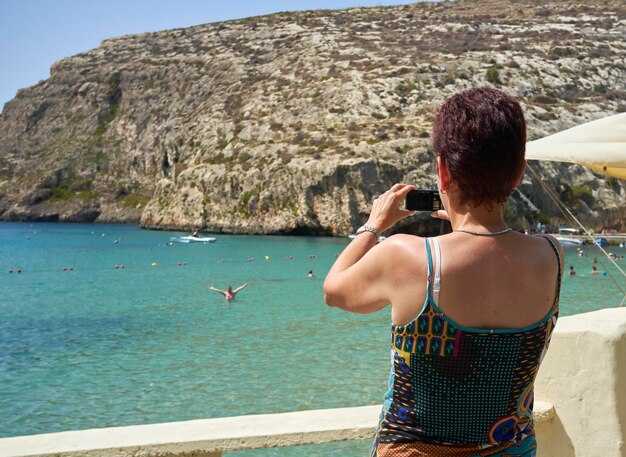 Mallorca by Yacht – Itinerary Tips and Hidden Coves">

Anchor near agulla (Cala Agulla) at dawn to catch golden light over limestone cliffs and start your cruise with a protected, easy bay. This opener works for a two-day arc across the northeast coast, mixing sheltered alcúdias with rocky coves and a calm pace that suits first-timers and seasoned sailors alike.
From there, map a practical loop: Palma to Port de Sóller (~25–30 nm, 4–5 h), then Cap de Formentor to Alcúdia, with stops when the wind shifts. Pick harbors with solid support for rafts, electricity, and fresh water. If a mallorcan rhythm appeals, definitely add a short driving detour to Caló des Moro or Cala Varques for a private swim and seeing – and then return to a marina by sunset to keep the schedule. These things help keep the plan realistic and flexible.
Along the way, mallorcan cuisine shines: ensaimada for breakfast, fresh fish for lunch, and sobrasada to nibble on deck. Choose marinas with electricity and reliable moorings; the nautical infrastructure makes the trip smoother. On days when you want to see traditional life, plan a market stop in Sóller or Alcúdia and pick up citrus and olive oil to bring home.
absolutely plan a sunrise visit to Caló des Moro or Cala Varques; these hidden coves reward patience with clear water and calm mornings. Driving along the coast reveals golden bays and seeing fishermen at work, with a final cross through the marina network ensuring a smooth finish. For a comfortable stop, choose a harbor offering electricity and reliable water supply.
Practical Yacht Route, Timing, and Safety for Cala Pilota
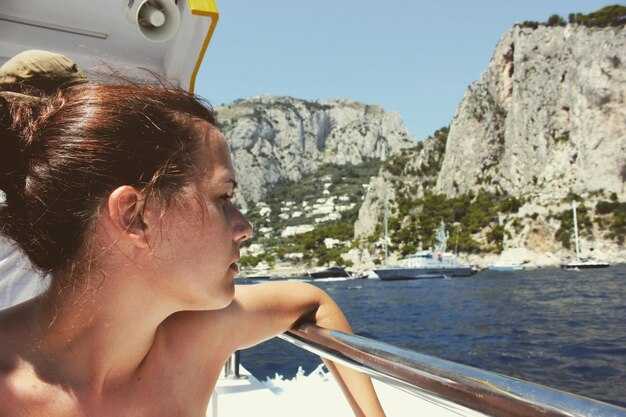
Depart Port de Palma at 08:00, heading east along Mallorca’s eastern coast to Cala Pilota; plan to drop anchor by 10:30 and have the tender ready for shore visits.
Follow the sheltered route: keep salmunia to starboard and shotelet to port as you approach Cala Pilota; run at 6-8 knots along the outer shelf, then slow to 4-5 knots inside the bay; in 4-6 m water, drop two anchors if crowded and use a 60-90 m scope, using steady hand signals with the crew.
Best window is early morning before seabreeze builds, or late afternoon when the wind eases; always check the forecast, tide, and wind direction; use two spare lines and a bow and stern fender system; ensure crystal-clear water behind your hull where you can spot fish; watch for barques and swimmers; if traffic increases, keep to the center of the cove.
Onshore there are stores and shops offering snacks and gear; the eastern side delivers a nice balance of quiet coves and small eateries; for additional choice, consider nightlife in buzzing nearby towns; contact guide joan to book a barques ride or arrange a salmunia excursion; whether you cruise for two hours or twice the distance, Cala Pilota offers a singular experience for everyone.
Entry and Approach: Navigational tips, channels, and tide windows to Cala Pilota
Recommendation: Enter Cala Pilota on slack water within a 2-hour window around high tide, using the sheltered northeast channel to stay clear of the rocky headlands. Keep the yacht on a steady course, with the bow toward open water until you pass the main range marks, then ease into the inner bay. Sóller provides a gran backdrop on approach, and the scene becomes breathtaking as landmarks come into view. If you need, coordinate with a trusted local captain to guide the approach so you avoid blocking the narrow passage.
Channels and marks: Use the recognized channels along the north-east coastline. Listen on VHF 09 for harbour-master instructions, and keep a trusted observer on deck during the last 0.5 nm. The approach relies on range marks; a calm stage of operations helps you stay aligned. Avoid the western ledge where boats are often blocking the narrow route. If you need to adjust plans, consult the local chart and pilot guidance using the onboard electronics.
Tide windows: In Mallorca, tides are modest but depth changes near Cala Pilota matter. Check tide tables for your day, and plan a window of roughly two hours around high tide to reduce the risk of grounding. A rising tide gives you better headroom to pass shallow banks and to stay clear of kelp lines. If winds shift northerly, you may see a short chop; adjust speed so your fenders stay protected and your legs stay steady on deck.
Blocking hazards and tourists: Keep a tight watch for tourists and tender traffic near the shore; set a dedicated lookout on the bow and stern to prevent blocking the channel. To minimize drama, stay mid-channel and avoid anchoring near busy shorelines. The european tempo in the harbor area gets smoother with a clear, practiced routine.
Docking and onshore logistics: Cala Pilota’s small approach area makes tender work, so rent a dinghy if you need to shuttle crew or guests. Arrange it in advance with a trusted operator; there are boutiques and a couple of cafés near the setting where you can stretch legs after a beach walk. The onshore scene features gran terraces and a few famous restaurants offering cuisine with a Mediterranean backdrop; you can book hotels in Sóller valley to rest after flights into Palma. If you travel with a team, use a united list of vendors and services to keep the schedule smooth.
Practical checklist: bring sturdy fenders, a rent-ready tender, and a clear stage-by-stage plan. Use a trusted captain if Cala Pilota is new to your crew; this approach definitely made smooth the entry. The backdrop of mountains and blue water makes for breathtaking photos, and the onshore scene with famous cuisine provides a perfect post-sail experience. If you need, plan flights into Palma and then a short transfer to Sóller hotels, or continue your united list of stops along Mallorca’s coast. This yachting route gets you close to Sóller’s boutiques and gives a truly european rhythm to the cruise; once settled, you can explore the scene fully.
Anchoring vs Mooring: Best choices, permits, and buoy availability at Cala Pilota Bay
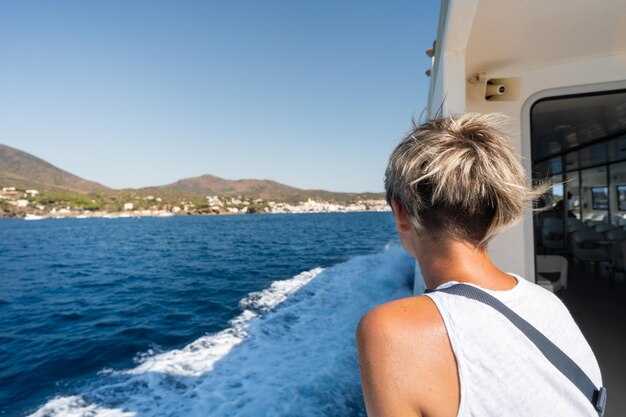
Absolute best option is mooring buoys when a spare space is open in Cala Pilota Bay. If none are available, plan to anchor outside the protected margin and keep well clear of seagrass meadows. Arriving prepared and plan twice before you drop the hook helps avoid delays during busy weeks.
The buoy field here is managed by the puerto authority. There are typically about a dozen fixed buoys within the designated zone, and spaces often fill by late morning on weekends. To moor legally, check current permit requirements with the puerto and, if you’re operating a larger vessel, call ahead to confirm capacity at the andratx or porto offices. If you’re arriving with a plan, you can reserve a buoy by VHF or phone during office hours. Their staff will guide you to the right buoy and remind you to stay within the marked boundaries.
Permits come from the Balearic authorities and the local puerto office. Verify the latest rules before dropping an anchor; the buoy field takes precedence, and private moorings require authorization. If you’re arriving, contact the puerto on VHF to confirm buoy availability and any permit you must display on board. Their guidance ensures you stay out of protected areas and support ongoing conservation efforts within Cala Pilota.
Fuel and electricity: Cala Pilota provides limited services. Fueling is best done at larger porto or in andratx harbor; shore-power is available only at select moorings or adjacent marinas, so plan accordingly. There’s a shop in andratx for provisions and souvenirs, and youve got a short walk to the quay for basic services if you land near the pier. manolo can point you to the best buoy option for your size and the quickest route to amenities. The scenic, panoramic views of the bay make a memorable stop at any point in your planning.
As you plan weeks of sailing, consider a couple of stops near brull and moli to break the day and stock up. If buoys are full, you can anchor outside the buoy field with a careful spread and in compliance with the rules; always keep a safe distance from the shore and from other boats within Cala Pilota. There’s something for everyone in these coves–from absolute panoramas to a simple shopping run in andratx for souvenirs, fuel, and provisions to cover everything you may need for the stay.
Depth, Swing Room, and Safety: What to check before dropping anchor
Check depth and swing room before dropping anchor. Use your depth finder to confirm 6 to 12 meters of water in calm coves across the Balearic northeast, and reserve at least 8 to 12 meters of swing room to keep the boat clear of rocks, kelp, and nearby yachts.
Choose seabed wisely: sand holds best; weed or rocks disrupt grip. In 5 to 9 meters depth, aim for 5:1 scope; in 9 to 15 meters depth and winds around 15 knots, extend to 7:1–10:1. Back the boat slowly to test the set, watching for creeping drag as currents shift, and be prepared to re-anchor if needed.
Before release, check drift, current, and forecast for the next several hours. Confirm your plan with the crew and keep a constant watch for swell or passing traffic. If a dragon of current shifts you toward a rock, relocate to a more sheltered spot across the bay. When ready, drop the anchor and back away slowly to set, then pause and verify the hold with a short reverse.
Local knowledge speeds safety. Mallorca’s spots across the northeast Balearic offer fantastic anchorages, from porto Cristo approaches to quieter coves that feel magical. Locals and vicenç are helpful, and honestly, their tips save spent time searching. This is where you can enjoy nice swim and a warm dinner on deck before an overnight in luxury, with the park secured and the dinghy stowed.
Rent extra rope for a longer stay; use a second anchor in the busiest spots; park the dinghy and secure fenders. Bring links to harbor guides and wind forecasts, and check them before you drift off for an overnight. Across the Balearic coast, this disciplined approach makes the experience fantastic rather than risky, especially in the major coves and magical bays.
Shore Access and Facilities: Tender operations, beach access, and local regulations at Cala Pilota
Use a tender to land from the southeast side in calm seas; this go-to approach makes the transfer quick and smooth, and itself reduces wake for moored vessels along the rugged coast.
- Tender operations
- Gather two crew: captain at the helm and a deckhand on the bow to guide the painter and manage the approach from the open water.
- Keep the engine off near the shore; secure a short painter to a shore ring or buoy to prevent blocking the beach path and to protect moored boats.
- Wear life jackets, keep VHF 16 ready, and land only with swell under 1 m and southeast winds light (<12 knots).
- Return the tender to the yacht after disembarkation to prevent traffic on the boat lane; share a brief plan with nearby yachts to reduce congestion, making the operation safer and definitely smoother. This arrangement produces a smoother experience for all involved.
- Beach access and shore experience
- Cala Pilota beach is compact with a rugged entrance; a short trail leads to a sheltered stretch where you can enjoy sun and views along the coastline.
- On saturday mornings locals use the cove for a quick dip; keep noise down and avoid trampling dune vegetation to preserve the atmosphere and the captivating nature of the place.
- To extend your visit, take a llonga coastal walk that starts at the bluff and returns via a gentle path; plan 20–30 minutes to minimize impact on other yachts.
- Facilities are limited: carry water, a shade shelter, and a portable shower if needed; some shore services exist through a residencia network near salmunia and salines, helpful for short stops during peak seasons.
- Locals loved the quiet approach, and the nearby network makes a simple ride ashore a go-to option for a quick land-based excursion.
- Local regulations and seasons
- Avoid anchoring inside the bay; moor only to designated rings and do not block swim lanes or footpaths; check with the harbor master before landings, especially during busy week periods and weekends.
- Seasonal rules vary; during peak seasons, tender access may be restricted in parts of the bay; coordinate with Vicenç, a local skipper based near residencia, to plan visits and prevent fines. Our crew is based in Palma, which helps keep coordination tight across the week.
- Fuel and services: Cala Pilota lacks a full-service fuel dock; plan refueling at salines or nearby marinas and carry extra fuel only in approved containers; keep spill risk to a minimum.
- Contacts and support: vicenç-based crews often run a small venture to support yachting guests visiting salmunia and surrounding areas; this network provides practical shore rides and light maintenance when needed.
- Practical planning tips
- Keep a simple week plan with times and join points; share with the crew and fellow guests to avoid confusion.
- Always have a go-to plan for weather changes; if seas worsen, postpone shore visits and enjoy the coastline from the comfort of your yacht instead.
- Remember Cala Pilota’s atmosphere is captivating and deserves gentle handling; leave no trace and respect the rugged environment for future visits.
- Plan shore visits with the seasons in mind, and coordinate with salmunia and salines resources when you need to source water, shade, or light maintenance services.
Hidden Coves Nearby: Quick hop routes, snorkeling spots, and photo opportunities from Cala Pilota
Starting from Cala Pilota, head along the western coast to a sheltered hidden cove a short ride away, where the water stays glassy and the limestone walls frame enchanting views.
Stop 1 is a 15–20 minute hop to a tiny shotelet bay tucked into a rocky dent. Drop anchor on sand, snorkel in 5–8 m clarity, and drift with the current as small fish and sea fans drift by. The edge reveals cave-like arches that glow when the sun hits, giving you striking shots from the deck or during a gentle ride along the shore.
Stop 2 continues 25–30 minutes along the coast to a rugged inlet with several shallow caves. Snorkel along the reef edge, watch for parrotfish and wrasse, and capture the light filtering through cave mouths for dramatic views. Guides aboard can point out the safest routes and currents, making this a trusted segment of your coastal ride.
Stop 3 brings you back toward Cala Pilota to a quiet porto with a pebble beach and sweeping panoramas. From here you gain original views of Mallorca’s coastline, perfect for a sunset portrait or a sequence you can keep as souvenirs. The warm months, especially May through October, offer the best conditions for yachting this loop. If you’re visiting, this spot is ideal for a short visit here before the return ride.
Practical notes: bring a language phrase card to chat with locals and guides; pack a waterproof pouch for phones; snorkel at slack tides to keep wake manageable; shoot twice–once with sun on the water and once with the cliffs in shadow–to produce varied looks. A short, relaxed ride back to Cala Pilota rounds out the day with a final view of hidden coves receding into the horizon.