


 Polski
  English (UK)
  Русский
  العربية
  日本語
日本語  한국어
한국어  Magyar
  Türkçe
  Español
  Čeština
  Svenska
  Português
  Ελληνικά
  Suomi
Suomi  Nederlands
  Română
  Italiano
  Français
  Українська
  Deutsch
  简体中文
简体中文  Slovenčina
 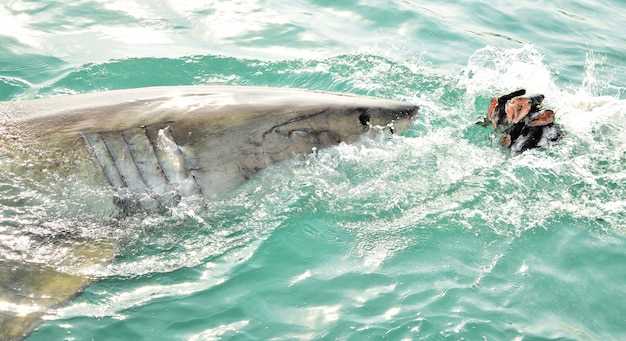 Komodo Island Diving – Best Dives, Marine Life & Practical Tips">

Book a licensed local operator for a specific itinerary that unlocks access to protected reefs and ensures safety around strong currents. Plan a multi-day program with 2-3 site visits per day, prioritizing mornings when visibility rises and winds stay mild. Keep groups small to minimize disturbance and reveal pelagic visitors as they approach the reefs. This approach keeps visitors away from crowded boats and increases chances to see mantas, barracuda and a diverse array of reef life.
Key sites around Komodo include Batu Bolong, Crystal Rock, Castle Rock, Manta Point, Siaba Besar and Tatawa Besar. Each spot hosts a distinct mix: Batu Bolong’s wall harbors abundant coral formations; Crystal Rock offers dramatic overhangs and larger pelagic; Castle Rock draws barracuda and reef sharks on drift passes; Manta Point hosts manta rays when currents feed; Siaba Besar features large schools of reef fish and healthy macro life; Tatawa Besar shows pristine hard corals. Expect besar schools of snapper and fusilier around Tatawa Besar. The reef networks form ecosystems that sustain a delicate balance, while sea cucumbers dot the substrate and rays glide along the reef edge. Currents can rise from outside reefs and push clean water onto the walls, revealing vibrant colors.
Marine life snapshot: expect angelfish, spotted wrasse and other colorful species. A barracuda patrol can appear, and reef sharks often glide along walls. Keep distance and allow guides to position you for good photographs with mantas or turtles without chasing. Sea cucumbers rest on sandy patches, and nudibranchs color the rubble after rain. Currents raise visibility and carry plankton-rich water onto the shallows, helping colors of coral gardens blossom.
Practical tips: Start with a light wetsuit (3-5 mm) and reef-safe sunscreen; carry a waterproof bag for valuables; keep hands away from corals; follow local rules and your guide’s directions; never touch wildlife; maintain a safe distance from larger animals; arrive at dawn for calmer seas; plan 2-3 site visits per day and move onto safe paths as directed by your guide.
Conservation note: The delicacy of coral ecosystems rises when visitors ignore guidelines. Guides help shape responsible routes and group sizes. Support local communities by choosing small-boat operators and purchasing locally produced snacks or crafts. By planning ahead and staying with your guide, you enjoy a richer experience while protecting the place for future visitors.
Water Conditions in Komodo National Park
Plan your window May–September for the clearest water and most predictable flow. Surface temperatures sit around 26–29°C, with occasional peaks to about 30°C. Visibility typically ranges 15–30 meters in the dry season, dipping to 10–20 meters during the wet months. Tidal exchange drives currents through channels, so choose sites with your guide based on the day’s window.
Currents shift with tides: in the main channels between Komodo’s islands, flood and ebb speeds commonly reach 2–4 knots, with brief gusts above 5 knots near narrows and rock ledges. Plan for slack-water windows at some sites, and always have a quick exit plan with your crew. Surface markers help stay oriented across stronger flows.
Night and shallow zones offer contrast: night water typically sits 24–26°C, and visibility can improve in some bays after dark due to calmer surface conditions. In ampat-like shallows, flows stay lighter, revealing sponges, soft corals and curious flora that create a pretty underwater wonder. Cave entrances hold pockets of calmer water, making those sections feel unique and thrilling when light shafts reach the walls.
unesco protection influences how teams access sites: anchors are restricted, waste rules apply, and some passes may close during rough seas. Check the official tabs for the latest rules and site-by-site advice. Your experienced guide can interpret current patterns and point you to safer routes; at times none of the usual routes work, so have a backup plan.
Practical tips: arrive with a plan B for weather shifts; book with operators who provide up-to-date site reports; carry a bright flashlight for cave sections; respect sponges by avoiding contact; carry a small notebook to track water temperature, visibility and current speeds, and review the tabs before heading out. Plan morning sessions for the calmest surface, watch tides, and pause if conditions deteriorate.
Seasonal Water Temperature and What to Pack
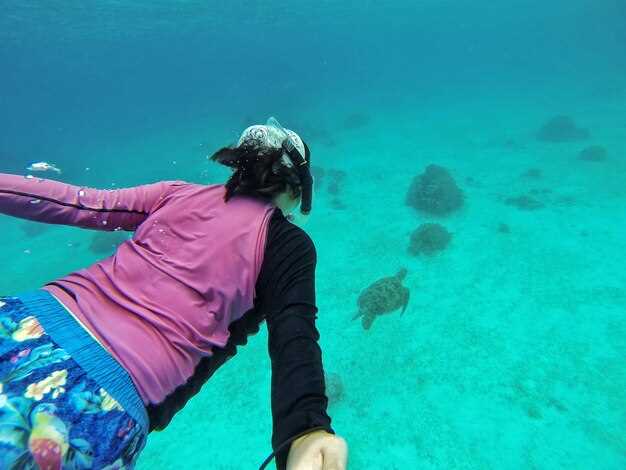
Baseline gear for Komodo trips: a 3-5mm full wetsuit with booties, plus a 2-3mm rash guard for changeover days. In March and October, a 3mm suit is usually enough, and a thin vest or booties help when the breeze rises after sunrise. For the wet season, November through February, opt for a 4-5mm full suit and thicker booties for cooler water and gray weather on some passages.
Temperature snapshot by season:
- March: roughly 27-29°C (81-84°F); seas can be calm to moderate.
- April–October: 26-29°C (79-84°F); south coast tends to calmer conditions and clearer visibility on many routes.
- November–February: 24-27°C (75-81°F); more cloud cover and winds can bring cooler mornings.
Packing checklist:
- 3-5mm full wetsuit with booties
- 2-3mm rash guard or vest for March and October
- 4-5mm full suit and thicker booties for November–February
- Fins, mask, snorkel (own gear improves fit and comfort)
- Dry bags and a small waterproof case for electronics
- Reef-safe sunscreen and a wide-brim hat for surface time
- Gloves 2-3mm for cooler mornings or stronger currents (optional)
- Indonesian operator contact info, copies of certificates, and travel documents
Every trip reveals a different rhythm of life on the reef. Expect countless discoveries: a hundred life forms, from frogfish to curious turtles, tucked into hidden corners against lush, ancient backdrop. The south coast often offers calmer passages and pristine vistas, giving you room to explore them at your own pace and choose among destinations with confidence, even when march or october brings variable weather.
Currents, Drift Zones, and Dive Planning
Start with a guided drift plan during slack water and confirm the exit point with rangers or the lead guide before entering this zone.
Currents vary by site and season. northern zones often show stronger flows, with typical speeds 1–3 knots on the flood and 2–4 knots on the ebb; prepare for gusts up to 5 knots near Castle Rock and Batu Bolong during peak flows.
Choose beaches with sheltered entries and ensure the approach is suitable for your group and gear, with a surface vessel ready to monitor the drift and assist if needed.
Precautions include signaling devices, a well-packed safety kit, and a padi certified guide who can adapt the plan as conditions shift along this rugged coast.
If currents rise beyond expectations, switch to a shore-based plan with a pre-arranged exit and a clear communication point; having a backup helps the crew stay coordinated when the sea turns rough in the same zone.
Photographers should target the early light and twilight windows, as this often yields sharper contrast and more dramatic silhouettes of gray surgeonfish and other reef residents; spotlight use can highlight beauty without crowding wildlife.
Planning includes a reliable schedule, sticking to a vessel-on-call protocol, and logging the wind, current, and visibility data from this season to tailor daily plans–this approach keeps nights calm and ensures safety for must-visit sites along the northern corridor. This must guide daily checks and adaptations from the captain and guide.
Remember the equipment and training: PADI standards, rugged fins, and a strong crew; this must guide crews and guests to enjoy the discovery without compromising safety, and it reinforces the ocean’s gratitude to neptune for good conditions.
In summary, this framework aligns with the beauty of Komodo’s coastline, lets you maximize the safety margins of dives, and keeps the rangers, beaches, and vessel crews coordinated for a memorable and responsible experience.
Visibility Patterns by Site and Depth
Begin at east-facing sites in calm morning conditions. If surface visibility sits around 20–30 meters and currents are light, descend to 12–18 meters for a clear, comfortable view; beginners should stay with a trusted guide and keep depth limits to protect the experience.
W Batu Bolong oraz Manta Point, visibility typically ranges 15–25 meters near the surface, with 20–30 meters possible in the deeper walls on clear days. Manta Point often widens to 30 meters in the early hours, then narrows to 8–12 meters if plankton blooms or sediment stirs. Castle Rock shows more variability, from 12 to 28 meters, depending on wind stability and current strength. These patterns reflect the biodiversity and abundant life; the water holds gems for divers with a unique mix of reef and pelagic encounters and an experience that appeals to both novices and seasoned explorers.
Depth patterns matter: shallower zones around 6–12 meters tend to present the most consistent visibility after dawn, while mid-depths around 15–20 meters hold strong clarity when currents cooperate. At 25–30 meters, visibility can shift quickly with turbidity and plankton, but on clear spells you may still reach 15–25 meters. Visibility patterns vary with site and season, so navigate with your buddy and check a live report before moving deeper.
Praktyczne wskazówki dla poszukiwaczy przygód udających się na Komodo: planuj z renomowanymi operatorami, zarezerwuj zakwaterowanie w pobliżu portu i skoordynuj lot do Labuan Bajo. Zabierz ze sobą jasny reflektor do obserwacji nocnych i aparat fotograficzny z wodoodpornym etui; spakuj również wystarczającą ilość wody i warstwy ubrań, ponieważ warunki mogą się szybko zmieniać. Dla początkujących, rozpocznij sesję od płytkiego sprawdzenia, aby ocenić prądy; w bardzo przejrzyste dni możesz zejść do 18 metrów, jeśli plan z Twoim przewodnikiem na to pozwala. Doświadczenie życia morskiego, od ryb rafowych po żółwie i manty, kiedy występują, sprawia, że planowanie i szacunek dla lokalnych warunków są warte zachodu. Elastyczność również zwiększa Twoje szanse na wizytę w wielu miejscach w ciągu jednego dnia.
Prądy, fala i optymalne okna pogodowe
Zaplanuj ucieczkę na Komodo na późne maja–czerwiec lub wrzesień–październik, kiedy morza są spokojne, widoczność często sięga 20–30 metrów, a większość operatorów oferuje stabilne harmonogramy. Rozpocznij każdego dnia wcześnie, aby wykorzystać spokojne, szkliste poranki, które sprzyjają wyjątkowym spotkaniom z makro i pelagikiem.
Prądy pływowe wpływają na dostęp do miejsca nurkowania i prądy: okno bez prądu powstaje w ciągu 1–2 godzin od przypływu lub odpływu, z silniejszymi prądami w ciągu dwóch godzin po odpływie przy niektórych ścianach. W przypadku nurkowań na platformach i w kanałach, celuj w przypływ środkowy, aby zminimalizować falowanie; odrobina ruchu może pogłębić dreszczyk emocji podczas nurkowań po zboczach raf.
Zmiany wzorców fal zależą od pór roku: fale południowe dominują pod koniec roku, ale podczas późnej pory suchej (maj–czerwiec i wrzesień–październik) często można znaleźć serie fal o wysokości 0,5–1,5 m i wiatry poniżej 15 węzłów, idealne dla widoczności. Miej pod ręką prognozy z wyprzedzeniem 72 godzin; poranki są zwykle najspokojniejsze, z jasnym niebem i mniejszym zachwaszczeniem powierzchni.
Ostrożności: przebywaj z renomowanymi operatorami, zapoznaj się z wytycznymi dotyczącymi konkretnych miejsc i przestrzegaj ostrzeżeń. Noś pomarańczowe wyposażenie ochronne, utrzymuj bliski kontakt z partnerem i unikaj blokowania dostępu do aktywności pelagicznych. Na ścianach rafy kryją się mroczne węże w szczelinach, a rekiny czarnopłetwe mogą krążyć wzdłuż kanałów; zachowuj szacunkową odległość i nigdy nie gonić dzikiej przyrody. Na gąsienniczkach i małych gatunkach pojawiają się na ścianach gąsienic i koralowcach, a starożytne głowy koralowe zapewniają dramatyczne tło dla obserwatorów wzdłuż płytkich wód.
Najlepsze miejsca i oczekiwania: padle oferują niezawodne, przypominające dryf, przejścia przez kanały o małym prądzie i obfitej populacji makro; nagłe zmiany wiatru mogą wpływać na widoczność, więc planuj elastyczne poranki, aby zmaksymalizować spotkania z ikonami gatunków i wyjątkowe momenty ekscytacji. Środowisko nagradza cierpliwość, bycie świadomym warunków i wybieranie jasnego, starannie zabezpieczonego sprzętu, aby wzbogacić doświadczenie podczas poszukiwania mureksów, nudychty i charakterystycznego pomarańczowego życia rafowego, które można zobaczyć w całym parku.
Sprzęt ochronny i radzenie sobie ze zmiennymi warunkami
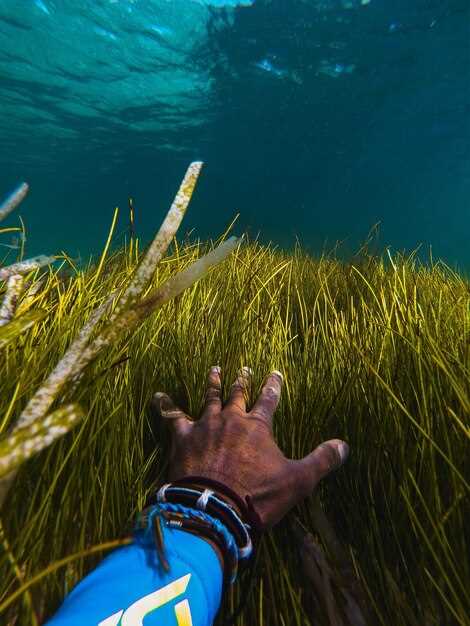
Załóż pełny zestaw SCUBA (maskę, płetwy, regulator, BCD, wskaźnik głębokości i niezawodne urządzenie komputerowe) i wykonaj trzy szybkie kontrole z partnerem przed wejściem na rafy arborek, aby zapewnić bezpieczeństwo od samego początku. Z perspektywy fotograficznej, utrzymuj stabilny chwyt na sprzęcie, aby pozostać zafascynowanym nudibrankami, antiasami i rybami aniołowatymi, gdy prądy zmieniają się wraz z przypływami.
Zabierz ze sobą redundantny regulator, boję powierzchniową zanurzeniową pomarańczowego koloru oraz tabliczkę do notatek. Spakuj zapasowy pasek do maski i O-ringi, dobierz grubość pianki neoprenowej w zależności od pory roku i upewnij się, że sprzęt stoi bezpiecznie na pasie lub w torbie, aby nie zaczepiał się o koral. Użyj pomarańczowej SMB, aby zasygnalizować swojemu zespołowi, jeśli wypłyniesz z dala od łodzi.
Radź się zmiennych warunków za pomocą trzyetapowego podejścia: sprawdź prognozy i pływy, wybieraj trasy w osłoniętych kanałach, gdy przypływ wzrasta, oraz utrzymuj trzy punkty kontaktu z kumplem. Bądź świadomy dzikiej przyrody, takiej jak ostrożny czubek czarny lub ciekawski anioł, i pozwól reflektorowi oświetlać życie rafowe – nudychordy, antiasy i pomarańczowe wachlarze – bez gonić cieni. Ta rafa prezentuje paletę kolorów w królestwie koralowców, pozostawiając Cię oczarowanego.
arborek to znana, obowiązkowa destynacja dla fotografów i miłośników podwodnych przygód. Plaże wzdłuż tego wybrzeża zasługują na szacunek: nie zostawiaj niczego po sesjach, płucz sprzęt, osuszaj go i przechowuj prawidłowo. To błogosławione miejsce nagradza ostrożne obchodzenie się i pomaga odkryć najlepsze okazje przy kolejnym spotkaniu z rekinami białoszybkimi, rybkami aniołowymi i nudychordami, jednocześnie stawiając bezpieczeństwo na pierwszym miejscu.