


 Polski
  English (UK)
  Русский
  العربية
  日本語
日本語  한국어
한국어  Magyar
  Türkçe
  Español
  Čeština
  Svenska
  Português
  Ελληνικά
  Suomi
Suomi  Nederlands
  Română
  Italiano
  Français
  Українська
  Deutsch
  简体中文
简体中文  Slovenčina
 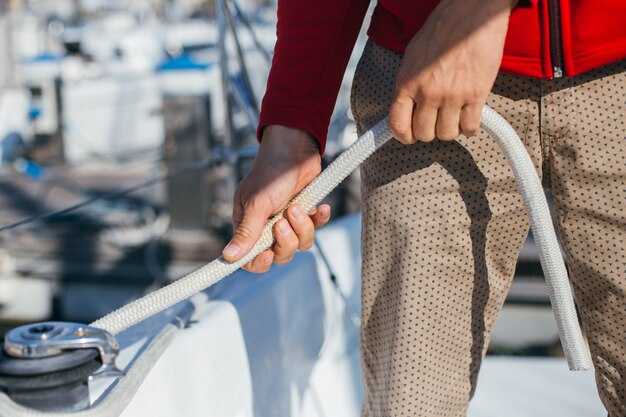 How to Sail a Catamaran Upwind – Techniques, Trim & Tactics">

Set the rudder to a neutral position and trim for a clean, open beat upwind. In light to moderate winds, keep the mainsail close to the centerline and the jib sheeted in enough to hold steady forward motion. If you feel the hulls lose bite, ease the jib slightly and let the main spill to maintain upwind progress, then move your weight down to help balance.
Work the two-hull beat with precise weight and calm hand movements. Shift your weight to the windward railing to keep the outrigger hulls from rising, and use a firm hand on the tiller or wheel to maintain a steady course. Between tacks, keep a short, controlled movement with the rudder and trim so that the apparent wind stays close to the sails. On a cat, the wind shifts cause more pitch, so a light touch often makes the difference. The position of the boat relative to the wind matters; aiming for the best angle is key, and the wheel should stay responsive to small corrections.
Trim strategy matters: use a precise hand on the mainsheet and jib sheets to keep shape when the wind shifts upwind. The best tack is a controlled move with a small angle to the wind; avoid over-rotation, which can stall the breeze. When the boat accelerates, there is a moment when you must adjust rig tension and weight between the sails and the boat centerline. If you’re using a down gust approach to re-accelerate, you can switch to letting off to recover speed, then seamanship becomes the key to the next move. This technique used by top crews minimizes the risk of stalling, whether you race or cruise on a sunny day.
Tap into wind shifts: read the sails and water for signs of a lift or knock, and respond with timing rather than brute force. If the winds gust from a particular side, move the head down a touch and let the boat feel the lift before you commit to a new course. They say you should keep your hand on the rudder or wheel to feel the difference in movement, and always check the windward hull for planing readiness. However, you must maintain calm, deliberate actions to avoid overcorrecting.
Avoid common mistakes that make upwind sailing harder on a catamaran. Over-trimming slows both hulls; keep the sails in a tight, clean profile but not to the point of stall. If you feel the boat difficult to control, back off slightly and re-trim. Maintain balance by moving a hand to the windward side and using the rudder to fine-tune the course. Whether you’re racing or cruising, practice and repetition matter, and this setup often makes the difference in speed and consistency. The technique used by top crews relies on timing and clear calls from the helm.
Practice scenarios with another crew to build rhythm. Assign roles: one person handles the wheel oraz rudder, another watches wind shifts and calls changes. Keep the main and jib trim aligned; a slight misalignment wastes speed, so use the open space of the cockpit to adjust without disturbing the line. Ask them to watch for wind shifts and communicate clearly during quick course changes. There is a single word to remember in gusts: patience.
Upwind Catamaran Techniques: Trim, Tactics, and Tack Strategies
Set up for upwind progress: trim the mainsail and traveler to balance power, keep your feet planted, and maintain a comfortable stance in the cockpit to track the wind without overtaxing the arms.
Keep the hulls moving by loading the sails just enough to prevent stalling, and use steady steering to hold a true course. Good trim reduces weather helm, gives you more speed, and still water under the hulls for a smooth ride.
Be alert for reefs and shallow water; reduce sail well before you reach reefs, and check that the line and controls are clear of slack. In living water you want to stay moving and avoid stalling.
When you approach a tack, align with the track of the wind and the bows’ orientation. Always keep their stance balanced, use weight shifts and smooth maneuvers to keep speed up. The line used for trim guides the draft, and you should tap into your skills to stay on course.
Konfiguracja ma znaczenie na multihullach: układ kokpitu, olinowanie i sterowanie żaglami kształtują sterowanie i trym. Utrzymuj sterowanie w zasięgu ręki i upewnij się, że silnik jest gotowy do krótkich ruchów na spokojnej wodzie lub do zmiany pozycji łodzi. Gdy łódź jest już wytrymowana i dobrze się porusza, załoga może utrzymać rytm i skupić się na następnej zmianie kursu.
| Wiatr (węzły) | Skupienie na trymie na wiatr | Orientacja kadłuba | Taktyka | Uwagi |
|---|---|---|---|---|
| 6–12 | Ustawcie grot tak, aby zapewniał siłę nośną, wózek szotowy 0–0,5 m na nawietrzną. | Wypoziomuj z lekkim wygięciem w górę, aby zredukować nawietrzność. | Utrzymuj stały tor jazdy, unikaj gwałtownych skrętów. | Rafa niepotrzebna; obserwuj głębokość |
| 12–18 | Umiarkowany skręt, żagiel na środek, większa kontrola przechyłu | Płasko na obu kadłubach, ciężar po stronie nawietrznej | Wykorzystaj zmiany w wietrze, zaplanuj czysty zwrot. | Unikaj luzu na achtersztagu, kiedy to możliwe. |
| 18–25 | Zrefowana grota, zmniejszona powierzchnia żagla, wyreguluj linę. | Lekki opór steru, komfortowe tempo | Krótkie zwroty przez sztag, wykorzystaj kontrolę dziobu. | Sprawdź głębokość, rafy przed nami |
Zaplanuj podejście pod wiatr: Kąt wiatru, kurs i kolejność halsowania
Ustaw pierwszy hals pod ostrym kątem 40–45 stopni do wiatru i utrzymuj stabilny kurs, aby stery były zrównoważone, a kadłub wielokadłubowca płynął czysto po wodzie. Zrównoważ wyporność między kadłubami, trymując żagle, aby uniknąć steru nawietrznego; upewnij się, że obciążenia są równomierne, a nawietrzny kadłub pozostaje zanurzony, zamiast być podniesionym. Użyj instrumentów, aby potwierdzić kąt i siłę wiatru, a następnie skup się na kursie, który możesz powtarzać na kolejnych odcinkach.
Zaplanuj kolejność zwrotów przed pracą na pełnym morzu: wcześnie krzyknij “zwrot”, a następnie płynnie wykonaj sekwencję. Przy każdym zwrocie poluzuj szoty, przeprowadź ster przez wiatr i utrzymuj liny wolne i pod kontrolą. Przypisz jasne zadania do żagli i lin i przećwicz zamianę, aby przejście było szybkie i spokojne.
Utrzymywanie właściwego kąta względem wiatru jest kluczowe: celuj w 40–60 stopni w stosunku do wiatru, w zależności od warunków, ale unikaj płynięcia zbyt ostro lub zbyt wysoko, co powoduje utratę prędkości. Utrzymuj dobrą widoczność horyzontu, aby przewidywać szkwały i zmiany kierunku wiatru, i używaj wskaźników wiatru i instrumentów, aby korygować kurs. Jeśli warunki się pogorszą, przejdź na nieco ostrzejszy kąt podczas płynięcia pod wiatr, aby zachować napęd, pozostając jednocześnie w równowadze.
Ster strumieniowy może pomóc w ciasnych przestrzeniach lub gdy potrzebujesz precyzyjnej kontroli pozycji na morzu; w przeciwnym razie polegaj na sterowaniu i starannej pracy z obciążeniem i linami. We wszystkich manewrach pamiętaj o słowie “strategia” i stosuj ją: priorytetem jest prędkość, równowaga i płynna sekwencja zwrotów. Zrozum, jak zmieniają się obciążenia podczas przechyłu, i dostosowuj się, mając wolną rękę na linach i pewny dotyk na sterach, aby utrzymać widok do przodu i utrzymać najlepszy kurs.
Trimming żagli na kursie na wiatr dla prędkości: Ustawienia żagla głównego i foka
Recommendation: Wybrać luz na fałach i trymować foka na ostry kurs, aby zmaksymalizować prędkość pod wiatr. Zacznij od grota: napnij cunninghama, aby przesunąć ciąg do przodu, wybierz linkę pozycjonującą róg szotowy, aby spłaszczyć dolną część, i naciągnij fał, aby usunąć zmarszczki na liku przednim. Używaj lekkiego obciągacza bomu, aby kontrolować ciąg w porywach. W przypadku foka wyreguluj szot, aby utrzymać czysty profil i prawidłowy przepływ powietrza wzdłuż liku przedniego. W umiarkowanych warunkach dąż do przesunięcia ciągu do przodu na około 25–30% wysokości żagla, aby utrzymać stabilność kadłubów i prędkość łodzi.
Trym żagla głównego: Napięcie linki fału zwiększa spłaszczenie dolnej części żagla i przesuwa wybrzuszenie do przodu. Użyj Cunninghama, aby przesunąć wybrzuszenie do przodu o kilka centymetrów; fał powinien być dobrze napięty, aby lik przedni pozostał gładki. Utrzymuj lekko napięty obciągacz bomu, aby zapobiec przesuwaniu się wybrzuszenia do tyłu podczas porywów wiatru. Napięcie liku tylnego powinno być wyważone, aby górne liktasy pozostawały aktywne, a żagiel zachowywał czysty, płaski wygląd z pokładu.
Wybieranie szotów foka: Utrzymuj naprężenie liku przedniego foka za pomocą fału i ustaw szot tak, aby wskaźniki wiatrowe po stronie nawietrznej układały się w linii prostej. Dostosuj punkt mocowania szotu, aby utrzymać wąską szczelinę między grotem a fokiem; kąt 3–6 stopni przy ostrym kursie do wiatru sprawdza się przy średnich wiatrach na otwartym morzu. Jeśli nadejdą szkwały, zmień foka na mniejszy, aby zachować równowagę i ogólną prędkość bez przeciążania kadłubów.
Kontrola techniki: Korzystaj z wskaźników na obu żaglach, aby sprawdzić przepływ: obserwuj górne i dolne wskaźniki na żaglu głównym oraz prowadzenie na foku. Jeśli widzisz trzepotanie lub marszczenie się liku przedniego, poluzuj lekko lub napnij ponownie, aby przywrócić płaski, stabilny kształt. Przed zwrotem lub przesunięciem w kierunku boi, wykonaj szybkie sprawdzenie trymu, aby uniknąć opóźnionych reakcji i utrzymać swoje umiejętności na wysokim poziomie. Widok z pokładu kapitańskiego pomaga wyczuć unoszenie się kadłubów i równowagę łodzi, zwłaszcza gdy zmieniają się warunki.
Warunki i praktyka: W irlandzkim środowisku przybrzeżnym większość sesji korzysta z konserwatywnego startu z bardziej płaskim profilem i umiarkowanym luzem. Przy mniejszych porywach wiatru zachowaj stabilność; przy większych porywach wzmocnij żagiel główny i skróć fok, aby utrzymać prędkość. Wiedza rośnie wraz z praktyką, a wprowadzone korekty naprawdę się sumują, gdy żeglujesz na morzu lub w pobliżu mostu trasy. Używaj siebie jako punktu odniesienia; im płynniej przechodzisz z jednego ustawienia trymu do drugiego, tym więcej zyskujesz na prędkości i pewności siebie, nawet gdy zmienia się kąt wiatru i zbliżasz się do miejsca cumowania.
Równowaga i pozycja ciała: ciężar, biodra i kierowanie dla stabilności
Wychyl się na nawietrzną i obróć biodra o 12–25 stopni w kierunku nawietrznej relingi, aby utrzymać katamaran w poziomie i zapewnić responsywność steru.
Utrzymuj ciężar wyśrodkowany pod tą samą powierzchnią żagla, szybko odczytuj szkwały i koordynuj z trymem żagla dla lepszej kontroli i wydajnego pływania pod wiatr.
- <strongWaga i postawa: Stań ze stopami rozstawionymi na szerokość ramion, z lekko ugiętym wewnętrznym kolanem, zewnętrzną stopą na krawędzi nawietrznego pływaka. Przesuń biodra w kierunku nawietrznej burty na tyle, aby poczuć opór pokładu, typowy jest ruch boczny o 6–12 cali. Stabilizuje to prędkość i pomaga płynnie pokonywać zakręty bez nadmiernych korekt.
- <strongBiodra i tułów: Prowadź biodrami, obracając górną część ciała o 12–25 stopni w kierunku nawietrznym podczas sterowania. Utrzymuj ramiona prostopadle do żagli i patrz przed siebie, aby wyczuć zmiany wiatru. To zapobiega kołysaniu się łodzi i poprawia poczucie równowagi podczas porywów wiatru.
- <strongRęce, dłonie i elementy sterujące: Lekko trzymaj ster lub koło sterowe; palce swobodne, nadgarstki rozluźnione. Małe, ciągłe korekty sterem kompensują porywy wiatru, a przeniesienie ciężaru radzi sobie z większością przechyłów. Unikaj gwałtownych ruchów; płynniejsze sterowanie zapewnia bardziej wydajne i dynamiczne odczucia na wodzie.
- <strongTrzym trymu żagli a równowaga ciężaru: Pozwól na zmiany trymu żagli, aby towarzyszyły ruchom twojego ciała. Kiedy przenosisz ciężar, na krótko poluzuj nieco nacisk na żagiel, aby zapobiec nagłym zmianom mocy, a następnie dociągnij go ponownie, gdy łódź się ustabilizuje. Takie podejście czyni podejścia i zwroty przewidywalnymi, nawet w porywach wiatru, i zapewnia bezpieczniejszą kontrolę.
- <strongRozpoczęcie z wiatrem i manewry: Podczas zwrotów lub przejść z wiatrem, przenieś ciężar na nawietrzną stronę i przygotuj biodra do zmiany pozycji. Ćwiczenie tych ruchów podczas oczekiwania w marinie lub osłoniętym miejscu buduje pamięć mięśniową, co pozwala na szybkie reakcje podczas powrotu pod wiatr.
- <mocneDrills wzmacniające stabilność: Wykonaj 6–8 krótkich cykli na wiatr, skupiając się na jednej zmianie na raz: ciężar ciała, potem rotacja bioder, a na końcu sterowanie. W warunkach spokojnej wody szybciej odczytasz zachowanie łodzi i wykonasz ruch z mniejszym wysiłkiem, dzięki czemu manewry staną się łatwe i powtarzalne dla czytelników poszukujących lepszej techniki.
Procedura halsowania: Przygotowanie przed halsowaniem, wykonanie i ponowna korekta kursu.
Ustaw trym żagla głównego i ster przed rozpoczęciem zwrotu; trzymaj rękę gotową na kole sterowym, a załogę po stronie nawietrznej, przygotowaną do przesunięcia się, gdy tylko przejdziesz przez wiatr.
- Pre-Tack Prep
- Confirm wind direction and strength, aiming for enough speed (target 4–6 knots) to stay in control going through the wind; note any apparent shift toward shore and plan a clean arc.
- Trim sails: mainsail on a snug sheet with the boom controlled by the traveler; jib or genoa trimmed to balance power and prevent stall as you roll through the wind.
- Secure lines and gear: coiled sheets, clear hanks, and free deck space; spend a moment to check below, including bedrooms or crew spaces, so nothing interferes with the tack.
- Position crew: one or two on the windward rail, a clear hand on the wheel, and a quick call for kids to stay clear of lines; agree on the very next action and roles.
- Strategy and understanding: define what “through the wind” means for your boat and confirm the tack direction (what you will turn to) to keep everyone aligned.
- Safety and checks: wear life jackets, verify hatches are closed, and ensure above-deck lines won’t snag during the turn.
- Execution
- Initiate the turn by steering the wheel or rudder toward the wind, aiming to bring the bow through the wind on a smooth arc of about 40–60 degrees from your current heading.
- As the bow passes through the wind, ease the old sheet and promptly trim the new sheet; switch hands if needed and avoid over-sheets that slow the boat.
- Maintain speed to prevent falling or stalling; shift weight to the new windward rail as the hulls accelerate, keeping the boat flat to limit heeling.
- Monitor apparent wind: if it drops, adjust the mainsail or traveler to keep power; communicate clearly with the crew with short, precise calls.
- Say “going through the tack” once the bow aligns with the new wind, and confirm the crew is ready to load on the new side; this keeps the sequence tight and predictable.
- Very next step: verify that the old jib is released smoothly and the new sheet is fully engaged, so you don’t lose speed at the moment of alignment.
- Re-Alignment
- Center sails for the new course: snug mainsail, balanced jib, and traveler adjusted to maintain power without overpowering the boat.
- Check balance and steering: ensure the rudder or wheel holds the new heading with the wind coming from the expected side; adjust as needed to prevent drift.
- Optimize for close-hauled: aim for a steady 30–40 degree wind angle when conditions allow, and adjust trim as wind strength changes.
- Re-check lines and deck space: remove any lingering twist, secure all lines, and confirm there are no loose items that could shift during the next tack.
- Finish with a quick crew check: confirm everyone understands the sequence for the next tack, especially if the wind shifts or you’re coordinating with passing boats near a bridge or shore.
Reading Shifts and Puffs: Adjusting to Wind Changes on the Fly
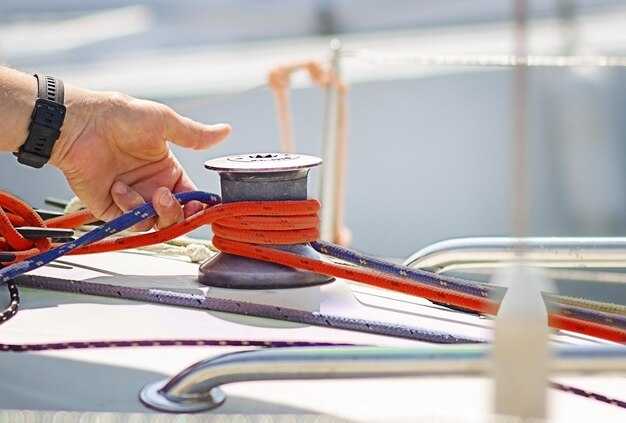
Reef early when a puff approaches; ease the mainsheet to steady the boat and keep the leeward hull from lifting. Set the traveller to the middle to maintain a balanced keel angle, and keep your boats on a close-hauled track with minimal drift. If gusts rise, apply another reef rather than fighting the sail; this approach improves control, reduces excessive heel, and makes the hulls float on pressure rather than slam from a sudden gust. Practically, reading the wind ball by ball gives you the needed edge to react before the next gust arrives.
Read shifts by watching telltales on the luff, the water texture, and shadows moving across the deck. Were gusts forecast, a ball of wind marks the onset of a gust; when you feel it, plan a 1–2 degree trim adjustment and shift weight toward the windward rail to keep both hulls stable. If the leeward hull starts to fall, you probably need more weight on the windward side; if the puff shifts the boat, ease in the sail slightly to preserve heading and speed. Avoid overreaction; small, early corrections beat large swings, and you’ll gain time to set up the next tack. Detail your observations after each gust so you can repeat the best moves.
On a catamaran, weight shifts matter more than you might expect. Move your hips toward the windward rail to keep both hulls afloat when a puff hits; ease the mainsheet for a quick tempo, then re-trim as the breeze shifts. The mainsail traveller lets you keep the mast in column while the keel remains balanced; reefing can be part of the operational plan when wind builds, and you should perform pronto adjustments to the traveller and vang to hold sail shape. Remember: keeping the hulls close to the wind saves distance and increases the benefit of each gust, and resist the temptation to overtrim; collision of sails with the breeze leads to stalls and loss of momentum.
Practical drill and mindset: build a quick decision ladder you can trust during a race or a cruise. Before each gust, check the forecast, then commit to a plan and stick to it; this improves privacy of your action and provides a steady anchor for your crew. In practice, a 5–7 knot swing in wind may require reefing, weight shift, or a slight change of course; measure your speed and note the hull float, detail the heading change versus wind pressure, and log it for the next session. Keep the galley tasks minimal during shifts; the design of your sails and traveller system should support these moves, and the benefit shows in a smoother ride, better velocity, and less stress on the hull and keel.