


 Polski
  English (UK)
  Русский
  العربية
  日本語
日本語  한국어
한국어  Magyar
  Türkçe
  Español
  Čeština
  Svenska
  Português
  Ελληνικά
  Suomi
Suomi  Nederlands
  Română
  Italiano
  Français
  Українська
  Deutsch
  简体中文
简体中文  Slovenčina
  How to Run Faster – Top 5 Tips to Boost Your Speed">

Begin with a precise baseline and an eight-week plan to boost speed. Measure your current pace with a 1-mile time trial, then set clear, weekly targets to progress. physically, your body adapts to progressive stress, so start with a comfortable mix of easy runs and walking on easier days, building a świeży foundation that keeps motivation high as momentum goes and you stay road-ready.
Tip 1: Add targeted speed work. Do 6–8 x 400m repeats at about 90–95% of max, with 90 seconds of easy jogging between reps, twice per week for eight weeks. A meta-analysis of running studies shows these sessions boost pace and tempo efficiency, especially when you pair them with lower-intensity days to manage fatigue.
Tip 2: Build lower-body and core strength for stability. Two strength sessions weekly with squats, deadlifts, lunges and step-ups improve power off the ground and reduce injury risk. A strong posterior chain helps you drive forward on the road with less energy, which means you complete races feeling smoother and more controlled. american runners often report faster times when this work is consistent; keep the reps modest and progress slowly to avoid overdoing.
Tip 3: Refine form and cadence for efficiency. Aim for a quick, light turnover around 170–180 steps per minute with a relaxed upper body. Focus on a tall but not rigid posture, a midfoot strike, and a slight forward lean from the ankles. Proper technique reduces braking on the road and, when it feels smooth, you gain speed without extra fatigue.
Tip 4: Prioritize recovery and injury prevention. Sleep 7–9 hours, stay hydrated, and use easy walking or easy runs after hard days to aid repair. Include mobility work and foam rolling to maintain range of motion, and listen to your body so you can manage pains before they escalate and it feels off. If you notice persistent pain, adjust your plan to determine the cause and keep a healthy pace.
Tip 5: Plan and track progress to maintain momentum. Use a simple log to determine weekly mileage, target paces, and how the pace feels during each run. Keep the plan adaptable to fit your schedule and provide support when needed; complete eight weeks with confidence by reviewing your data and adjusting as you go. Consistency beats bursts, and small, physically sustainable gains add up on the road to faster times.
Structured steps you can apply today
Do 4 x 60 m accelerations today with 2 minutes rest, pair with a partner to count splits, and return to the start with a light jog. Focus on driving the hips and keeping your torso tall for efficient turnover.
-
Sprint activation and pairing: 4 x 60 m accelerations, 2 minutes rest between reps. Pair with a partner to log times so everyone stays accountable. Return to start with a light jog and repeat the cycle, aiming for consistent peak speed in each rep. Then review split times together to refine technique.
-
Mobility and posture: 7 minutes of dynamic prep addressing hips, quadriceps, ankles, and calves. Include leg swings, hip circles, ankle pops, and a short lunge sequence. The goal is to reduce stiffness by 20-30% and maintain a tall, neutral spine through the sprint.
-
Strength anchor with deadlift focus: 3 sets x 5 reps at 75-85% 1RM, with a controlled tempo (2 seconds up, 2 seconds down). If this load is new, start at 60-65% and build. Add 2 sets of Romanian deadlift (6-8 reps) to boost hamstrings and glutes, supporting rapid hip extension throughout a marathon or any long-distance effort. Throughout weeks, increase weight modestly while preserving form.
-
Technique drills to transfer speed: 4 x 20 m bounds and 4 x 20 m A-skips, then 4 x 20 m quick-recovery accelerations. Focus on foot contact under the hips, minimal ground contact time, and hips staying level. This builds sprinting skill and stability. Then return to a light jog after each set to stabilize rhythm.
-
Recovery, monitoring, and progression: prioritize sleep (7-9 hours), protein intake, and hydration. Schedule 3 sprint sessions and 2 strength days per week for 4 weeks. Track 30 m or 60 m times; weve seen gains when you maintain consistency and adapt to human needs. Everyone progresses at a different pace, so adjust volume accordingly. At the end of weeks, re-test and set the next target.
Baseline Assessment: Run a 1-Mile Time Trial to Set Your Starting Point

Start with a precise 1-mile time trial on a flat, measured loop to establish your baseline. Use a track or a long, straight paved stretch marked in distance; confirm the course distance and keep it consistent next time. This starting point anchors your speed plan and makes every week measurable.
Gear up with proper shoes, stay hydrated, and avoid pushing through pain. If you live near francisco, breeze and coastal air can change pace; plan accordingly. You wont rely on rough guidelines–trust measured times as your truth.
-
Ground and conditions
Choose a flat, smooth ground–track is best. If you rely on a road loop, confirm the distance with markers and GPS so you have a true 1 mile. This ground familiarity keeps results consistent and comfortably repeatable. Additionally, check wind, temperature, and surface; these factors can shift results by seconds per mile. francisco-area sessions may have coastal breezes that require pacing adjustments.
-
Rozgrzewka
Warm up 8–12 minutes with easy jog, mobility, and 4 x 20–30 m strides with full recovery. This prepares the muscles and joints, reducing injury risk. This warm-up needs to be consistent across trials to ensure comparable reactions and timings; then you’ll start from a stable baseline.
-
The mile time trial
Run 1 mile at a hard but controlled pace. Use even splits; target pace equals your goal time divided by four for the 4 x 400 m blocks. Start with the first 400 m slightly slower than your target pace to avoid explosive starts; then settle into a sustainable rhythm. If you hit 0.8 miles and feel heavy, adjust to maintain consistency. You wont gain a PR by sprinting out and fading; avoid throwing energy into the final stretch and finish with a controlled cadence. For coaches or partners, share your splits to keep reading honest.
-
Data processing and interpretation
Record total time, 400 m splits, and average pace per mile. Processed data helps you interpret fatigue and effort. Use this as your starting point. The readouts from your watch, treadmill, or app provide a clean baseline. Then you can compare to future trials and see progress. This article describes how to calculate pace and plan adjustments to stay on track.
-
Plan and progression
Four-week progression: four main workouts per week plus a consistent cooldown. Implement step-ups in tempo and interval work: 1–2 days of tempo or intervals, plus one long run and one easy recovery day. The plan makes consistency easier to hold; aim for small weekly gains rather than big leaps. Ensure you keep needs in mind, and adjust when you feel pressure or fatigue. If you want a practical approach, this article can guide you; still, keep it personalized and flexible. Additionally, you can use a kilding cue to remind yourself to stay smooth and efficient.
-
Cooldown and recovery
Cooldown 5–10 minutes and light stretching; rehydrate and refuel after the test. This cooldown helps you recover and reduces soreness. The effort should not leave you collapsed on the ground; you should feel ready for the next session. Then done–your baseline assessment is complete and you’ve set the starting point for speed gains.
Weekly Structure: Build a 12-Week Plan That Fits Your Schedule
Lock a 12-week fixed schedule: 3 running days per week (easy, tempo, long), 2 cross-training/rest days, and one optional short wind session to keep the legs responsive. Also plan two short mobility sessions per week to support recovery and form.
Start with a conservative base: Weeks 1–4 cover 12–20 miles (19–32 km) total. Increase by 5–8% per week, or insert one quality session every two weeks, with a cap of +15% over four weeks. Over the 12 weeks, final volume typically reaches 20–28 miles (32–45 km) per week for most runners, depending on experience and limited time windows. If time is scarce, swap a long run for two shorter runs that fit your schedule while maintaining total weekly load.
Weekly skeleton: Mon easy 4–6 km, Tue tempo 15–25 minutes, Wed rest or cross-train, Thu easy 4–6 km, Fri strength and mechanics work, Sat long run 60–90 minutes, Sun rest. In weeks with a speed block, add 6×400 m at fastest sustainable pace with 90 seconds jog recoveries; in endurance weeks, substitute tempo with a steady 20–25 minute effort. Finish each session with 6–8 minutes of stretching to support mechanics and reduce injury risk. This approach also keeps you moving toward the fastest sustainable pace rather than chasing a single split.
Strength and mechanics: Two weekly strength sessions target hips, glutes, calves, and core. Include squats, lunges, step-ups, single-leg deadlifts, bridges, and hip thrusters. These moves build mechanics and stride economy, and keep you healthier over the long run. Perform 2–3 sets of 8–12 reps with controlled tempo and full range of motion, and always finish with a dynamic stretch to maintain flexibility.
Plateau management: every four weeks, switch one workout to a slightly higher intensity or add wind sprints, for example 4×60 seconds at threshold with full recoveries. This adjustment helps you avoid stagnation and keeps the stimulus fresh. If you feel tired, back off by one session and extend the long run by 10 minutes the following week.
Personal planning and tracking: map your personal schedule to the plan so you can train consistently. If you work with a coaching company francisco or a local club, integrate their notes into your week blocks. Use counting to log weekly mileage, longest run, average pace on tempo days, and sleep hours to gauge recovery. If time is limited, you can drop one easy run and substitute with a brisk 20-minute jog after work without losing overall load. The word plan here is consistency, not perfection, and it keeps you on track.
Sleep and recovery: target 7–9 hours of sleep per night, with a 8–12 minute post-run stretching routine and a hydration plan. Sleep quality predicts performance you’ll notice in Week 6 and beyond. Additionally, keep a short wind-down routine after training to promote actual recovery and readiness for the next session. In this article you’ll find a practical structure you can adapt to your free time and personal priorities, so you can improve steadily and actually see progression.
Speed Work Basics: Intervals, Tempo Runs, and Strides
Begin with one focused speedwork session per week, totaling 20–25 minutes including warm-up and cooldown. This approach gives the most reliable gains with manageable fatigue. For warm-up, jog 8–10 minutes, add dynamic leg drills, then 4 x 20 m strides to prime the legs, and finish with 5 minutes easy jog. During the week, keep easy runs to build stamina and notice your form improving at higher speeds. If youve never done speedwork, start with a 15-minute session and increase by 5 minutes each week. Doing these three types builds a complete speedwork foundation. Speed gains come from consistent, quality sessions.
Intervals: Do 6 x 400m at a crisp pace (about 5K race effort) with 90 seconds of easy jog between reps. The total distance is about 2400m. If you want a lighter option, you can do three x 600m instead. Focus on good form; their pace should stay consistent across reps. Use a 5-minute jog after to stabilize your heart rate and motion; keep hands relaxed and drive the elbows to maintain forward motion. You shouldnt push past your form–if fatigue rises, cut reps.
Tempo Runs: Biegnij 15–20 minut w tempie progowym – wysiłek, który mógłbyś utrzymać przez około godzinę w zawodach. Zrób to jako jeden ciągły blok lub jako trzy bloki po 5 minut z 2 minutami spokojnego biegu pomiędzy. Rozgrzej się 10 minut, schłodź 5 minut. Ta sesja buduje wytrzymałość i uczy twoje ciało, jak się czuje stała, mocna prędkość. Dodatkowo, artykuły o bieganiu podkreślają, że jakość jest ważniejsza od ilości, zwłaszcza w przypadku celów długodystansowych.
Kroki: Zakończ 6–8 x 15–20 sekundowymi przebieżkami z prędkością około 90–95% maksymalnej, z pełną regeneracją między powtórzeniami (90–120 sekund). Przebieżki poprawiają kadencję i pomagają przenieść szybkość na tempo wyścigowe. Utrzymuj rozluźnione ramiona i dłonie; unikaj ruchów barkami przypominających rzut lub zginania pleców. Nie wysuwaj barków do przodu; zamiast tego utrzymuj płynny ruch. Wyobraź sobie rybę ślizgającą się w wodzie, aby utrzymać płynność ruchu i staraj się utrzymać płaski i stabilny rdzeń. Po serii truchtaj lekko przez 2–3 minuty, aby się zregenerować. Ta sesja daje szybki zastrzyk energii bez większego zmęczenia.
Technika biegu i kadencja: Popraw rotację, postawę i uderzenie stopy.
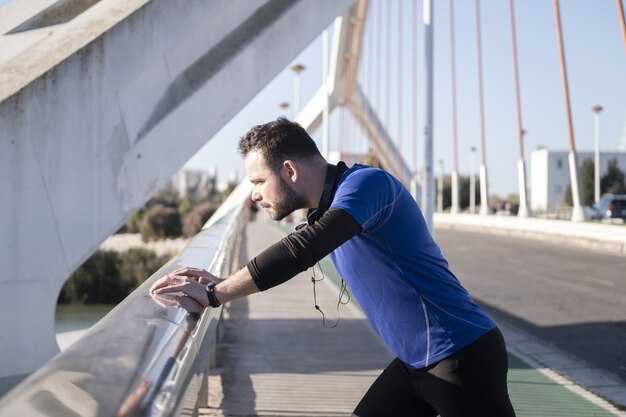
Dąż do kadencji 170-180 kroków na minutę podczas większości biegów i utrzymuj ją za pomocą metronomu, playlisty z odpowiednim tempem lub aplikacji na smartfona. Dla delikatnego resetu spróbuj 5-minutowego bloku z kadencją 70-80, aby ponownie połączyć się z lekkim, świeżym tempem obrotu, zanim podkręcisz tempo.
Zacznij od 5 minut ćwiczeń, aby zresetować kadencję: 2 serie po 30 sekund skipów z wysokim unoszeniem kolan i 2 serie po 30 sekund uderzeń piętami o pośladki, plus 4 x 20 m przebieżki lekkim tempem, aby rozbudzić nogi. Wykonuj krótkie powtórzenia, aby zbudować regularność i płynność przejść.
Kadencja: utrzymuj szybkie i lekkie kroki, ląduj pod środkiem ciężkości i unikaj wyciągania nogi zbyt daleko do przodu. Krótkie, zwarte kroki redukują hamowanie i poprawiają wydajność; myśl o stopach, jak o werblu, a nie o ciężkim młocie.
Postawa: utrzymuj wyprostowany tułów z rozluźnionymi ramionami i lekkim pochyleniem do przodu od kostek. Twoje kolano powinno zginać się naturalnie przy kontakcie z podłożem, a biodra pozostać wypoziomowane, aby chronić prawidłową postawę i zmniejszyć straty energii; pamiętaj, że stabilna podstawa pomaga w odpychaniu się bez narastającego zmęczenia.
Uderzenie stopy: staraj się lądować płasko śródstopiem, z stopą pod kolanem w momencie kontaktu z podłożem. Miękkie lądowania i ciche uderzenia stopy pomagają płynnie się wybić, zamiast uderzać piętą; to redukuje wstrząsy i utrzymuje stałą kadencję podczas przyspieszania.
Ćwiczenia: dodaj małą rutynę ćwiczeń kształtujących: A-skips, carioca, marsz z wysokim unoszeniem kolan i powtórzenia quick-feet, 4 x 20 m dla każdego ćwiczenia. Dodatkowo, połącz je z jazdą na rowerze lub inną aktywnością o niskim wpływie na stawy w dni wolne, aby wzmocnić kontrolę przy różnym poziomie wysiłku.
Siła i mobilność: włącz do swojej rutyny ćwiczenia na mobilność stawu skokowego, mostki biodrowe i ćwiczenia na jednej nodze, aby wspierać śledzenie kolan i sztywność kostek. Rozciąganie po treningu pomaga utrzymać komfort, poprawić zakres ruchu i zapobiegać sztywności spowalniającej obrót.
Progresja i śledzenie: określ swoją bazową kadencję podczas spokojnych biegów, a następnie dodawaj 5-10 spm co dwa tygodnie, jeśli czujesz się stabilnie. Jeśli zauważysz zmęczenie lub pogorszenie techniki, cofnij się i skup się na komforcie; trenuj stopniowo i zwiększaj tempo dopiero, gdy możesz utrzymać kontrolę, przed właściwymi treningami szybkościowymi.
Osiąganie rezultatów wynika z małych zmian, które z czasem się kumulują. Autorzy sugerują cierpliwą, konsekwentną rutynę: celuj w lądowanie na śródstopiu, utrzymuj miękkie kolano i zwracaj uwagę na wszelkie błędy w technice podczas powtórzeń. Jak każda umiejętność, wymaga to praktyki i jasnej rutyny, a będziesz wiedział, że jesteś na dobrej drodze, gdy lądowania stopy pozostaną płaskie, przetoczenie stopy pozostanie płynne, a postawa będzie wyprostowana bez wysiłku.
Śledzenie postępów: Co mierzyć i jak dostosować swój plan
Mierz tempo, dystans, rytm i reakcję tętna od samego początku, a następnie rejestruj każdą sesję z krótką notatką na temat mechaniki ruchu i tego, jak się czułeś. Używaj metronomu, aby utrzymać stały rytm na spokojnych odcinkach, i zanotuj, jak wzniesienia zmieniają wysiłek. Przechowuj dane w jednym miejscu, aby szybko porównywać sesje i zachować zrównoważony obraz postępów.
Zdefiniuj, co mierzyć i kiedy dostosowywać. Cotygodniowy przegląd pozwala wyprzedzić drobne zmiany i kieruje decyzjami dotyczącymi treningów, odpoczynku i odżywiania. Nie polegaj na pojedynczej metryce – to, co mierzysz, jak tempo, tętno, kadencja i odczuwalny wysiłek, razem przedstawia pełny obraz.
Wykorzystaj te wytyczne do ukształtowania swojego podejścia: ustal idealną kadencję za pomocą metronomu, utrzymuj tempo progowe w dni o określonym tempie i włączaj podbiegi, aby budować siłę. Zapisuj jakość ruchu i wskazówki dotyczące formy, a następnie co tydzień wprowadzaj jedną zmodyfikowaną zmienną, aby zobaczyć, co przynosi efekty.
Jeśli chodzi o odżywianie, notuj każdy posiłek przed i po treningach oraz to, jak wpłynął na poziom energii. Stały plan posiłków pozwala trenować z większą intensywnością, gdy jest to potrzebne, jednocześnie kontrolując regenerację. Zakończ 5-minutową sesją wyciszającą, aby się zresetować.
Utrzymuj elastyczność planu: jeśli zauważysz tendencję do powolnej regeneracji lub narastającego zmęczenia, zmień jeden dzień z treningu o wysokiej intensywności na łatwy, dostosuj całkowitą objętość tygodniową lub dodaj lżejszy dzień pomiędzy, zachowując z wyprzedzeniem zrównoważony rozkład.
| Metric | Co mierzyć i jak | Wyzwalacz / Cel | Dostosowania |
|---|---|---|---|
| Pace | Rejestruj tempo na km/milę i śledź trend między sesjami; używaj metronomu ustawionego na twoją aktualną kadencję dla zachowania spójności. | W granicach +/- 5-7 sekund na kilometr przez dwa tygodnie; jeśli poza tym zakresem, przygotuj małą zmianę. | Zwiększ liczbę łatwych kilometrów, zamień jedną sesję na trening wzniesień lub dostosuj zakończenie dni tempowych, aby zachować równowagę. |
| Dystans i czas trwania | Rejestruj całkowity tygodniowy dystans i czas każdego biegu; obserwuj rozbieżności między planem a rzeczywistością. | Tygodniowy cel w zakresie 90-110% planu; odchylenie powyżej 101% wymaga korekty. | Przeorganizuj obciążenie tygodniowe; zamień jeden bieg na łatwy dzień regeneracyjny; nieznacznie skróć lub wydłuż jedną sesję. |
| Cadence | Kadencja (kroki na minutę) z sygnałami metronomu; zwróć uwagę na sztywność lub spadek kadencji w dni zmęczenia. | Utrzymuj kadencję 170-180 uderzeń na minutę (spm) podczas większości biegów; spadek poniżej 165 spm uruchamia ćwiczenie kadencji. | Dodaj zestawy ćwiczeń kadencji (3-5 minut) i powtórzenia podbiegów, aby zwiększyć obroty nóg. |
| Tętno i próg | Zarejestruj średnie HR w dni tempo i oszacuj próg wentylacyjny; zanotuj HR przy stałym wysiłku. | Tętno HR powinno utrzymywać się poniżej progu plus 5-10 uderzeń na minutę dla stałego postępu. | Jeśli HR wzrośnie, skróć czas trwania tempa lub zamień dzień o wysokiej intensywności na dzień łatwy. |
| Ruch i mechanika | Oceń formę: uderzenie stopy, napęd kolana, pozycja bioder; użyj prostych wskazówek i ćwiczeń, aby śledzić zmiany. | Widoczna poprawa w ciągu 2-3 tygodni; brak gwałtownego spadku formy w dni zmęczenia. | Zastosuj ćwiczenia formy, krótsze kroki i rozgrzewki ukierunkowane na ćwiczenia przed biegami. |
| Regeneracja i sen | Śledź czas trwania snu i tętno spoczynkowe; zanotuj nastrój i bolesność. | Sen >7 godzin przez większość dni; stabilne tętno spoczynkowe w granicach 3-5 uderzeń na minutę. | Zwiększ liczbę dni odpoczynku, w razie potrzeby dodaj tydzień regeneracyjny i dobrze się nawadniaj po treningach. |
| Paliwo i posiłki | Rejestruj posiłki przed i po treningu; monitoruj poziom energii i komfort jelitowy. | Paliwo dopasowuje się do rodzaju treningu; energia utrzymuje się na stałym poziomie przez cały czas trwania sesji. | Dostosuj czas spożywania posiłków (1-2 godziny przed biegiem) i spożycie węglowodanów w dni o wysokiej intensywności. |
| Dostosowanie planu | Use weekly reviews to decide changes to volume, intensity, and rest. | Move one recovery day, or add a short easy run after hard days if needed. | Incrementally adjust by 5-15% of weekly volume; monitor fatigue signs. |