


 Polski
  English (UK)
  Русский
  العربية
  日本語
日本語  한국어
한국어  Magyar
  Türkçe
  Español
  Čeština
  Svenska
  Português
  Ελληνικά
  Suomi
Suomi  Nederlands
  Română
  Italiano
  Français
  Українська
  Deutsch
  简体中文
简体中文  Slovenčina
  How to Look After Your Lifejacket – Essential Maintenance Tips and Safety Checks">

Check the lifejacket after every trip and before you store it. Look for damaged seams, deformed foam, frayed cords, or pieces that have moved out of place. If you detect wear or a broken buckle, replace it now rather than risking safety. Thats why you should track its lifespan and keep any replacement parts or a spare lifejacket available for quick swap.
Rinse in a basin with warm water and a mild soap after exposure to salt spray or fuels. Use a soft-bristle brush to clean around seams, buckles, and the cord. Avoid harsh chemicals; use only products labeled safe for flotation devices. Rinse thoroughly, then air dry away from direct sun before you put it back in storage.
Drying and storage matter. Hang the jacket in a ventilated area, not on a radiator or in a closed bag. Do not machine dry or iron the fabric. When you place it on the boat, keep it away from outboard engines and solvents, and store it in a dry place where temperature stays stable.
Schedule regular checks: inspect the lifejacket every three months during the boating season and after heavy use. Track its lifespan; if the buoyancy feels reduced, seams loosen, or the fabric fades from sun, retire it and replace with a fresh one. For routine care, you can do self-servicing tasks like cleaning and basic inspection, but replace worn items without delay.
Boat Care and Interior Cleaning: A Practical Guide
Rinse the interior after every trip and dry thoroughly to prevent dirt and moisture buildup, helping it look fresh.
I recommend that boaters knowing what to do shake them gently to remove dirt, look for spills, and treat them promptly.
Step one: clear loose items; storing them into a supplied bin keeps gear organized and away from the engine.
Step two: wipe cushions with a damp cloth and a mild soap solution, then rinse and lay them under warm shade to dry overnight.
Step three: care for zippers: brush tracks, rinse with warm water, and apply a light silicone spray; work them back and forth to ensure smooth operation.
Step four: care for fabrics and modules: shake dirt away, then brush or wipe; air out and store under cover. Choose either a microfiber cloth or a soft brush for different surfaces.
Step five: engine area cleanliness: wipe surfaces, keep heat sources away, and ensure vents stay clear; rinse away any residue and let dry.
Monthly checks: inspect seams, zippers, and storage pockets; replace worn parts and keep supplies supplied for the month ahead.
Extra tips: for spills, blot then rinse immediately; if a stain persists, repeat the step and overnight drying.
How to Look After Your Lifejacket: Maintenance Tips and Safety Checks; How to Clean a Boat Interior
Rinse the lifejacket with fresh water after each use and air-dry away from direct sunlight before storing. This simple step protects the finish and keeps the material supple for longer.
- Inspect material and seams for tears or fraying; test webbing and cord for wear, and replace any damaged parts.
- Check reflective tape, labels, and the printed care label; ensure markings stay legible and replace if faded.
- For inflatable jackets, verify the cartridge is present, correctly oriented, and not past its expiration; order a replacement if unsure; perform a cautious manual inflation test in a safe area, per the manufacturer’s guidance.
- Confirm the collar, straps, and buckles engage securely; adjust the fit so it sits snug without hindering movement; look for leaks at the inflation tube and mouthpiece.
- Store the jacket in a ventilated spot, under a shelf or in a dedicated locker, away from heat and areas with strong chemical smells; never crush the foam or compress the jacket finish.
Store and transport tips help you keep the entire unit ready. Keep extra care items in a labeled container and refer to the online source for model-specific steps or printed instructions from the maker.
How to Clean a Boat Interior

Remove all loose items, then wipe surfaces with a soft cloth and soapy water to lift dust and spills. Rinse thoroughly and dry to prevent mold.
- Use a mild, non-abrasive cleaner on gel-coated panels and vinyl seating; test a small area first if you’re unsure about the finish.
- Vacuum under seats and in corners, then wipe with a damp cloth to remove crumbs and spills from hard-to-reach areas.
- Avoid bleach or harsh solvents on fabrics and wood finishes; never mix cleaners with ammonia-based products.
- Clean the head, galley, and inboard compartments with appropriate cleaners, then wipe dry; keep the entire area well-ventilated while cleaning.
- For stubborn stains, apply a light cleaner and rinse well; finish with a dry microfiber towel to remove any remaining moisture.
After cleaning, store cleaning gear in a dedicated bag to prevent cross-contamination with lifejacket parts. If you spot spills near cords or zippers, address them immediately to prevent buildup and maintain smooth operation. For ongoing learning, review the manufacturer’s guide and keep a written checklist to track when to replace cartridges, inspect the finish, and refresh storage spots–this proactive habit saves time and keeps jackets and boat interiors ready for use.
Lifejacket inspection: check seams, labels, and fit before use
Before every trip, perform a hands-on check of the fabric seams and stitches along all panels, with attention to strap anchors and load points. Look for pulled threads, loose stitches, or thinning fabric where the shell meets the stress areas.
Labels and size matter. Read the care label to confirm the correct size for the wearer and to verify maintenance instructions, drying guidance, and the approximate lifespan noted by the manufacturer.
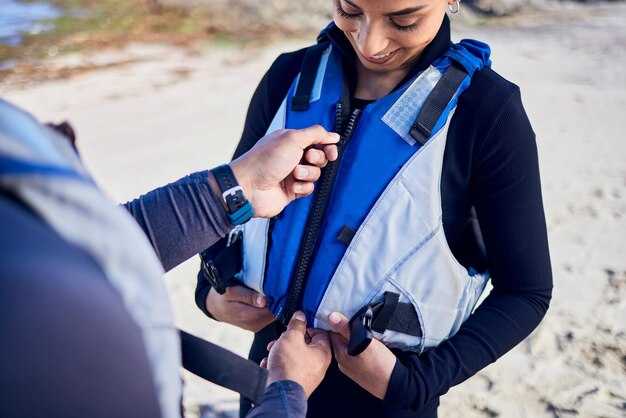
Fit check: Wear the PFD and tighten chest and waist straps; the device should sit high on the chest and feel snug without hindering movement. Ensure there are no gaps at the underarm region and that it stays in place when you bend or twist.
Closures and fasteners: Inspect all closures, including webbing straps and quick-release buckles, and verify they latch securely and operate smoothly. If any part feels stiff, bent, or worn, swap for a new unit.
Inflation system: For devices with a manual inflation tube, inspect the tube for cracks and clear any blockages. For auto types, confirm the canister is present and seated correctly, and check any status indicators if provided.
Cleaning and care: Rinse with fresh water and a mild soap after contact with saltwater or chlorine; wipe dry with a soft cloth. Avoid solvents and abrasive cleaning methods that can compromise fabric or covers.
Drying and storage: Air dry in a shaded area away from direct sun and hot surfaces; avoid folding or compressing the shell, and store in a ventilated bag or hung in a well-ventilated space to reduce wear.
Replacement guidance: If fabric shows tears, straps wear, or closures fail to lock securely, swap for a new unit and note the reason in your maintenance log.
Record keeping: Maintain a simple log with the date of checks and any observed issues; plan a quick check before each season or trip to confirm ready status.
Following this approach keeps fit secure, seams intact, and the inflation system ready for action when it’s needed.
Buoyancy and inflation: test manual and automatic mechanisms safely

Test both manual and automatic inflation on land before relying on it in water. Place the lifejacket on a clean, dry surface and inspect the fabrics for frayed edges, worn cushions, or any sign of damage to the case and seams.
Check the cartridge and inflator head: verify the cartridge is seated down in its housing, the head is secure, and there are no signs of corrosion. If you spot a loose part or a damaged case, do not use the unit; replace components as recommended by the manufacturer. Likely issues during inspection include frayed fabrics or a loose cartridge, so address them before storage.
Manual inflation test: with the jacket removed or loosened, pull the inflation cord firmly to inflate. During the test, hold the exhaust valve open briefly to confirm air flows; then release and let the valve close. If air escapes slowly or stops early, something is frayed or blocked and needs replacement or service.
Automatic inflation check: automatic inflation relies on a water-activated head; you should not trigger it at home. Inspect the auto head for corrosion, cracks, or a damaged seal; verify the CO2 cartridge remains seated and the area around the head is clean. If anything looks off, replace parts through the manufacturer or an authorized service. After inspection, ensure the cushions form a solid buoyant mass and that the exhaust valve vents properly when pressed gently. This helps prevent unexpected inflation when you’re in use.
Maintenance after testing: rinse with fresh water to remove salt, sand, or debris; use a mild soapy solution and a soft brush if needed, then rinse again and let the unit dry well. Clean the fabrics, cushions, and the case; keep the source of moisture away from the case. Store in its case in a cool, dry place. Keep away from toilets and other moisture sources when storing. This routine helps prevent corrosion and keeps the materials in good condition. If youve spotted frayed fabrics or a damaged part, replace it using a source from the manufacturer. Regular checks reduce the risk of drowning if inflation fails when you’re in water.
Preserving and storing reusable and disposable jackets after exposure to water
Begin by rinsing the jacket under clean running water to remove salt and contaminants after exposure, then gently squeeze to remove excess moisture. Place the garment on a clean towel and let it air-dry away from direct sun to prevent shine; this can be challenging, however, with proper steps you’ll help preserve the gear.
For reusable jackets, wash fabrics with a mild detergent on a gentle cycle, then rinse thoroughly. Inspect seams, hems, and any printed reflective panels; check for frayed edges and loose stitching, and serviced as needed. The jacket itself should be examined inside pockets for debris that has been left behind.
After washing, hang or lay flat to dry completely; avoid heat sources. If mildew appears, treat immediately with a mild soap solution and rinse well; never use chlorine bleach on synthetics. Use the hose only for rinsing if you’re outdoors, not as a dryer.
Isinglass seals or laminated layers should be checked for cracks; if the fabric shows signs of wear or the liner stiffens, consider replacing the jacket or parts; for coated fabrics, avoid sharp objects that can tear.
Storing reusable jackets: store inside a breathable place, not airtight, to prevent moisture build-up. Keep away from salt air. Hang to preserve shape or lay flat in a cool, shaded area; avoid heavy weight that can crease fabrics.
Disposable jackets: if tear or heavily mildewed, mark with the date and dispose in accordance with local guidelines; do not wash or service disposable jackets. Keep them separate from reusable gear to avoid cross-contamination.
Maintenance tips: keep a printed, interactive checklist in the place where gear is stored; these clear, easy tips help you stay on top of maintenance. By following these steps, you help extend the life of jackets after water exposure. Review the routine every month.
Boat interior cleaning plan: scheduling, tools, and safe cleaners
Set a monthly interior cleaning on a fixed day, and keep a simple checklist for cushions, areas, and the entire cabin. Whether you dock or sail, consistency makes upkeep easier and protects the body from dull surfaces and odors. However, prioritize ventilation and check videos from trusted channels to see techniques that fit your space.
Gather needed tools: microfiber cloths, a soft sponge, a small brush, a bucket, and a portable machine for quick drying. Use soapy cleaners designed for marine interiors and test on a hidden spot before treating visible areas. Work in a well-ventilated space, place cushions aside, and direct spray to avoid overspread.
Proceed area by area, removing cushions and pieces, then wipe the body and panels with a damp microfiber cloth. Use mild cleaners or soapy water, rinse if needed, and dry thoroughly to maintain condition and keep fabrics looking fresh. After finishing, check that areas look cleaned and re-wipe where needed. Follow the instructions on product labels to confirm suitability for the surface.
Set a simple calendar: a month deep clean combined with weekly quick wipes in high-traffic areas. Regularly inspect cushions and fabric for moisture; keep the cabin dry by opening hatches and cowl vents as needed. Keeping a log about recurring spots and when cleaners are needed; this matter helps you plan the next cleaning session and any deeper refreshes. Store cleaning supplies in a well-ventilated place, and follow the instructions for safe use.