


 Polski
  English (UK)
  Русский
  العربية
  日本語
日本語  한국어
한국어  Magyar
  Türkçe
  Español
  Čeština
  Svenska
  Português
  Ελληνικά
  Suomi
Suomi  Nederlands
  Română
  Italiano
  Français
  Українська
  Deutsch
  简体中文
简体中文  Slovenčina
  How to Handle Rough Water – Essential Tips for Safe Boating">

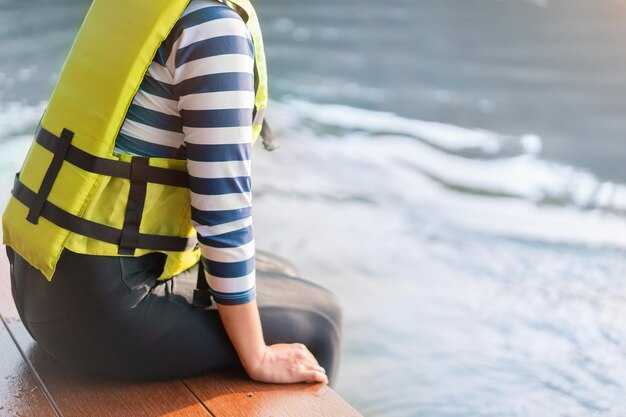
First, put on a Coast Guard‑approved life jacket and secure it properly before you reach breaking water. You wont feel ready at first glance, but this step buys you seconds when a wave arrives and washes over the bow. These actions establish the right baseline for handling chop with calm, coordinated movement.
In rough water, manage trim and load. Keep weight centered, shift slowly, and turn the wheel smoothly rather than snapping the helm. Batten down the cabin and hatch, secure loose gear, and choose a suitable suit for immersion–either a wetsuit or a drysuit can work. Check filtry and fuel lines properly so the engine stays reliable as you ride the swells.
Check the forecast and data: barometric trends and wind gusts signal how rough the water will be. If the haslar barometer drops and seas build, choose a shorter, controlled route and stay clear of the bridge approaches where current can intensify. With limited visibility, rely on radar or AIS if available, maintain a conservative heading, and give yourself room to maneuver.
Before you depart, run through a quick system check: verify the battery is charged, test the VHF radio on channel 16, and confirm the bilge pumps will operate. Make sure filtry are clean and fuel lines are tight, then run the engine with a short idle to confirm readiness. These steps keep you ready when you need to power through or slow down on a following swell.
The idea is to stay proactive rather than chase conditions. If the water arrived at a level beyond what your boat can handle, turn back to sheltered water and wait it out. Choose the right option: reduce speed, keep a steady course, and communicate clearly with the crew. eventually, the swell will lessen, and calmer water will arrive; until then, maintain a steady pace and log these steps as your routine.
How to Handle Rough Water: Safe Boating and Motorboat Handling in Rough Weather
Reduce speed to a safe, cruise-friendly level and lift the bow slightly to ride the wave with less spray. Keep the wheel steady and look ahead to anticipate the next swell, maintaining a controlled, predictable ride.
Seat yourself firmly, keep a tight grip on the wheel, and maintain a comfortable bow angle. If spray or a sudden wave climbs over the bow, stay calm and avoid being confused; your quick, practiced response keeps you in control.
In an encounter with a larger wave, ease throttle to idle if necessary, then push the wheel slightly to align the hull with the wave face. Avoid abrupt steering corrections and keep distance from other vessels to reduce risk if their wake adds to the chop.
Use trim and weight distribution to prevent the stern from lifting. Keep heavier items low and amidships, and ensure fuel tanks are balanced; this practical approach helps you travel with less stress and more control when seas lift and fall.
Look further than the next crest, plan a coastwise route, and have a backup plan if you must dodge a sudden squall. Those with limited experience should stay near sheltered routes, especially on national waters and near shorelines.
| Step | Action | Why it matters |
|---|---|---|
| Pre-trip checks | Inspect life jackets, bilge pump, VHF, fuel level | Ensures readiness before encountering rough water |
| Approach | Reduce speed, trim bow up slightly, keep seated, grip wheel | Reduces chop impact and maintains control |
| Wave encounter | Steer into the wave, avoid sudden throttle changes, maintain distance | Prevents broaching and loss of steerage |
| Post-wave | Gradually resume planing speed, recheck fuel and balance | Stabilizes hull and conserves fuel for remaining travel |
Practical Guidelines for Navigating Rough Seas
Secure loose gear and fasten life jackets; keep passengers seated and belted to stabilize the boat when waves surge from the side or rear.
-
Stabilize weight and brace: distribute gear and passengers evenly, avoiding sudden shifts that could pitch the hull. Secure loose lines and equipment; with large waves, stay down and keep a straight course. started the day with a quick check of bilge and anchor lines; maintaining balance remains key.
-
Communication and navigation: use the radio to report position and weather updates; following national bulletins helps adjust course ahead. Whenever needed, call the captain to confirm plan; between vessels you can share situational data.
-
Helm and speed control: keep hull straight and trim; adjust throttle gradually to avoid pounding. If the sea state is large, slow down and maintain a steady heading to ride the waves rather than fight them. This helps reduce fatigue and risk.
-
Route planning and lookout: choose a route ahead of the worst set, and monitor wind shifts. Avoid zig-zag between breakers; aim for a steady angle to the sea. Always check the chart and GPS, and be ready to shelter behind a peak or island if possible.
-
Passenger safety and handling: direct passengers to stay low, hold rails, and avoid leaning out. Instruct them to keep hands clear of cabinetry; keep aisles clear for quick egress if needed. After rough water, check for injuries and re-seat everyone.
-
Recovery and learning: later debrief, inspect gear, and log any issues; this idea helps inform the next sailing plan and keeps safety in focus. weve found that documenting what worked during an encounter improves readiness for future trips.
Pre-Voyage Checks: Life Jackets, Flares, and Weather Briefing

Always wear a properly fitted life jacket for every passenger and verify the fit before the engine started. Ensure each PFD is USCG-approved, sized for adults and children, and not expired. Inspect straps, buckles, inflators, and oral tubes; test inflation if applicable; store jackets where they stay dry and accessible. These checks guard against difficult conditions and make the time on the water more enjoyable, especially when night runs are near. This isnt the moment to improvise.
Check flares: expiry dates, seals, corrosion; replace if questionable or if the package shows moisture. Store in waterproof container in an accessible location. These signals should align with your boat length and local rules: typically two handheld red distress flares and one electronic signal, plus a whistle. Replace any device that has been damaged or whose expiry has passed, and note the last inspection date to stay prepared if something happened.
Weather briefing: pull a trusted marine forecast before departure and again at the dock. Compare forecasts from different sources to see how conditions compare and be prepared to read them differently; plan for barometric pressure trends and what they imply for wind, waves, and visibility. Check for potential downpour, storm, heavy seas, and choppy water along your route, including at night. Review radar, satellite imagery, wind speed, seas state; set a contingency to reduce speed and increase following distance if a sudden squall or storm approaches. Even if you are experienced, if conditions worsen, delay; otherwise continue with a tighter watch and simpler maneuver plans.
Create an on-site plan: assign roles (who watches the shore, who handles VHF, who monitors weather updates). Run through a quick drill: how to put on PFDs quickly, how to deploy flares from a safe stance, how to maneuver away from a nearby vessel in rough water. These learned steps build trust and guard against panic. Keep a calm voice, believe in your preparation, and remember that safe boating is a continuous process. Just stay calm and rely on these procedures.
Trim and Weight Distribution for Hull Stability
Keep the load low and centered to maintain hull stability. Heavy items go inboard and as low as possible, secured and distributed along the length to minimize trim shifts. This difference in weight between bow and stern can still be managed with careful placement and clear coordination by the captains.
Before cruise, tally ballast: fuel, water, gear, and passengers. Target port and starboard balance within 5-10% of the total load; if you notice a difference, move items to even it out and keep the center of gravity near midships. Don’t let weight creep over the gunwales; stack heavy items low and toward the centerline.
Keep CG near midships and as close to deck level as practical. Place the heaviest items on the centerline, avoid high shelves, and distribute gear evenly fore and aft. A centered position helps stability on rough conditions and makes control easier for the captain when gusts arrive.
In rough weather, use trim and ballast to keep the hull level. If you have trim tabs, set them to a neutral position and adjust in small increments as conditions change. For boats without tabs, shift ballast or move crew weight a little forward or aft to reduce pounding and keep the deck even. Aim for a level ride, not a pitched one.
Secure gear firmly, store heavy items low, and attach tie-downs or nets. Check that anchors, fenders, and water cans are secured before you coast out. This advice comes from the источник of safe operating guidelines and applies to most boat types and conditions.
On an isle cruise or when approaching the coast, weight distribution matters as you load and unload near shore; keeping the bow from rising too high and the stern from dipping helps maintain control in currents and gusts. Later, after loading or refueling, recheck the distribution and adjust if needed to maintain a level position.
Steering Through Waves: Rudder Techniques for Rough Water
Set a stable heading and use small rudder corrections of 5–10 degrees rather than bold turns. This approach reduces pitching and lets you sail more efficiently, which keeps the boat moving toward the destination in rough water. In wind conditions, maintain a steady trim and anticipate each wave rather than reacting after the impact; in rough seas, there is no substitute for steady input.
Turn into the wave when you see a crest breaking near the bow and avoid turning away; a proactive turn helps keep the stern from sliding sideways. though each wave differs, a steady pattern–into the sea, then level–minimizes surge and protects against sudden yaw. If the water climbs, keep your speed moderate so the hull climbs with the swell rather than slamming into it.
If your vessel has stabilisers, engage them to dampen roll and pair with light helm work. Use tools like the wheel, throttle, and stabilisers in the following way: avoid over-correcting, which can risk injuring crew; if you need to batten down loose gear, do it now to prevent hazards. This isnt a moment for bravado–practice calmly and well, because the idea is to keep control without injuring anyone.
Utrzymuj stałą przepustnicę, aby zrównoważyć jednostkę, wykonując przewidywalną sekwencję: skręć delikatnie w kierunku czoła fali, przytrzymaj, a następnie wróć w kierunku środka. Ta praca zapobiega uderzaniu kadłuba; kadłub może wspiąć się na szczyt zamiast uderzać, co poprawia komfort dla wszystkich. Wykonanie tych kroków pomaga utrzymać kurs w kierunku celu, nawet gdy porywy wiatru zmieniają się, a morze kołysze.
Gdy warunki wydają się chaotyczne, zwolnij, przejrzyj plan i trzymaj się rutyny. Jeśli czujesz się zdezorientowany, wróć do podstawowych danych wejściowych i sprawdź ponownie ustawienie przepustnicy i steru; gdy nabierzesz pewności, procedura stanie się drugą naturą. Priorytetem jest bezpieczeństwo: zabezpiecz luźny sprzęt, użyj stabilizatorów i bądź czujny na załamujące się fale i potencjalne wywrócenie. Takie podejście zapewnia bezpieczeństwo, dobre przygotowanie i możliwość dotarcia do celu z pewnością siebie.
Kontrola przepustnicy: Dostrajanie prędkości, by płynąć po wzburzonym morzu
Ustaw przepustnicę na 65–70% pełnej mocy, aby ustabilizować jazdę w kierunku celu w zafalowanym terenie. To ustawienie zapobiega uderzaniu dziobu, jednocześnie zachowując przyczepność kadłuba do wody; jeśli fale się wzmogą, zmniejszaj moc małymi 5% dawkami i unikaj przekraczania 75% na stromych falach czołowych, aby zapobiec skakaniu.
Głowa do góry, ramiona do tyłu, ręce na piedestałach; trzymaj mocno kierownicę lub joystick. Utrzymuj stały kurs z lekkim trymem do przodu, aby przód znajdował się ponad bryzgami, i utrzymuj łatwą kontrolę nad dziobem między falami.
Bernoulli: Zasada Bernoulliego pokazuje, że ciśnienie spada wraz ze wzrostem prędkości, wytwarzając siłę nośną, która może podnieść przód; efekt pozostaje, gdy fale się zmieniają. Użyj trymu i stałej przepustnicy, aby utrzymać równowagę siły nośnej; jeśli dziób się podnosi, lekko zmniejsz moc; jeśli rufa się zagłębia, dodaj odrobinę mocy, aby utrzymać trakcję.
Kapitanowie muszą dawać sygnały i informować pasażerów prostymi wskazówkami. Bezpieczeństwo pozostaje priorytetem: monitoruj nadchodzącą pogodę, obserwuj linie burzowe i w razie potrzeby dostosuj prędkość lub kurs. Między falami skanuj przed siebie, płynnie reguluj sterowanie i unikaj gwałtownych skrętów na wzburzonej wodzie.
W przypadku łodzi o wysokiej wolnej burcie, zmniejsz przepustnicę o 5–10% podczas wchodzenia na bardziej strome fale, a następnie sprawdzaj jakość pływania co 2–3 minuty. Jeśli fale przelewają się przez dziób, przenieś ciężar do przodu, trzymaj stopy mocno na podłodze, a pasażerowie powinni siedzieć nisko i trzymać się relingów dla bezpieczeństwa.
Pamiętaj, że łodzie reagują różnie; kadłuby reagują na trym i przepustnicę w sposób trudny do przewidzenia. Ćwicz na spokojnym morzu, a następnie zastosuj to samo podejście w trudniejszych warunkach. Następnym razem, gdy zmierzysz się z wzburzonym morzem, utrzymuj stały kurs, pozostań z przodu, trzymaj przepustnicę na ustalonym poziomie i zachowaj bezpieczeństwo podczas kolejnej nawałnicy.