


 Polski
  English (UK)
  Русский
  العربية
  日本語
日本語  한국어
한국어  Magyar
  Türkçe
  Español
  Čeština
  Svenska
  Português
  Ελληνικά
  Suomi
Suomi  Nederlands
  Română
  Italiano
  Français
  Українська
  Deutsch
  简体中文
简体中文  Slovenčina
 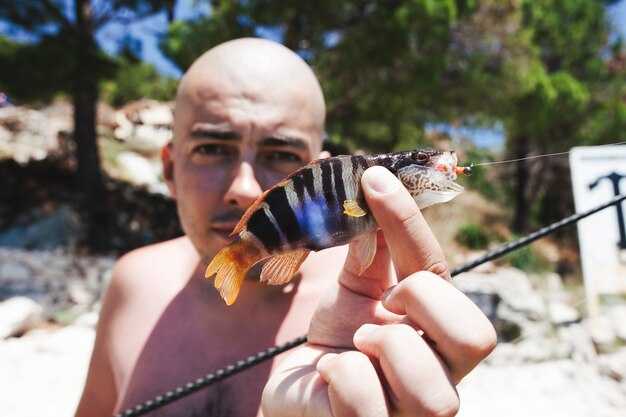 How to Catch Catfish – Expert Tips on Bait, Gear, Techniques">

Start with locating a hole on a shallow downstream bend where the current slows and structure concentrates prey. countyfeatures such as submerged timber, rock ledges, and a wide bottom profile draw the most active fish; scan the shore for signs of sunfish activity and feeding along the edge.
Set up a sliding rig on a robust tackle setup with a sturdy line, a 2–4 oz weight, and a strong circle hook. Use a sunfish chunk or whole sunfish as the lead piece, keeping the mouth of the fish oriented toward the point. Employ a hybrid setup that blends weight and sensitivity, ideal for bottoms and snag-rich runs. Cast across a range of depths from shallow to mid-column, and be ready to adjust the leader length depending on cover.
Execute the retrieval with rhythm: cast along the downstream edge and let the bait settle; when a tug comes, pause, then sweep the rod tip and feed line to keep contact. The slowest bites often arrive after the weight settles near the bottom; stay patient, guard against snags, and let every test teach you the water. If you love quiet patience and precise timing, this approach is rewarding, because the fish gravitate toward the bait, bringing steady action from them.
Adapt to the river’s rhythm because the pattern depends on season, current, and light. In your home waters, mark where you find them most often: near holes, along the shore, or downstream from big structure; note how often bites occur at dawn or dusk. sometimes the best bites come after a short adjustment, so move a few arm lengths and recheck the line. The reward is steady, and the tackle you build today will pay off every outing.
Practical Catfish Angling Guide
Use a minimum 20–30 lb mainline with a 12–24 in leader, a 2–3 oz sliding weight, and a sturdy circle hook. Anchor down in coves where riprap lines the shore and current slows; present them just off the bottom where the edge structure holds fish. Keep the line taut to register quick takes, and adjust your position with each cast based on water clarity. These setups have fished reliably across coastal bays and okaloosa lagoons.
For attractants, use sucker chunks, mullet pieces, crawlers, and a dough ball option; try your favorite combination and test each element to isolate results. The stink of natural scents matters; use unique presentations to improve response. With clear water, go lighter; with stained water, extend the longer leader and let scent linger. In okaloosa coves near riprap, this approach shines. If you fish into longer sessions, stock extra chunks; they stay effective across tides.
Target zones by depth: flathead favor deeper edges, striped cats lurk near structure at night; place one line toward deeper pockets and another toward shallower zones to cover multiple possibilities. As advised by local captains, adjust angle and use staggered lines for easier detection of subtle taps. Each cast should bring the offering within reach of likely holds, and when you see a line twitch, give a firm but controlled set. Fished this way, you can feel the difference between a light nudge and a real bite, easy to distinguish; determined by tide and wind, keep your stance steady and read the current before the next cast.
| Condition | Setup | Uwagi |
|---|---|---|
| Calm, clear water near coves | 20–30 lb line, 12–24 in leader, 2 oz weight, circle hook; sucker or mullet chunks | Present just off the bottom, near riprap |
| Murky water, dusk | Longer leader, dough ball, crawlers | Stink attractants boost visibility; okaloosa spots respond well |
| Deep flats with current | Anchor down; two rigs aligned to hold in cross-current | Target flathead more; maintain minimum tension |
Choosing the right bait for catfish by species and water conditions
Start with live shad on forked-tail rigs in slow-moving lakes spanning acres; this choice yields the most rewarding bites for blues and flatheads when temperatures hover between 60 and 78°F. Place the set-up near the bottom and tend the line through weed edges and along creeks, where fish frequently pass by in sunshine.
Channel catfish in public waters respond well to cut shad or chicken liver. Use a robust set-up with 2–4 oz weights and a strong leader, and fish near submerged logs or along back eddies where current slows. If the bite is slow, wait the minimum time before swapping baits, then switch to a stinkier option or a fresh cut to keep their attention through the day.
Blue catfish prefer bigger offerings in large reservoirs or lakes well over 100 acres. Go with live shad or large cut bait, targeting depths of 20–40 feet when temperatures rise into the 70s. Use 6–10 inch baits on multi-hook rigs and a heavier line to hold bottom in current. In stained water, add scent and adjust leaders to keep the bait inside the backwash that blues patrol.
Flathead catfish bite best on live fish such as bluegill or shad, often around submerged wood and logs. Target slow-moving channels and brushy cover near Woodruff areas or other woody structure; use bottom rigs with heavy weights and circle hooks sized 6/0–10/0. In lakes with clear water, offer natural presentations; in murk, lean toward larger, stronger baits to trigger sight and bite signals.
Water conditions dictate placement: in lakes with clear water, mimic natural forage and keep baits steady near cover; in akrów of murky water, increase bait size and scent to reach fish through the glassy or turbid layers. Orlando-area public lakes and similar stany demand frequent changes in depth and distance from shore, especially on sunny days when fish back off to cooler zones. If a bite is determined by line movement rather than visible strike, adjust depth and switch to shad or cut bait that matches what the fish have been feeding on.
Hook types and rigs for flathead, channel, and blue catfish
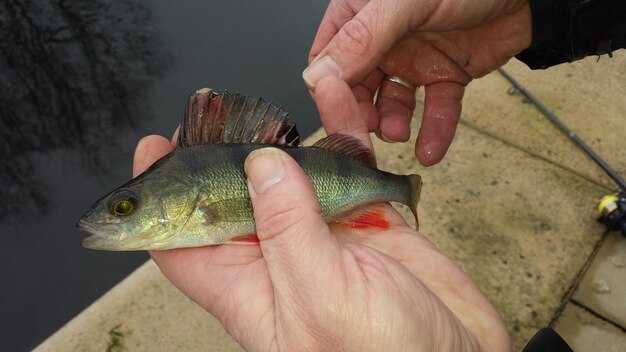
Begin with a Santee Cooper bottom rig: 6–8 oz weight, bead, and barrel swivel, plus a 12–18 in leader to a circle hook for blue catfish; switch to a large J-hook or curved point for flatheads. Spooled braided line provides the necessary strength, and a stout knot keeps connections secure. In muddy current, add weight to pin the rig to the bottom. This setup tend to hold in current and minimize snagging near cover, creating reliable opportunities from tailwaters to deep holes.
Flathead-focused configuration relies on direct bottom contact: a single large hook (5/0–8/0) on a 12–24 in leader with a bottom-hugging stance. A Texas rig with a slip sinker works well, or run a dropper loop with a curved hook to keep the bait near the riverbed. Use 6–8 oz in moderate flow to maintain contact; a straight or curved hook aids clean hooksets on big fish.
Channel cat rigs favor simplicity and quick, solid hookups: a bottom setup with a slip-sinker and one or two hooks, weights 1–4 oz, and circle hooks (#4/0–#7/0) to minimize gut hooking. A short dropper leader keeps the bait in the strike zone while the main line moves with current. In calmer water, a Texas rig offers dependable performance with a single hook and light weight (1–2 oz).
Blue catfish demand heavy tackle and reinforced connections: 8–12 oz weights in flowing water, 60–100 lb class braided line, and long leaders. Either Santee Cooper or Texas rigs work well; circle hooks boost hookup efficiency and reduce handling stress. In slow tailwaters, try artificial lures such as crankbaits to locate fish, then switch to dough balls or paste-based attractants mounted on the hook to seal the bite.
General setup notes: plan from the ramp, coordinate with friends, and begin early in the season when flows are favorable. Use spooled braided line for performance, keep weights heavy enough for muddy conditions, and choose hooks with curved or straight profiles based on bite style. Such rigs tend to deliver, even when fish hold deep or lurk near cover, and they translate well across multiple water bodies and seasons.
Rods, reels, lines, and terminal tackle for freshwater catfishing
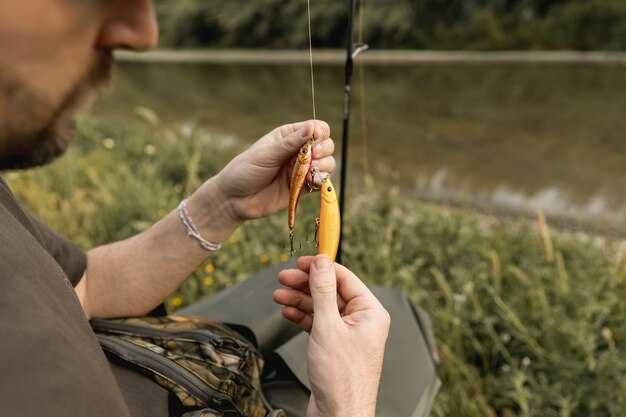
Best starting setup for freshwater catfish is a 7-foot to 7.5-foot rod with medium-heavy action, paired with a sturdy reel and smooth drag. Use about 200 yards of 20 lb braided line backed by 12- to 15-lb monofilament, or run straight braid for deep, beefy control. This setting lets you bring them out of dense cover and patches across acres of water, turning the battle into a controlled, powerful fight.
Line choice and handling: Braided mainline delivers very sensitive feel and strong performance, while a fluorocarbon leader 20–40 lb resists abrasion from rocks and timber. Soak the leader before tying to reduce knot slip in cold water. This setup offers a fantastic balance between learning and control, especially when you fish near sunfish and striped patches that mark weed lines and feed zones across acres.
Terminal tackle: Use hooks sized 4/0–8/0, with circle or wide-gap shapes depending on bite style. A sliding sinker above a bead and swivel prevents line twist; pair with a 20–40 lb fluorocarbon leader for abrasion resistance when fishing into timber and dense cover. This arrangement stays strong in a battle and keeps big fish from tearing off.
Rigging and setting: Approach this sport with a simple rig that works in wintering pools and dense cover. If youd prefer simplicity, begin with the Carolina rig. Tie knots with a reliable palomar or improved clinch; keep line setting taut as you probe patches in acres of water, including weed beds and sunfish schools. Their feeding tends to be gorging during warm spells, so stay focused and smooth, happily turning learning into solid results.
Baiting tactics: fresh bait vs. stink bait, scent trails, and presentation
Begin with live beef bullheads as your main attractant; harvested from a licensed fishery, these fish stay dense in a cooler and deliver strong aroma. Thread 2–4 on a sliding leader so the hook sits 6–12 inches off the bottom, then cast along the shore, side channels, and maidencane patches where activity is highest. Access public ramps and prepare for early drives; plan year-round trips, looking for movement near structure and chasing the target in the same area. In the Weohyakapka fishery and nearby public waters, this setup produces consistent results.
Świeże, żywe sumiki bycze rozsiewają wyraźny zapach w czystej wodzie; w mętnej wodzie lub w warunkach silnego prądu, użyj zgniłego atraktora na bazie ryb, aby przedłużyć smugę zapachową za zestawem. Stosuj umiarkowane ilości, aby zwabić ryby bez przytłaczania zanęty; mniej często znaczy więcej, a możesz odświeżać co 20–30 minut w stabilnych warunkach, sprawiając, że zapach wypełni cały słup wody.
Ślady zapachowe: pozwól prądowi nieść aromat wzdłuż dna w kierunku strefy docelowej; prowadź wzdłuż krawędzi trzciny dziewiczej, kieszeni chwastów i uskoków, gdzie gęsta pokrywa skupia ryby. Tocząca się prezentacja pomaga utrzymać kontakt przynęty z dnem, jednocześnie pozwalając zapachowi dryfować w tym samym kierunku. Wody dostępne przez publiczne punkty dostępu w pobliżu łowiska Weohyakapka dobrze reagują, gdy ustawisz linki skierowane w stronę wiatru i prądu.
Liczy się prezentacja: użyj zestawu przesuwanego, aby utrzymać przynętę z dala od zielska i kontrolować głębokość. Stosuj zmiennie powolne opady i dłuższe, jednostajne spływy, aby przeszukiwać ten sam odcinek; utrzymuj prezentację 15–30 cm nad dnem, gdy występuje struktura, i opuszczaj głębiej, gdy dno wznosi się bardziej stromo. Prowadź wiele zestawów z brzegu, aby zwiększyć pokrycie, szczególnie podczas porannych lub popołudniowych sesji, i koordynuj działania z kolegami na tej samej łodzi w celu efektywnego prowadzenia – takie podejście ułatwia adaptację do zmieniających się warunków.
Notatki terenowe: zapisuj pogodę, przejrzystość wody i jakie atraktory wywołały akcję; szukaj oznak ukrytej aktywności – naruszone błoto, smugi na wodzie lub ruchy ogona – i szybko reaguj. W miejscach publicznych blisko brzegu i gęstych skupisk trawy Panicum hemitomon możesz osiągnąć stałe rezultaty przez cały rok, utrzymując stały dopływ zebranych, żywych przynęt o smaku wołowiny. Udostępniaj aktualizacje Orlando, ośrodkowi rybackiemu Weohyakapka i pobliskim źródłom wiadomości, aby być na bieżąco i osiągać wyniki w odniesieniu do tego samego gatunku docelowego.
Brania brań i czas: jak optymalizować brania w zależności od pory roku i dnia
Planuj łowić ryby w okresach zmierzchu i świtu – kiedy woda lekko się ochładza, a aktywność wzrasta. W systemach wschodnich i północno-wschodnich te godziny na płytkich łachach i w pobliżu zarośli przygotowują grunt pod wyraźniejsze sygnały brań i szybsze reakcje.
- Wiosna: przypływ po tarle i płytsze żerowanie
- Najlepsze pory: od świtu do południa, zwłaszcza w pobliżu brzegu i punktów dostępu wzdłuż rzek i zatok, takich jak ujście rzeki Apalachicola.
- Krótkie podpowiedzi: spodziewaj się szybszych brań, gdy ryby wpływają na obszary o głębokości 0,6–2,4 m wokół skupisk zarośli i miejsc, gdzie bassy i inne gatunki gromadzą się luźno w ławice; wypatruj krótkich, zdecydowanych pociągnięć i stałego naprężenia żyłki, gdy ryby chwytają przynętę.
- Uwagi dotyczące wzoru: ryby te uwielbiają przemieszczać się po ciepłych strefach i lubią strukturę, która przerywa prąd; używaj woblerów imitujących shad i inne przynęty, a następnie przejdź na głębsze zestawy, jeśli akcja przeniesie się na otwarte wody.
- Wskazówki dotyczące sprzętu i przynęt: planuj łowić na odsłoniętych brzegach i w punktach dostępu dla łodzi przy użyciu sprzętu o średniej akcji; używaj przynęt w zakresie 5–10 cm, aby zachęcić powolne, rozważne brania typowe dla późnej wiosny.
- Lato: upał spowalnia tempo brań; maksymalizuj koncentrację
- Najlepsze pory: o świcie lub blisko zachodu słońca; w upale dnia ryby schodzą do głębszej wody lub pod nawisy, więc przenieś się na głębokość 2–6 metrów i do gęstej roślinności wzdłuż brzegów lub przez kanały.
- Brzmienia brań: najmniej gwałtowne brania pojawiają się, gdy linka na moment słabnie, po czym następuje mocne pociągnięcie; obserwuj subtelne potrząsanie głową i delikatne branie na początkowym centymetrze linki, gdy ryba zabezpiecza przynętę.
- Wskazówki dotyczące wzorów: celuj w miejsca z dostępem do głębszych termoklin i ławic shadów żołądkowych; planuj omijać sumiki karłowate i inne ryby denne, które żerują intensywnie na spadających z powierzchni shadach.
- Zalecenia dotyczące sprzętu i przynęt: używaj woblerów imitujących ławice śledzi i dostosuj się do wolniejszego, bardziej metodycznego zwijania; utrzymuj zestawy blisko kryjówek, ale unikaj nadmiernego umieszczania na otwartych falochronach.
- Jesień: okno żerowania się poszerza; brania stają się zdecydowane
- Najlepsze pory: przed świtem i po zmierzchu, z okresami ciepłej pogody wydłużającymi aktywność; w rozległych systemach rzecznych, miejscach wzdłuż północno-wschodniego wybrzeża oraz we wschodnich basenach obserwuje się regularne brania na płytszych i średnich głębokościach.
- Brania żerowania: spodziewaj się mocniejszych brań lub nagłego opadu, gdy aktywne stada wchodzą w strefy 1,2–3,7 m; wiele brań następuje, gdy ryby okrążają zarośla i wpływają na otwartą wodę w pobliżu przeszkód.
- Wskazówki dotyczące wzorców: ławice ryb gromadzą się wokół płytkich półek i cypli; skup się na miejscach dostępu i krawędziach linii brzegowej, gdzie fale napędzają przynętę.
- Dobór przynęt i wabików: priorytetowo traktuj niezawodne przynęty, które dobrze się rzuca z brzegu lub z łodzi; zaplanuj pracę z mieszanką prezentacji w płytkiej i średniej głębokości, często przełączając się między wzorami imitującymi płocie a bardziej agresywnymi crankbaitami.
- Zima: zimne fronty, cierpliwe sondowanie, głębsze uchwyty
- Najlepsze pory: późny ranek do wczesnego popołudnia, kiedy po ekspozycji na słońce tworzy się płytka, nagrzewająca się strefa; szukaj w poprzek głębszych kanałów i wokół struktur, które zachowują ciepło resztkowe, w tym pozostałości po krzakach i nasłonecznionych brzegach.
- Delikatne brania: brania są najwolniejsze i najbardziej rozważne; obserwuj minimalny ruch linki przed szarpnięciem, które przeradza się w stałe pociągnięcie, często odczuwalne jako subtelne szarpnięcie na dnie.
- Wskazówki dotyczące łowienia: celuj w miejsca dostępu i stanowiska na otwartym morzu, w których znajdują się shad amerykańskie i inne ryby stanowiące pokarm; planuj łowić wokół sumików brunatnych i innych ryb dennych gromadzących się w pobliżu głębszych kryjówek.
- Porady dotyczące sprzętu i przynęt: używaj grubszych żyłek i wolniejszego, cierpliwego tempa; rozważ większe przynęty lub naturalne prezentacje, aby sprowokować branie w zimniejszej wodzie.
Kluczowe elementy strategii sezonowej: skup się na miejscach, gdzie zarośla i struktura przytrzymują przynętę, ustawiając się w pobliżu punktów dostępu, linii brzegowych i wzdłuż kolumn wody, gdzie przemieszczają się ławice ofiar. W regionie Apalachicola i innych wschodnich wodach regularne kontrole wzdłuż linii brzegowych i głębszych kanałów przynoszą najbardziej spójne wyniki. Zaplanuj rzuty z łodzi lub brzegu i dostosuj się do otoczenia – idealne okno na brania często zależy od pogody i temperatury wody: gdy jest spokojnie, widok aktywnych ryb w pobliżu linii zarośli wzrasta, a gdy wieją wiatry, cienie i podwodna struktura napędzają ciągłe żerowanie. Na wielu stanowiskach zobaczysz zmiany średnich prędkości; najlepsi wędkarze uczą się sondować mniej aktywne obszary, a następnie skupiać się na najbardziej obiecujących miejscach, z cierpliwością i metodycznym podejściem. Regularnie wracaj do punktów dostępu i skupisk zarośli na ulubionych trasach w północno-wschodniej części kraju, aby odświeżyć plan i dostrzec zmiany aktywności od świtu do zmierzchu.