


 Polski
  English (UK)
  Русский
  العربية
  日本語
日本語  한국어
한국어  Magyar
  Türkçe
  Español
  Čeština
  Svenska
  Português
  Ελληνικά
  Suomi
Suomi  Nederlands
  Română
  Italiano
  Français
  Українська
  Deutsch
  简体中文
简体中文  Slovenčina
 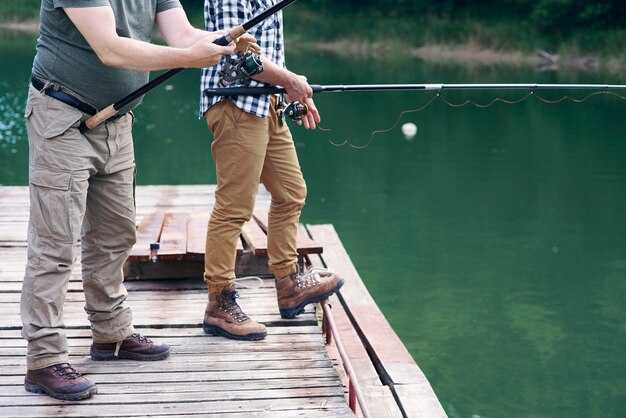 Fishing Licenses – Why They Are Important and How to Get One">

Get your fishing license this season to fish legally and support healthy ecosystems. The license funds fishery management, reduces pollution, and ensures your participation helps water quality and habitats where you fish.
The license will help manage water quality, restocking programs, and enforcement efforts. Your payment supports these activities and will safeguard fish populations for multiple seasons, including popular targets like pike.
Who must apply? Individuals who fish public waters must apply. Unless you fish on a private pond with landowners’ permission, you may still need a permit for certain species. A veteran may qualify for reduced fees, and landowners who manage water on their property should verify any extra tags or licenses required. Discounts are available for many individuals.
Where to apply and how to pay? You can apply online or at a local office. The process is straightforward: confirm your age, select your license type, and, if needed, choose a payment option. You will receive a license immediately, plus tags you must carry when you fish, and a receipt for your customer records.
Required documents include a valid ID and proof of eligibility for any discounts. The license comes with a durable tag you must display while fishing; some waters need additional tags for landowners or certain waters. Fees depend on age and residency, with reduced rates for a veteran and for multi-year options. You can pay by card, check, or cash using the option that fits you best.
The following steps help you get set quickly: gather ID, confirm eligibility, apply online or in person, and check your payment option before submitting.
Additionally, licenses support conservation work on species such as pike and bass, with data helping managers adjust bag limits and seasons. Data collection includes tag counts from anglers and records on pollution incidents near recreational waters, guiding improvements for landowners and communities.
As a customer, you benefit from clear rules, predictable seasons, and a straightforward renewal process. Your license helps fund habitat protection and reduces illegal fishing by creating lines of accountability on the water. Follow local guidelines and keep your tags updated to enjoy fishing year after year.
Understanding Fishing Licenses for Tidal Waters

Buy the correct licences before you go fishing in tidal waters. These licences are issued by a government authority or a corporation contracted to manage licences, and they define where you can fish, what you may catch, and the payment you owe.
For tidal zones, start by identifying the exact area–such as the south coast estuary or a river mouth–and then review the local rules for that zone. The most common requirement is a licences that covers saltwater access, with clear limits on species and bag sizes.
Plan your trip with these steps to stay compliant and maximize your time outdoors:
- Define your target area: south coast, estuary, or near a river outlet.
- Confirm who issues the licences: a government department or a contracted corporation.
- Choose the licences type: usually an annual plan or a daily permit; choose based on how often you fish.
- Check which species are allowed, such as pike or other coastal species, and know the bag limits and seasonal restrictions.
- Understand payment and charge: licences have a fee, payable online, at authorized retailers, or at service centers; keep a receipt or digital copy for proof.
- Learn about exemptions or discounts: some groups, like service-connected individuals or a pensioner, may qualify for reduced licences after providing documentation.
- Notes on trapping: if you trap bait or collect live bait, verify any trapping licences or separate permits required in tidal waters.
- Ensure you know the allocation of resources and how to access official online resources or contact customer service for guidance.
- If you are owning fishing gear for tidal waters, ensure you hold the appropriate licences.
- Carry either a physical licence or a digital copy; some areas require physical verification on-site when you are outdoors near the water.
After purchasing, keep your licences on hand when you fish. Leaving the licence at home can lead to fines or missed opportunities, so transport and protect it during your outdoor plans.
Fishing Licenses: Why They Matter and How to Get One for Tidal Boats
Get your tidal-boat license now from a local shop or official online portal to stay legally compliant and avoid fines. Licenses for tidal boats come in types: annual, seasonal, and daily. Choose based on how often you fish and the water conditions in your area, especially near rivers i inne waterway routes you frequent.
Where to buy: In victoria or elsewhere, check shops that issue licenses or visit the official portal for a print-ready card. The license usually includes a plastic card you can carry on board; many regions also provide a written receipt that you should keep handy. If you prefer, you can request full details by phone or email from the issuing officers.
Do manage to legally, gather needed documents: proof of identity, vessel registration, and the waterway where you fish. The needed information, together with your boat types, determines the payment amount and license term. Keep a printed copy on you in case of checks by local officers.
Fees vary by license types and residency: nonresident licenses cost more than locals. Payment can be made at shops with card or cash, or online through the official portal. Print a receipt and store it with your license for quicker verification and saving time on future renewals.
How to apply: you can visit retail outlets or the official site to request a license; many shops present clear options and compare terms. If you fish in small rivers or sheltered bays, a shorter-term license may suit your schedule better, while a veteran fisher might choose a multi-year plan for convenience.
Clear rules for tidal waters: your waterway might include rivers and coastal channels with specific bag limits and gear rules. Always carry your license while catching and harvesting, and keep it in view if you are stopped by officers. Losing the license card creates delays, so guard the plastic card and print copy in a safe spot.
Bottom line: whether you fish regularly or casually in victoria, getting the right licenses keeps you legal and helps conserve waterways. Local shops, online portals, and official print options provide flexible paths, with payment methods that suit most budgets. Better compliance protects you from penalties and supports sustainable catching limits for rivers and other waterway habitats.
Who Must Hold a Tidal Boat License (age, residency, vessel type)
Recommendation: If you operate a tidal boat, obtain a tidal boat license that matches your age, residency status, and vessel type. Usually, the minimum age is 16, though some areas require 18 for commercial use.
Age rules vary by region. You must be old enough to hold the license, and residency determines eligibility and fee levels. Nonresidents often apply for a separate permit or pay a different rate.
Vessel type matters: the license typically covers motorized boats on tidal waters, as well as certain non-motorized craft when they are used for fishing or transport. Engine size, hull class, and whether you act as owner or operator can affect whether a license is needed.
These licenses cover the primary activities on tidal zones, such as boating and fishing. If your operations approach freshwater interfaces, verify whether your tidal license also applies there or if a separate freshwater license is required.
Tribal lands and landowners: In tribal waters, tribal authorities may issue their own licenses. Landowners with access to adjacent estuaries should notice local requirements and any posted notices from authorities.
To stay compliant, purchasing options include online or by phone, and licenses can be purchased and issued for immediate use or mailed. Keep a valid copy on board and renew before it expires to avoid disruption.
If you plan to hunt from a tidal boat, verify whether the license covers hunt-related activities or if a separate permit is required; check these initiatives and coordinate with landowners or tribal authorities before heading out.
Mandatory vs Optional Licenses: What’s Covered by the Tidal Boat License
Get the mandatory Tidal Boat License before you sail in tidal waters. Older operators may benefit from pre-filled records and faster checks.
The license status defines what you may do and where you may go. The mandatory license covers:
- Status and identification: your official operator status is recorded in a local registry; you will usually receive a physical card or an online credential you can present when checked.
- Operating zones: it includes permission to navigate in designated tidal zones and may specify vessel size, engine power, and safety equipment you must carry.
- Fish activities in tidal waters: if you fish from a tidal boat, the license includes specific permissions for target species, seasons, and catch limits within the covered area.
- Residency and locality: rules apply to residents and visitors; in Victoria, the local authority may require you to reside in the state or hold a temporary permit when you travel with a boat.
- Safety and compliance: linking to course requirements, lifesaving gear checks, and reporting requirements for incidents or near-misses.
Optional endorsements exist for those seeking broader access or incentives. This is usually an option if you plan frequent trips or run a crewed boat. Endorsements may add:
- Expanded fishing privileges in additional zones and, in some cases, more access than the base license.
- Advanced operations in higher-risk tidal conditions.
- Priority processing if you submit an online request.
How to obtain and manage the license:
- Research local rules online and confirm what is required before you apply.
- Open an account with the local authority and prepare the requested documents.
- Submit a request for the license and any optional endorsements; you will usually pay a fee. You can find cost details and processing times in the online portal.
- Choose between a physical card or a digital credential, and keep the information in your account up to date.
- Renew before the end of the validity period to maintain status on your record.
Notes for travelers: residents in Victoria or other regions should check the local office for specifics; the rules and availability of online vs in-person services can vary, so plan ahead and keep a copy of your license accessible in case of checks. The status resides in your account and on the physical card, ensuring you can prove eligibility if stopped on the water. Typical validity spans several years; then renewal is required to keep the status active. Your continued efforts to keep records up to date save time during checks.
Step-by-Step Guide: Applying Online or In Person
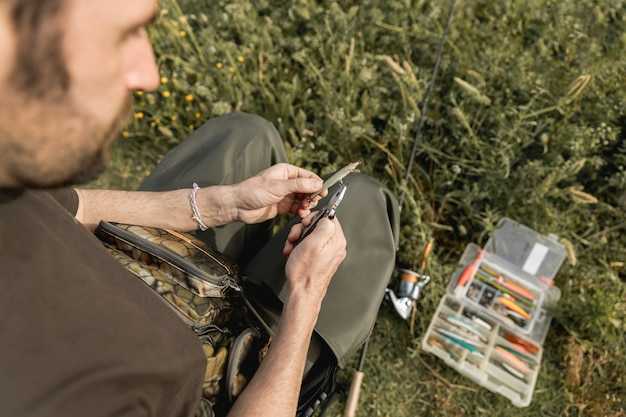
Apply online first to start quickly and avoid extra trips. The online portal sends instant confirmations, lets you review info, and lets you print a receipt for your records.
Gather needed info before you start: your name, date of birth or age, address in the north region where you’ll fish, and a plan for proof of owning property if required. If youre junior, have a parent or guardian ready to provide consent. Know what you need before you start; list any IDs or supporting documents you’ll need to prove residency and age.
Choose the option that fits your schedule: online if you want speed and tracking, or in person if you need to discuss special cases. Offices located in major towns can handle both paths, and you can check status later with the confirmation number.
Online steps: open the official portal, enter accurate info in each field, read and agree to the agreements, upload needed documents, and pay the fees with a card or other supported method. After submission, youre given a tracking number and you can print the confirmation for reference using available resources.
In-person steps: locate a nearby licensing office, check hours, bring valid ID, proof of age if required, and your payment method. You may receive a temporary 28-day card to fish while the full license is processed; you can also collect printed documentation at the counter.
Fees vary by jurisdiction and fishing type, but you can expect online options to be priced similarly to in-person visits. Check the exact fees on the official site before submitting; avoiding surprises saves time and prevents penalty later.
After approval, print or store the digital license; verify your name, license type, and tags on the card. Keep a copy of the agreements and rules in your resources, and check your status periodically to stay legal and compliant with local rules. If you have questions, check with the enforcement forces or their offices. If you violate terms, you may lose your license.
If you need help, use the official resources and contact options listed by the licensing authority. Their guidance covers what info you need, where to locate offices, and how to replace a lost card or update your details without extra penalties. Their site also helps you connect with their staff for additional support.
Required Documentation You’ll Need to Submit
Submit the following documents in one packet to speed processing and prevent delays at the commission desk. This bundle links your customer account to your fishing activity and confirms eligibility for the license.
Gather items that prove identity, address, and activity history. Include a valid photo ID, proof of address, and your date of birth to verify age and ownership of the account. If you’re a pensioner or have a disability, add the relevant concession cards or letters and a copy of your disability or pension status.
Choose your submission method: upload scans to your online account for fast review, or bring originals and copies to a local licensing office. In either case, keep clear, legible copies and label each document so staff can match them quickly to your account.
Keep records tight and organized by type, then manage the materials so they’re easy to close once the review completes. The following table lists the items you’ll typically need.
| Document | What it proves | Where to obtain | Uwagi |
|---|---|---|---|
| Proof of identity (valid photo ID) | Links to your account and confirms age | Passport office, DMV, or government agency | Names must match the account; bring originals and digital copies |
| Proof of address | Residency for the water region and license eligibility | Utility bill, bank statement, government letter | Issued within last 3 months; if renting, include landlord contact |
| Date of birth | Age verification for licensing categories | ID document or birth certificate | Use the same name as the account |
| Concession documents (pensioner or disability) | Eligibility for reduced fees | State or local welfare offices; health or pension cards | Include card number or a copy of the card |
| Previous license or fishing tags (renewals) | Historical activity and stocking records | State commission records or previous license | Provide license number if available |
| Payment method details | Verification of license type and fee | Online account or in-person | Methods: credit card, debit, bank transfer |
| Stocking documentation (if applicable) | Proof of involvement in stocking programs | Forest or regional stocking records | Include stocking logs or tags from the program |
| Species-specific permits (e.g., pike) | Permissions for catching or stocking specific water bodies | Authority portal or issued certificate | Include any relevant seals or official stamps |
| Other regional documents | Regional rules and local permissions | Official regional offices or portals | Attach any extra documents related to Victorian waters |
When you list activities such as bait usage or hunting alongside fishing, add notes about the water type and region (domestic rivers, Victorian forest lakes, or other waters) to avoid mismatches in your file. You can manage multiple items by grouping them under the same account and tagging each appropriately with identifiers such as water type, stocking status, or vessel number.