


 Polski
  English (UK)
  Русский
  العربية
  日本語
日本語  한국어
한국어  Magyar
  Türkçe
  Español
  Čeština
  Svenska
  Português
  Ελληνικά
  Suomi
Suomi  Nederlands
  Română
  Italiano
  Français
  Українська
  Deutsch
  简体中文
简体中文  Slovenčina
 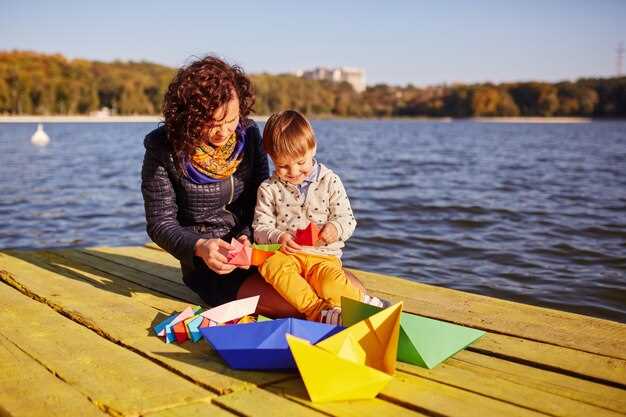 Rodzinne atrakcje żeglarskie – niezapomniane dni na wodzie">

Rent a boat for a 4-hour holiday outing with kids, ensuring safety vests are worn, anchor secured, and a simple sail plan keeps everyone engaged while wind stays friendly. Look for access to calm coves, snorkeling spots, and chances to create better memories under stars after sunset.
For planning, compare rates across local operators; renting a boat near harbor can save time; they usually include gear such as vests and snorkel sets; look for pirate-themed add-ons to boost mood, which will engage youngsters and fuel participation.
Prioritize comfort during your voyage: bring sun protection, fluids, and a compact first-aid kit; seating pads or sleeping mats help when docked for a rest; keep sound safety cues simple, assign roles, and set a clear return time to avoid fatigue; access simple checklists so kids remember best moments and plan next outing.
Plan a Safe, Budget-Friendly Family Boat Day
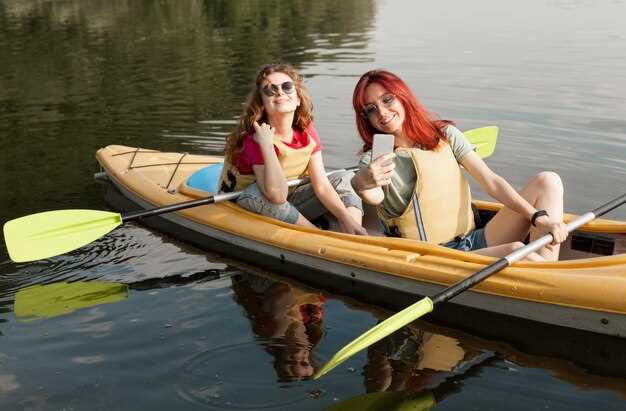
Rent a compact pontoon from a low-cost rentals provider for a 4-5 hour window, safety gear included, plus a quick safety briefing to prevent mishaps.
Identify a sheltered cove with calm waters within a short drive, then lock in deals by booking ahead and choosing a morning slot opens early, which youll enjoy longer exploration, relaxation, and building sweet memories. Hunts for nearby coves with calm waters to minimize risk.
Plan a mix of tubing, floating breaks, and beachcombing strolls; rotate crew for captaincy, lookout, and grill duty; youll avoid fatigue and increase safety; a short adventure, including a mid-day break for snacks, keeps spirits high.
Stay within limits: load capacity, keep kids close, assign a parent to watch each child at all times, and carry a whistle and a float plan. Never skip a quick safety check before departure. Pack only what you need.
Budget tips include packing favourite picnic, using a compact grill on shore, and relying on a single fuel tank for a loop instead of multiple trips; dock opens early on weekends, boosting deals and seasonal rental specials. This budget approach makes packing and prep an easy activity.
After return, dry gear, recharge batteries, and log favourite experiences to build relaxation into next venture; a short photo session at a scenic cove becomes a light treat for cheers and keeps motivation high.
Before departure, identify tidal windows, test a simple anchor plan, and verify sound signals between crew; keep a basic floating plan accessible, with contact numbers in waterproof pocket.
Choose the Right Family Boat: Size, Seating, and Safety Features
Recommendation: select an 18–22 ft bowrider or deck boat with 8–10 seats and a wide beam for stability. This size handles a group comfortably, keeps access to shore simple, and delivers a balance of affordable upfront cost with solid resale value across popular locations such as lakes and coves.
Size matters because a compact craft may feel cramped when morning rides turn busy, while a too-large model adds idle spending and unnecessary maintenance. Aim for a hull that supports 1,800–2,200 lbs of total weight (including passengers, gear, and fuel). That range suits a family of four to six plus a couple of friends without sacrificing speed or fuel economy on calm water.
Seating layout should center on versatility. Favor models with a walkaround center aisle, bucket seats for the driver and co-pilot, and a shaded, spill-proof bow area where kids can sit safely. Flexible seating, removable backrests, and a small dining area or convertible sun pad let you switch from relaxing to energized modes without moving across wet decks. For groups that mix sunbathers with anglers, a secondary aft bench plus a foldable table can transform a cove visit into a shaded, social spot.
Safety features matter more than flash. Ensure each passenger has a life jacket that fits, plus a spare PFD stored in accessible bins. Look for a certified kill-switch lanyard, a reliable bilge pump, a working horn, a throwable flotation device, and a coast guard–approved fire extinguisher. A wide non-skid deck, stable boarding ladder, and sturdy grab handles reduce slips near the shore or on a platform. Consider a deep, enclosed storage area to keep essential safety gear and a first-aid kit ready for any morning trip or quick afternoon adventure.
Access and platforms influence daily use. A swim platform with a ladder makes beach or cove hops effortless, especially when you want to learn underwater features or fly a line of birds along the shoreline. A shallow-water bow ramp helps younger swimmers enter from shore without crowding the stern. If you plan frequent visits to busy locations, prefer an option with easy docking features, fender holders, and a central cleat system to simplify mooring in crowded marinas.
Performance should align with your needs. For lakes and calm rivers, a single outboard in the 115–200 hp range delivers sufficient speed for zipping between locations and pulling a tube for a family-friendly thrill, while keeping fuel costs low. If you expect frequent full-group outings or larger groups, a dual-ready hull with 200–320 hp can offer better acceleration and even offshore capability, yet still remains approachable for new skippers who want to learn the basics without stress.
Time-of-day planning adds value. Morning trips tend to deliver smoother water and better light for photos, while afternoons can offer more wind and chop. Build your schedule around a stable craft that can stay relaxing even when conditions shift. You could schedule a short, cheap practice session on a local lake, then spend the afternoon exploring a beach or cove, creating memories that last beyond the day’s trip.
Budget guidance helps you stay within reach of your needs. Consider affordable used models from reputable dealers with known service histories, or look for new boats with limited options to reduce optional cost. Prioritize dependable safety gear and essential platforms over premium but unused add-ons. A well-chosen model delivers best value for a group that plans multiple trips per season near places like Sydney harbors or inland lakes, ensuring you get a unique yet practical ride every time.
Decision cues by scenario. If your goal is sturdy, all-around usage for a family of six with occasional guests, a mid-size deck boat or pontoon with 8–12 seats offers least hassle and highest comfort. If you crave speed and more engaging handling near shallow areas, a bowrider with a lower freeboard can still offer safe access to shallow water near shorelines, while giving you room to store gear for a full day of exploring underwater features and hidden coves.
Bottom line: prioritize size and seating that fit your typical group, confirm weight and engine ratings align with your needs, and lock in robust safety features. With thoughtful planning, you’ll enjoy a relaxing, memorable season on boats that suit both budget and lifestyle, whether you’re near a quiet beach, a busy cove, or a scenic center of town.
Low-Cost Water Activities: Fishing, Snorkeling, and Paddle Basics
Recommendation: Dockside rentals offer a cost-effective trio: a basic fishing rod, a snorkel set, and a compact paddle board. This investment keeps your family casual, your group coordinated, and your plan flexible, which opens opportunities for a quick, successful session youll remember as memorable.
Fishing basics: Choose a sheltered cove for a gentle line setup and a light tackle. Use fresh bait where permitted, and fish near cover where fish gather. reading tide charts helps plan next moves, which keeps your group focused on a successful catch and makes the outing memorable; if conditions permit, a short night session near illuminated docks adds variety.
Nurkowanie z rurką: Start from shore with mask and fins from rentals, stay within a short distance of your group, and move slowly to reveal coral and fish life. Soak in the colors, stay relaxed, and let the fresh water renew your mood; this experience tends to be memorable for your family. snorkeling adds a colorful layer to your morning. Opens a window for curious minds when coves offer calmer water.
Paddle basics: Stand-up or sit-and-paddle so you can keep a gentle balance. Use a long, steady stroke on a straight line, switching sides as you go for efficiency; next, plan short, casual tours near shore. If the water is calm, tubing on an inner tube provides extra float fun, otherwise the paddle keeps your costs low and your smiles high.
Safety and planning: Check the weather online, confirm dockside rentals, and pack a light cover, a compact first-aid kit, and a small water bottle. Bring chips for quick energy, and a fresh snack to share during rests. Booking ahead online allows you to adjust plans easily, ensuring your investment yields a memorable, fun-filled experience for all.
Kid-Centric Itineraries: Short, Flexible Half-Day Plans
Begin with a 2.5-hour harbor loop starting from a calm dock, returning before noon for gentle on-shore relaxation. This approach keeps energy balanced for children while offering chances for creative engagement and discovery across Sydney harbour marine edges.
Let yourself enjoy moments too, while guiding kids through discoveries.
- Plan A – Sunrise Harbor Loop (90 minutes). Depart from sheltered dock near Sydney harbour, glide across calm bays, stop at a spot with easy shore access. Include quick nature prompts: name three seabirds, sketch coastline, check tide. Snack on deck. Pace stays gentle, never rushed, leaving room for an extra stop if needed. Plan offers adventures across these early-route options.
- Plan B – Educational Moonlight Float (120–150 minutes). When evening cools, drift across glassy sea with crew guiding stars lesson. Lantern light highlights constellations, discuss marine adaptations, and invite children to share explanations. Night breeze adds relaxation and a memorable experience for group, with flexible timing.
- Plan C – Creative On-Board Discovery (90 minutes). On a safe craft, create a mini field guide: doodle a marine creature, name it, note its habitat. Stop at two spots to collect natural items, then return to dock with a story from each child. Hands-on exploration supports learning plus a relaxing vibe.
- Notes on locations (short). Sydney harbour offers multiple options; check tides, wind, and nearby spots in advance; group can adapt plan accordingly.
Safety First: Life Jackets, Briefings, and Quick Rules for All Ages
Always wear properly fitted life jackets before departure; verify snug fit and secure fastenings for each passenger, including children and pets, ensuring safety aboard.
Inspect each piece promptly after every trip; routine maintenance keeps equipment reliable; look for loose straps, cracks, fading, or buoyant material compression; replace worn items; store PPE in dry, accessible bag near helm to speed quick access.
Five-minute pre-voyage briefing covers PPE locations on boat, how to deploy a throw line, radio use, signals, and an emergency plan; assign a lookout to spot hazards along shore while exploring marine environment.
Quick rules for all ages: keep on deck seated when vessel moves; no running or jumping; tubing riders must wear life jackets and hold rope firmly; never approach bow or stern when in motion; maintain small wake near docks and shallow zones; alcohol prohibited; designate responsible adult to supervise youngsters; keep voices calm to avoid startling wildlife species.
here simple checks save risk; youll improve readiness for exploring together; spot opportunities to boost confidence and enjoy relaxation while staying mindful about marine life and wildlife.
| Produkt | Action | Kto |
|---|---|---|
| ŚOI | Upewnij się, że dobrze leży; sprawdź paski, zamki błyskawiczne; wymieniaj zużyte elementy; przechowuj w łatwo dostępnej torbie. | All aboard |
| Briefing | 5-minutowy plan bezpieczeństwa; pokazać lokalizację ŚOI; wyjaśnić sygnały; przećwiczyć sygnały alarmowe | Captain |
| Prędkość i zasady | Zwolnij w pobliżu marin; zachowaj bezpieczną odległość od dzikich zwierząt; zasady dotyczące pływania na dętce; zakaz wykonywania akrobacji | Wszyscy |
| Konserwacja | Sprawdzić silnik, akumulator, pompę zęzową; zweryfikować części zamienne; zapisać daty dla przyszłego odniesienia. | Załoga właścicielska |
Inteligentny wybór sprzętu oferuje niedrogie opcje; oszczędne grupy mogą wybierać trwałe, wielofunkcyjne przedmioty, które obniżają koszty utrzymania i zmniejszają wydatki w różnych sezonach.
Poczucie własności plus staranna konserwacja zapewniają długotrwałą ochronę; to sprawia, że podróże są pełne miłości i zabawy, oferując relaks, dbając jednocześnie o bezpieczeństwo; odkryjesz skarby podczas wspólnej eksploracji i pobytu pod kontrolą.
Pakowanie i sprzętowe triki: Co zabrać, aby obniżyć koszty i zaoszczędzić czas
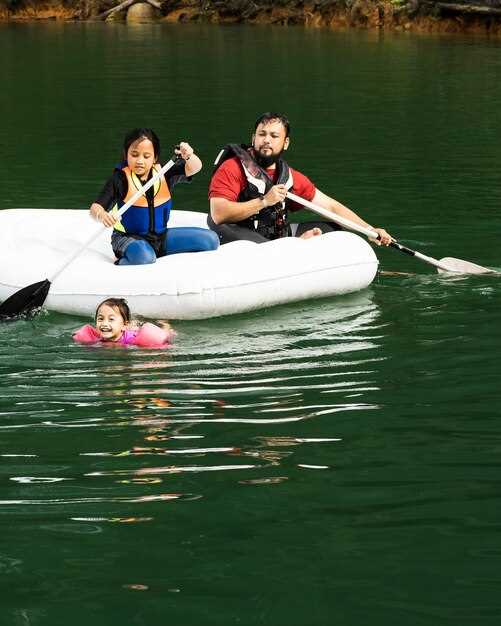
Kompaktowa lista kontrolna mieści się w jednej torbie. Zacznij od dwóch worków wodoszczelnych (jednego dużego, jednego małego), aby ubrania i elektronika pozostały suche. Zamień jednorazowe przedmioty na te wielokrotnego użytku: butelki ze stali nierdzewnej, silikonowe miski, siatkowe torby na warzywa i owoce. Aby zapewnić przystępne cenowo bezpieczeństwo, dołącz kamizelkę odblaskową, gwizdek i kompaktowy multitool. Szukaj wodoszczelnych etui klasy morskiej, które oferują ochronę bez zwiększania objętości.
Skanowanie rynków online przynosi spore oszczędności. Porównuj oferty pakietów sprzętu od renomowanych marek; wypatruj ukrytych rabatów, sezonowych wyprzedaży i ofert pakietowych. Wymień ulubiony przedmiot, który już posiadasz, aby uniknąć niepotrzebnych zakupów; niezależnie od tego, czy masz lekką kamizelkę ratunkową, czy zapasowe wiosła, wykorzystanie istniejącego sprzętu oszczędza pieniądze. Rozważ inne marki; niektóre mniejsze marki oferują doskonałą wartość. Uwaga do artykułu: praktyczne wskazówki pochodzą z testów terenowych.
Kategorie szybkiego przygotowania: sprzęt osobisty (kamizelka ratunkowa, gwizdek, kapelusz chroniący przed słońcem), narzędzia bezpieczeństwa (kompaktowa latarka, rzutka ratunkowa), nawigacja (mapy załadowane offline, kompas), konserwacja (zapasowy bezpiecznik, taśma izolacyjna, opaski zaciskowe), przechowywanie (wodoszczelne worki, wodoodporne torby). Dodatkowo, do pływania na tubie lub nartach wodnych, spakuj rękawice, szybkoschnący ręcznik i zapasową smycz.
Plan gotowania zwiększa komfort: ulubiony przenośny grill pomaga utrzymać przystępne ceny posiłków podczas podróży nadmorskich. Spakuj paliwo, talerze wielokrotnego użytku, kubki, zestaw przyborów, biodegradowalne worki na śmieci. Utrzymuj proste sprzątanie dzięki kompaktowej gąbce i ściereczce. Jeśli plan obejmuje nocleg na pokładzie, weź latarnię lub czołówkę i zapasowe baterie. Sklepy internetowe oferują opcje jednorazowe, ale długoterminowe oszczędności wynikają z używania rzeczy wielokrotnego użytku; trwały zestaw, który wystarczy na wiele sezonów. To doświadczenie zwraca się podczas każdej podróży.
Kolejność pakowania ma znaczenie: najpierw ładuj suche worki, potem produkty łatwo psujące się, a na końcu rzeczy zbędne. Przechowuj suche towary wraz z produktami łatwo psującymi się w oddzielnych pakunkach; zaplanuj czasy przygotowania; wypłyń o świcie, płyń, a następnie postoje na posiłki. Rezerwuj wypożyczalnie online z wyprzedzeniem, aby zapewnić sobie korzystne oferty; nocne wyjazdy obniżają szczytowe ceny. Poszukiwanie ukrytych okazji na rynku może się opłacić. Zapewnij wystarczające zapasy, aby zachować komfort; nic nie zmusza do dodatkowych wycieczek na brzeg.