


 Polski
  English (UK)
  Русский
  العربية
  日本語
日本語  한국어
한국어  Magyar
  Türkçe
  Español
  Čeština
  Svenska
  Português
  Ελληνικά
  Suomi
Suomi  Nederlands
  Română
  Italiano
  Français
  Українська
  Deutsch
  简体中文
简体中文  Slovenčina
  Deadrise Explained – What It Is and How It Impacts Boat Performance">

Recommendation: choose a hull-bottom geometry with a balanced V-angle to improve lift in seas; stop broach in challenging conditions. This strategy works often in marinas, open water. It relies on proper angles that you can tune yourself for your vessel.
For vessels, the bottom profile centers on the keel line; measurement of angles guides designs; this configuration affects stability in north seas; certain options promote stable lift, steadier trim, enhancing dynamic capability in challenging conditions.
In marinas or shallow waterways, the same principle matters: a gentler lift curve reduces keel slap; makes turning at low speed safer; stopping unnecessary corrections helps maintain momentum.
To evaluate options, compare several bateaus variants; log a few measurement outcomes; assess how each set of angles affects lift; the tendency to broach under waves; use this yourself to choose a configuration that matches your intended use.
In practice, if you sail in seas with higher surface activity, prioritize a design that sustains dynamic response while keeping the keel engaged; this strategy helps vessels remain steady and predictable; supports you to always refine settings to suit your region.
Practical Guide to Deadrise in Bay Boats for Coastal Conditions
Start with a mid-range angled bottom around 20–22 degrees to obtain smooth travel in typical coastal chop; this common setup improves stability, hull lift, plus sideways control in gusty conditions.
Bottom shape matters: a hull characterized by a pronounced V at the forward section yields faster travel through chop; a smoother, blended slope reduces spray, fatigue. For north coastal conditions, select a bottom that maintains lift at lower RPM; this helps watercrafts stay in a smooth plane with less trim change across travel speeds.
Draft limits where operation occurs. Shallow bays favor a smaller draft; deep-water areas tolerate more. Typical ranges include 10–14 inches for compact units, 14–20 inches for mid-size hulls; much depends on keel height, engine height, and weight distribution.
Weight distribution matters: position heavier gear toward the center to keep a level, smooth ride; watercrafts gain tracking with ballast kept low, centered; travel pace remains steadier in surge; chine slip reduces.
Testing plan: spend time in varied tides; note felt differences with different trim; ballast; loading. Keep a log; record side force, depth, top speed, fuel burn. Many tweaks improve operation for coastal work, such as charters or family outings.
When considering upgrade in a north coast scenario, choose a model with a bottom angled toward the bow; costs accumulate, spend accordingly; such a choice improves resilience to chop, yields more confident travel for someone navigating coastal channels.
What exactly is deadrise? Definition, measurement, and typical angles
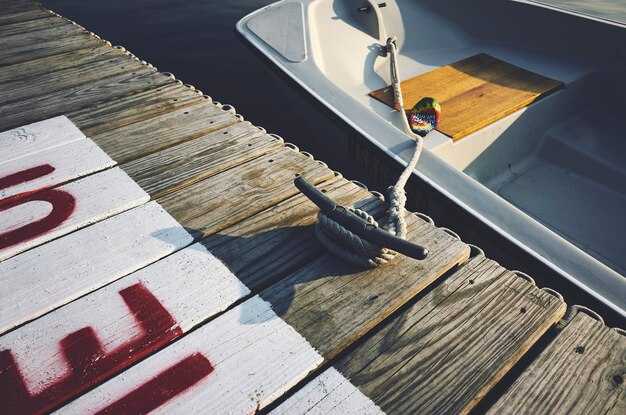
The effective hull bottom incline equals the angle where hull bottom meets the waterline, measured at midship. This value governs vessel behavior in waves, modern watercrafts show improved ride comfort; greater stability; faster progression at speed. Higher numbers produce a sharper V; shifts load toward the keel; increases buoyant support under demanding conditions. Lower values create a softer feel; confidence remains in rough water during operation.
- Midship reference: locate center plane along hull bottom;
- Waterline reference: mark level at the same frame;
- Measurement: use inclinometer to capture the angle relative to waterline at hull bottom; record values for several stations; compute average;
A final note: a variety of hull designs yields ranges that vary with models; generally, the ranges offered here apply across common configurations.
- Soft bottom: 6–12°; common on light watercraft; stable operation in calm conditions; seat springs help reduce motion;
- Moderate V: 12–18°; common in cruisers; balance ride quality; efficiency at speed; buoyant support rises in chop; confidence during operation improves;
- Deep V: 18–28°; models excel in rough water; higher angle yields sharp hull entry; keel carries more load; confidence during operation remains high;
- Extreme fast planing: 28–40°; craft require skillful trim; load shifts influence stability; high confidence in expert hands.
Generally, choosing a deeper rise benefits operation in high seas; a softer bottom favors efficiency on calm water; the best selection varies with a variety of models and intended conditions, improving overall reliability and buoyancy in marginal seas.
How does deadrise influence ride quality, stability, and spray at different speeds
Recommendation: choosing a hull with a deeper deep-vee profile decreases spray, improves stable ride, speeds up response in chop.
- Ride quality at planing speeds: flat-bottomed boats show spray along chines; deeper deep-vee lifts earlier; hull feels buoyant; travel becomes smoother; most riders notice a cleaner transition from displacement to planing; over time, this helps improve acceleration.
- Stability for resting positions in chop: higher v-angle yields a wider stable footprint; hulls above water remain steadier in gusts; beam width matters; boatworks design allows crew comfort during poling or slow travel in shallow water.
- Spray behavior across speed ranges: higher v-angle reduces spray height; wake moves down; just enough to keep deck dry; fresh spray stays away from the cockpit; this approach suits moving at high speed or slow drift alike.
- Practical selecting tips: choosing boats for poling shallow flats or cruising at speed; dont expect flat-bottomed shapes to behave like deep-vee in chop; those hulls offer buoyant feel, better lift, quicker response; width, chines, overall hull shape influence the tradeoff between stability, speed; next, test in calm water, move to rough water to feel lift, spray, ride quality.
Bay boat hull design: how deadrise interacts with keel lines and coastal wave action
Recommendation: keep a midsection vee around 15–18 degrees; taper keel lines; forefoot rises smoothly toward the bow; zero rocker in the middle; this setup delivers best tracking in rough seas.
Typically north coast waterways feature variable chop; a shallow vee minimizes spray, improving start reliability in mini-season trips; a deeper vee boosts stability during larger seas; marinas along routes favor hulls with smooth transitions, less spray, better control.
Keel lines interact with coastal wave action; rising toward the bow to cut through forward chop; smoother transitions stop spray, improve lift, reduce pounding; there are ones who prefer a slightly steeper response for big seas; without careful measurement, results suffer.
| Parametr | North coast range | Uwagi |
|---|---|---|
| Midsection vee | 14–18° | Typically best balance |
| Keel line slope | 0.5–1.5° per m | Gradual transition reduces spray |
| Rocker | 0 | Zero rocker aids smooth waters |
| Weight placement | Centerline preferred | Improves trim in rough seas |
For hobby builders, practical vessel design favors a shallow vee, lighter stringers; engine weight positioning near the keel bed improves trim; start with a baseline measurement to see how weight shifts affect ride.
People in marinas along tides test bateaus; an atlas of hull designs helps compare options; others provide field data, showing how much ride quality depends on wave height in waterways.
This isnt a luxury reserved for pros; modern hulls, typically built for waters, require a measurement approach by hobbyists; vessel operators; crews.
Does the geometry deliver better efficiency? These tweaks make a visible difference; much of the gain comes from smoother lift, steadier trim, cleaner planing in waters; stop guesswork.
Shallow-water performance: deadrise impact on draft, trim, and maneuverability
Zalecenie: przenieś balast do przodu, aby utrzymać poziomy trym; to redukuje zanurzenie rufy; obniża zanurzenie w zmiennych głębokościach; poprawia manewrowanie w marinach i ciasnych miejscach cumowniczych.
Styl Deep-vee zapewnia płynną jazdę na wzburzonej wodzie; w spokojnych wodach ta sama geometria zwiększa wyporność w wodzie, gdy ciężar przesuwa się na tył; zanurzenie wzrasta nieznacznie, gdy rufa opada; ten wpływ zmienia trim.
Przykład: w marinach, gdzie głębokość wody waha się między 0,5 m a 1,4 m; trim zmienia się wraz z obciążeniem; używaj przedniego balastu, aby utrzymać dziob wysoki podczas manewrów przy niskiej prędkości; istnieje duża utrata kontroli, jeśli balast znajduje się z tyłu.
Zmienne czynniki wpływają na wyniki: rozkład obciążenia; stan morza; siły napędowe; głębokość wody.
Praktyczne działania: utrzymuj ciężkie wyposażenie na przedzie; dostosuj prędkość do około progu planowania; zapewnij płynne przejście w stan planowania, aby uniknąć nagłego zanurzenia; duży kąt trimu przy zerowej prędkości pomaga zredukować kołysanie dziobu na płytkich wodach.
Podsumowując: dla operacji w płytkiej wodzie, należy dbać o płynność przetwarzania ciągu ciągu ciągu ciągu ciągu ciągu ciągu ciągu ciągu ciągu ciągu ciągu ciągu ciągu ciągu ciągu ciągu ciągu ciągu ciągu ciągu ciągu ciągu ciągu ciągu ciągu ciągu ciągu ciągu ciągu ciągu ciągu ciągu ciągu ciągu ciągu ciągu ciągu ciągu ciągu ciągu ciągu ciągu ciągu ciągu ciągu ciągu ciągu ciągu ciągu ciągu ciągu ciągu ciągu ciągu ciągu ciągu ciągu ciągu ciągu ciągu ciągu ciągu ciągu ciągu ciągu ciągu ciągu ciągu ciągu ciągu ciągu ciągu ciągu ciągu ciągu ciągu ciągu ciągu ciągu ciągu ciągu ciągu ciągu ciągu ciągu ciągu ciągu ciągu ciągu ciągu ciągu ciągu ciągu ciągu ciągu ciągu ciągu ciągu ciągu ciągu ciągu ciągu ciągu ciągu ciągu ciągu ciągu ciągu ciągu ciągu ciągu ciągu ciągu ciągu ciągu ciągu ciągu ciągu ciągu ciągu ciągu ciągu ciągu ciągu ciągu ciągu ciągu ciągu ciągu ciągu ciągu ciągu ciągu ciągu ciągu ciągu ciągu ciągu ciągu ciągu ciągu ciągu ciągu ciągu ciągu ciągu ciągu ciągu ciągu ciągu ciągu ciągu ciągu ciągu ciągu ciągu ciągu ciągu ciągu ciągu ciągu ciągu ciągu ciągu ciągu ciągu ciągu ciągu ciągu ciągu ciągu ciągu ciągu ciągu ciągu ciągu ciągu ciągu ciągu ciągu ciągu ciągu ciągu ciągu ciągu ciągu ciągu ciągu ciągu ciągu ciągu ciągu ciągu ciągu ciągu ciągu ciągu ciągu ciągu ciągu ciągu ciągu ciągu ciągu ciągu ciągu ciągu ciągu ciągu ciągu ciągu ciągu ciągu ciągu ciągu ciągu ciągu ciągu ciągu ciągu ciągu ciągu ciągu ciągu ciągu ciągu ciągu ciągu ciągu ciągu ciągu ciągu ciągu ciągu ciągu ciągu ciągu ciągu ciągu ciągu ciągu ciągu ciągu ciągu ciągu ciągu ciągu ciągu ciągu ciągu ciągu ciągu ciągu ciągu ciągu ciągu ciągu ciągu ciągu ciągu ciągu ciągu ciągu ciągu ciągu ciągu ciągu ciągu ciągu ciągu ciągu ciągu ciągu ciągu ciągu ciągu ciągu ciągu ciągu ciągu ciągu ciągu ciągu ciągu ciągu ciągu ciągu ciągu ciągu ciągu ciągu ciągu ciągu ciągu ciągu ciągu ciągu ciągu ciągu ciągu ciągu ciągu ciągu ciągu ciągu ciągu ciągu ciągu ciągu ciągu ciągu ciągu ciągu ciągu ciągu ciągu ciągu ciągu ciągu ciągu ciągu ciągu ciągu ciągu ciągu ciągu ciągu ciągu ciągu ciągu ciągu ciągu ciągu ciągu ciągu ciągu ciągu ciągu ciągu ciągu ciągu ciągu ciągu ciągu ciągu ciągu ciągu ciągu ciągu ciągu ciągu ciągu ciągu ciągu ciągu ciągu ciągu ciągu ciągu ciągu ciągu ciągu ciągu ciągu ciągu ciągu ciągu ciągu ciągu ciągu ciągu ciągu ciągu ciągu ciągu ciągu ciągu ciągu ciągu ciągu ciągu ciągu ciągu ciągu ciągu ciągu ciągu ciągu ciągu ciągu ciągu ciągu ciągu ciągu ciągu ciągu ciągu ciągu ciągu ciągu ciągu ciągu ciągu ciągu ciągu ciągu ciągu ciągu ciągu ciągu ciągu ciągu ciągu ciągu ciągu ciągu ciągu ciągu ciągu ciągu ciągu ciągu ciągu ciągu ciągu ciągu ciągu ciągu ciągu ciągu ciągu ciągu ciągu ciągu ciągu ciągu ciągu ciągu ciągu ciągu ciągu ciągu ciągu ciągu ciągu ciągu ciągu ciągu ciągu ciągu ciągu ciągu ciągu ciągu ciągu ciągu ciągu ciągu ciągu ciągu ciągu ciągu ciągu ciągu ciągu ciągu ciągu ciągu ciągu ciągu ciągu ciągu ciągu ciągu ciągu ciągu ciągu ciągu ciągu ciągu ciągu ciągu ciągu ciągu ciągu ciągu ciągu ciągu ciągu ciągu ciągu ciągu ciągu ciągu ciągu ciągu ciągu ciągu ciągu ciągu ciągu ciągu ciągu ciągu ciągu ciągu ciągu ciągu ciągu ciągu ciągu ciągu ciągu ciągu ciągu ciągu ciągu ciągu ciągu ciągu ciągu ciągu ciągu ciągu ciągu ciągu ciągu ciągu ciągu ciągu ciągu ciągu ciągu ciągu ciągu ciągu ciągu ciągu ciągu ciągu ciągu ciągu ciągu ciągu ciągu ciągu ciągu ciągu ciągu ciągu ciągu ciągu ciągu ciągu ciągu ciągu ciągu ciągu ciągu ciągu ciągu ciągu ciągu ciągu ciągu ciągu ciągu ciągu ciągu ciągu ciągu ciągu ciągu ciągu ciągu ciągu ciągu ciągu ciągu ciągu ciągu ciągu ciągu ciągu ciągu ciągu ciągu ciągu ciągu ciągu ciągu ciągu ciągu ciągu ciągu ciągu ciągu ciągu ciągu ciągu ciągu ciągu ciągu ciągu ciągu ciągu ciągu ciągu ciągu ciągu ciągu ciągu ciągu ciągu ciągu ciągu ciągu ciągu ciągu ciągu ciągu ciągu ciągu ciągu ciągu ciągu ciągu ciągu ciągu ciągu ciągu ciągu ciągu ciągu ciągu ciągu ciągu ciągu ciągu ciągu ciągu ciągu ciągu ciągu ciągu ciągu ciągu ciągu ciągu ciągu ciągu ciągu ciągu ciągu ciągu ciągu ciągu ciągu ciągu ciągu ciągu ciągu ciągu ciągu ciągu ciągu ciągu ciągu ciągu ciągu ciągu ciągu ciągu ciągu ciągu ciągu ciągu ciągu ciągu ciągu ciągu ciągu ciągu ciągu ciągu ciągu ciągu ciągu ciągu ciągu ciągu ciągu ciągu ciągu ciągu ciągu ciągu ciągu ciągu ciągu ciągu ciągu ciągu ciągu ciągu ciągu ciągu ciągu ciągu ciągu ciągu ciągu ciągu ciągu ciągu ciągu ciągu ciągu ciągu ciągu ciągu ciągu ciągu ciągu ciągu ciągu ciągu ciągu ciągu ciągu ciągu ciągu ciągu ciągu ciągu ciągu ciągu ciągu ciągu ciągu ciągu ciągu ciągu ciągu ciągu ciągu ciągu ciągu ciągu ciągu ciągu ciągu ciągu ciągu ciągu ciągu ciągu ciągu ciągu ciągu ciągu ciągu ciągu ciągu ciągu ciągu ciągu ciągu ciągu ciągu ciągu ciągu ciągu ciągu ciągu ciągu ciągu ciągu ciągu ciąg. Koniecznie należy monitorować trim; te działania przesuwają łódź w kierunku doskonałej równowagi na zmiennych głębokościach.
Wskazówki dotyczące zakupu: szybkie sprawdzenia i testy w celu oceny stępki w łodzi zatokowej
Zacznij od kontroli w doku: porównaj linie wodne w spoczynku, zanotuj unoszenie się dziobu, obserwuj, jak przesunięcie ładunku wpływa na profil.
Testy statyczne: poproś kogoś na pokładzie, aby symulował wagę załogi, a następnie przemieszczał się między punktami dostępu do dziobu, środka i rufy; obserwuj, jak zmiana wagi wpływa na unoszenie, przesuwanie kątów, równowagę kadłuba i jego reakcję na siły zewnętrzne.
Dynamiczne kontrole: wykonywane przy prędkości planowania na wodach spokojnych, uwzględniaj wpływ wiatru; obserwuj tendencje do ostrzenia, takie jak niespodziewane unoszenie się dziobu lub utrata przyczepności w trudnych warunkach wody.
Testy obciążeniowe: powtarzaj z większym obciążeniem, zbliżającym się do maksymalnie zalecanego; porównaj zmianę linii zanurzenia, unoszenie się dziobu, bardziej płynną jazdę przy zmianie fal z płytkich na przybrzeżne fale.
Charakterystyka pływania: mniejszy kąt ostrza wejściowego zapewnia ostrzejsze kąty wejścia; większe fale wpływają na płynność pływania po wzburzonej wodzie, na przykład w północnych wodach przy wietrze.
Planowanie oznaczeń: uwzględnienie niezawodności stanu równowagi w różnych trybach pracy; testowanie podczas przyspieszania silnika, hamowania, skręcania; momenty, w których większe prawdopodobieństwo wystąpienia dryftu przy zmianach wiatru.
Uwaga dotycząca orientacji północnej: dla dróg wodnych wzdłuż północnych tras wybieraj formy sprzyjające unoszeniu się bez nadmiernego unoszenia dziobu, nie naruszając stabilności na wodzie.
Podsumowanie dostępu: udokumentować, jak kadłub reaguje na obciążenia w pobliżu pełnowymiarowych znaków, monitorować przesunięcia linii wodnej przy większych obciążeniach, potwierdzić, że odpowiedź pozostaje bardziej płynna podczas długich odcinków; porównać z węższymi kształtami kadłubów.
Wpływ na jazdę: rozkład masy wpływa na reakcję na pochylenia; odczuwalność kierowania zmienia się pod wpływem podmuchów wiatru.