


 Polski
  English (UK)
  Русский
  العربية
  日本語
日本語  한국어
한국어  Magyar
  Türkçe
  Español
  Čeština
  Svenska
  Português
  Ελληνικά
  Suomi
Suomi  Nederlands
  Română
  Italiano
  Français
  Українська
  Deutsch
  简体中文
简体中文  Slovenčina
 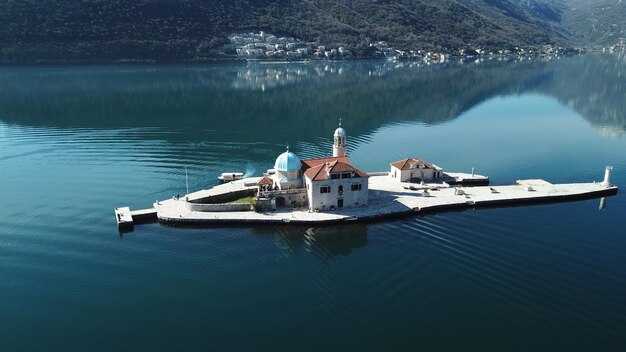 Dalmatian Coast Yacht Charters – Island Gems and Unmistakable Charm">

Begin your Dalmatian coast charter with a 7-day luxury island-hopping plan that sails from Split toward korčula and pula, opening routes through sheltered coves, sunlit towns, and turquoise bays. Your first leg stays near the coast, letting you ease into rhythm without rushing.
Each morning unfolds with open waters on the horizon, a fresh coffee in hand, and a tailored cruise that blends comfort, speed, and time for authentic on-shore walks.
The ideal sequence moves from Mljet’s pine-fringed bays to korčula’s stone lanes, with a sunrise sail toward Hvar and a sunset anchor in a quiet cove. Podczas gdy you sample seafood along the quay, the crew maps routes that avoid crowds and show you their favorite hidden beaches; there is always room to adjust the pace, and the game of choosing coves makes the day feel alive.
On board, morning rituals, clean linens, and a kitchen that sources olive oil, seafood, and local wine create a living room on the water. The authentic mood comes from small ports, warm conversations, and locals who share a smile as you stroll their harbor. Your crew keeps the tempo buoyant, their knowledge turning every stop into a memory.
For a northward accent, there is a pula extension via private transfer that pairs Roman heritage with Istrian markets and coastal trails. If youre seeking a lighter pace, your itinerary can loop through near islands, open coves, and tranquil harbors, with luxury touches and morning swims that set the day right.
Practical guide to planning a Dalmatian Coast yacht charter
Skip the DIY approach that overwhelms first-timers: hire a skippered charter for your first Dalmatian Coast voyage to simplify navigation, dock in busy harbour towns, and keep the pace enjoyable for everyone.
Plan a 7–10 day route from Split with daily legs of 12–25 nautical miles. A practical sequence blends natural coves, historical towns, and dining options: palmižana for a morning swim and picigin on the beach, then spends a night in stari harbour, then on to Hvar Town or Stari Grad, Korčula, and Vis, with a return leg through Brač back to Split. Choose stops which offer the best balance of scenery and culture. This marine itinerary keeps speeds comfortable and allows enough downtime for meals and sunset walks along the waters edge.
Book marina nights in Split, Hvar Town, Bol on Brac, and Vis, and use palmižana’s natural harbour for a sheltered stop if the wind allows. For a more relaxed tempo, anchor in protected bays and use a dinghy to visit shore or nearby beaches. Always have a flexible plan to adapt to weather and harbour availabilities during croatias coastal season.
Stock a compact pantry for 2–3 dinners and arrange provisioning in Split and the first two ports; pick up fresh seafood, vegetables, olive oil, and local wine to enjoy on board. Dining ashore in croatias towns showcases mediterranean flavors and regional specialties, while on-board meals give you freedom on quiet evenings by the water.
highlight cultural stops like the UNESCO-listed Stari Grad Plain and Split’s Diocletian’s Palace, with light hikes in Korčula’s historic lanes. Mljet’s salt lakes and Vis’s blue cave can be optional side trips if the wind and seas cooperate. The natural beauty of the coastline makes picigin a fun, light beach game to enjoy during calm afternoons, and snorkeling in clear waters offers a gentle sport for active guests.
Checklist: confirm a skippered charter if you lack local experience, ensure valid documents and insurance, pack a handheld VHF, a first aid kit, life jackets for all, spare fenders and lines, and a compact dinghy for shore visits. Have enough battery power and spare fuel for short hops between ports; you’ll find most harbours provide water and power, but don’t rely on it in peak season. Plan to leave Split with a full tank and re-fuel at Korčula or Vis as needed, then return with a comfortable budget for harbour dues in croatias coastal towns.
Crewed vs bareboat: choose your boat type and crew level
Choose a crewed charter with a five-member crew. This right choice for most visitors who want to explore the Dalmatian coasts, make port calls, and anchor in calm anchorage without worrying about timing. The skipper and host handle provisioning, docking, and local highlights–beaches, a cave, and authentic coastal towns–while you enjoy diocletians history and modern luxury on deck.
Bareboat is great for experienced sailors who want independence and a lower price. You set the timetable between coasts, plan visits to coves and beaches, and manage anchor choices. A dinghy lets you reach shore or start kayaking near a cave, and the experience remains traditional and authentic, with limited onboard services but the flexibility you crave.
Smart approach: mix options by choosing a bareboat with a skipper or opt for a crewed yacht with optional services. Between both routes, visitors should consider group size, sailing experience, and how much time you want for kayaking and beaches. If you want to explore five distinct anchorages and savor authentic, traditional living, a crewed charter makes the route right; otherwise, bareboat suits confident sailors who want to become masters of their schedule.
Must-visit islands and anchor spots for swimming, sunsets, and scenery
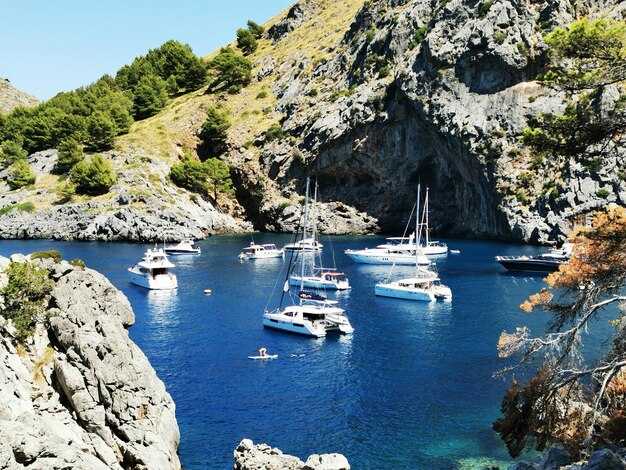
Anchor near komiža on Vis: near the Green Cave and swim in warm water as the sun sinks behind the limestone cliffs along croatias coast. Then set off on an island-hopping leg to Stiniva Cove or Budikovac for a sheltered swim, a few reef fish, and a memorable landscape. Biševo’s Blue Cave is a short boat ride away, delivering a dramatic blue light that makes the day unforgettable.
For sunset moments and dramatic scenery, head to Hvar and the Pakleni Islands: anchor near Mlini Bay or Palmižana on Palmizana and watch the sky shift color while the water stays calm. Mljet offers Saplunara Beach and the lakes in Mljet National Park for beautiful beaches and easy swimming; pair it with a tasting of local wines to savor the gastro side of the journey.
Korčula’s historic streets carry a timeless vibe, with greek trade roots visible in harbor layouts. Anchor near Pupnatska Luka or Vela Luka for fishing, pebble beaches, and sunset views over the sea. This stretch offers good fishing, sport, and many unforgettable evenings on shore.
Island-hopping across croatias Dalmatian coast works easily with regular ferries between Split, Hvar, Korčula, Brač, and Vis. Permitting rules vary by inlet, so check local mooring allowances before you anchor. This route definitely lets you spend days on many beautiful beaches, relax in warm water, and enjoy scenery that changes with the light. Thanks to welcoming crews and a flexible schedule, you’ll feel at home on every stop, from komiža to Dubrovniks ports and back along the coast.
Hiking from coastal ports: best trails and how to reach trailheads
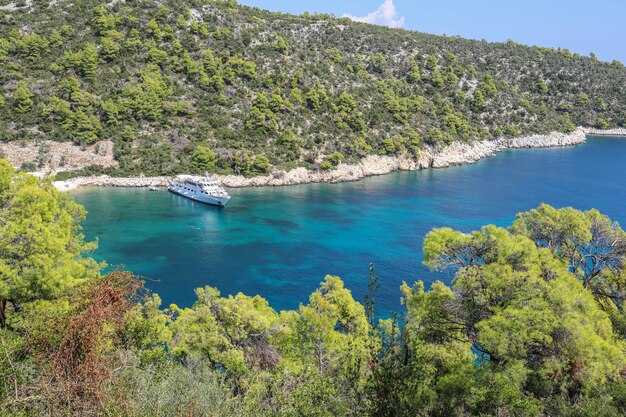
Take the Marjan Forest Park loop from Split harbor for your first coastal hike. The open, breezy path climbs from the Sustipan entrance through pine and cypress, delivering sweeping views of the city and the sea. The full loop is around 8 km and fits into a relaxed half-day, with a refreshing finish at a seaside cafe to relax before exploring more of the coast. If you want something lighter, a shorter stretch along Split’s waterfront to Kašjuni adds a warm, salty breeze and easy overlooks.
From Dubrovnik, Srđ hill is iconic and easy to reach. Start near the Old Town, follow a signposted track up to the fort, and you’ll look down on the city walls, Lokrum, and a vast blue open sea. Plan 2-3 hours round trip; for a different mood, climb at night when the city lights flicker over the water. In july heat, begin early, carry water, and enjoy cooling shade along the way.
In Kotor, the San Giovanni fortress trail above the bay rewards you with dramatic overlooks. The ascent starts near the northern gate and climbs stone steps to ancient walls, offering views over the winding streets and boats below. It’s a 3-4 hour round trip option; bring water and a hat, and savor the sense of antiquity without rushing the pace.
On brač, Vidova Gora delivers an unforgettable panorama. Take a local bus to Bol and start the marked climb toward the summit at about 780 meters, where the horizon opens toward the Pakleni islands and the coast. The hike spans a half-day, and the early start pays off in cooler air and sunrise colors over olive groves and sea spray–an definitely iconic moment for explorers who crave expansive views.
Korčula offers a gentler ridge walk behind Lumbarda. From Korčula town, a moderate loop climbs toward the hillside with olive groves and vineyards, giving several viewpoints overlooking the coast and the old town’s silhouettes. Expect 2-3 hours, with plenty of shade along the way to keep things comfortable in july heat; this route pairs well with a late-afternoon gelato or a tasting session of local traditional recipes.
Palmižana provides a relaxed coastal option between port calls. A short path along pine and olive groves leads to a cliff overlook with night-black skies above the Pakleni islands. It’s a pleasant open-air reset after a sail, and you can sample olive oil and simple, traditional recipes ashore before returning to sea; a calm, home-base feel for sailors who want to unwind without rushing.
Packing checklist for sailing and hiking: clothing, gear, and safety
Start with quick-dry layers and a compact windproof shell; they handle sun, saltwater spray, and changing skies along Dalmatia’s islands.
Here in dalmatia, Komiža and other coastal towns offer scenic routes; you can browse online maps to plan hikes that pair with short sails and konoba dinners.
- Clothing and layering
- Quick-dry T-shirts (3–4)
- Long-sleeve sun shirts for sun protection
- Lightweight fleece or sweater for cooler mornings
- Breathable, packable rain shell
- Swimsuit and quick-dry shorts
- Hiking pants and lightweight shorts
- Socks (moisture-wicking)
- Hat, sunglasses, reef-safe sunscreen (SPF 30–50)
- Waterproof bag or dry pouch for electronics
- Sailing and hiking gear
- PFD life jacket per person
- Wielofunkcyjne narzędzie i gwizdek
- Latarka czołowa lub kompaktowa latarka z zapasowymi bateriami
- Worki wodoszczelne 20–30L na wartościowe przedmioty i warstwy odzieży
- System nawadniania lub butelki na wodę; proszek elektrolitowy
- Sprzęt do snorkelingu (maska, fajka, płetwy), jeśli lubisz podwodne chwile
- Buty do biegania w terenie lub lekkie buty trekkingowe; buty do wody lub buty pokładowe na deskę
- Telefon z mapami offline i power bankiem
- Bezpieczeństwo i lokalne wskazówki
- Sprawdź pogodę i stan morza; odpowiednio dostosuj trasy
- Ponowne nakładanie ochrony przeciwsłonecznej co kilka godzin
- Podstawy pierwszej pomocy i materiały do pielęgnacji pęcherzy
- Cenne przedmioty przechowywane w suchych workach i trzymane w cieniu
- Przestrzegaj lokalnych przepisów podczas dokowania w pobliżu historycznych murów i portów.
Jeśli planujesz użyć deski na krótką przejażdżkę, zabierz ze sobą smycz i suchy worek, aby chronić elektronikę; jesteś w pobliżu wybrzeża przyjaznego sportom z cichymi zatoczkami i łatwym dostępem do malowniczych zatoczek.
Tutaj, na wybrzeżu Dalmacji, będziesz cieszyć się widokami wysp, plaż i słonej wody, które zachęcają do powolnej, ciekawej eksploracji. Po dniu spędzonym na szlaku, przystanek w konobie na oliwę z oliwek i świeże owoce morza oferuje prawdziwy smak lokalnej faktury, murów i odprężającego rytmu.
Sezonowe ramy czasowe i okna pogodowe: wzorce wiatru, morza i tłumy
Wynajmij jacht w Makarskiej późną wiosną lub wczesną jesienią, aby cieszyć się stabilnymi wiatrami, spokojnym morzem i cichszymi portami. Sercem tego wybrzeża jest elastyczne tempo i wielodniowe kotwiczenia wzdłuż szlaków między wyspami, z malowniczymi zatokami, które zachęcają do robienia zdjęć o zachodzie słońca.
Należy oczekiwać wiatrów typu Bura z północy i Jugo z południa. Bura przynosi rześkie poranki i krótką falę; Jugo zapewnia cieplejsze powietrze i dłuższe żeglowanie po południu.
Sezony przejściowe zmniejszają tłumy w portach, co pozwala na spokojne przeglądanie lokalizacji. Odległości między kotwicowiskami mieszczą się w komfortowym zakresie dla załóg i umożliwiają elastyczne plany podróży.
Historyczne miasteczka zapraszają do zwiedzania muzeów, a inspirowane kuchnią grecką lokale serwujące owoce morza wzdłuż wybrzeża zapewniają świeże i niezapomniane chwile podczas wakacji.
Podsumowując, miej pod ręką kilka elastycznych opcji okien pogodowych i korzystaj z lokalnych ekip; plan może obejmować trasę z wieloma przystankami.
| Period | Winds | Seas | Crowds | Najlepsze trasy | Uwagi |
|---|---|---|---|---|---|
| Późna wiosna | Poranne słabe i umiarkowane porywy burzy; po południu cieplejsze wiatry południowo-wschodnie | Spokojne do łagodnego falowania | Cichsze porty | Pętla Makarska–Brač–Hvar–Vis; trasa po wyspach | Elastyczne kotwicowiska; rozważ świeże zatoki |
| Autumn | Stałe jugo; chłodniejsze noce | Okna przypominające szkło; przerywany przypływ | Ciche porty; przystanki kulturalne | Rozszerzyć do Kotoru, jeśli to pożądane; połączyć z historycznymi miastami | Wieczorne spacery, wizyty w muzeach |