


 Polski
  English (UK)
  Русский
  العربية
  日本語
日本語  한국어
한국어  Magyar
  Türkçe
  Español
  Čeština
  Svenska
  Português
  Ελληνικά
  Suomi
Suomi  Nederlands
  Română
  Italiano
  Français
  Українська
  Deutsch
  简体中文
简体中文  Slovenčina
 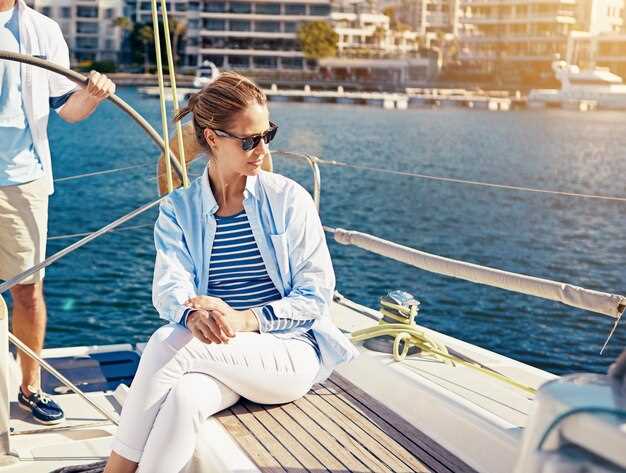 Charter Yacht Etiquette 101 – 24 Essential Tips Every Guest Should Know">

Immediate action is to introduce yourself to the crew and request the location of safety gear and the layout of shared spaces on the deck.
During meals, sit at the designated table, follow seating cues, and keep the table area tidy; this helps the service run smoothly for everyone aboard and avoids blocking corridors or galley access.
When moving along the deck, maintain three points of contact, follow established corridors, and present questions to the crew rather than shouting from the rail; in doing so you keep passageways clear for everyone, usually without delaying cruising operations. The latest briefing will be presented by the captain, so you know how to respond to changes and sailing conditions can be managed as smoothly as possible.
In polar itineraries toward antarctic shores, respect the natural environment: stay on marked paths, remove footwear before entering cabins if required, and keep voices low around wildlife. In warmer zones, manatees may be present; when encountering them, maintain a respectful distance and avoid feeding.
For personal gear, label belongings and store them in lockers; keep exit routes unobstructed and use spill-safe practices for beverages; if you spill, wipe immediately to prevent damage or slips, aligning with the purposes of space management to maintain safety.
If a cousin joins, coordinate seating and activities with the crew via the briefing and respect the crew’s authority on deck operations; this helps present a calm atmosphere for all aboard.
Charter Yacht Etiquette 101: 24 Tips for Boarding the Vessel
Arrive at the pier with a prearranged transfer and report to the crew desk 15 minutes before departure.
Greet the crew with a warm hello and a concise self-introduction; youre presence helps set a cooperative tone for the adventures ahead.
Choose clean, lightweight clothing and non-slip shoes to stay safe as you move from dock to deck.
Pack compact luggage and place it in the designated lockers or under-seat spaces to keep passages open.
Identify the visitor zones and keep restricted areas clear; visitors stay in open zones unless invited.
If youre delayed by a late flight, arrive late and notify the liaison to adjust plans and proceed calmly to the assigned location.
During crossings, hold handrails and avoid leaning on lines; sudden shifts can cause falls.
Ask guides where to place bags, and ensure walkways stay open for crew movement.
Hydration and sun protection: carry a white water bottle, apply sunscreen, and seek shade during peak hours.
Mealtimes follow a prearranged timetable; communicate dietary needs or allergies to guides ahead of time.
Respect safety briefings; know the location of life jackets and how to don them quickly.
Meet Morley and Laidlaw as the chief points of contact; as an example, follow their direction during operations.
Within anchorages near punta and britannia, rely on the location guides for safe tender transfers.
Open deck access is scheduled; close hatches during gusts or rough seas.
If you need assistance, request it politely and wait for a response rather than shouting.
Keep personal devices silent and seek consent before photographing crew or passengers.
Linen and towels arrive with the cabin crew; avoid rearranging or mishandling supplies.
Respect wildlife; yellowfin sightings remind you to stay aware of motion and maintain a safe distance.
Express appreciation with a simple thank you to the crew; appreciation is highly valued by most.
Disembark according to the bridge cue; soon the line will clear and you can step ashore.
Follow the waste policy: place every wrapper in marked bins and prevent litter from reaching the sea; cause harm otherwise.
Reflect on britannia heritage and punta locality to navigate social cues with sensitivity.
Photography rules: ask before capturing people or interiors; respect privacy and personal space.
During the voyage, strive to stay authentic, think about what you learned, and feel part of prearranged adventures weve planned.
Boarding the Vessel: Practical Etiquette for Yacht Guests
Arrive fifteen minutes before the scheduled boarding window and proceed directly to the gangway; immediately check in with the crew and follow the safety briefing, in order to minimize delays.
Remove outer footwear prior to stepping onto deck; place shoes in provided racks, using non-marking soles for onboard surfaces; for kids, keep close supervision and channel morning energy with an amazing, well-chosen set of activities to steer excitement in a productive direction.
Avoid loitering near the rail or entry; back away when directions are given; access to service zones is exclusively reserved for crew and authorized guests; even a curious drake in the marina should not distract you.
Consent to any handling of lines, fenders, or equipment must come from crew; an expert from the chilean crew will guide repositioning of seating or staging; never move gear altogether; do not act on yourself; follow prompts from staff and keep movements deliberate.
The morning sequence includes safety checks, briefing, and crew-led activities; a brief saying of your plans helps accommodation; tipping in local currency is appreciated immediately after service; those hours of preparation are noticed by the team.
At departure, thank the team and keep areas tidy; wait for their last signal before stepping onto the gangway; store personal items compactly and exit the same way you arrived, with your gratitude and a brief saying of appreciation as you sail away.
Confirm Boarding Time and Check-In Procedure
Most groups confirm boarding time at least 60 minutes before scheduled departure and lock in the prearranged check-in window with the in-charge member, sure this is clearly communicated to the lady in charge.
Before arrival, share a prearranged visitor list and rough time plan with the captain; this keeps transitions between dockside and gangway calm, and the crew usually listens for updates, helping the lady in charge coordinate smoothly with close coordination for the ride.
On dockside, choose white linen or light fabrics; keep personal items in separate pockets and secure, and avoid phubbing while the party forms, so attention stays on safety and flow. During the ride from pier to deck, keep hands visible and follow crew directions.
At the gangway, prearranged verification occurs; the largest desk cross-checks the list with the laidlaw team, and if any arrivals had crossed from mexico, clearance steps are confirmed using the laidlaw team and with the hunter deckhand guiding flow; for their documents, have passports ready.
During boarding, listen to the crew’s safety briefing and follow the clear point-by-point instructions; that one thing is to keep the line moving, and the chef often offers a brief tour of the galley so visitors feel confident. If a delay could happen, stay calm, stay active, and notify the in-charge member; use the prearranged contact and follow updated times.
Dress Code and Footwear for Deck Access
Wear closed-toe, non-marking deck shoes or grippy sneakers with a rubber outsole; avoid high heels or leather-soled options that can mar surfaces. This item keeps decks clean and your footing stable during a rolling ride, definitely reducing slips; heed the crew’s advice when selecting footwear.
For sandals, pick back-strap varieties with a non-slip sole; otherwise switch to full coverage shoes when the deck is wet; never go barefoot on deck.
Choose quick-dry fabrics and sun-protective layers; a light shell for morning drizzle; pants with cuffs to prevent snagging. This setup supports a premier mood for long days at sea and lets you move with confidence while you explore in different weather conditions. It encourages you to present yourself as calm and ready, contributing to a smoother experience for all.
Layering matters: mornings can be cool and wind-driven; a compact fleece or windbreaker keeps you comfortable, and socks with moisture-wicking properties prevent blisters. Stay practical on a flycruise, where a steady outfit reduces fatigue and boosts the feeling of togetherness aboard.
Before departure, overhaul your footwear kit: wipe soles, inspect non-slip sections, replace worn laces, and store shoes in a breathable bag to prevent grit on other gear; this ensures a clean, ready setup for next legs, and helps greg from the crew and guests keep the mood intact as the morning light hits the water.
On itineraries that pass near Myrtle and other coastlines, this mindset remains popular with people who value safety and comfort. A well-chosen pair keeps you from missing the moment when a million fish shimmer just off the bow, and it makes the morning routine feel effortless, definitely contributing to the excitement of a premier experience you can share together with others.
Greet the Crew Properly and Address the Captain Correctly
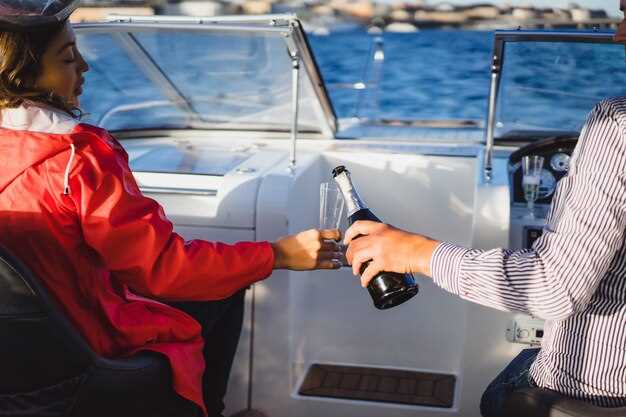
Begin aboard with a direct greeting: approach the crew at the gangway within moments of stepping onto the deck, offer your full name, and extend a firm handshake. Present a sprig of myrtle as a sign of respect and appreciation for the craft, and keep your voice clear. This small, confident move sets the tone for a seamless experience on Britannia, the largest ship in the harbor, and makes the afternoon transition smoother for the crew on duty.
On contact, address the captain with proper title: use Captain William if that is the official designation, or Captain [Surname] when a surname is posted. After a formal introduction, switch to a casual style only if invited by the commander or by the ship’s protocol.
Footwear and deck protocol: when boarding, step onto the mat and remove outdoor shoes; store footwear in the entry area or switch to deck shoes available on board. This keeps the surface clean and reduces hazards, a simple thing the team will highly appreciate.
Keep the intro concise: two to three lines, state your role or intent to help, and read the turn of the watch to adapt your pace. A confident stance and clear voice reflect intent and experience and will signal a respectful approach to a very seasoned crew.
Social sharing and follow-up: if a crew member suggests a quick photo with the vessel, request consent before posting on instagram; after the afternoon exchange, share a respectful moment with the ship’s name, then log the experience for your experience store or memory. This approach is an amazing way to capture the expedition vibe without intruding on habitat and routines of the arenas of operation on board Britannia.
| Stage | Action | Suggested Phrase | Uwagi |
|---|---|---|---|
| Boarding greeting | First contact with crew | Hello, Captain William. I am [Name]. Pleased to be aboard Britannia. | Present a sprig of myrtle if appropriate; remove outdoor garments |
| Addressing captain | Use proper title | Captain William, good afternoon. | Use surname if required by protocol |
| Footwear policy | Deck access | Outdoor shoes off; deck shoes on when moving about. | Keep decks clean |
| Conversation scope | Brief intro | I am [Name], here to support the afternoon expedition. | Limit to two or three lines |
| Post-exchange | Media sharing | With consent, I may share a moment on instagram later. | Respect privacy; tag ship name |
Handle Luggage, Bags, and Personal Items with Care
Lock valuables in a prearranged lockbox and carry a compact day bag for present time on deck, keeping items close at hand.
- Coordinate together with the crew–chefs included–on a luggage map that assigns each item to a fixed locker or cabin drawer; use color tags and owner initials; the team said this reduces misplacements and the captain knew it would work.
- Choose waterproof liners and sturdy zippers; store bags in closed compartments to resist waves and keep the habitat neat, improving the overall experience and making sure paths stay clear.
- Seal toiletries in leakproof pouches and group liquids in a spill-resistant tray; tuck sugar packets and snacks in a labeled bin to prevent mess, especially during movement and at any time.
- Assemble a personal kit: socks, compact chargers, medications, sunscreen, and a toiletries pouch; keep this in an accessible pocket so youve quick access, and the thing is to keep items close at hand.
- For valuables such as a watch or jewelry, use a lockable pouch placed in a locked drawer; attach a small tag with present date for easy return if misplaced.
- Evenings, before turning in, relocate bags to a secured locker; this certainly minimizes clutter as waves rock the vessel.
- During longer itineraries or antarctic expeditions, designate a dedicated, prearranged storage zone for bulk gear and outerwear; considering access during port calls helps balance space and readiness.
- When visiting ports, consult tripadvisor notes for marina-specific storage norms and popular restrictions; adjust placement and timing accordingly to keep things smooth.
- Establish a simple system for belongings: day bag at the ready, mid-sized luggage in lockers, bulk items in the far end of the cabin; this yields more space and reduces misplacements, probably the simplest approach.