


 Polski
  English (UK)
  Русский
  العربية
  日本語
日本語  한국어
한국어  Magyar
  Türkçe
  Español
  Čeština
  Svenska
  Português
  Ελληνικά
  Suomi
Suomi  Nederlands
  Română
  Italiano
  Français
  Українська
  Deutsch
  简体中文
简体中文  Slovenčina
 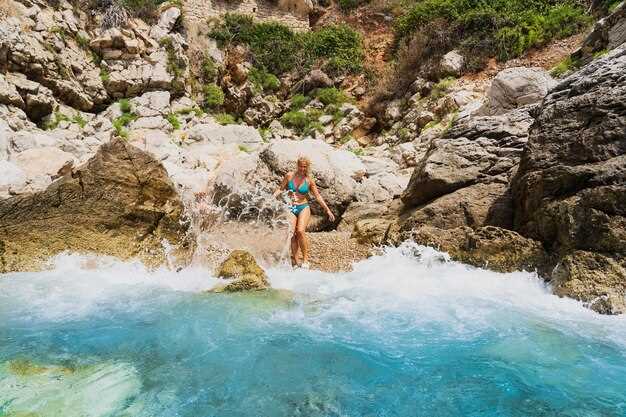 Butterfly Valley in Fethiye – The Ultimate Guide to Turkey’s Scenic Beach">

Visit Butterfly Valley at dawn for the best light and a truly sheer shoreline. Take a morning boat from Oludeniz to the beach, then descend the steep path for a 15–30 minute hike that climbs back up. Pack sunscreen, water, a hat and a light jacket; above the valley the breeze can be cool.
The site offers diverse features for visitors: a clear turquoise beach, safe swimming, and access to nearby caves for short explorations. An activity like a guided butterfly walk can be arranged, and you’ll see countless butterflies hovering above blooming flora, and watch for small animal life along the shore. Guides offer activities for families, photographers, and hikers, including painting sessions on the sand and nature walks to identify the species you see.
For families with childs, Butterfly Valley remains manageable on a half‑day trip. Keep to marked trails, supervise children near the water, and choose shaded spots for breaks. If you plan to stay in the area, check official need‑to‑know rules about camping, permits, and waste disposal; this helps preserve the delicate butterfly pageant that glitters over the plants.
Od greece you can plan a connector trip, using a short flight to Dalaman and a coast road drive to Fethiye, then a boat to the valley. The name Butterfly Valley is widely recognized, and guides like abrahams share the best windows for butterfly sightings. Those visiting for a nature walk can pair this with a stop at the nearby coves and then return before midday.
Keep this guide handy as you plan your Turkey itinerary: Butterfly Valley blends nature, hiking, and photography into a compact day that rewards you with a sense of paradise. The blooms peak from late spring into early summer, so visiting during those months increases your chances to see the pageant of colors and to capture a vibrant painting on camera.
Butterfly Valley Practical Visit Plan

Arrive early and take the 15-minute boat transfer to beat the rush and indulge in Butterfly Valley’s quiet morning. Follow a shaded, covered trail that climbs toward a viewing point with fine views across the valley and the islands beyond. The inviting path frames the environment and helps you ease into the pace of trips ahead, keeping the essence of the place intact.
essentials for the day include water, sunscreen, hat, swimsuit, towel, snacks, and a small dry bag. Pack light to keep the climb manageable; wear sturdy footwear for the ascent. For options, choose a short beach swim in the sheltered cove or a hike to the upper viewpoint. The trail signage suggests staying on established routes to protect the environment and minimize disturbance to the wildlife.
Someone who wants a mindful visit should follow these tips: keep voices low, observe butterflies from a distance, and embrace the calm. Bring a lightweight layer for breeze and a small towel for after swimming. If you plan photos, use distance shots to avoid stressing the insects.
Wash up after swimming, respect the lush vegetation, and do not leave litter. From the lookout you’ll glimpse islands on the horizon and a calm sea beyond the rocks. The valley is attracting photographers and nature lovers, so keep a respectful distance. Embrace the experience by being considerate of other visitors and the local wildlife. Keep the essence of Butterfly Valley in mind: protect the lush vegetation, stay on marked trails, and avoid leaving litter.
Getting There: Ferry, Boat Tours, and Trail Access from Fethiye
Book a morning boat from Fethiye harbor to Butterfly Valley and return by late afternoon to beat the heat and crowds; in off-season, check these schedules for weekend departures to keep a relaxed pace.
Ferry and boat tours from Fethiye give you the fastest access, typically departing from the old harbor or the marina. In summer, boats run several times daily, with a voyage that lasts about 1.5–2 hours each way; return times vary by operator. Prices usually range from roughly 120–250 TRY per person, depending on inclusions such as snorkeling gear or a shore lunch. These tours run year-round.
These excursions make it easy to combine travel with a beach day and you’ll often find guides pointing out bays beyond Butterfly Valley; alongside the coast, you can spot sea life and learn about the local landscape.
Trail access from Fethiye: To pursue a self-guided option, hop a short dolmuş ride to Oludeniz and follow the cliff-facing path down to Butterfly Valley Beach. The coastal trail is designed for panoramas, with shaded sections and some stairs; plan 2–3 hours of steady hiking, or longer if you pause to swim. The route suits travelers seeking a ground-level escape, whether alone or with a companion, and rewards you with dramatic views at the summit before you reach the valley.
On land, the valley presents a laid-back retreat with a cafe and small shop near the beach; you can lounge alongside other travelers, soak up sun, and then wash off in the sea after the climb. The place boasts a simple menu including kebabs and fresh fruit, making a casual lunch a real treat for those seeking a relaxed vibe.
Practical tips: wear sturdy footwear for mixed ground and stairs, bring water and sunscreen, and carry cash for kebabs at the cafe; during the off-season evenings can be cooler, so bring a light layer. If you just travel for a quick day, aim for the early boat and the late return to maximize time at the shore, and remember to start your plan with a flexible mindset for a stress-free experience.
Best Time and Weather Windows for Butterfly Valley
Plan your visit april through june to start with a morning hike, when temperatures are comfortable, breezes light, and the pageant of machaon and maniola butterflies is mesmerizing. This window delivers reliable weather, clear sea views, and delicate wildflowers along the cliffs that captivated every traveler.
From istanbul, book a domestic flight to dalaman or bodrum, then a short transfer to Faralya. A smooth landing on the cliff road comes with a steep descent into butterfly country, getting up early for the best sightings.
Weather windows in april through june bring daytime highs around 22-26°C (72-79°F), sea surface near 18-22°C, humidity around 50-65%, and mornings often mist-free. Plan hikes for 7:00–11:00 to maximize butterfly sightings, and keep a light layer for the warm midday sun.
For a second peak, consider september through october, when mornings hold 18-24°C and afternoons stay under 28°C, making boat trips and cliff views comfortable. These months offer a rarer combination of calmer winds and fewer crowds, yet butterfly activity remains steady along the valley’s ancient paths.
Where to stay and how to move: Faralya, located on the edge of the valley, has hotels that shorten the landing and getting closer to the trail; the travel connection between the coast and the valley is straightforward via dolmus or taxi, providing easy access to sunrise viewpoints and ferry routes if you plan a round trip.
Other practical tips: Butterfly Valley is located between the turquoise coast and Faralya, perched beneath limestone cliffs; bring water, sun protection, and a light jacket; respect delicate habitats; avoid disturbing the winged pageant; gather memories quietly; under olive trees you may spot machaon and maniola caterpillars. From these vantage points you can unravel nature’s rhythm and enjoy a mesmerizing experience that comes with a rare sense of connection to the coastline.
What to Pack, Wear, and Prepare for a Day at the Beach
Pack a compact, waterproof daypack with a delta of must-haves: 2 liters of water, sunscreen SPF 50+, a lightweight repellent, a small first-aid kit, a whistle, and a compact towel. Keep a map or offline guide handy, and mount a phone or small camera on a strap for photos. This setup keeps you safe, comfortable, and ready for a peaceful day under the sun. Keep this list handy for quick checks.
Wear breathable, quick-dry clothing: a UV shirt, quick-dry shorts, a wide-brim hat, sunglasses, and water shoes or sandals. Include a light, wind-resistant jacket for breezes near coves or caves. Pack an extra change of clothes in a dry bag to refresh after a swim, and team up with your group for a smooth outing.
Storage and safety come next: store valuables in a waterproof pouch, use a dry bag, and designate a safe meeting point on the beach. If you have a small camera or electronics, mount them securely and avoid leaving gear unattended while you swim.
Food and drink: carry lightweight snacks and a reusable bottle for drink; local stalls around Fethiye often offer seafood offerings, so try a small portion when you rest. Keep food away from nesting wildlife and pack out all trash to preserve the delta’s natures and peaceful ambience.
Exploration tips: seek hidden coves and caves along the shore, but stay with your group and follow marked paths. Bring a compact flashlight or headlamp for after-light hours near any hidden spots. If you plan an overnight option, bring tents, a tarp for shade, and a portable stove if permitted by the site rules.
Transportation and planning: check transportation options from Fethiye to the coastline, including boat schedules and park rules. Leave early to beat crowds and arrive at low tides when coves are more accessible. If visiting from the nile region or elsewhere, adjust timing to local conditions and plan a return before dusk. This approach yields a smooth, memorable day.
| Packing checklist | ||
| Water bottle (2 L) | 1 | Refillable, keep drink handy |
| Sunscreen SPF 50+ | 1 | Reapply every 2 hours or after swimming |
| Repellent | 1 | Protect from bites |
| Wide-brim hat | 1 | Shade and sun protection |
| Okulary przeciwsłoneczne | 1 | Ochrona przed promieniowaniem UV |
| Lekka kurtka | 1 | Wiatr na morzu może być chłodny. |
| Worek suchy / wodoszczelne etui | 1 | Utrzymuj sprzęt suchym |
| First-aid kit | 1 | Bandaże, środek dezynfekujący |
| Snacks | 3–4 porcje | Energia na dzień |
| Strójki kþpielowe i ręcznie | 1 set | Ręczniki suszące; szybkoschnące tkaniny |
| Water shoes | 1 pair | Skaliste zatoki i jaskinie |
| Telefon z uchwytem / kamera | 1 | Sesje zdjęciowe; zachować bezpieczeństwo |
| Latarka lub lampa czołowa | 1 | Ukryte zatoki po zachodzie słońca |
| Namy (plan na nocleg) | 1–2 | Tylko jeśli dozwolone; konfiguruj odpowiedzialnie |
| Mapa / kompas | 1 | Nawigacja dla nowych zatok |
Zasady obowiązujące na terenie, bezpieczeństwo i zasady postępowania z dziką przyrodą w Dolinie
Trzymaj się oznaczonych szlaków i zawsze miej przy sobie wodę. Zabierz ze sobą odpowiednie rzeczy na dzień spędzony na zewnątrz: solidne buty, ochronę przeciwsłoneczną, małą apteczkę i lekką warstwę na chłodniejsze poranki. Namioty są dozwolone tylko w wyznaczonych strefach; w przeciwnym razie, sprzęt powinien być kompaktowy i zabezpieczony. Szanuj tempo innych i unikaj blokowania ścieżek plecakami lub sprzętem.
Rozpocznij wcześnie, aby nacieszyć się urzekającymi widokami i uniknąć szczytu upałów. Dolina jest daleko od cywilizacji, więc przygotuj się z zapasami i planem. Pij często; noś elektrolity i zwracaj uwagę na znaki informujące o dostępności wody na szlaku.
Obserwuj dziką przyrodę z daleka; motyle, ptaki i ryby w kałużach skalnych zasługują na przestrzeń. Nie karm i nie dotykaj żadnych zwierząt; twoja powściągliwość utrzymuje ekosystemy nienaruszone. Jeśli przewodnicy lub naturaliści wskazują na zachowania, podążaj za ich przykładem i trzymaj rozmowy na niskim poziomie.
Ograniczone są zaplecze; korzystaj z toalet, jeśli są dostępne, i zabierz ze sobą małą torbę na śmieci, aby zabrać ze sobą odpady. Pozostaw czystą, kryształową wodę i skały nietknięte; uważaj na nierówny teren.
Przewodnicy i naturaliści oferują wiarygodny kontekst; osoby poszukujące mogą dołączyć do zaplanowanego spaceru, aby dowiedzieć się o starożytnych migracjach i opowieści o ruchach motyli. Parasailing jest ograniczony do oficjalnych zatok i nie jest dozwolony ze zboczy doliny. Postępuj zgodnie ze znakami i trzymaj się swojej grupy, aby uniknąć ryzyka.
Muzyka powinna być cicha, aby zachować atmosferę tego otoczenia na zewnątrz. Bieżące aktualizacje od strażników pomagają bezpiecznie dostosować plany. Jeśli odwiedzasz sam, poinformuj kogoś o swojej trasie i przewidywanym terminie powrotu. Szukaj obszarów wysokiego ryzyka na znakach i unikaj niestabilnych krawędzi, szczególnie w pobliżu punktów widokowych na szczycie.
Perseidy – Noc Obserwacji: Optymalne Daty, Zanieczyszczenie Światłem, Sprzęt i Konfiguracja Fotograficzna
Zaplanuj szczytową noc 12–13 sierpnia i wybierz punkt widokowy na klifie w Butterfly Valley, aby zrównoważyć naturalną ciemność z bezpiecznym dostępem; rozpocznij po zmierzchu astronomicznym i pozostań do przedświtu, aby przeżyć niezapomniany moment, kiedy niebo jest ciche, a fale poniżej spokojne.
Optymalne daty i warunki
- Wyznacz okienko 12–13 sierpnia na najsilniejsze Perseidy; jeśli pogoda lub światło księżycowe utrudniają szczyt, rozszerz zakres na 11 lub 14 sierpnia, aby wciąż spektakularne zjawisko było widoczne zarówno w całym regionie, jak i wzdłuż nadmorskich szlaków.
- Wybierz noc z nowiem lub krescentem, aby zmaksymalizować widoczność słabych meteorów; jeśli Księżyc wschodzi późno, zaplanuj rozpoczęcie po zachodzie Księżyca i trwaj do świtu.
- Udaj się w miejsce położone wysoko i w ciemności, z dala od domów i obiektów turystycznych, aby zminimalizować zanieczyszczenie światłem; podwyższona trasa w Dolinie Motyli oferuje naturalną ramę z otwartym horyzontem nad morzem i oddalonymi światłami wybrzeża.
Światło sztuczne, lokalizacje i czas.
- Zanieczyszczenie światłem jest najniższe tuż nad plażą, gdzie pachnąca roślinność i nocne powietrze sprawiają, że niebo wydaje się bardziej naturalne; wejście na szlak o kilka metrów zmniejsza miejski blask z pobliskich miast.
- Ustaw się przodem w kierunku morza, na horyzoncie Egejskiego, aby zmaksymalizować łuki meteoryczne i uniknąć przecieków światła z lądu z domów i małych kurortów.
- Zabierz ze sobą kompaktową kołdrę lub matę, aby wygodnie usiąść podczas długich oczekiwań; spokojne otoczenie pozwala cieszyć się poczuciem ogromu, podczas gdy obserwujesz, jak jasne Perseidy przecinają niebo.
Niezbędne wyposażenie
- Statyw z wytrzymałymi nogami i pilotem do migawki lub interwałometrem; unikaj zdjęć z ręki dla zachowania spójności w przypadku długich stosów.
- Szerokokątny obiektyw (14–24 mm) przy szerokiej przysłonie (f/2.8 lub szybszej), aby uchwycić rozległe niebo i linię brzegową w pojedynczym kadrze.
- Dodatkowe baterie i karty pamięci; zimna noc szybko wyczerpuje energię, a zrobisz wiele kadrów.
- Czerwona lampa czołowa lub latarka, aby zachować widzenie nocne; zabierz małą latarnię, aby szybko i delikatnie przeczytać wyposażenie, nie rozjaśniając przy tym nieba.
- Odpowiednie do pogody ubrania, kurtka przeciwwiatrowa i środek odstraszający owady; nawet latem morski powiew może być odczuwalny jako chłodny.
- Woda, przekąski i mały ręcznik; w pobliżu znajdują się podstawowe udogodnienia, ale w większości będziesz polegać na szlaku i zboczu nad plażą.
- Idealne położenie: zmapuj kilka potencjalnych miejsc wzdłuż ścieżki spacerowej, które oferują widok na horyzont i unikaj gęstych przeszkód z drzew.
Konfiguracja fotograficzna i praktyczne ustawienia
- Aparat: bezlusterkowiec lub lustrzanka cyfrowa w formacie RAW, z manualną kontrolą ekspozycji; ustawiony na manualny ostrość i zweryfikuj ostrość na jasnej gwieździe lub odległym świetle podczas zmierzchu.
- Ustawienie ostrości i kadrowanie: zacznij od 14–24 mm i dopasuj kadrowanie, aby uwzględnić linię brzegową i ciemne niebo; zablokuj ostrość po uzyskaniu ostrego obrazu.
- Ekspozycja: 20–25 sekund na klatkę, f/2.8 (lub najszersza możliwa), ISO 1600–3200; dostosuj, aby komety były wyraźne, nie przepalając nieba.
- Strategia ukladania: rób od 200 do 400 klatek dla smug meteorytów; użyj ukladania w postprodukcji, aby podkreślić promieniście biegnące linie, zachowując jednocześnie szczegóły pierwszoplanowe.
- Biały balans: 3600–4000K dla naturalnych nocy; możesz dostosować go w postprodukcji, jeśli chcesz chłodniejsze lub cieplejsze niebo.
- Rozważania dotyczące księżyca: jeśli jasny księżyc wznosi się wysoko, skróć czasy naświetlania do 15–20 sekund i nieznacznie zwiększ ISO, aby zachować widoczność meteorów; jeśli to możliwe, zaplanuj okno na zachód księżyca.
- Technika pierwszoplanowa: obramuj kilka klatek z liną brzegową lub sylwetkami roślin, aby zakotwiczyć kompozycję i przekazać poczucie miejsca.
- Post-przetwarzanie: redukcja szumów poprzez dokładne odszumianie; zachowanie naturalnych kolorów morza i nieba; wyrównywanie i układanie w stosy za pomocą renomowanego oprogramowania w celu uzyskania wyraźnych smug meteorów.
Porady dotyczące zwiedzania i pomysły na podróże międzyregionowe
- Jeśli spędzasz wakacje nad wybrzeżem, połącz obserwację Perseid z nocnym spacerem szlakiem do pobliskich punktów widokowych; obszar wokół motyli i naturalnej flory jest szczególnie pachnący po zmroku.
- Dla szerszego planu nocnego nieba, rozważ jednodniowe wycieczki do starożytnych ruin lub miejsc klasycznych w regionie, takich jak Efez czy Olympos, które dobrze komponują się z wieczornym oglądaniem gwiazd podczas świąt.
- Pamiętaj o bezpieczeństwie: trzymaj się wyznaczonych szlaków, uważaj na nierówności terenu i unikaj przebywania pod krawędziami urwisk, gdy kamery są włączone.
- Szanuj ciszę miejsc, które odwiedzasz; ta noc oferuje wspomnienie na całe życie, gdy będziesz uważny na innych dzielących się spokojnym niebem.
- Sprawdź lokalne godziny zachodu słońca i astronomicznego zmierzchu dla konkretnej daty.
- Zwiad dwóch punktów widokowych wzdłuż szlaku, zanim zapadnie ciemność.
- Spakuj ciepłe ubrania i źródło światła czerwonego, aby zachować widzenie nocne.
- Ustaw, przetestuj ostrość i zacznij od krótszych ekspozycji, aby zweryfikować ustawienia.
- Ustawienia blokady dla układania, a następnie zrelaksuj się i ciesz nocą, gdy meteory przemykają przez fale i przez niebo.