


 Polski
  English (UK)
  Русский
  العربية
  日本語
日本語  한국어
한국어  Magyar
  Türkçe
  Español
  Čeština
  Svenska
  Português
  Ελληνικά
  Suomi
Suomi  Nederlands
  Română
  Italiano
  Français
  Українська
  Deutsch
  简体中文
简体中文  Slovenčina
  Boating Safety Tips for 2026 – A Safer Boating Guide">

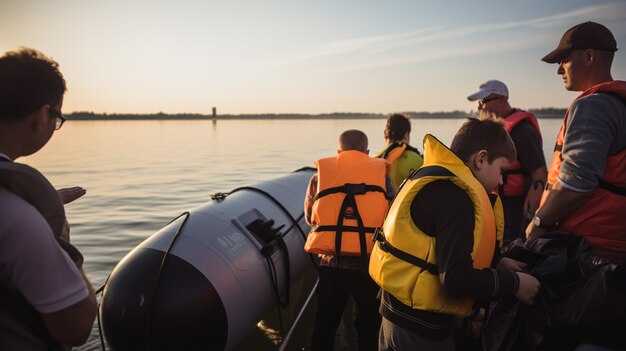
Always wear lifejackets when boarding or moving about the deck, and keep the jackets adjusted for a snug fit. Check the service tag and replace worn straps. Carry a whistle within reach and practice a quick signal so you can alert others that someone is in trouble. This simple step protects health and reduces risk on busy ramps and sudden splashes.
Always check forecasts before departure and set a safe return window. Map a route, mark shelter zones, and arrange a 2-hour check-in with a partner. A practical habit is making quick, informed choices to reduce risk on rough water. A more practical plan keeps focus on safety, reduces exposure to glare and spray, and helps you adjust if conditions shift quickly. Pack extra water, a charged VHF radio, and a spare battery for the navigation lights.
Assign a spotter on deck to help keep people clear of the stern and to watch for gear sliding down during docking. Equip the craft with lifejackets, a fire extinguisher, a throwable device, and a charged light. Keep a whistle and a daylight mirror signal to boost visibility. Conduct service tag checks on safety gear, and replace batteries on a routine schedule; these steps boost readiness and health of your crew.
When seas get rough, stay mindful of posture and use a stable stance to avoid strain. Hydration matters for health, and some people find ginger helpful for seasickness; keep a small supply and follow recommended doses. Train your crew on heaving lines, lifejackets checks, and boarding procedures so responses stay calm when conditions dip. A clear plan to contact emergency service helps keep people safe if someone needs help.
Expand your safety routine with quarterly gear checks: test bilge pumps, verify navigation lights, replace worn lines, and refresh flares. Keep a checklist at the helm and post-trip notes to simplify follow-up. During down time, review procedures with the crew and restock supplies for the next trip; a practical habit reduces risk and improves preparation.
Practical Safety Framework for Safer Boating in 2026
A properly fitted lifejacket makes every outing more enjoyable than going without one, and every boater should wear it underway.
Before leaving the dock, run a practical safety check: pump bilge if needed, then test extinguishers, confirm the route, and ensure anchor lines are ready.
On-water planning keeps you coastal aware: review weather, tides, and traffic, and make decisions that fit the conditions into safer zones rather than press ahead into risky areas. If visibility and wind allow, you can sail at a steady, controlled pace. Avoid known hazards that could leave you trapped.
Starting and underway procedures must be simple: smooth engine start, then avoid sudden rpm changes, monitor gauges, and check fuel levels.
Maintenance supports compliance: inspect engines, battery, hoses and fittings, and verify that safety gear is accessible from every seat and that equipment meets the required standards.
Emergency actions: if you lose propulsion, anchor to hold position, run the bilge pump as needed, and grab extinguisher for any fire while signaling for help from shore or people.
Drills and records: practice man overboard, radio calls, and crew roles; keeping a concise plan in a visible place makes safety routine and compliance easier to maintain.
Pre-departure Checklist: Verify Gear, Paperwork, and Fuel

First, top off fuel to a safe level and confirm your gear and paperwork are ready for departure time. Keep registration, insurance, and float plan copies on board or accessible via a mobile device, with quick-access contacts and a clearly defined meeting point.
Inspect safety gear now: every PFD properly sized and accessible; extinguishers with current inspection tags; signaling devices such as a horn or whistle; flares in a watertight case; a first-aid kit and a throwable device. Use a covering bag or dry container for sensitive items to prevent water damage during rough seas.
Review paperwork and permissions: verify vessel registration, operator licenses if required, and any towing or marina coverage. Keep digital copies on your mobile device and printed backups. Introduce a quick float plan check with a trusted person and confirm updates in real-time if plans change.
Fuel and engines: inspect for leaks, verify fuel level sufficient for the planned coast run plus a reserve, and ensure proper venting. Carry extra fuel in approved containers secured to prevent movement; seal caps tightly after fueling. If you expect changes in the route, adjust estimates accordingly and plan a standby stop if needed.
Electronics, lights, and signals: test running lights and navigation lights; verify VHF or mobile radio is functioning and within range. Bring spare batteries or a power bank and keep them accessible. Check real-time weather and tidal data before you depart and on-route updates to adjust plans as necessary.
Final quick check: confirm departure time, review the coast route, and ensure every item is accounted for from the gear bag to the safety line. Focus on readiness, increase awareness of conditions, and maintain performance by staying organized and acting promptly when changes occur.
Mal de Mer: Prevention, Remedies, and Passenger Comfort
Take an approved motion-sickness medication 30–60 minutes before boarding, then position yourself midships, look at the horizon, and keep your head still to reduce symptoms.
Note: Everything you need for comfort and safety fits into a simplified, convenient routine for boaters, from boarding to underway.
- Before boarding: Check the forecast for wind and wave height; choose a route that minimizes high swells between departure and arrival; verify that extinguishers, flares, life jackets, and safety lines are within reach; brief passengers so they know how to move if conditions change.
- On deck position: Sit midships along the yacht’s center of gravity; keep your gaze on the horizon and avoid reading; have a water bottle handy and opt for lighter meals before departure to prevent a heavy stomach.
- Hydration and nutrition: Eat small, bland meals, sip water regularly, and limit alcohol before going underway; a light snack every 1–2 hours helps increase tolerance.
- Remedies and comfort aids: Ginger candies or tablets, acupressure bands, peppermint oil, and a peppermint inhaler can be convenient; keep them within easy reach; set digital reminders to take remedies before symptoms start.
- Onboard environment: Ensure good ventilation, open a hatch for fresh air, and use a small fan to reduce the sense of motion; minimize strong smells and noise to steady nerves and comfort.
- Communication and signals: The skipper should use a whistle to indicate underway, speed changes, or rough seas; give a clear briefing so people know when to brace or sit; keep explanations simple in case of sudden maneuvers.
- Safety gear and discipline: Keep extinguishers and flares accessible and checked; ensure every person boards with a properly fitted life jacket before you board; keep aisles clear to prevent trips and know escape routes.
- Case handling and emergency planning: If symptoms persist (dizziness, vomiting, or inability to keep fluids down), move to a calmer area below deck, rest, and sip small amounts of water; consider pausing or altering course if needed; always have a plan B.
- Passenger comfort on longer trips: Create seating zones along the hull’s centerline; provide shade, cushions, and easy access to water; assign a few people to remind others of breaks each hour; keep a convenient kit with tissues, wipes, and snacks.
- Boaters’ responsibility: The skipper and crew monitor everyone, especially children and sensitive travelers; offer breaks and adjust speed to minimize motion; always check that navigation gear and safety equipment are ready and in good condition.
Vessel Safety Check: Life Jackets, Fire Extinguishers, Signals, and Maintenance Logs
Put a USCG-approved life jacket on before you cast off, and verify it fits snugly with a secure strap. Always have a PFD within arm’s reach for every person onboard, including children, on a yacht or small craft. Before departure, check the jacket type suits the conditions–Type I offshore, Type II nearshore, or Type III for leisure cruising–and do a quick look to confirm everyone is prepared for the water and weather.
Life jacket checks: inspect monthly and after every voyage for tears, loose seams, and buoyancy loss; replace if the foam is degraded or the fabric is compromised. Store jackets in a dry, shaded area, in labeled bins aboard and within reach at the helm and cockpit so you can grab one while underway. While looking for ways to deploy extra units for longer trips and in other areas, always think about accessibility and distribution so you can move quickly if needed.
Fire extinguishers: place at least one on deck near the engine compartment and another in the cabin for boats under 26 feet; larger vessels should have an additional unit or two. Check the gauge monthly, ensure the safety pin is intact, and replace if the indicator shows discharged or damaged. Use only coastguard-approved types (B-I or BC for marine use) and note the service life on the label; plan replacements at 5–12 years depending on model and exposure. Keep extinguishers out of direct sun and secure when the vessel is underway to avoid false alarms.
Signals: carry current signals per coastguard guidelines for your boating zone; ensure you have both day signals (orange flags) and night signals (handheld red flares or aerial flares). Check expiration dates and replace expired devices before you take the boat out. Typical flare life is 3–4 years for handhelds and 4–5 years for parachute signals; store them in a waterproof container. On longer trips, a digital beacon or satellite messenger can supplement flares, particularly when exploring remote routes with limited infrastructure.
Maintenance logs: keep a log (digital or paper) to track checks, with fields for date, item, result, and next due date. For each life jacket, note inspection date; for extinguishers, note gauge reading and service; for signals, note expiry; for electronics and battery banks, record replacement dates. The following fields simplify reviews: date, item, status, next due date. Following a simple program makes checks easier and keeps you prepared. Have a designated person lead the process, and speak up if any device needs attention. Take the log on leisure trips and share it with other crew members for years of boating safety.
Plan Your Passage: Route Planning, Weather Monitoring, and Contingency Routing

Plan your passage with a written route plan and checks covering everything from fuel to engines. Start by mapping the course on charts or a plotter, breaking the voyage into legs of 20–40 nautical miles for easier monitoring where you can adjust on the fly. Identify which waypoints define your legs. Assign clear roles for every member, including a spotter on the bow when traffic, shallow water, or restricted channels are near. Verify engines are working, confirm fuel reserves and pump status, and stock spare parts. Log position updates every 15–20 minutes and carry a backup copy of the plan. Having everything documented keeps the crew aligned and makes maintenance and decisions more convenient for safe operation. Some checks cover tank levels, battery health, and bilge pumps. Checklists cover important things like navigation lights, life jackets, and flare kits, so you can operate safely through changing conditions.
Weather monitoring requires two independent sources and a backup plan. Check wind direction and speed, sea state, visibility, and forecast updates. Use a primary forecast from a national service and a secondary source such as a marine app or local station. Note where changes occur and adjust the route table accordingly. Set triggers that switch plans if wind shifts by more than 15 knots or seas rise above your comfort level. Track the forecast for the next leg and update ETA and position as conditions evolve. Reducing uncertainty supports safer sailing for vessels of all sizes and crews.
Contingency routing: predefine two alternate routes and two safe harbors or anchorages. Identify which docks are open and allowed entry hours, with tide windows and berthing size. Include a course correction plan to avoid restricted areas and to maintain safe speed. In case of engine trouble, switch to auxiliary propulsion or sail if available, and keep a steady position. Assign a dedicated spotter and maintain a separate radio channel for traffic. Having a documented case for decisions helps the examiner and support teams review performance and learning. Practice the contingency with a drill so you are ready in the moment. This practice prevents accidents and keeps operations under control.
Practical checks vary by size and setup. Size and configuration influence plan detail; smaller vessels benefit from a concise checklist, while larger vessels require more thorough checks on load, stability, and life-saving gear. Position, speed, and spacing should adapt to traffic and weather; keep a dedicated spotter when visibility is limited. Some crews use a standard brief to confirm roles and the case for decisions, which helps the examiner and support teams assess performance. Having a clear case for decisions helps the crew operate confidently and reduce risk. Reducing exposure to risk means updating the plan after every voyage and refining the process to maintain safe operation.
Emergency Readiness: Drills, Roles, and Step-by-Step Response
Przeprowadzaj 10‑minutowy trening przed odlotem każdego ranka przed wylotem, przydzielaj każdemu jasno określone role i komunikuj się poprzez wspólny kanał w celu potwierdzenia planu. Umieść obserwatora z przodu, który będzie skanował teren pod kątem zagrożeń, podczas gdy inni zajmą się liniami, nawigacją i przeglądem silnika. Użyj tego przewodnika do rejestrowania danych i fotografowania wyników, abyś mógł śledzić postępy na przestrzeni tygodni.
Przydziel role zarówno załodze, jak i gościom, zweryfikuj przepisy prawne obowiązujące w Twoim rejonie i przećwicz reakcje na następujące scenariusze: człowiek za burtą, utrata mocy silnika, awaria elektryczna, uszkodzenie kadłuba, zalanie i uwięzienie. Upewnij się, że każda kamizelka ratunkowa jest odpowiedniego rozmiaru i że potrzebny sprzęt jest w zasięgu ręki. Po każdym ćwiczeniu zrób zdjęcia notatek i zaktualizuj dziennik danych, aby odzwierciedlić ulepszenia.
Step 1Wyznaczony lider natychmiast ocenia sytuację, na głos opisuje, co się wydarzyło i zbiera załogę wokół konsoli, aby zrozumieć zakres problemu. Obserwator z przodu notuje wiatr i prąd, blisko brzegu lub w otwartych wodach, i identyfikuje wszelkie czynniki pływowe wpływające na bezpieczeństwo; jeśli wiatr zmienia się bardziej niż przewidywano, natychmiast dostosuj plan.
Step 2Należy wydać jasny plan przez radio, wyznaczyć jedną osobę jako obserwatora, drugą jako osobę obsługującą liny, a trzecią jako nawigatora. W przypadku osoby wpadającej do wody lub uwięzienia, należy utrzymać napięcie na linie i utrzymywać kontakt wzrokowy z uwięzioną osobą, kierując bezpieczny ruch w stronę przygotowanego punktu wypornościowego. Upewnij się, że położenie wszystkich jest znane i rozmawiaj z osobą odpowiedzialną w miarę rozwoju wydarzeń.
Step 3Wykonaj sekwencję: zmniejsz moc i prędkość, zabezpiecz systemy nieistotne, rozmieszczaj sprzęt ratunkowy, rzucaj liny lub urządzenie ratunkowe i przydziel załogę do ustabilizowania statku. Potwierdź położenie wszystkich, rozprowadź sprzęt ratunkowy i utrzymuj stałą łączność na temat swojego stanu, aż nadejdzie pomoc. Kontroluj zarządzanie energią i bądź gotów dostosować się, jeśli zmieni się pływ lub wiatr.
Step 4Po wydarzeniu przeprowadź krótkie omówienie, aby zidentyfikować, co poszło dobrze i obszary wymagające poprawy. Zaktualizuj dziennik danych, popraw listę kontrolną przed odlotem i dostosuj plany szkoleniowe na kolejne tygodnie. Jeśli ktoś został uwięziony, przeanalizuj użyte kroki, aby go uwolnić i sfotografuj miejsce zdarzenia na potrzeby szkolenia. Upewnij się, że Straż Przybrzeżna lub władze lokalne zostaną poinformowane zgodnie z wymogami prawa i decyzją kapitana statku. Bądź świadomy wszelkich implikacji prawnych i udokumentuj je w swoim przewodniku dla przyszłych odniesień.
Utrzymuj świadomość poprzez regularne briefingi, które obejmują bezpieczeństwo od przodu do tyłu, utrzymuj gotowość obserwatorów blisko brzegu i ponownie sprawdzaj plan przed odlotem przed każdą podróżą. Wykorzystuj dane z każdego ćwiczenia, aby ulepszać systemy, zarządzanie mocą i koordynację załogi, aby każdy czuł się pewny i przygotowany, gdy zmienia się wiatr lub warunki pływowe zmieniają plan w wodzie.