


 Polski
  English (UK)
  Русский
  العربية
  日本語
日本語  한국어
한국어  Magyar
  Türkçe
  Español
  Čeština
  Svenska
  Português
  Ελληνικά
  Suomi
Suomi  Nederlands
  Română
  Italiano
  Français
  Українська
  Deutsch
  简体中文
简体中文  Slovenčina
 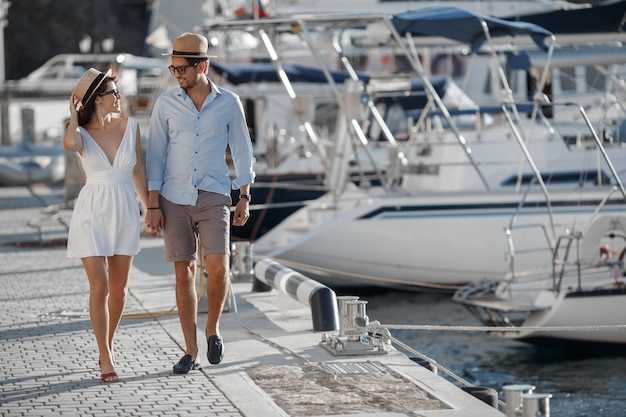 Boating in Miami – Your Complete Guide to Destinations, Rentals, and Tips">

Book a 4-hour sunset charter leaving from downtown; this choice yields perfectly calm seas, protected waterways, chances for visiting nearby islands. The crew will provide a route that matches the size, length of the craft; optional dinner onboard adds value. You will sight sights along the way. Please note time windows in January remain best, so booking early helps.
For pure scenery, start with a 3 to 4 hour circuit around Biscayne Bay west area; from downtown you reach iconic sights in roughly 30 minutes depending on currents. Renting a vessel with a shallow draft renders access to secluded channels; size of craft should fit your party; this layout provides stable decks for scuba gear changes, watching sights at every turn. Often options include onboard dinner or docking at waterfront dining. This keeps route exposure concise, within only a few hours.
To maximize value, select a rental package that provides safety gear; maps; a concise itinerary; this keeps the trip efficient. This plan requires a flexible schedule; with a waterfront focus, the area near downtown yields best skyline views, from which you can enjoy sights. The fee structure varies by duration; renting choices often offer flexible time blocks; please confirm fixed costs before signing. They provide them on request, which increases planning efficiency.
January invites early reservations; weather tends to be mild, yet winds shift; watch forecasts for late afternoon breezes that might redirect the route. For scuba fans, reefs, shipwrecks lie offshore; renting gear is optional; if you go diving, verify certification needs first. From downtown to Stiltsville, you will encounter sights such as mansions, private islands, sea life, often in calm waters. This area yields best experiences when plans stay flexible, with a clear time window; please watch weather updates before departure.
Peanut Island: Practical Boating Plan for Miami Waters
Begin at first light from haulover area marina; check weather, tide, vessel readiness; unless conditions deteriorate, ensure safety gear is ready; plan arrival at Peanut Island Park before mid-morning; dock at accessible slips if available; otherwise anchor near a designated park area.
Main route runs northward along the Atlantic coast; then west toward the Palm Beach region; often shifting conditions demand caution; capital region waters busy; use marked Intracoastal Waterway until past the Lake Worth Inlet; observe posted speed limits; maintain VHF channel 16; call ahead to dock; comply with enforcement; laws impose penalties for violation.
Expect roughly 70 nautical miles to Peanut Island from haulover region; Take spare fuel for a round trip; at 18 knots, travel time around 3–4 hours; vessels range from small sailme craft to powerboats; carry fuel for a round trip; pack extra water; your crew should review the route plan.
Park area surrounded by mangroves; wild habitat nearby; sales of permits at the marina office; access limited during nesting season; rules require staying within marked channels; enforcement near the Haulover Inlet; violation penalties.
Peanut Island history includes a nixon bunker; this legacy attracts visitors; nixon site designation may restrict access; respectful distance kept near the shore.
Safety gear includes PFDs, flares, VHF, GPS; check weather and tide status; warm clothing ready; plenty of water; waste management plan in place; perfectly maintained gear reduces risk.
Marina access is accessible; professional staff available at the dock; ready slips exist for short stays; sales for temporary mooring possible; confirm with staff; operate at idle near docks.
Further sailing plan includes a circumnavigation of Peanut Island vicinity; keep a safe distance from reefs; check charts for shoals; monitor weather; warm mornings require sun protection; keep plenty of fuel.
Plan respects region laws; park rules apply; enforcement patrols may increase during weekends; a violation could affect future access; use a professional approach; keep the area clean.
Access and Launch Points: How to reach Peanut Island by boat
Launch from Riviera Beach Public Boat Ramp, ready to cross the intracoastal toward Peanut Island. From the ramp, head east along the marked channel, keep the island on your left, and approach the public dock area on Peanut Island’s north shore. Such a route minimizes transit time for crew and maximizes time for visitors to explore the scene, swim, or snorkel as sunset approaches.
-
Riviera Beach Public Boat Ramp – most convenient starting point for a quick, direct run to Peanut Island. Costs are modest, parking is on-site, and ramps accommodate a wide range of boats. Check tide and current, keep to the proper side of any passing traffic, and be ready to switch to a dock or mooring once you reach the island’s vicinity. This location is popular with rental boats and local clubs, so expect some traffic during peak hours.
-
West Palm Beach intracoastal entry near downtown – longer headland but plumb for larger vessels and a broader set of services. From here, follow the ICW east, then bend to the north around Peanut Island’s shore to reach the public dock. Costs vary by marina, but options exist for every budget; enforcement patrols are common in peak times, so captain’s awareness and crew coordination matter.
-
John D. MacArthur Beach State Park ramp (North Palm Beach area) – a solid choice for smaller boats and calmer waters. Depth can vary with tide, so check depths before departure. The ramp is near scenic passes, and you can plan a short passing maneuver across the ICW before turning toward Peanut Island.
-
Peanut Island Park public dock area – final leg for drop-off or quick shore transfer. From here, visitors can easily access heart of the island by foot or small watercraft. If you plan to leave a rental rec boat here, review the rental agreement and any contract terms, and ensure you return before the park’s enforcement windows close.
Route notes and practicalities: such routes run along prime locations in the city and downtown corridors, with plenty opportunities for daylight cruising, photo stops, and safe crossings. Passing traffic includes vessels from local clubs and sightseeing cruises, so maintain a steady speed and follow posted regulations. Real-world timing varies with winds; most crews plan for 15–25 minutes of cruising time for mid-size boats under typical conditions, leaving ample time to check gear, rest, and prepare for the island visit.
Planning and safety check
- Check your equipment: coats of life jackets for every passenger, a VHF radio, and a working compass or GPS. Ensure the captain is ready to navigate the ICW and coastal channels with care.
- Contract and costs: review rental terms if using a rental vessel, including fuel rules, permitted areas, and return expectations. Costs at ramps and marinas vary by location and season; ask staff for a current rate sheet.
- Enforcement and etiquette: obey no-wake zones near Peanut Island, keep a safe distance from swimmers, and yield to passing boats when required to avoid aggressive behavior on the water.
- Docking and mooring: on arrival, check for posted signs at the park dock; some visitors prefer to anchor offshore and use a small tender to reach the beach. Check that you’re adhering to park rules and any local contracts that govern mooring or beach access.
- Safety and timing: plan for daylight hours; sunset brings changing light, increased traffic, and tighter mooring options. If you expect to stay past dusk, coordinate with enforcement or park staff and have navigation lights ready.
Key tips for a smooth arrival: keep your crew informed about the plan, stay aligned with the city’s waterfront rhythm, and check for updates on conditions before departure. Such preparation helps every captain and their guests enjoy the day safely, with a focus on clarity of motion and a steady rhythm that suits both visitors and locals.
Final note on locations and access: the peanut-shaped island sits amid busy boating lanes; always double-check the latest charts (historical notes like Fowey may appear on older diagrams, but rely on current GPS data). Plenty of maneuvering room exists for passing boats, but the safest approach is to maintain a responsible speed, keep a clear lookout, and coordinate with your crew to execute each move like a well-practiced team. This is a real scene of Florida coastline hospitality–perfect for a day that marries adventure with calm water and memorable vistas.
Regulations and Permits: What you must know before entering Peanut Island waters
permit needs online via the Florida Fish and Wildlife Conservation Commission portal; operators born after 1988 must carry a Safety Education ID Card; verify vessel registration remains valid; before entering Peanut Island waters, review restrictions: no-wake zones; designated mooring locations; wildlife guidelines; seagrass protection; underwater hazards; these requirements started long ago; they remain in force weekends when crowds swell; these steps address that need.
These restrictions influence captains planning a weekend run from Crandon toward Peanut Island; without proper documentation, officers could issue penalties. Officer Elliott notes signage, markers, posted rules place the limits; follow them closely.
- Permit sources: official FWC online portal; world-known yatco listings; a collector of vessel data; Palm Beach County Parks Authority resources.
- Safety equipment: PFDs for all on board; whistle or horn; fire extinguisher; visual distress signals; throwable flotation device; first aid kit.
- Credentials: boater safety education certificate; display Safety Education ID Card; keep proof of age for operators born after 1988; class-specific requirements may apply to certain craft.
- Environmental rules: no anchoring on seagrass beds; respect underwater hazards; avoid disturbing wild habitats; keep prop away from coral; minimize sediment.
- Wildlife guidelines: whales may appear in migratory routes; maintain distance; stay clear of manatee zones; observe natural habitats.
- Traffic and operation: weekends bring higher traffic; start early; use designated channels; obey posted speed limits; follow navigational markers; yield to larger vessels when needed; star markers help orientation.
- Location specifics: Peanut Island region lies near Crandon; check charts; follow official markers; this place includes shallow flats; stay within channels; watch underwater obstructions.
- Notices: official boards may advertise temporary restrictions; check them at launch place.
Boat Rental Options Near Miami: Types, pricing, and best operators
Skip guesswork: book a licensed, skipper‑included half‑day charter aboard a 26–30 ft center‑console; this option delivers safety, legal certainty, sunbathing on deck, and sunset vistas. The abundance of vessels along the coast means visitors could browse hundreds of listings; for enthusiasts, a collector‑minded approach helps evaluate history, equipment, and safety records.
Pricing hinges on duration, vessel class, and crew. Four‑hour trips start from roughly $300–$350, rise to $600–$900 for premium configurations, with full‑day passages typically $900–$1,500 depending on fuel consumption, port fees, and whether a skipper is included. Optional gear such as snorkeling equipment, fishing tackle, or water skis adds $40–$150 per item; plan monthly costs if you intend longer escapes. If itinerary includes a Bahamian hop, expect higher day rates and stricter enforcement of licensing and registration for the craft.
Legal basics: required license, registration, and proof checks are standard for most fleets; ensure registrations match the vessel and operator. Enforcement can verify documents at embarkation, so have a valid photo ID, proof of insurance, and any captain credentials ready. A skipper is optional on smaller craft but mandatory on some larger vessels; verify this at booking. Social reviews from visitors highlight transparent pricing, no hidden fees, and clear cuisine stops ashore in coastal towns; verify these elements before confirmation.
| Operator | Vessel types | Typical rate | Wymagane dokumenty | Uwagi |
|---|---|---|---|---|
| Coastal Drift Charters | center‑console, cabin cruiser | From $300–$600 for 4 h; full‑day $900–$1,500 | prawo jazdy, dowód rejestracyjny; dokument tożsamości ze zdjęciem | paliwo w cenie; opcjonalny skipper; opalanie się na pokładzie |
| Bayfront Marine Co. | bowrider, flybridge, obsługa skuterów wodnych | Od 120 do 250 USD za godzinę | licencja, rejestracja; weryfikacja wieku | krótkie przeloty; rejsy o zachodzie słońca; zapewniamy sprzęt |
| Islander Bay Charters | łodzie rybackie, wieloosobowe łodzie sportowe | Od 250°C do 500°C przez 4 godziny | licencja, rejestracja; pozwolenie na wędkowanie, jeśli wymagane | opcjonalny skiper; przeglądaj setki opcji; przystanki kulinarne na lądzie |
Paliwo, pływy i bezpieczeństwo: podstawowe elementy udanego dnia na wodzie
Zacznij od pełnej kontroli paliwa; miej pod ręką rezerwę w zatwierdzonym pojemniku; wybierz plan alternatywny na wypadek zmiany pogody lub natężenia ruchu w Boca Marina; etykietuj i bezpiecznie przechowuj butelki; połącz to z szybką kontrolą oleju silnikowego; miej gotowy zapasowy filtr; nadmiar ostrożności zmniejsza ryzyko utknięcia w przełęczy w pobliżu wyspy.
Skonsultuj tablice pływów NOAA na oficjalnej stronie; wybrzeże Biscayne wykazuje płytkie mielizny w pobliżu zatok; niski stan wody może uwięzić łodzie w błocie; trzymaj się oznaczonych kanałów; zachowaj dodatkowy margines planując przejścia; unikaj większych fal, planując ruchy z przypływami.
Zakładaj kamizelki ratunkowe (PFD) każdemu pasażerowi; upewnij się, że urządzenie rzutowe jest dostępne; używaj radia VHF; złóż plan rejsu z zaufaną osobą; miej przy sobie podstawową apteczkę pierwszej pomocy; znaj numery alarmowe; zachowaj bezpieczną odległość od pływaków, dzikiej przyrody; w przypadku braku ochrony istnieje ryzyko śmierci.
Po zacumowaniu odkryj różnorodną kuchnię w pobliżu wybrzeża, z mnóstwem opcji dla odwiedzających; wybierz miejsca nad wodą oferujące widoki na panoramę miasta; bistra w rejonie zatoki Boca często serwują świeże owoce morza; zasoby internetowe mogą pomóc Ci trzymać się popularnych tras, unikając jednocześnie mielizn.
Wskazówki dotyczące nawigacji na płytkich wodach: Zasady dotyczące boi, mapy i ograniczenia prędkości.
Recommendation: Przed wejściem na miamińskie przejścia, zweryfikuj głębokości na mapach NOAA ENC za pośrednictwem strony internetowej Florida Navigational; zasada ta dotyczy wód Zatoki Florydzkiej; utrzymuj zanurzenie co najmniej 3 stopy poniżej głębokości wskazanej na mapach; monitoruj tablice pływów online; takie podejście minimalizuje ryzyko wejścia na mieliznę w Zatoce.
Zasady dotyczące boi: Czerwone znaki oznaczają prawą stronę, gdy zbliżasz się od strony morza; Zielone znaki oznaczają lewą stronę; Żółte znaki niebezpieczeństwa sygnalizują ostrożność; Znaki bezpiecznej wody są białe z niebieskimi pasami; Zachowaj duży odstęp od skupisk w pobliżu głównego przejścia; Przestrzegaj ograniczeń prędkości przy bojach, w strefach bez fal, przy wyjściach z kanału.
Wykresy i źródła: Główne mapy nawigacyjne udostępniane przez władze zawierają informacje o głębokości, ostrzeżenia o płyciznach, pogłębiane kanały; Nazwa systemu: NOAA ENC; Zestaw map NOAA ENC zawiera oficjalne dane dotyczące pochylni, głównego przejścia, otaczającego obszaru płycizn; W regionie Zatoki Perskiej należy zweryfikować dane z lokalnymi odniesieniami w pobliżu pochylni; Aktualizuj mapy online; Zwróć uwagę na zmiany w położeniu płycizn podczas pływów; Ponadto monitoruj zmiany pływów wpływające na płycizny.
Zasady i zgodność: Egzekwowanie przepisów różni się w zależności od jurysdykcji; Właściciele jednostek pływających muszą dokonać rejestracji przed rozpoczęciem użytkowania; W przypadku czarterów umowa określa obowiązki załogi; instruktaże bezpieczeństwa; ujawnianie ryzyka; Osoby działające w Zatoce powinny posiadać aktualne dokumenty rejestracyjne; Zrodzona z dziesięcioleci działalności przybrzeżnej, ta struktura kładzie nacisk na bezpieczeństwo; W przypadku otrzymania mandatu należy niezwłocznie wymienić się informacjami; Operacje płatne wymagają jasnej umowy; dowodu ubezpieczenia; W okolicach Miami egzekwowanie prawa może obejmować przepustki tranzytowe na ograniczeniach wlotowych; Uwaga: należy przechowywać dokumentację w łatwo dostępnym miejscu.
Praktyczne działania: Plan przed podróżą obejmuje lokalizację slipu; główne terminy przepłynięć; okno pływów; Skorzystaj ze strony internetowej, aby potwierdzić pogodę, prądy, aktualizacje głębokości; Dla tras miami zweryfikuj dryf, prądy, gęstość mielizn; Załoga powinna znać trasę; lokalne przepisy; wywieszone notatki; W przypadku płatnych czarterów przejrzyj umowę przed podpisaniem; Osoby działające w okolicach linii brzegowych Zatoki Perskiej powinny mieć przy sobie dane rejestracyjne; W strefach snorkelingu obowiązują zasady bezpieczeństwa; przekąski z orzeszkami ziemnymi mogą być przechowywane na pokładzie dla załogi; W przypadku czarterów opcje obejmują statki z kadłubami o małym zanurzeniu, odpowiednie do przepłynięć; Strona internetowa zawiera opcje kontaktu w celu uzyskania dalszej pomocy; Planując przystanki kulinarne w pobliżu brzegu, sprawdź lokalne lokale gastronomiczne; Takie podejście zapewnia bezpieczną i płynną pracę; Czynniki do rozważenia: prądy; zmiany wiatru; zakres pływów; gęstość mielizn; widoczność.
Atrakcje na jednodniową wycieczkę w pobliżu Peanut Island: Nurkowanie z rurką, pikniki i zwiedzanie linii brzegowej.
Najlepszy pierwszy ruch: Snurkuj w rafach słonowodnych u wybrzeży Peanut Island w otwartych strefach; poranna widoczność jest zwykle najlepsza; wypatruj papugoryb i lucjanów; rekiny pielęgniarskie są możliwe. Opalanie się na piaszczystej plaży jest przyjemne; przebywaj w strefach chronionych; patrole egzekwujące prawo monitorują przestrzeganie przepisów; zapoznaj się z lokalnymi przepisami opublikowanymi przez komisję hrabstwa Palm Beach.
Plan piknikowy: Spakuj kompaktowy koc, nietłukące się naczynia; dużo przekąsek; lodówkę z wodą; korzystaj z zacienionych miejsc w pobliżu publicznego doku; udogodnienia obejmują toalety, stanowiska do płukania, kosze na śmieci; dla gości niebędących mieszkańcami, przebywających na łodzi przez kilka dni, należy uzyskać kartę wstępu do doku w biurze parku; w pobliżu znajdują się zatwierdzone opcje dokowania; przejrzyj mapy w poszukiwaniu najlepszych tras; weź również pod uwagę zmiany pogody.
Eksploracja linii brzegowej: Podążaj wyznaczonymi szlakami w sercu wyspy; szanuj chronione strefy lęgowe; obserwuj dziką przyrodę z bezpiecznej odległości; największe plaże muszlowe znajdują się wzdłuż wschodniej linii brzegowej; akredytowani operatorzy oferują opcjonalne piesze wycieczki z przewodnikiem wzdłuż linii brzegowej; kapitanowie udzielają instrukcji dotyczących pływów; bezpieczeństwa na otwartych wodach; lokalnych przepisów; certyfikacja może być wymagana w przypadku komercyjnych wycieczek; egzekwowanie przepisów zachowuje dostęp dla wszystkich grup żeglarzy; istnieją trasy z siedzibą w Stuart dla podróżnych rozpoczynających podróż ze Stuart; trasy te zazwyczaj zataczają pętlę z powrotem do tego samego doku.