


 Polski
  English (UK)
  Русский
  العربية
  日本語
日本語  한국어
한국어  Magyar
  Türkçe
  Español
  Čeština
  Svenska
  Português
  Ελληνικά
  Suomi
Suomi  Nederlands
  Română
  Italiano
  Français
  Українська
  Deutsch
  简体中文
简体中文  Slovenčina
 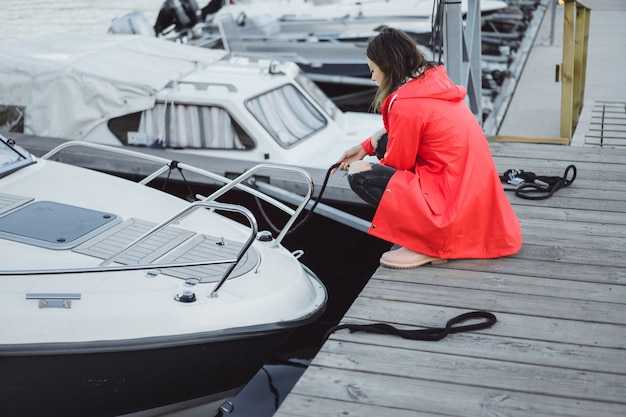 Boat Storage Options Explained – Dry Stack, Wet Slip, or Trailer">

Wybierz cumowanie w wodzie jako domyślne dla żaglówek, aby zmaksymalizować gotowość i bezpieczeństwo.
Zacumowanie w wodzie zapewnia natychmiastowy dostęp, dzięki czemu żaglówki są gotowe na weekendowe wycieczki. Opcja ta jest znana jako bezpieczna, ale są one narażone na fale, prądy i wiatry, zwłaszcza podczas burz czołowych, co wyjaśniają lokalne układy wiatrów. W związku z tym należy zapewnić odpowiednie ubezpieczenie i plan gotowości, który można szybko wdrożyć.
Podwyższony, naziemny system regałowy stanowi atrakcyjną alternatywę, gdy dostęp do wody jest ograniczony. This approach zapobiega kontaktowi z kadłubem i zmniejsza ryzyko korozji, zapewniając jednocześnie odpowiednią ochronę przed słońcem i gradem. Zazwyczaj, ten układ pasuje do wielu jednostek pływających o długości do 35 stóp i może zapewnić niższe koszty na stopę z opcjami dostępnymi na wodzie, co czyni go atrakcyjnym dla właścicieli poszukujących efektywności i przewidywalnego budżetu.
Dla właścicieli, dla których mobilność jest priorytetem, transport gotowy do jazdy do osłoniętego obiektu zapewnia maksymalną niezależność od okien pogodowych. Wymaga starannego rozmieszczenia punktów podparcia, okresowych kontroli i skoordynowanego harmonogramu, ale chroni jednostkę przed długotrwałym narażeniem na działanie elementów morskich i wspiera elastyczny plan gotowości. Często preferują to podejście, gdy budżety i rejsy są zbieżne, co wielu załogom jest dobrze znane i doceniane.
Ostatecznie, decyzja musi uwzględniać długość jednostki, typowe użytkowanie i lokalny klimat. Powinna porównywać najlepszą opcję z realiami utrzymania, ubezpieczenia i zakresu ochrony, a także musi odzwierciedlać gotowość i tolerancję ryzyka właściciela. Ich doświadczenie kieruje wyborem, a wybrana ochrona powinna zabezpieczać przed podatnymi na uszkodzenia warunkami, pozostawiając przestrzeń na rozwój i zmiany, oraz inne koszty.
Wady miejsc postojowych w wodzie dla właścicieli łodzi: aspekty praktyczne

Zacznij od rygorystycznego harmonogramu konserwacji i budżetu na zużycie osprzętu; jeśli wybierzesz cumowanie w wodzie, odłóż środki na ochronę przed korozją, konserwację akumulatora i wymianę lin.
Koszty są ograniczone warunkami mariny, często w ramach sezonowych cykli cenowych; tym, co wielu właścicieli niedocenia, są długoterminowe wydatki związane z ochroną kadłuba, poprawkami pompy zenzowej i kontrolami jakości zasilania elektrycznego na nabrzeżu.
Ekspozycja na warunki atmosferyczne w środowisku wodnym przyspiesza porastanie i zużycie elementów złącznych, wymagając częstszego czyszczenia, cykli ochrony przed porastaniem oraz kontroli anod i połączeń elektrycznych, zwłaszcza gdy temperatury zmieniają się sezonowo. Istnieją różne rodzaje powłok kadłuba i anod, ale wszystkie wymagają regularnej kontroli i terminowej wymiany, aby zminimalizować przestoje.
Środowiska słonowodne lub jeziorne zwiększają ryzyko korozji; będziesz musiał radzić sobie ze zmianami sezonowymi, które wpływają na wilgotność, co z kolei wpływa na żywotność baterii i jakość połączeń elektrycznych. Przepisy w niektórych jurysdykcjach wymagają okresowych przeglądów i środków ochrony przeciwpożarowej, co wydłuża czas planowania i zwiększa koszty. Dla wielu jednostek czynniki te odgrywają większą rolę niż początkowa opłata za dokowanie.
Dla właścicieli dbających o budżet, połączenie okresów spędzanych na wodzie z postojem na lądzie w partnerskiej marinie poza sezonem może zredukować koszty, zachowując dostęp do jednostki w razie potrzeby.
W planowaniu śledź kilka wskaźników: ograniczenia wysokości doku, temperaturę wody i dostępność energii elektrycznej; stwórz dziennik, aby porównać wydatki na konserwację z wartością wygody; rekreacja w następnym sezonie powinna być uwzględniona w budżecie. Są świadomi, że cumowanie w wodzie nie jest wolne od ryzyka i wymaga czujności.
Zmienność kosztów i ukryte opłaty w przechowywaniu w marinie
Przedstawić wycenę pozycji z wyszczególnieniem opłat za podstawowe miejsce postojowe, energię elektryczną, wodę, pompowanie ścieków, ochronę, dostęp do bramy i opłaty administracyjne; zweryfikować zakres i limity ubezpieczenia od odpowiedzialności cywilnej oraz porównać co najmniej trzy obiekty w różnych dzielnicach, aby znaleźć opcje wspierające życie na łodzi bez poświęcania bezpieczeństwa i jakości.
Dynamika kosztów różni się w zależności od metody ustawienia i popytu jesiennego. Pionowy system regałowy (regały) w obiekcie klimatyzowanym zapewnia kompaktowe wykorzystanie przestrzeni i może obniżyć długoterminowy wpływ; mniejsze jednostki często generują niższe miesięczne koszty, podczas gdy większe kadłuby podnoszą sumę. Cumowanie w wodzie wzdłuż doków oferuje bezpośredni dostęp do wody, ale zwykle wzrasta jesienią ze względu na obłożenie i ograniczenia głębokości. Plac do wyciągania z dostępem drogowym zapewnia najbardziej przewidywalne opłaty podstawowe, ale dolicza opłaty za dostęp poza godzinami pracy, personel ds. bezpieczeństwa i ograniczenia parkowania; sprawdź dopłaty i ograniczenia w szczycie sezonu, aby uniknąć niespodzianek.
Ukryte koszty do wyszczególnienia obejmują zużycie energii elektrycznej, wody, wypompowywanie nieczystości, dostęp do bramy, zakres ubezpieczenia, limity odpowiedzialności, kaucje i opłaty administracyjne; niektóre obiekty obciążają kosztami pompowania zęzy, sprzątania i utylizacji, a usługi transportu lub wyciągania łodzi mogą wiązać się z oddzielnymi opłatami. Jeśli planujesz mieszkać na łodzi, wyjaśnij, co jest wliczone w cenę, a za co trzeba dodatkowo płacić; upewnij się, że rozumiesz limity zużycia wody i energii oraz wszelkie ograniczenia sezonowe. W poszukiwaniu praktycznych rozwiązań rozważ metodę, która odpowiada Twoim preferencjom i zapewnia solidne pokrycie, zachowując jednocześnie bezpieczeństwo żeglarzy w sąsiedztwie i na całym świecie.
| Typ instalacji | Typowy zakres miesięczny | Ukryte opłaty i notatki | Best for |
|---|---|---|---|
| System regałów pionowych (regały piętrowe) w klimatyzowanym pomieszczeniu | Małe łodzie do 25 stóp: 60–120; 26–30 stóp: 120–180; 31–40 stóp: 180–260 | Energia elektryczna według zużycia, woda, wywóz nieczystości, dostęp do bramy, ubezpieczenie, dopłaty na utrzymanie, regulacje jesienne | Minimalizuje zajmowaną przestrzeń; wygoda jak na podwórku; nadaje się do życia na pokładzie na ograniczonych obszarach. |
| Zacumowanie w wodzie wzdłuż nabrzeży portowych | Za stopę liniową miesięcznie: 8–30; typowy całkowity zakres: 200–1000+ w zależności od długości/lokalizacji | Woda, elektryczność, wywóz nieczystości, ochrona, dostęp poza godzinami pracy, ograniczenia sezonowe, zakres odpowiedzialności | Bezpośredni dostęp do otwartych wód; duże doświadczenie na otwartych wodach i wysokiej jakości obiekty w najlepszych lokalizacjach na świecie |
| Plac do wyciągania łodzi z dostępem drogowym | Dostęp do bazy 150–500 miesięcznie; większe jednostki 600–900; obowiązują oddzielne opłaty za wyciąganie na brzeg | Opłaty za godziny nadliczbowe, ograniczenia w parkowaniu, personel ochrony, opłaty za utylizację, ubezpieczenie | Niski stały koszt ogólny; elastyczny drop-off; dobry do poważnej kontroli kosztów i zróżnicowanej konfiguracji |
Ekspozycja na wilgoć, ryzyko korozji i zużycie powierzchni kadłuba
Przechowywać w klimatyzowanych pomieszczeniach, gdy tylko pozwalają na to całoroczne warunki; to najlepszy sposób na zminimalizowanie ekspozycji na wilgoć, spowolnienie tempa korozji i zachowanie wykończenia kadłuba.
Ekspozycja na wilgoć przyspiesza korozję i zużycie powierzchni poprzez kondensację, transport chlorków i tworzenie się warstw soli na elementach złącznych i powłokach. Podczas cumowania na otwartym powietrzu rozpryski fal i wilgotność narażają kadłub na większe uszkodzenia; środowiska wewnętrzne z kontrolowaną wilgotnością i przepływem powietrza znacząco zmniejszają to ryzyko. Naucz się monitorować warunki za pomocą higrometru, korzystaj z wentylacji i umieszczaj osuszacze tam, gdzie to możliwe; ponadto ukierunkowane osuszanie obniża wilgotność wewnątrz i poprawia niezawodność długoterminowej konserwacji.
Cumowanie na otwartym powietrzu naraża kadłub na działanie wiatru i deszczu, słonej mgły oraz skoków wilgotności; w pomieszczeniach zamkniętych ekspozycja jest zminimalizowana, co poprawia niezawodność i zmniejsza uszkodzenia powłok.
Istnieją trzy rodzaje podejść, które odpowiadają różnym harmonogramom i budżetom: przechowywanie w pomieszczeniach z kontrolą klimatu; chronione cumowanie w marinie; oraz przenośne platformy na kółkach, przechowywane w pobliżu domu na weekendowe przygody. Każdy rodzaj oferuje inną równowagę między łatwością, dostępnością i ochroną; idealny wybór zależy od tego, jak często podnosisz i przemieszczasz jednostkę pływającą oraz jak bardzo cenisz wygodę w porównaniu z ochroną przed wilgocią. Dla użytkowników rekreacyjnych przechowywanie w pomieszczeniach jest zwykle najlepsze dla zachowania wykończenia; cumowanie odpowiada tym, którzy cenią gotowość, a opcje na kołach zapewniają elastyczność przy ograniczonym budżecie. Należy pamiętać, że sposób przenoszenia i podnoszenia ma znaczenie, a te opcje zapewniają ochronę i uwzględniają różne harmonogramy.
Zimowanie i rutynowe kontrole są niezbędne do utrzymania wewnętrznych komponentów i powierzchni; podejście środkowe często zapewnia kompromis między ochroną a kosztami energii i nakładem pracy. Kiedy wiesz, jakiego ustawienia użyjesz, możesz dostosować plan: pakiety osuszające, wentylowane pokrowce i staranny drenaż zmniejszają ekspozycję na wilgoć; anody protektorowe i powłoki muszą być sprawdzane co roku, aby zapobiec uszkodzeniom i zapewnić długoterminową niezawodność.
Aby sprostać Twoim całorocznym planom, ustal jasne cele: utrzymuj wilgotność wewnątrz poniżej 60%, zapewnij stabilną temperaturę i minimalizuj osadzanie się soli poprzez mycie po użyciu. Co miesiąc sprawdzaj wykończenie kadłuba pod kątem mikrozarysowań i ponownie nakładaj warstwy ochronne na początku sezonu. Takie podejście przemawia zarówno do żądnych przygód entuzjastów, jak i okazjonalnych użytkowników, zapewniając łatwość konserwacji i szybszą gotowość do następnej podróży. Zmniejsza również potencjalne szkody wynikające z ekspozycji na wilgoć i umożliwia szybkie podniesienie i przeniesienie podczas zmiany miejsca cumowania na miejsce w domu.
Ograniczony dostęp: godziny otwarcia mariny i czasy oczekiwania na dokowanie
Zawsze sprawdź godziny otwarcia mariny dzień wcześniej i staraj się dokować poza godzinami szczytu, aby zmniejszyć opóźnienia.
Średni czas oczekiwania różni się w zależności od jeziora i pory roku: w typowych obiektach w centrum miasta należy spodziewać się 15–30 minut; w okresach ekstremalnego szczytu lub podczas specjalnych wydarzeń 45–60 minut; bardziej odległe brzegi zazwyczaj oscylują wokół 5–15 minut.
Wartość wynika z planowania: przyda się kilka planów awaryjnych, takich jak sprawdzanie tablic statusu w czasie rzeczywistym, dzwonienie z wyprzedzeniem lub posiadanie pobliskiego zapasowego miejsca do cumowania, aby zminimalizować zakłócenia podczas spaceru na brzeg lub koordynowania załogi, co zapewnia płynniejsze przybycie.
Ograniczenia i wymagania zmieniają się w zależności od sezonu i polityki obiektu. W pewnych warunkach wymagane jest zezwolenie na korzystanie z sąsiednich publicznych doków, a niektóre mariny wymagają dostępu windą dla większych jednostek. Należy również zadbać o zabezpieczone ustalenia i potwierdzić godziny otwarcia bramy, aby uniknąć zamknięcia.
Zabezpieczenia nabrzeża obejmują metalowe ogrodzenia i zabezpieczone punkty dostępu; w okresach wzmożonej aktywności godziny mogą ulec zmianie i może być wymagana karta mieszkańca lub kod. Aby uzyskać wiarygodne informacje, korzystaj z oficjalnego źródła mariny, w tym z ogłoszeń bosmana i tablic ogłoszeń nabrzeżnych.
Zimą śnieg lub lód mogą ściskać okna dokowania i skracać opublikowane harmonogramy; sprawdzaj z wyprzedzeniem i spodziewaj się ograniczeń, dlatego miej plan awaryjny na tymczasowe cumowanie lub pobliską alternatywę nabrzeżną, która zapewnia elastyczność i zmniejsza ryzyko dla Twojego harmonogramu.
Security risks at crowded marinas: theft and vandalism
Immediate action: deploy automatic lighting and camera surveillance with real-time alerts, and enforce strict access control; this typically reduces around 40-60% of theft and vandalism incidents in crowded marinas. Establish a year-round readiness program that adapts to seasonal peaks, storms, and maintenance windows; applying the needed protocols.
- Perimeter and access controls: Install clearly marked entry points with credentialed access; ensure cameras cover all berths; review logs monthly and coordinate with harbor staff; after-dark patrols dramatically cut risks around waterfront assets.
- Surveillance data handling and response: Use weather-rated cameras, retain footage for at least 30 days, and set automatic alerts for tampering; connect with a world-wide monitoring network to enable rapid response; frequently test system integrity during storms and seasonal shifts.
- Valuables and gear handling: Tag high-value gear on boats; store items in locked outdoor lockers or locked bins; maintain a visible log of stored gear; many owners start to reduce risk by removing valuables during high-traffic events.
- Fuel and maintenance safety: Keep fuel cans and volatile items in approved, vented containers away from heat sources; do not store near engines or electrical panels; ensure spill containment measures are ready.
- Seasonal cycles and readiness: In seasonal peaks, increase patrol frequency and lighting; during winterization, minimize exposed items and secure lines and fenders; always review readiness before a storm season or a big regatta; typically, a flexible plan lowers loss incidents.
- Protection measures and education: Educate boat crews about securing gear, reporting suspicious activity, and following checklists; distribute a simple monthly checklist for owners to follow; this helps many increase year-round vigilance and accountability.
- Cost vs benefit and outcomes: The average security budget yields higher protection when spread across multiple methods (lighting, cameras, access control, nearby yard watchers); around world marinas applying multi-layered security see fewer vandalism cases and better incident resolution; the approach offers flexibility to adapt to yard layouts, climate, and local regulations, versus isolated, single-solution setups.
- Operational notes and comparisons: The distance between vessels, outdoor weather exposure, and high activity create more opportunities for theft; making items compact and stowable reduces risk; ensure readiness to respond quickly when alarms trigger.
- Context and choice framing: Compared to a backyard setup, crowded marinas demand formal controls and documented procedures to deter opportunists; this distinction guides where to invest first (lighting and access versus signage and patrols).
Insurance coverage nuances and liability questions in wet slips
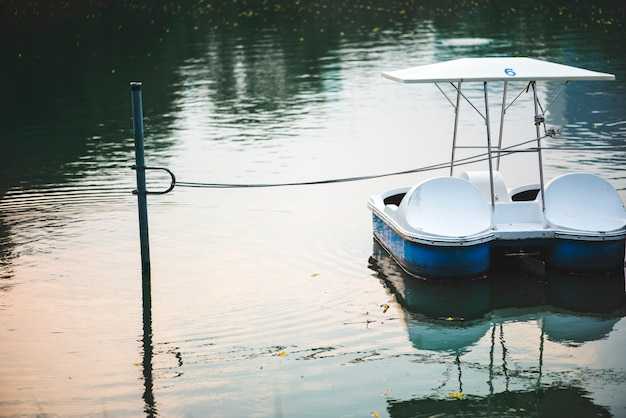
heres a concrete recommendation: secure a liability endorsement naming the marina berth as additional insured and set minimum limits of $1,000,000 per occurrence, with $2,000,000 aggregate where possible. Ensure coverage travels with your recreational craft when outdoors and that dockside power hookups and shore connections are included in the protection. Obtain the certificate before you sign the agreement, and renew it annually to stay aligned with your setup; this keeps protection aligned with risk factors.
These policies frequently provide limited protection for weather-driven or wear-related damage unless a rider is added. Verify the scope for damage to fixed marina structures, dock equipment, and third-party injuries; confirm how subrogation works and whether deductibles apply to each claim. A robust approach keeps costs predictable and reduced out-of-pocket exposure when storms, wind, or ice affect the berth.
Key factors to examine when comparing terms include whether the coverage includes power-related incidents and whether the marina’s lift facilities are covered for both vessel and equipment damage. If a captain or crew operates from the dock, ensure their actions are within the insured scope; the policy should extend to crew members who assist with lines and fenders. For large craft or multiple vessels, confirm per-claim limits are enough and whether multiple vessels share limits. Set a high level of coverage to guard against catastrophic losses.
In snow-prone regions, discover whether winter conditions are covered for damage caused by ice buildup on pontoons or moorings. Before signing, ask if the marina requires a specific level of liability and whether they offer a dedicated rider; prices vary, but the best value balances adequate protection with predictable premiums. Boaters benefit from a clearly defined scope that keeps disputes minimal and supports a quick resolution in recreational use contexts.