


 Polski
  English (UK)
  Русский
  العربية
  日本語
日本語  한국어
한국어  Magyar
  Türkçe
  Español
  Čeština
  Svenska
  Português
  Ελληνικά
  Suomi
Suomi  Nederlands
  Română
  Italiano
  Français
  Українська
  Deutsch
  简体中文
简体中文  Slovenčina
 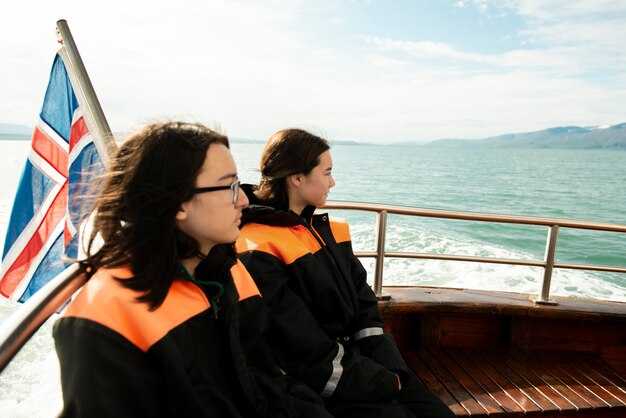 Best Times to Sail by Region – Perfect Conditions for Every Sailing Season">

Dla większości sterników, celuj w Pacyfik i wybrzeża Australii w lutym, aby uzyskać spokojne morze i kryształową wodę, przy stałych wiatrach, które biegną 12–20 węzłów i widoczność, która sprawia, że każdy manewr jest prosty. To okno minimalizuje sztormy, pozwala nasycić się słońcem i zapewnia a good równowaga żeglarstwa basics i czas podróży dla onboard załogi poznające podstawy.
W każdym regionie, trzymaj podstawy w widoku: zaplanuj osłoniętą trasę, ćwicz mocowanie przymocowane i obsługę liny, oraz sprawdzaj prognozy wiatru dwa razy dziennie. Przygotuj się na nagłe podmuchy wiatru, z wiatrami między 10–25 węzłów w zależności od pory roku, i spakować liny do reefingu oraz osłonę przeciwsłoneczną, aby cieszyć się długimi popołudniami podczas onboard czynności pozostają skoordynowane.
Caribbean windows run from november through kwiecień, przy wiatrach pasatowych w pobliżu 15–25 węzłów i morza wokół 1–2 m. Wybieraj miejsca blisko zacisznych brzegów na Leeward i Windward Islands, aby utrzymać stały kurs, i obserwuj żółwie morskie pasące się na rafowych płyciach o świcie. Wybrzeże również oferuje diverse anchorages and frequent wieloryb pojawienia się wzdłuż brzegów.
W pacyficznych korytarzach w okolicach równikowych i południowych tras, najlepsze okna czasowe przypadają od lutego do kwietnia, z wiatrami w okolicach 12–22 węzły i krystalicznej wodzie wzdłuż korytarzy raf. Uważaj na dziką przyrodę: plemnik wieloryby na południowych trasach i żółwie wzdłuż stref koralowych. Planuj płytkie kotwicowiska i częste onboard sprawdzanie osprzętu, więc mocujesz i zabezpieczasz liny bez zwłoki.
Śródziemnomorskie sezony najlepiej sprawdzają się od maj do październik, przy typowych wiatrach wynoszących 12–20 węzłów i morza wokół 0,5–1,5 m in sheltered bays. For early-season cruises, target june oraz późżzna wrzesień kiedy ustąpią upały i tłumy się rozproszą. Utrzymuj stałe tempo na zróżnicowanych liniach brzegowych i mount kotwicz w osłoniętych portach przed zachodem słońca.
Ocean Zachodni i Azja Południowo-Wschodnia oferują najlepsze ramy czasowe od październik do february, przy wiatrach północno-wschodnich monsunowych 15–25 węzłów blisko wybrzeży i mórz 1–3 m. W miejscach takich jak Morze Andamańskie lub Cieśnina Malakka, planuj dłuższe przeloty i krótsze dni, chłoń lokalną kulturę i używaj lżejszego osprzętu do żeglugi w węższych przejściach. Uważaj na dziką przyrodę, jak wieloryb pods and żółwie w popularnych zatokach kotwicznych, zwłaszcza gdy zakotwiczasz się w pobliżu osłoniętych raf.
W regionach, stwórz elastyczny harmonogram wokół basics dotyczące regulacji żagli i odczytywania warunków pogodowych, i traktuj luty jako kluczowy punkt odniesienia, kiedy chcesz mieć dni podróży i czyste morze. Artykuł nakreśla obszar po obszarze wskazówki i porady, które pomogą Ci zaplanować sezon z spokojnymi wodami, komfortowym życiem na pokładzie oraz bezpiecznymi, przyjemnymi podróżami pomiędzy miejscami, z poszanowaniem dla dzikiej przyrody, takich jak wieloryb oraz żółwie. Ta metoda utrzymuje zaangażowanie Twojej załogi i Twoich tras diverse for every place you set sight on.
Regions and Seasonal Windows for Optimal Sailing
Dont lock yourself into one window. Identify the region first, then align your dates with steady winds, limited showers, and the scenery you crave. In the indies, the Nov–Apr window delivers reliable 15–20 knot trades, abundant sunshine, and calm anchorages. Sail from lucia to vincent and hop between reefs and sheltered bays; departing early each day helps you maximize daylight for overnight hops between ports, while cabin stays offer comfort after breezy afternoons.
The difference between regions becomes clear when you compare wind patterns and shower frequency. In the northeast coast, late spring through early autumn offers lighter showers spread across longer days, with 12–20 knot winds suitable for coastal hops and serene harbors with lights at night. May and September strike a balance between fewer crowds and reliable breeze, ideal for extended weekend legs.
Across the australias, the eastern seaboard favors May–September, when cyclone risk is low and seas stay manageable. Expect 15–25 knot winds, cooler mornings, and abundant sunshine. The spread of reefs along the coast, especially near the Great Barrier Reef, invites memorable day sails with easy overnight cabin stays in ports like Cairns, Port Douglas, and Townsville.
Beyond the main arc, the indies and nearby islands offer a secondary window from December to April with steady trades and vibrant scenery. You’ll find exceptional experiences along reefs, a relaxed pace for lounging on deck, and plenty of sheltered anchorages for overnight rests. This route pairs well with a few sunset lights in tranquil harbors and a few longer hops when conditions allow.
| Region | Seasonal Window | Typical Conditions | Best Routes/Highlights |
|---|---|---|---|
| Caribbean Indies (lucia, vincent, others) | Nov–Apr | 15–20 kt trades; 25–28°C water; abundant sunshine; occasional light showers | Saint Lucia (lucia) to Saint Vincent (vincent); reefs (reefs); sheltered bays; cabin-friendly ports; overnight hops |
| Northeast Atlantic coast | May–Sep | 12–20 kt winds; long days; mild seas; sporadic showers | Coastal hops along the northeast; serene harbors; lights in ports for night departures |
| australias east coast | May–Sep | 15–25 kt; cooler air; clear skies; strong sunshine | Cairns through Townsville; reef spread; overnight cabin stays |
| Indies & southern routes | Dec–Apr | 12–22 kt; lively breezes; abundant sunshine; calm anchorages | Leeward island circuits; reef exploration; exceptional scenery; comfortable overnight passages |
When to sail Seychelles by month: wind, seas, and visibility
Best overall window: mid-december through May offers beautiful daylight, clear visibility, and smoother seas for island-hopping cruises and local expeditions. Reserve a seat onboard a crewed cruise to maximize encounters with fauna, discover picturesque coves, and savor the cuisine during many onshore visits.
December–January – Winds are typically light to moderate, around 8–14 knots, with warm, sunny days and long daylight hours. Seas stay gentle in protected bays, making sheltered passages easy for beginners and families. Visibility is excellent for snorkeling and spotting rare reef life; plan two to four island visits per day and keep an eye out for resident dolphins and occasional whales along the edges of the archipelago.
February–March – Conditions remain favorable for cruising, with consistent but mild trade winds and smooth seas near the lagoons. Daylight remains ample, supporting longer trips between Praslin, La Digue, and Mahe. The fauna sighting potential stays high, and you should tailor your expedition to include a touch of local culture, scenic hikes, and a few chances to discover secluded bays.
April–May – Shoulder-season calm sets in; winds ease and seas become very tranquil, ideal for long, relaxed cruises and novice sailors. Visibility near reef sites stays superb, allowing productive misision snorkeling and photography on every outing. This period suits a slow-paced itinerary focused on island visits, flavorful Creole cuisine, and mindful wildlife watching.
June–July – Wind picks up as the Southeast trades strengthen, delivering good breeze for more ambitious day sails and offshore hops. Seas can be moderate to choppy, so sailors should have experience and prefer robust vessels. Daylight begins to shorten, but clear horizons and iconic silhouettes make for memorable adventures and a true expedition vibe along the russells and surrounding islets.
August–September – Steady winds persist with gusty bursts possible during squalls. Seas stay on the lively side, which appeals to seasoned cruisers and lovers of open-water sailing. This window offers bold itineraries, friendly offshore contact, and opportunities to cruise between larger islands and offshore islets while watching for passing whales and abundant seabird life.
October–November – Transition back toward lighter trades; seas ease and visibility remains high, though humidity climbs. Daylight grows again, enabling longer days afloat and more flexible visit plans to secluded coves. It’s a strong period for a flexible cruise schedule, combining island visits with rare wildlife encounters and a deeper dive into Seychellois cuisine and culture.
Seychelles wind seasons: NE trade winds vs SW monsoon
Plan your Seychelles sailing during the NE trade winds window (roughly October through March) to enjoy steady 15–25 knot days, blowing from the eastern quadrant, with clear conditions for coastal sailing. This period supports full charters and flotilla experiences alike, letting you catch long, relaxed sails between Mahe, Praslin, and Curieuse while navigation remains straightforward in protected lagoon areas and sheltered spots.
In May through September, the SW monsoon dominates with winds from the southwest and larger seas, creating more challenging navigation and rougher water–ideal for experienced crews or flotilla groups seeking a sportier experience but less suitable for first-timers. Expect gusts near 25–30 knots and seas that push open-water passages; choose spots with sheltered anchorages around the northwest coast of Mahe and the eastern lagoons to limit wave impact.
Shoulder months–April and October–bring variable conditions: you may motor through light winds, and navigation planning becomes essential to pick your next location. These periods let you explore different areas and adjust the choice depending on wind direction, currents, and lagoon protection. For a first taste, start on Mahe’s Beau Vallon coastline and the sheltered inner lagoons near Sainte Anne Marine Park.
Spot guidance and navigating: The eastern side tends to catch steady trades, while the northwest offers deeper protection in larger bays. When navigating, use local beacons and marked spots; these cues help you stay in safe, shallow zones and avoid reef hazards. The lagoon systems located around Praslin and La Digue provide calm water for families and beginners; in deeper areas you can sail between spots with a flotilla or private charter.
Wildlife and experiences: In these waters, you may glimpse reef animals and birds while you motor through quiet coves; these areas host vibrant coral life and occasional turtle sightings. If you’ve seen vesuvius views in greece charters full of crowds, Seychelles offers a calmer, more intimate experience with fewer crowds, better for immersion and navigation practice.
Ideal sailing windows for snorkeling and anchorages
Snorkel at first light in calm, protected spots; expect visibility 15–25 m and water 26–29°C, with a light offshore breeze that keeps surface chop low and the water a pleasant touch on the skin.
In the central pacific and along the southeast trades, target reef passes with slack currents; plan morning snorkels within two hours after sunrise, and anchor in 5–12 m depths on sandy or rubble bottoms to minimize swing. Visibility commonly reaches 20–30 m on clear days, and the fish life is diverse, offering a great array of colors and behavior for both beginners and expert observers. Across the pacific, similar windows apply for sheltered lagoons and inner reefs.
martinique: prefer mornings after the night breeze settles; choose sheltered coves and ringed bays with moderate protection from trades. Expect visibility around 18–30 m and water temperatures near 27–29°C; anchor in 8–15 m in protected harbors or reef flats, and look for spots where passes and currents attract schools of fish and reef residents.
seychelles: morning windows during the light monsoon deliver 25–40 m visibility in many outer lagoons; snorkel near the reef edge to see big schools of fish and occasional visitors like sperm whales in deeper channels. For expedition teams, anchor in 6–14 m, favor sandy or rubble bottoms with good holding, and choose spots with healthy coral gardens for a diverse marine community and a great overall experience.
northwest and russells: in the russells and northwest pockets, plan calm mornings when NW winds ease. Always check local anchorage rules. Anchorages near barrier reefs in 8–15 m provide steady protection, while passes yield pleasant currents and a great chance to observe reef fish and invertebrates. Whether you travel solo or with a crew, these windows keep your itinerary efficient and your snorkeling outcomes rich.
Tides and currents: planning routes and safe moorings
Plan to arrive into slack water at your chosen mooring and check forecasts for the next leg; this keeps swing and drift under control and creates a calm atmosphere for the crew. Use clear, actionable data to guide decisions and act with ready confidence.
- Forecast and margin: Check official tide tables and regional current predictions for your route. Note higher tides and peak currents, and schedule passages through channels during slack water whenever possible. Apply a reasonably wide safety margin so small forecast errors don’t put you off course; align plans with october, march, or winter patterns as regional conditions dictate.
- Regional patterns: In eastern coastlines and island groups, currents can funnel strongly along headlands and through channels. For the fijis and Malagasy waters, watch how bathymetry shapes flow near reefs. Use a global view to pick routes that minimize cross-currents and stay out of crowded lanes. If whales are present, give them extra space and adjust timing to avoid disturbance; avoid passing too close to whale habitat when possible.
- Safe moorings: Choose buoyed points or well-sited anchorages with good holding ground and sufficient depth for swing room. Verify rode length and scope, nearby traffic, and shelter from prevailing winds. In strong currents, a backup anchor or additional mooring can provide redundancy; always verify access during low water and adjust as land features change with the tide.
- Operational readiness: Create a simple, repeatable routine for checking gauges, monitoring wind shifts, and communicating with the crew. Maintain a tranquil atmosphere by keeping watches clear and decisions concise; this readiness helps you respond quickly if the forecast shifts into less favorable conditions.
- Region-specific notes: British coastlines and regional routes near the land require extra attention to tidal streams and harbor timings. In warmer months, such as october and march, currents can be stronger near entrances; in winter, plan additional warm-water backups and ensure you’re ready to shelter sooner if conditions deteriorate.
- Practical checklist: List safe havens along your route, include fallback options, and log wind, swell, tide, and current forecasts before departure. Keep your crew informed so you can act as a unit and adjust to changing conditions without friction; this approach helps you sail closer to your goals while remaining respectful of wildlife like whales and whale calves, and keeps your own safety and comfort intact along the coastlines.
Always tailor plans to your situation, staying mindful of land proximity, local regulations, and the seasonal rhythms of each region. Yourself and your team will navigate with greater confidence when you combine precise data with common sense, ready to adapt as conditions evolve in places like the eastern seas or around fijis and malagasy waters.
Weather checks and packing lists for Seychelles sailing season
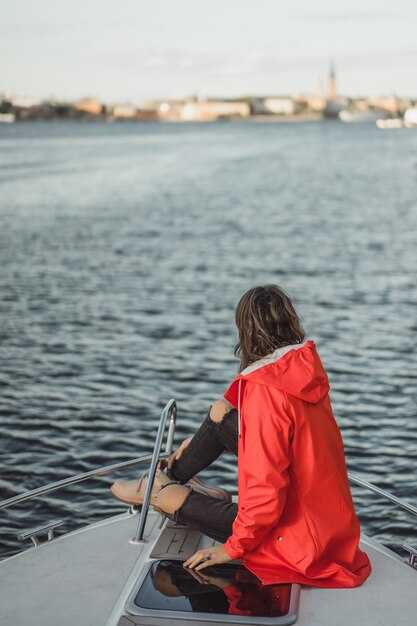
Check a reliable marine forecast daily and confirm with your chosen skipper before any long passage. Seychelles winds follow two regimes: May–October bring cooler, drier days and smooth sailing; November–April bring hotter, wetter spells with stronger sun and rays. For a catamaran, the May–October window offers safer, drier passages and breathtaking scenery. The difference between regimes helps you plan gear, routes, and provisioning. This difference also creates an opportunity to optimize leg distances and arrivals around the tourist calendar.
Weather checks should be precise and timely. Track wind direction and speed at dawn and late afternoon; during the SE monsoon expect 15–25 knots with occasional gusts to 30+ knots and offshore squalls. Monitor sea state, barometer trends, and cloud development; seas near sheltered bays are often 1–2 meters, rising outside. Check the UV index and wear reef-safe sunscreen; keep a cooler cabin by ventilating effectively. This practice significantly reduces risk and keeps the crew safer. Be prepared for the potential of sudden showers and take timely action when forecasts diverge.
Packing list: complete packing list designed for every season. Take this kit as your baseline. Clothing: breathable layers, UPF shirts, long-sleeve protectors, a windproof shell, and a warm layer for cooler nights. Footwear: reef shoes and non-slip sandals. Safety gear: USCG-approved life jackets for each person, harnesses, and jacklines on deck. Navigation and electronics: waterproof phone case, spare battery, power bank, and backup charts. Gear and maintenance: basic tool kit, ropes, fuses, duct tape, spare bulb, spare fuel filter. Cabin and water: reef-safe sunscreen, biodegradable soap, towels, and a bucket for rainwater or debris. Food and water: compact stove fuel, plenty of water containers, and a cooler with non-perishable supplies. Documents: passport, insurance, copies. Also, compare with notes from fijis, lucia, and greeces and adjust gear accordingly for Seychelles routes.