


 Polski
  English (UK)
  Русский
  العربية
  日本語
日本語  한국어
한국어  Magyar
  Türkçe
  Español
  Čeština
  Svenska
  Português
  Ελληνικά
  Suomi
Suomi  Nederlands
  Română
  Italiano
  Français
  Українська
  Deutsch
  简体中文
简体中文  Slovenčina
 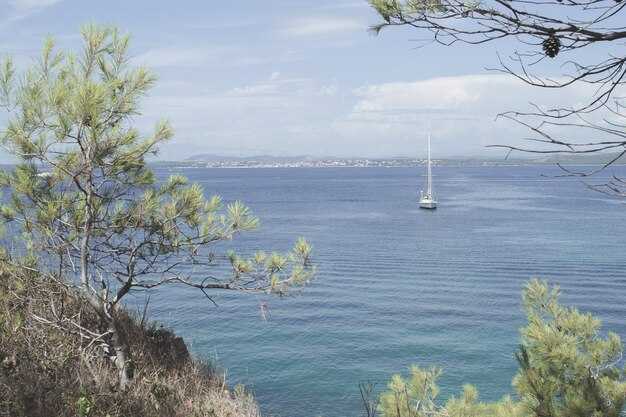 Best Places to Sail in Croatia – The Ultimate Island-Hopping Guide">

Plan a private 8-day island-hopping loop starting in Split and finishing in Dubrovnik, hitting places like Hvar, the Pakleni archipelago, Vis with the tucked-away cove of stiniva, and Korčula. Begin with a night in Split’s old harbor to soak in the granite walls, then cruise in the mornings when winds hover at 12–16 knots.
Statistics show the peak season is June–August, with typical summer winds of 12–18 knots along the Dalmatian coast. Reserve anchorages at popular harbors at least 6–8 weeks ahead, especially if you aim to stay near Hvar or Korčula town. For a balanced pace, mix days at sheltered coves with a hike along inland trails on Mljet or Vis.
Tips for a smooth cruise: anchor early to enjoy nightlife in Hvar, but keep a flexible plan to avoid crowds. On Korčula, stroll the history-filled lanes, then consider a winery visit. In Vis, plan a quiet soak by a sheltered beach after a hike to a cliff viewpoint, a zapierający dech w piersiach moment you’ll remember.
Cover the places with a mix of cultural stops and natural beauty: Mljet’s salt lakes, the dramatic cliffs of the Pakleni islands, and the secluded coves near stiniva. Marketing messages often highlight these highlights, but you’ll feel the focus wherever you anchor. everywhere you go, history and sea scenery merge into unforgettable experiences.
To start now, pick a route that balances popular places with hidden coves, and schedule sails around reliable winds. Use marketing resources to map top moorings and tips for weather windows. This approach keeps the itinerary dynamic, with moments of immersing in the Adriatic history and the sparkling nightlife atmosphere, while your crew carries memories that last long after the sails are stored.
Island-Hopping Routes and Practical Planning
Begin with a private, 5‑day Split–Hvar–Korčula loop on a chartered yacht; this world-class itinerary delivers crystalline waters, serene coves, and a romantic vibe ideal for honeymooners or family adventures.
Day 1 sails from Split to Hvar, stopping in Pakleni islets and bays that glow with natural light. Cover roughly 20–25 nautical miles, enough to arrive by late afternoon and drop anchor in a protected cove or in a legitimate marina, then dine onboard with a view that feels private even when crowds are nearby.
Day 2 continues to Korčula along well‑charted routes like the Korčula Channel or the sheltered passages toward Lumbarda. The leg runs 25–40 nautical miles, depending on the chosen harbors, and offers islets to explore and crystalline water to swim in. In the town of Korčula you’ll find world‑class seafood and quiet lanes perfect for a romantic stroll after sunset.
Day 3 ventures to Mljet, with stops at Saplunara’s sandy coves or the protected coves around Polače. This 20–28 nautical mile third leg provides pristine nature, abundant greenery, and serene water around Mljet National Park, where you can learn about local flora and sea life in an effortless way.
Day 4 can loop toward Vis or Brač, depending on wind and mood. Vis offers secluded anchorages or private moorings near towns, while Brač adds mountainous shorelines and islets that invite exploration. The route usually stays in the 35–40 nautical mile range and gives you multiple options for flexible day plans.
Day 5 threads back toward Split, with a final leg of 25–40 nautical miles. You’ll pass everywhere along croatias coast where cruising remains easy for first‑timers and seasoned skippers alike, and you can end with a sunset sail that feels like the perfect bow on a small, private adventure trip.
To tailor routes, rely on an experienced skipper and a crewed option when you want to learn hands‑on sailing techniques or simply enjoy more time on deck. Croatia’s coast supports third‑party itineraries and DIY charters alike, but a crewed or partially crewed plan often proves more efficient, especially for families, honeymoons, or groups that want a seamless rhythm between sailing and shore days.
Practical planning tips: book marinas and anchorages in advance during peak months, choose stable, protected coves for long stops, and keep flexible days to swap islets or islands like Brač, Hvar, Vis, Korčula, and Mljet if wind shifts. Opt for a legitimate, well‑maintained yacht with a licensed skipper if you’re new to bluewater sailing, or choose a private charter with a captain you trust for a smoother experience. Croatias coastlines offer many safe harbors and calm lagoons, making it easy to pace a trip for honeymooners or families, with options to switch to a more adventurous plan or to relax in serene, crystal‑clear coves.
Budget wise, expect daily rates for private yachts to range based on season and boat size, with charters including skipper in many packages; you can negotiate add‑ons like snorkeling gear, kayaks, or stand‑up paddleboards to enrich the adventure. If you want a truly romantic frame, add a sunset cruise one evening and a private beach picnic on a quiet islet to maximize the experience, a setup that works well almost everywhere on croatias routes.
Dubrovnik to Split: A 7-10 Day Island-Hopping Route
Begin with a daytime sail from Dubrovnik to Lopud, the first stop, to set a relaxed pace and soak in the splendor of the Elafiti islands. A sunsail boat makes this leg simple, with sheltered coves and plenty of anchorage options. There you can swim, snorkel near Sunj Beach, and savor fresh seafood as the sun dips toward the horizon.
Day 2 takes you across to Mljet, where Saplunara and the Mljet National Park offer calm water and protective coves. Across the lakes you’ll find plenty of shade and easy trails to discover the Great and Small Lakes; biking or paddling adds a quiet contrast to the sailing. A voluntary eco-practices approach helps protect reefs and wildlife; nature reveals itself in pine scent and clear water, creating peaceful mornings and vibrant evenings.
Day 3 sails you from Mljet to Korčula Town, where architecture and stone walls tell a storied past. The old town rewards a stroll along the seawall, with windows into traditional Dalmatian life and a harbor view that shines at dusk. Enjoy seafood and local wines, a perfect pairing after a stroll through narrow lanes and a sunset over the harbor.
Day 4 brings a crossing to Hvar, with anchor options around Milna or the Pakleni Islands. This is the best balance of activity and rest. Hvar blends a lively spotlight with peaceful coves and hidden beaches; you can hike or drive to hilltop viewpoints for a sweeping view across the channel. The cuisine features fresh octopus, sardines, and lavender desserts that capture the island’s flavor, ideal for a relaxed dinner aboard.
Day 5 heads to Brač, anchoring at Bol to stand on Zlatni Rat and watch the wind sculpt the coast. A short ride to Vidova Gora rewards you with a panoramic view of the coast and neighboring islands. After a swim, dine at a seafront taverna and sample local specialties; there’s plenty of time to explore the chalky trails and peaceful coves along the southern shore.
Day 6 offers an optional sidestep to Vis and Biševo for cave swims or, if you prefer, a direct push toward Split. If you choose Vis, Komiža and Stiniva Cove deliver dramatic cliffs and clear water; the Blue Cave detour remains optional but memorable. On the direct route, you’ll anchor near Split’s outskirts and prepare for the final flourish of this stretch.
Final stretch to Split lets you linger along the coastline and anchor near Marjan or the historic waterfront. In Split, architecture shines in Diocletian’s Palace, with marble floors and courtyards that invite daytime strolls. Discover Dalmatian cuisine at one of the harbor-side tavernas, and reflect on the holiday across seven to ten days as you plan a future voyage with friends, making memories together and enjoying the peaceful view of the Adriatic. There is much to discover on future voyages; the internet keeps you connected in the marina, while a respectful anchoring policy helps protect reefs for all.
Top Islands for Anchoring and Moorings: Hvar, Korčula, Brač, Vis
Begin with Hvar as your anchor hub: you’ll find reliable buoy moorings near the harbor and protected coves along the southern coast, making it easy for everyone to settle in and enjoy yachting from day one.
On Hvar, choose spots with a solid bottom and good shelter from winds, and use buoy moorings in busy stretches to keep traffic orderly. This atmosphere suits crews chartering for the first time, while island shops and family-run taverns along the citys waterfront offer quick provisioning. Technologies such as chart apps help you track buoy locations, reviews, and weather, and the maritime records at the harbor office keep your passage above board. This setup also ensures you’re ready to switch to a quieter nook if a strong gust arrives, while the sound of waves and Mediterranean scent enhances the overall adventure. Be mindful of protected beaches and restricted zones, and respect policy and local requirements for overnight stays.
Korčula presents calm anchorages along its north coast and a reliable mooring network in Korčula town. If you prefer a quieter scene, anchor in sheltered coves that extend your stay without crowding the line. For yachting crews, this option delivers a strong history of seafaring and a practical layout for short hops to nearby islands. ACI or local marinas provide above-water amenities, while shops and cafés line the waterfront for easy refueling. Track your route with maritime technologies, and keep a close eye on the records posted by port authorities. This balance of accessibility and tradition makes Korčula feel authentic while still welcoming to guests who want a comfortable base for exploration–everyone can find a suitable spot here.
Brač blends dramatic coastlines with reliable moorings around Bol and quieter harbors such as Pučišća. In Bol, the Zlatni Rat area draws day visitors, but there are protected anchorages just a short sail away if you prefer solitude. Pučišća and Milna offer calmer options with sandy or gravel bottoms that suit steady anchors, while the beaches along the south coast invite a swim after a coastal track. Chartering here gives you ready access to shops and provisioning points, and the maritime policy in busy bays remains straightforward when you respect buoy fields and local regulations. Technologies help you plan your day, and the history of Brač’s shipyards and coastal communities adds depth to your stay for those who want a richer context for their adventure.
Vis stands out for clear water, protective bays, and well-marked mooring areas near Vis town and Komiža. Stončica Bay provides a dependable shelter when wind shifts, and the main harbor offers reliable moorings for longer visits. Komiža’s wind-swept lanes and its small museums add flavor for your downtime, while the beaches and sea caves nearby become a natural extension of your sailing track. If you’re curious to compare routes, šolta offers a different maritime atmosphere that can enrich your overall plan. In Vis, you’ll find ready-to-use services, friendly harbor masters, and a strong party of other yachts ready to swap tips after a day on the water. The sound of waves, the taste of fresh seafood, and the sense of maritime history align to extend your adventure into a memorable chapter of your voyage.
Seasonal Winds, Weather Patterns, and Optimal Charter Windows
Plan your charter for late May–early June or mid‑September–early October to maximize reliable Maestral winds and calm seas. These windows offer steady afternoon breezes around 12–22 knots, light chop in sheltered bays, and comfortable anchorages near beaches, making the experience ideal for lovers of sailing and those seeking natural atmosphere along the coast.
Maestral dominates the Adriatic in warm months, delivering a predictable daily cycle: winds pick up in the afternoon from the northwest and ease by night. Typical conditions hover in the 12–22 knot range with seas generally under 1.5 m near the chain of islands. For routes, choose sheltered tracks that stay close to the coast, letting you hop between small places and beaches without long open-water crossings. In contrast, Bora and other strong northeast pushes appear mainly in late autumn and winter, bringing gusts that can exceed 30–50 knots in exposed passes; these bursts shorten passages and favor routes that stay inside protected channels. Sirocco, a warm southeast wind, shows up in late spring and early autumn with speeds around 15–25 knots and occasional higher gusts; it can raise the sea state in open stretches, so plan for shorter hops when it materializes and seek natural protection behind islets and coves. These patterns matter because they shape daily decisions about where to anchor, which routes to take, and when to hike ashore for a quick break near a sandy cove or a rocky cliff with sweeping views.
Stiniva, słynna osłonięta zatoka na Vis, ilustruje, jak ważny jest wybór miejsca: kiedy wiatr mieści się w zakresie Maestral, staje się idealnym miejscem do zakotwiczenia z naturalnym amfiteatrem klifów i cichą plażą, zaledwie krótki spacer od łodzi. Jeśli wiatr zmieni się na północny lub wzmocni, obszar ten umożliwia bezpieczne wycofanie się do głębszych zatok lub pobliskich zatoczek, aby uciec przed silniejszymi podmuchami. Te miejsca kotwiczenia są częścią szerszego zestawu naturalnych opcji wzdłuż wybrzeża, których nabywcy i skipperzy używają, aby zrównoważyć potrzeby kontaktu ze środowiskiem morskim i ochrony przed falowaniem. Dla tych, którzy planują szlaki lub krótkie wędrówki, okoliczne wzgórza oferują przyjemną opcję spacerów ze stosunkowo łagodnym podejściem i satysfakcjonującymi widokami na miasta i linie brzegowe poniżej.
Aby zmaksymalizować komfort i bezpieczeństwo, zbuduj swój plan wokół trzech praktycznych idei: po pierwsze, wybierz bazę z dobrym schronieniem i łatwym dostępem do sklepu z zapasami; po drugie, wyznacz trzecią trasę na wypadek, gdyby zmiana kierunku wiatru wymusiła szybką zmianę; po trzecie, stwórz elastyczny harmonogram, który pozwoli ci dostosować tempo dnia, zamienić długi odcinek na serię krótkich skoków i cieszyć się chwilą wędrówki lub przystankiem na plaży, kiedy tylko zajdzie taka potrzeba. Te korekty pomogą ci utrzymać kontrolę nad łodzią, jednocześnie ciesząc się krajobrazami, śladami tras wzdłuż archipelagu i tętniącą życiem lokalną atmosferą. Jeśli podróżujesz z partnerem, tempo musi uwzględniać zarówno miłośników spokojnych zachodów słońca, jak i tych, którzy chcą spędzić ożywione popołudnie na żeglowaniu z dala od tłumów.
| Sezon/Okno | Wiatr dominujący | Typowa prędkość (węzły) | Najlepsze okno czarterowe | Sugerowane trasy/porty |
|---|---|---|---|---|
| Późny maj – wczesny czerwiec | Maestral (NW) prawie każdego dnia | 12–22 | Spokojne morze, umiarkowane tłumy. | Krótkie przeloty Hvar–Brač–Korčula; zaciszne zatoki w pobliżu Stiniwy i nadmorskie zatoczki |
| Wrzesień – Początek października | Maestral utrzymuje się; możliwy Scirocco | 10–20 | Ciepłe powietrze, stabilne wiatry | Trasa Vis – Lastovo; elastyczne jednodniowe wypady z szybkimi kotwiczeniami na małych plażach |
| Jesień–Zima (okazjonalnie) | Bora (NE) i porywy w odsłoniętych przełęczach | Do 40–50+ w porywach | Korzystaj z osłoniętych tras; unikaj długich odcinków. | Zatoczki wychodzące na zachód, zaciszne zatoczki w pobliżu miast, ostrożne trasy w pobliżu linii brzegowych |
Dane pogodowe pomogą Ci zaplanować dzień: skorzystaj z prognozy pogody od zewnętrznego dostawcy, aby śledzić zmiany wiatru, zaplanuj dzień w rytmie natury i miej plan awaryjny. Jeśli zmiana wiatru skieruje Cię na inną trasę, możesz przejść na krótszą, bardziej osłoniętą pętlę, która nadal oferuje te same możliwości pływania, krótkich spacerów i fotografowania. W celu praktycznego przygotowania, skontaktuj się z brokerem lub operatorem czarteru dzień przed wyjazdem, aby potwierdzić najnowszą prognozę wiatru i stan morza; mogą oni dostosować Twoje potrzeby i potwierdzić najlepszy port dla planowanego porannego spaceru lub wieczornego spaceru po plażach. Zawsze miej na pokładzie zapas wody i pamiętaj, że podczas ciepłej pogody szybka wędrówka do punktu widokowego może być idealnym odprężeniem przed zachodem słońca na łodzi.
Prowiant, Mariny i Budżet Pokładowy na Chorwackie Żeglowanie
Zaplanuj dwa punkty zaopatrzenia: Dubrownik przed wypłynięciem i Korčulę podczas rejsu między wyspami, a następnie uzupełnij zapasy w Splicie lub Zadarze, aby odnowić zapasy. Takie podejście zapewnia świeżość posiłków, ogranicza zakupy na ostatnią chwilę i pozwala żeglować ze spokojną kambuzą.
Znajdź świeże produkty na targach w pobliżu portu Gruž w Dubrowniku i w mieście Korčula; szukaj dojrzałych pomidorów, oliwek, lokalnego sera, chleba na zakwasie i sezonowych ryb. Kupuj hurtowo, gdzie to możliwe, i przechowuj w chłodziarkach, aby w pełni korzystać z długich, błękitnych dni. Z łatwością znajdziesz opcje pasujące do Twojego menu, a prosta lista pomoże Ci zachować porządek.
Mariny: wybierajcie doki z niezawodnym dostępem do wody i prądu oraz krótkim dystansem do historycznego centrum. W szczycie sezonu spodziewajcie się cen 140-230 EUR za noc dla jachtu o długości 12-14 m w głównych portach; poza sezonem 60-120 EUR. W Dubrowniku i Splicie wybierajcie ACI Mariny ze względu na przewidywalne ceny i dobre zaplecze. Korčula i pobliskie porty również oferują osłonięte miejsca do cumowania z zapierającymi dech w piersiach widokami i spokojniejszym podejściem, idealne po długim dniu spędzonym na błękitnym Adriatyku.
Budżet na pokładzie: utwórz wspólną pulę na zaopatrzenie i oddzielny fundusz na opłaty portowe. Dla 6-osobowej załogi na średniej wielkości jachcie, zaopatrzenie wynosi 180-380 EUR na tydzień; opłaty portowe 420-980 EUR na tydzień; paliwo 70-150 EUR na tydzień; media i dodatki 30-60 EUR na tydzień. Taki system pozwala zarządzać kosztami między wyspami i łączyć posiłki z niezapomnianymi wrażeniami na lądzie.
Informacje i planowanie: wyznacz trasę wzdłuż wybrzeża Dalmacji, zaznaczając charakterystyczne punkty, takie jak Pałac Dioklecjana w Splicie, stare miasto Korčula i mury obronne Dubrownika. Wykorzystaj oficjalne strony marin, targowiska i czasy przejść pieszych, aby oszacować odległości i harmonogramy. Statystyki od brokerów pokazują, że wiele załóg woli robić zapasy w Dubrowniku i Splicie ze względu na wydajność i łatwość.
Gotowość do wypłynięcia: przed odwiązaniem lin sprawdź nadawanie VHF i dane nawigacyjne; miej zapasową kartę i planuj okna pogodowe. Trzymajcie się razem i cieszcie się niesamowitą linią brzegową wokół błękitnego Adriatyku.
Przykładowy plan podróży na 7 dni: Codzienne przystanki, odległości i miejsca, które trzeba zobaczyć
Rozpocznij swój plan od Splitu do Braču (Bol), aby łagodnie rozpocząć podróż i podziwiać kultowe krajobrazy wybrzeża. Ta trasa oferuje wiele osłoniętych kotwicowisk, idealnych zarówno dla par, jak i na wakacje, z krystalicznie czystą wodą i wyborem uroczych zatoczek.
-
Dzień 1: Split → Brač (Bol)
- Distance: 18 NM
- Obowiązkowe punkty: Zlatni Rat, Stare Miasto Bol, wędrówka na Vidovą Gorę
- Wskazówki: zarzuć kotwicę w Kanale Bol lub w pobliżu zatoki Lovrečina; uzyskaj zgodę kapitana portu przed wejściem; wewnętrzne trasy zapewniają spokojniejsze wody; rozważ szybką sesję nurkowania z rurką, aby nacieszyć się widocznością pod wodą
-
Dzień 2: Brač → Hvar
- Distance: 22 NM
- Obowiązkowe punkty: Wyspy Pakleni (krótka przejażdżka pontonem), wieża zegarowa w Hvar Town, wędrówka na Forticę
- Porady: wynajmij jacht Sunsail do zacisznych zatoczek, korzystaj z licznych kawiarni na nabrzeżu; ruch osiąga szczyt wieczorem, więc zakotwicz z dala od nabrzeża, aby komunikacja przebiegała sprawnie
-
Dzień 3: Hvar → Korčula
- Distance: 40 NM
- Obowiązkowe punkty: mury Starego Miasta Korčuli, Katedra św. Marka, Dom Marco Polo
- W centrum uwagi: przespaceruj się kamiennymi uliczkami, skosztuj lokalnego białego wina i przeczytaj tablice informacyjne w porcie; wewnętrzne trasy wzdłuż wybrzeża ukazują urokliwe zatoczki
-
Dzień 4: Korčula → Mljet
- Distance: 25 NM
- Obowiązkowe punkty programu: Park Narodowy Mljet (Veliko Jezero i Malo Jezero), słone jeziora, nadbrzeżne ścieżki sosnowe
- Porady: zanurz się w naturze, ponurkuj krótko w pobliżu jezior, i zaplanuj spokojne popołudnie na pływanie; zalecana jest zgoda władz parku na korzystanie z niektórych pomostów.
-
Dzień 5: Mljet → Lopud
- Odległość: 23 NM
- Obowiązkowe punkty: plaża Sunj na wyspie Lopud, klasztor franciszkanów, ścieżki na klifach
- Tips: enjoy a quaint stroll through Lopud’s village streets; hike the coastline to a sheltered cove; plenty of quiet spots for a sunset swim
-
Day 6: Lopud → Ston (Pelješac)
- Distance: 28 NM
- Must-sees: Mali Ston oyster farms, Ston Walls, Saltworks at Mali Ston Bay
- Tips: sample fresh oysters, and plan a short water taxi to nearby coves; ensure consent for anchoring near the walls if needed
-
Day 7: Ston → Split
- Distance: 60 NM
- Must-sees: Diocletian’s Palace, Riva promenade, Marjan hill overlook
- Tips: use information booths for martime updates, keep a steady pace to avoid fatigue; this leg offers incredible scenery and a spot for a wonderful last-night vacation memory
This itinerary highlights inner routes and iconic stops, with marketing-style spotlight moments balanced by practical information and clear tips. It suits active couples and travelers seeking plenty of coast-time, unforgettable snorkeling, and a hike-filled pace that keeps vacations engaging because you’ll cover Brač, korčula, Mljet, Lopud, Ston, and back to Split with consistent sailing days. The plan leaves space for spontaneous dips, and it emphasizes consent, safety, and smooth communication with harbors and crews for a wonderful experience.