


 Polski
  English (UK)
  Русский
  العربية
  日本語
日本語  한국어
한국어  Magyar
  Türkçe
  Español
  Čeština
  Svenska
  Português
  Ελληνικά
  Suomi
Suomi  Nederlands
  Română
  Italiano
  Français
  Українська
  Deutsch
  简体中文
简体中文  Slovenčina
 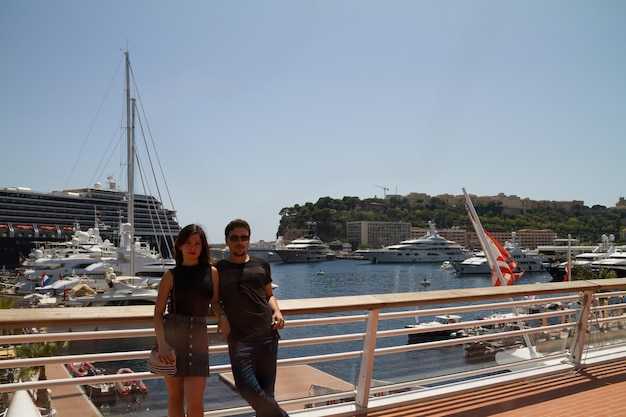 Best Places to Charter a Yacht Worldwide | Global Yacht Charter Guide">

Czarter ze Santorini jako pierwszy przystanek, aby zakotwiczyć globalny plan podróży jachtem. Ta konfiguracja zapewnia funkcjonalny dostęp do niezawodnego sprzętu, zweryfikowanych jachtów żaglowych i bezpośredni kontakt ze sprawdzonymi brokerami. waves okrążasz wulkaniczne wybrzeża i oswajasz się z lokalnymi szlakami i sezonowymi wiatrami.
Następnie porównaj brokerów i floty na całym świecie. Znani brokerzy oferują przejrzyste ceny, szczegółowe wykazy wyposażenia i kalendarze w czasie rzeczywistym. Skontaktuj się z operatorem odpowiednio wcześnie, aby potwierdzić, co jest wliczone – tratwy ratunkowe, kamizelki ratunkowe, sprzęt komunikacyjny i części zamienne – abyś mógł planować z pewnością. Thomas, doświadczony broker, zauważa, że bezpośrednie wyceny i jeden punkt kontaktowy redukują przepływ informacji i przyspieszają decyzje.
Dla urozmaicenia, stwórz dwu- lub czteropunktowy plan podróży, który obejmuje wizytę w stolicy, na przykład w Atenach, z bazą zaopatrzeniową, a następnie przeskakiwanie po wyspach na Morzu Egejskim lub Karaibach. Asinara oferuje nietypowe kotwicowiska i cichsze otoczenie do testowania nowego sprzętu i sprawdzania wydajności załogi.
Planuj z uwzględnieniem pór roku i waves Ponownie, wykorzystaj okna pogodowe, sprawdź lokalne przepisy i wybierz żaglówki, których załogi znają okolicę, aby zapewnić płynny przebieg rejsu. Uwzględnij pobliskie porty na wypadek sytuacji awaryjnych i uzupełniania zapasów oraz ustal elastyczny harmonogram, aby dostosować się do zmian pogody.
Uzbrój się w zwięzłą listę kontaktową, obejmującą brokerów, operatorów i biura czarterowe. Takie podejście pozwala przejść od ogólnego zarysu do konkretnego planu czarteru w ciągu dni, a nie tygodni, i zapewnia otwarte opcje na kolejny etap podróży.
Globalny Przewodnik Czarteru Jachtów
Rekomendacja: Wynajmij katamaran na 7-dniową pętlę po Karaibach, zaczynającą się w Tortoli, priorytetowo traktując chronione porty, takie jak Soper’s Hole, Road Town i Norman Island, aby zapewnić spokojne kotwicowiska i stabilną żeglugę. Takie podejście jest zalecane dla początkujących, oferując szerokie pokłady, płytkie zanurzenie i łatwe cumowanie w ruchliwych marinach.
Na tej trasie zaplanuj sesje nurkowania z rurką w pobliżu dziewiczych raf i obserwuj lokalną florę w zatoczkach i kanałach namorzynowych. Każdy dzień obejmuje planowany postój w innym porcie, aby uniknąć tłumów i zaspokoić potrzeby takie jak zaopatrzenie, paliwo i wycieczki na ląd. Latem spodziewaj się dobrej pogody, z długimi godzinami dziennymi, które pozwalają spędzić więcej czasu w portach i na plażach. Typowa pętla trwająca 5–7 dni jest odpowiednia dla większości rodzin i grup, równoważąc czas spędzony na wodzie z popołudniami na plaży.
Następnie, urozmaić swoje doświadczenia, odkrywając inne wyróżniające się regiony: Antiguę i Barbudę, Grenadyny, Baleary na Morzu Śródziemnym i wybrzeże Andamańskie Tajlandii. Statystyczne dane pokazują, że czartery na Karaibach i Morzu Śródziemnym pozostają najpopularniejsze, podczas gdy dziewicze destynacje w Belize, indonezyjskim Raja Ampat i na Malediwach przyciągają stałych subskrybentów poszukujących wyjątkowych raf i koralowców. Każdy obszar oferuje odmienne lokalizacje i ekosystemy rafowe, więc planuj coś nowego na każdy sezon i dostosowuj trasy do warunków sezonowych.
Następne kroki z brokerami: współpracuj z licencjonowanymi brokerami, którzy mogą przedstawić oferty dla wielu lokalizacji i zweryfikowane dokumenty dotyczące bezpieczeństwa. Podziel się potrzebami, takimi jak załogowy lub bezzałogowy, liczba gości, preferowany budżet i pożądane tempo żeglugi, aby szybko zawęzić opcje. Subskrybent cotygodniowych aktualizacji od redaktora uzyskuje dostęp do najbliższych dostępnych terminów i typów redakcyjnych, co przyspiesza proces rezerwacji. Prowadź prostą listę kontrolną dla portów, punktów tankowania i zaopatrzenia, i zachowaj elastyczność planu, aby dostosować się do okien pogodowych i dostępności portów.
Porady dotyczące optymalizacji czarteru: wybieraj katamarany ze względu na ich stabilność i szerokie pokłady, szczególnie dla rodzin lub grup o zróżnicowanym poziomie aktywności. Priorytetowo traktuj trasy oferujące dziewicze morza, rafy i przystępne kotwicowiska; to skraca długie przeloty i sprawia, że każdy dzień jest przyjemniejszy. Sprawdź zakres ubezpieczenia i lokalne przepisy oraz potwierdź opłaty portowe i koszty cumowania z wyprzedzeniem. Dzięki starannemu planowaniu, doświadczenie staje się udaną ucieczką, która spełnia zarówno potrzeby relaksu, jak i eksploracji, dostarczając niezapomnianych chwil w różnych lokalizacjach i portach.
Najlepsze miejsca na czarter jachtu na całym świecie Przewodnik po globalnym czarterze jachtów; – charter-frenchcanalsjpg
Rozpocznij na Whitsundays w Australii, aby skupić się na spokojnym początku podróży między turkusowymi zatokami, obfitą fauną i florą oraz naturalnymi krajobrazami. Popołudniowe wiatry ułatwiają przemieszczanie się między kotwicowiskami, a komfortowy jacht żaglowy daje kontrolę bez tłumów. Obszar oferuje dziesiątki marin i kotwicowisk, co sprawia, że zaopatrzenie jest proste i elastyczne. Załóż konto u zaufanego brokera, aby uzyskać rzetelną wycenę i dostosować trasy do tempa Twojej załogi.
-
Whitsundays, Australia – niekończące się krajobrazy raf koralowych, zatoczki porośnięte drzewami i łatwe przeskakiwanie między wyspami. Idealne dla początkujących czarterujących i rodzin, z chronionymi wodami i mieszanką dużych i mniejszych destynacji. Wiatry zwykle oscylują wokół 12–22 węzłów po południu, a żeglować można między Hamilton Island, Airlie Beach i cichszymi zatoczkami z minimalnymi długimi przelotami.
-
Węzły komunikacyjne na Karaibach – Brytyjskie Wyspy Dziewicze, Antigua i St. Barts oferują niezliczone kotwicowiska i różnorodne opcje żaglówek. Region ten lśni od listopada do kwietnia dzięki stałym pasatom o sile 12–20 węzłów i przejrzystej, ciepłej wodzie. Załogi doceniają popularne porty, takie jak Road Town i Jolly Harbour, za zaopatrzenie oraz cichsze zatoczki za rafami oddalonymi od brzegu, gdzie można obserwować dziką przyrodę.
-
Śródziemnomorze i Półwysep Iberyjski – Majorka, Ibiza, Sardynia, Korsyka i Wybrzeże Amalfi tworzą gęstą mapę destynacji z dużą flotą statków i rozbudowaną siecią marin. W nadmorskich miastach Hiszpanii znajdziesz proste podejścia do portów, osłonięte zatoki i szeroki wybór tras żeglarskich. Spodziewaj się lekkich do umiarkowanych wiatrów od maja do października, z bardziej śmiałymi warunkami w szczycie lata na Cykladach lub na przejściach korsykańskich.
-
Greckie Wyspy i trasy adriatyckie – Cyklady, Dodekanez i chorwackie miasta oferują różnorodne dzienne trasy i łatwe jednodniowe rejsy. W lipcu i sierpniu może pojawić się meltemi, przynosząc porywy o prędkości 15–25 węzłów; zaplanuj krótsze odcinki między wyspami i ciesz się lunchem na pokładzie po długim popołudniowym rejsie. Większość miejsc oferuje zarówno duże porty, jak i kameralne przystanie odpowiednie dla jachtów żaglowych i czarterów załogowych.
-
Południowy Pacyfik i Ocean Indyjski – Fidżi, Tahiti i Seszele oferują odosobnione piękno z bogatą fauną i florą oraz ogrodami koralowymi. Na Fidżi pasaty o prędkości 10–20 węzłów umożliwiają rejsy między odległymi wyspami i chronionymi lagunami; Tahiti i Wyspy Towarzystwa oferują ponadczasowe laguny i rozbudowaną sieć marin i kotwicowisk. Seszele prezentują dramatyczne granitowe wybrzeża i osłonięte podejścia, idealne na dłuższe trasy przez dziewicze krajobrazy naturalne.
-
Placówki w regionie Azji i Pacyfiku – Phuket, Langkawi i indonezyjski region Raja Ampat oferują szerszy wybór tras dla wytrawnych żeglarzy. Miejsca te nagradzają staranne planowanie przejrzystymi ogrodami koralowymi, wrakami i przejściami rafowymi – idealnymi zarówno dla nurków, jak i entuzjastów żeglarstwa.
Praktyczne wskazówki dotyczące optymalizacji wyboru i rezerwacji rejsu:
- Otwórz account u brokera, który może dostarczyć listę dopasowaną do potrzeb destinations, quotes oraz elastyczne warunki.
- Rozważ. both opcje z załogą i bez załogi, dopasowane do żeglarskiego doświadczenia Twojej grupy; rodziny i osoby początkujące często preferują załogę ze względu na bezpieczeństwo i tempo.
- Równoważ popularne trasy z ukrytymi zatokami: w Hiszpanie wybrzeży i greckiego archipelagu znajdziesz niezliczone options, from large portów do zacisznych zatoczek.
- Plan around afternoon wiatry sprzyjające produktywnym dniom i relaksującym wieczorom; to pomaga przy wyborze miejsca kotwiczenia i żegludze o zachodzie słońca.
- Jasne, oto tłumaczenie: technologies w celu uzyskania aktualnych informacji pogodowych, planowania tras i informacji o portach; PillsburyPlatformy oparte na systemach wspomagania często syntetyzują dane w celu zapewnienia płynniejszych planów podróży.
- Zapytaj o lokalną faunę i florę oraz wytyczne środowiskowe dotyczące ochrony natural siedlisk i zapewnić pełne szacunku doświadczenie z wildlife.
- Poproś o plany podróży, które kładą nacisk na destinations zróżnicowanymi kulturami, portami i miasteczkami handlowymi; dobrze opracowany plan pozwala uniknąć powtarzalnych dni i zapewnia, że podróże pozostają interesujące.
Charakterystyczne wybory według regionu, które inspirują praktyczne planowanie trasy:
- Whitsundays – start here for a light, scenic cycle of Sailing, snorkeling, and wildlife viewing; ideal for in-tound and reef-protected routes that feel intimate yet offer plenty of destinations.
- Brytyjskie Wyspy Dziewicze – sheltered bays, clear water, and straightforward navigation perfect for a relaxed itinerary with niezliczone island options.
- Mallorca to Corsica – a Mediterranean spine with varied coastlines, cliff views, and easy port access, accommodating both large yachts and nimble sailboats.
- Wyspy greckie – a classic mix of culture, sailing history, and dramatic coastlines; plan staggered hops to manage winds and crowds.
- Fiji and Tahiti – remote lagoons, warm seas, and vibrant marine life; extended itineraries work well if you allocate a few days for inlets and coral gardens.
Whether you chase wildlife, blue-water sails, or cultural towns, this guide helps you map destinations with real-world details. The right mix of marinas, anchorages, and daily routes ensures you enjoy the best of sailing, żeglarstwo culture, and memorable wildlife encounters on a single charter or across a short sequence of voyages. For a tailored plan, consult brokers who can pull together a balanced itinerary that fits your crew, budget, and preferred tempo.
Regional hotspots by season: Mediterranean, Caribbean, and Southeast Asia
For the next sailing season, start with the Mediterranean as your proper base: May and September bring steady winds, open moorings in key towns, and discount options that boost value. Enjoying the coast, savour athens moments and smooth hops along the shores.
In the Mediterranean, the sweet window runs May–June and September–October, with 12–20 knot tradewinds and clear navigations in bright bays. Moorings stay available in places like athens, Marseille, and Barcelona, and the inventory of yachts offers options from compact catamarans to sturdy monohulls.
Caribbean season spans December through April, when trades reach 15–25 knots and nights stay calm. Clusters of ports form around Antigua, St Barts, and Grenada; moorings fill early, yet discount options and flexible itineraries surface across the chain. Towns along the sailor route provide ready crews who know reefs, flora, and anchor spots. The inventory includes catamarans and reliable monohulls.
Southeast Asia offers a monsoon split: the drier pockets run from November to March across many spots. Phuket, Langkawi, and Bali anchor this region, with indian Ocean links for extended explorations. Expect lush flora on shore, welcoming towns, and moorings near coral reefs. The inventory of boats grows as season moves, navigations between islands stay straightforward, and pack options plus discounts appear for multi-week charters.
Know your needs and be ready to compare offers across regions. For contrast, hawaii shows a different rhythm, but the three regions deliver strong options, with navigations you can master and a steady base for enjoying multiple itineraries.
| Region | Best Season | Key Ports & Tips |
|---|---|---|
| Morze Śródziemne | May–Jun; Sep–Oct | athens, Marseille, Barcelona; moorings, inventory, discount options |
| Karaiby | Dec–Apr | Antigua, St Barts, Grenada; clusters of towns; ready options; flora spots |
| Azja Południowo-Wschodnia | Nov–Mar | Phuket, Langkawi, Bali; indian Ocean links; navigations |
Iconic itineraries and practical routing for popular routes
Begin with a 7–9 day Caribbean loop anchored in St. Thomas, USVI, then sail to Virgin Gorda before continuing to Antigua and St. Barts, returning to St. Thomas. This configuration delivers consistent trade winds, plenty of sheltered harbours, and world-class anchorages that showcase sandy beaches and luxurious coves for vacations that start in the afternoon and unfold at your pace. The crown jewel of these routes is the balance between scenic coastlines and active harbours that sailors love to share, with plenty of options for provisioning and easy access to shore activities.
Detailed routing for the Caribbean loop: Day 1–2 St. Thomas → Virgin Gorda (25–35 nm, about 4–6 hours at a steady 8–9 knots). Dock at Leverick Bay or Bitter End for check-in formalities and a sunset sail. Day 3 Anegada (30–40 nm) for a sandy atoll experience and reef snorkeling; Day 4 Jost Van Dyke for beach-bars and anchorages; Day 5 Norman Island for sheltered docking and cave snorkeling; Day 6–7 return to St. Thomas with a midday stop at Sandy Cay for an afternoon swim and photos. If seas run calm, shorten days to keep the crew fresh and maximize vacations time. Sailors appreciate the gorda area’s protected waters and the variety of anchorages that keep weather delays to a minimum.
From Virgin Gorda, push toward Antigua and its protected harbours at Jolly Harbour or English Harbour; legs of roughly 65–85 nm keep daytime sails under 8 hours. Anchor and dock options offer easy access to Nelson’s Dockyard stories, The Cove at Falmouth, and superb provisioning. On day 9–10, hop to St. Barts for a French-Caribbean vibe, then loop back to St. Thomas or continue to your next destination. This sequence balances navigation detail with relaxed pacing and ensures you are enjoying the voyage rather than rushing between harbours; January remains a favorable window for shorter hops if you want to maximize afternoons on deck.
European option: In the western Med, start in Mallorca’s Palma and stitch a loop through the spains coast by island-hopping to Ibiza and Menorca. Palma to Ibiza delivers iconic sunset anchors in Cala Comptessa and the marina at Ibiza Town, with easy check-in and access to lively harbours. Next, a day sail to Menorca brings Cala Galdana and Mahón’s natural harbour into reach for a sandy beach afternoon and protected docking. If time allows, extend to Formentera or press on to Valencia or Barcelona to finish with a world-class dining scene. The route is best from May through October when daytime sea breezes hold steady and bays remain calm for long-range docking and flexible itineraries; in January, keep hops short and maximize sheltered harbours on the coast.
Thomas Island adds a standout stop for those chasing stellar stories from sailors. Located near the Grenadines, Thomas Island offers turquoise water, coral gardens, and simple docks that welcome yachts for a half-day or overnight getaway. Afternoon snorkeling here is prime, with no rush to leave, and it pairs well with a sunset deck dinner. This option fits the Caribbean loop when weather windows permit and can be integrated into the Anegada–Jost Van Dyke leg for a luxurious break that enriches your area knowledge and vacation memories.
Practical routing tips to maximize comfort and efficiency: map days around check-in windows and provisioning, pick days with moderate afternoon winds for smoother sails, and reserve a protected berth in each harbour in advance during peak season. Use a plan that keeps plenty of room for spontaneous dives, shore visits, and docking options at world-class harbours. Start and finish each leg with a shoreline walk, a quick snorkel, or a beachside bite to enrich the vacations with local stories and memorable moments.
Regulatory basics: licensing, permits, and crew requirements
Start with flag-state licensing and the permits you need for the waters you plan to sail; this planning really keeps your route legal and your operational costs predictable, and it helps you arrange services and shore support with confidence. There is something else to track beyond licenses: local environmental fees and park access rules.
Licensing and crew: The captain must hold a recognized license suitable for commercial operations or an STCW certificate; crew members require valid safety and medical certificates, seafaring credentials, and any visa or work-permit requirements; ensure that all crew are ready before planning and choosing charters, as compliance starts with the crew. Assign them clear duties to prevent gaps during port calls. Keep the focus on safety and liability.
Documentation and equipment: Keep vessel papers, flag-state registration, class surveys, and proof of insurance; carry a current GMDSS radio license, radio permits, and clear seaworthiness certificates; regularly inspect safety gear like liferafts, life jackets, and fire-fighting equipment; if your odyssey includes canals, verify that licenses and permits cover canal transit; their upkeep is the technical baseline you must maintain for marina visits and canal transits.
Regional rules and Barbuda example: In the Caribbean, rules vary by jurisdiction; before selecting itineraries between marinas and anchorages, contact local authorities to confirm permit windows and park access where relevant; barbuda may have specific requirements; those who love the sea know that planning experiences in small villages and quiet anchorages can be really rewarding, thats a key point for your odyssey.
Practical steps and timeline: For sailors planning a charter, begin by verifying license validity, mapping permits for each stop, assembling a compliant crew, collecting documents, and coordinating with port agents and provisioning services; january trips can be busy, so secure permits early and confirm each requirement before you embark on the odyssey.
Cost breakdown: charter types, insurance, and budgets
Recommendation: Start with a seven-day Croatia island-hopping itinerary on a mid-range crewed yacht or a reliable bareboat to maximize value. This keeps daily rates reasonable while offering flexible routing and straightforward provisioning.
- Bareboat: you sail yourself; ideal for experienced skippers. Croatia rates: 300-600 EUR/day in May-June or September-October; 450-900 EUR/day in peak July-August. Weekly: about 2,100-6,300 EUR depending on size and season.
- Skippered charter: skipper included; adds 250-600 EUR/day over bareboat. Weekly: roughly 2,700-5,000 EUR for smaller yachts in Croatia.
- Crewed charter: captain plus at least one crew member; weekly 4,000-15,000 EUR for midsize yachts; larger or luxury vessels go higher. Great for island-hopping without provisioning chores.
- Luxury crewed: full service with chef and extra amenities; daily 1,000-2,500 EUR above base crew; weekly 15,000-60,000 EUR plus APA and taxes.
- Flotilla: multiple yachts traveling together; per-boat daily 600-1,800 EUR for midsize vessels; social events and guided routes included.
Insurance and protection: protect the yacht and the trip. Short-term charter policies cover hull, machinery, and third-party liability; add cancellation protection and medical evacuation as needed. Typical add-ons:
- Short-term insurance: 150-600 EUR per week, based on yacht value and coverage level.
- Cancellation insurance: 0.5-2% of base charter price.
- APA (Advance Provisioning Allowance): commonly 15-30% of base price; used for provisioning, fuel, port fees, and taxes; confirms what is included in the base rate.
Budget planning: three practical scenarios for a seven-day Croatian itinerary:
- Value class, bareboat or skipper-assisted: base 2,100-4,500 EUR; provisioning 300-600; fuel 100-400; port dues 100-300; insurance 150-300; total 2,750-5,100 EUR.
- Mid-range crewed: base 5,500-12,000 EUR; provisioning 400-900; fuel 200-500; port dues 200-500; APA 1,000-3,000 EUR; insurance 200-500; total 7,000-16,000 EUR.
- Luxury or exclusive yacht: base 15,000-60,000 EUR; provisioning 600-1,500; fuel 500-1,200; port dues 400-1,000; APA 3,000-9,000; insurance 1,000-2,000; total 20,000-70,000 EUR or more.
Practical tips: first, define the route; second, confirm VAT, crew meals, and port fees inclusion; third, compare quotes via brokers; fourth, build a buffer for last-minute changes. If island-hopping along the south Adriatic, Croatia offers sheltered bays, forests along shorelines, and calm seas in many harbors, making logistics simpler for a first-time charter. Review next-season rates, and ask brokers about seasonal discounts; this can save a significant spend. Careful planning helps you and your crew create a memorable voyage without overspending.
Choosing a charter model: broker vs direct owner vs operator
Start with a broker to quickly compare options worldwide and lock in a fair discount on a wide range of yachts. Brokers cover the mediterranean, seychelles, and even lake charters, offering vessels from compact cruisers to larger yachts and helping you understand size, anchorages, and the best look at maintenance histories. They can arrange advance deposits and flexible payment terms, smoothing the planning for adventures seeking warm weather and memorable swims.
Brokers aggregate listings on websites and provide side-by-side comparisons, verified maintenance histories, and safety checks, so you can see the real condition and included services. They handle advance booking and coordinate contact with owners, operators, and crews, letting you map out the area you want to explore and the anchorages you prefer with a single contact.
Direct-owner charters can offer more flexible pricing and tailoring, with potential discounts for repeat bookings or longer stays. You’ll often negotiate inclusions and timeframes directly, but you must verify maintenance records, recent surveys, and insurance coverage to avoid surprises during the voyage. If you seek a highly customized schedule, a direct owner can be a strong fit, especially when you know the exact boat and crew you want to work with.
Operators provide turnkey experiences: crewed yachts, curated itineraries, provisioning, permits, and weather routing. With larger vessels and scheduled routes, they excel for groups seeking consistent pacing, reliable logistics, and on-board support, including maintenance oversight and 24/7 assistance. This model shines when you want a seamless adventure with set milestones, comfortable pace, and predictable timelines.
Look at the area and season to choose the model that fits your needs. In the mediterranean, peak months bring high demand and tighter anchorages, so a broker or operator can secure preferred slots and ensure timely maintenance checks. In the seychelles, longer passages and remote anchorages benefit from a trusted operator’s logistics. On a lake charter, options are more limited but the right broker can assemble a compact fleet with clear schedules and plenty of shore excursions. Consider how much control you want over schedule versus how much you value safety nets, insurance, and support during weather changes.
To decide, compare quotes and inclusions, ask for current maintenance logs, verify insurance terms, and request references. Look for clarity on what is included in the rate, such as crew, provisioning, and fuel, and ask how disputes are resolved. They should provide transparent terms, a clear contact point, and a realistic plan for anchorages, swim stops, and on-water adventures.
Seek a balanced approach: start with broker quotes to assess options and pricing, then speak with direct owners for customization and price terms, and finally consider an operator for end-to-end service on larger trips. They all serve a global market and can help you craft a memorable charter, whether you’re chasing larger yachts, quiet coves in remote areas, or easy access to plenty of water activities and adventures, all while keeping the process smooth and well coordinated.