


 Polski
  English (UK)
  Русский
  العربية
  日本語
日本語  한국어
한국어  Magyar
  Türkçe
  Español
  Čeština
  Svenska
  Português
  Ελληνικά
  Suomi
Suomi  Nederlands
  Română
  Italiano
  Français
  Українська
  Deutsch
  简体中文
简体中文  Slovenčina
 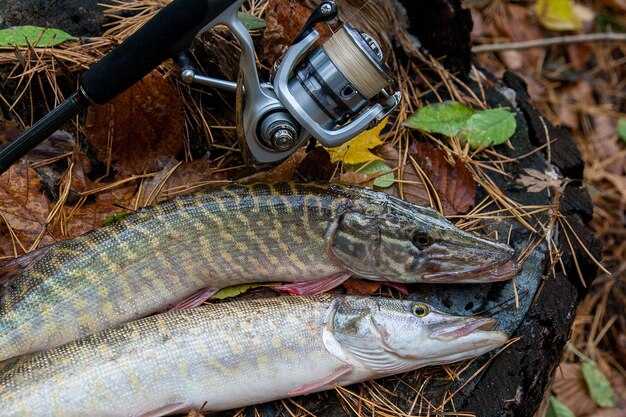 7 Essential Bass Fishing Tips – How to Catch a Bass Like a Pro">

Begin with a fast-moving lure in shallows during warm temperature to locate active fish quickly. Retrieve at a steady pace, about 1–2 feet per second, and feel the bite easily to confirm contact.
In sunny conditions, focus on edges and structure where fish gather; the easiest approach is to cover water along ledges with a single color and switch only when you see activity across the country. upon first light, re-map key ambush points, especially as water warms.
During spawning, target beds that hold fish with colored plastics or live bait near cover; run a slow, deliberate presentation to coax bites. terry, a local guide, notes that these fish hug structure and respond to precise pauses upon approaching beds.
Equipment setup matters: choose a sturdy tackle kit and a fluorocarbon leader 12–18 inches long to resist teeth; colored rattles or crankbaits help you see bites in murky water. Use a leader to prevent line visibility; tie strong knots; keep the line taut to feel the strike, especially when retrieving near structure.
Search across rivers and reservoirs by following current seams and drop-offs, especially near shallows; if a presentation seems weak, avoid wimpy finishes and switch to a larger or louder profile that triggers a reaction bite. Injured fish steer toward heavy cover, so work around fallen trees and exposed roots where they seek shelter.
Weather and water clarity govern action; colored lures help in stained water, while natural hues win in clear water. The general rule says: in channels and rivers with a warming trend, move shallower; in cold snaps, push deeper while maintaining feel on the line to detect subtle takes.
In general, stay adaptable: switch between cranks, swimbaits, and soft plastics; test live bait options upon shifting conditions; track the environment, temperature fluctuations, and water movement across the country. Finish with a data-backed plan and you will feel the line tighten.
7 Key Bass Fishing Tips: How to Catch a Bass Like a Pro; Lunker bass – Sean Rush, Owner-Operator of Trophy Bass Expeditions of Central Florida, FloridaTrophyBass.com
Stay low and move deliberately to stay within the strike window in shallows where water heats first. Target transitions between weed edges and open water at depths of 3–6 feet; observation of wind, sun, and temperature matters. Take notes in forums and on trips: many anglers report early bites along environmental edges, and when activity remains lethargic, pivot to deeper cover.
Use crankbaits with bold colors that mimic wounded forage; keep the retrieve steady with intermittent pauses to trigger an ambush from submerged cover; stay in contact with the bottom to feel the grab as you reach beneath structure; else try a different color if the pattern stalls.
Key spots include docks, fallen timber, weedlines, and sunken structures along deep edges; follow nearby cover to potential ambush zones where predators wait for an easy meal; adjust retrieve speeds to keep the lure active in the strike zone; if activity fades, try a slower presentation near the bottom.
Environmental factors drive behavior: heat pushes fish deeper and into shade; in hotter windows, extend pauses and increase lure depth with a weighted setup to stay in the zone; use a finder or sonar to confirm depths and weed density while you maintain observation from the boat.
Trip planning and learning: consult forums, go with a local guide from a reputable company, such as Fitzgerald’s team, and study a few proven series of maps; going through many insights from others helps you learn what works on nearby waters; taking notes on success patterns empowers you to find better places and plan more effective mornings.
Technological edge: modern finders deliver depth and environmental data that inform moves; effectively compare device readings with what you observe on the water and adjust accordingly; maintaining a slower cadence often yields more grabs near submerged cover.
Colors and presentation: maintain a range of lure colors ready and be prepared to switch with light and clarity; heres a practical note: whatever pattern produces a bite in engaging shallows deserves further trials; informed decision-making, ongoing offering of new ideas, and deliberate effort will keep you ahead on trips.
7 Practical Bass Fishing Tips for Catching Lunkers Like a Pro
-
Begin with deeper ambush points along weedlines and drop-offs; placement along the edge of cover; cast toward the edge and let the lure sink to 8–15 ft; reel with a steady 2–4 second pause to trigger a bite; lead the lure along the contour of the structure to mimic a fleeing bait; if you hesitate, the window closes; reposition 10–20 ft and repeat. Further, this approach connects you to high-probability zones where larger specimens roam across americas.
-
Use subtle finesse near weed edges; tie on a small jig or finesse worm with line 8–12 lb; keep the cadence tight: 1–2 second pauses, slight twitches; maintain a slow, precise rhythm; seeing subtle changes in the water column helps; in clear water use gray-green tones; increase bite probability by keeping the lure close to the bottom (2–5 ft above) around weed edges; this tactic works best for beginners and provides consistent pull.
-
Topwater performance during crepuscular hours can spark fast-moving surface bites; cast to edge pockets along lily pads or grass lines; work a walking bait with short, aggressive snaps, then a long pause; watch for surface disturbance; if you see signs of activity, adjust speed and direction quickly; this approach goes with the day’s light and wind conditions as goes.
-
Underwater mapping approach: use sonar to identify structure edges and deeper holes; connect this data to likely ambush lanes; place bait at transitions from 6–12 ft to deeper water and run it along the edge to the next structure; this placement approach helps beginners learn faster and reduces aimless casting; ensuring you confirm every target on your screen before committing.
-
Color and line: gray tones and natural patterns perform best in mixed water; in stained water, use brighter accents but stay in the same family; use 12–15 lb braid with a 6–8 ft fluorocarbon leader for reliable hook sets; maintain a steady slow-to-moderate cadence to increase the chances of a take; try to keep the lure in the strike zone longer by shortening your pauses.
-
Mobility and pattern rotation: if a site yields no action for 10–15 minutes, move to adjacent cover or explore a new contour; lead the lure into probable channels and feed lanes; cover multiple ambush lines to find the best; some days require quick adjustments as wind or cloud cover shifts the fish’s mood; fishermen across americas tune tactics accordingly.
-
Record and refine: master the craft by maintaining a concise article-length log of conditions, placements, lures, and bites; across americas, strategies vary with fronts and light; seeing how patterns shift helps you plan ahead, and enhancing your understanding makes you more competitive in this sport; further, ensuring your gear and knots are reliable, so you are prepared to capitalize on each bite and keep seeing progress while respecting nature.
Gear Setup: Rod, Reel, Line, and Drag That Help You Hook More Bass
Opt for a fast-action rod in the 7 ft 0 in to 7 ft 4 in range and a reel with a gear ratio of about 6.2:1 to 7.5:1 for quick hook-speed and efficient resets. Spool braided line 20–30 lb as the main line, then tie a 12–20 lb fluorocarbon leader to resist rocks and snag-prone contours. This combo shines around grasses, banks, shore, and offshore locations where lunkers patrol.
Line and drag: Use braided mainline 20–30 lb for sensitivity; attach a fluorocarbon leader 12–20 lb for abrasion resistance. Set drag to 6–12 lb depending on cover and line; dense grasses or banks lean toward the higher end, open water with lighter leaders toward the lower end. Observation guides adjustments; watch the bite and line slack, then tweak pressure to keep contact and speed along contours.
Rod choices and lures: For hunting through heavy cover, a heavy-action rod in the 7 ft 2 in to 7 ft 6 in range gives leverage to drive the hook. For shore-to-offshore targets, a fast-tip variant remains versatile when paired with a crawdad imitator–jigs, creature baits, or swimbaits. For individual fish and this kind of day, vary speed and pauses to trigger strikes; the crawdad look works around grasses and near land edges, which makes the session productive for almost everyone.
Field notes and practice: Keep a field column to record conditions, locations, and outcomes. This guidance benefits others followed by enthusiasts and updates circulating from your local shop; compare what works on banks, shorelines, and offshore zones. Bring extra leaders and a spare heavy-action rod; this kind of readiness makes you prepared for both long days and short trips.
Release procedure: when a keeper hits, maintain steady pressure and reel to keep the line taut; once the fish is ready, release gently to protect the population. This routine helps everyone increase landings across different locations, and ensures more lunkers are available for future hunts.
Match Baits to Water Clarity, Temperature, and Seasonal Conditions
Start with a medium-profile swimbait or finesse minnow rig in clear water (visibility above six feet) and surface temperatures around 60–68°F; in stained water, switch to a dark jig or rattling spinnerbait to trigger ambush opportunities and increase shots near cover and grasses. This approach will teach you read structure quickly and get you started on the path to mastering the craft, building strength with each session. To protect your gear, choose weed-guarded heads and use steady pulls to minimize snags.
Seasonal cues drive location choices and retrieve speeds. In spring and early summertime, target warm coves and shallow cover near sunlit flats, including transitions from soft to hard bottoms. In floridas states, grasses along the shoreline create dense ambush zones; keep baits tight to the edge and proceed methodically. Summertime patterns shift to deeper edges during bright hours; expect bites on structural breaks at 12–20 ft. Patience wins these windows, so stay with the same plan for multiple shots rather than chasing every quick bite.
Water clarity dictates bait profiles and speeds. Reading water changes, note color transitions and depth where edges drop off or weedlines begin. In above-clear water (visibility six feet or more), prefer light colors and subtle actions: drop-shot, wacky rig, or live-bait setups with slow, precise reads of the water column. In moderately stained water (three to six feet), use mid-profile plastics and cranks with moderate speeds to keep the bait in the strike zone longer. In heavily stained or muddy water (less than three feet), go thick: larger jigs, loud chatterbaits, and bright colors to guarantee visibility, and work them along weedlines and sharp drop-offs. Always protect your line by choosing leaders and heavy-duty hooks and watching line-twitch movements.
Electronics show exact depth and cover, giving insights into pattern durability. Facing wind shifts, adjust location and cadence; started with a conservative baseline and increase aggression as the bite shows. This certainly boosts mastering and keeps you closer to productive spots.
Prime Structure and Cover: Where Predators Hide and Ways to Target Them
Begin by targeting high-percentage ambush zones: weed lines that meet rock or timber, submerged ledges, and brush piles connecting to deeper channels. Use a lighter setup and soft-plastic crawfish to probe 6–12 ft as temperatures rise, then extend to 12–18 ft when the sun climbs.
Midday heat pushes the quarry to deeper edges; there, early morning and late afternoon remain exciting windows near cover, where current funnels bait. Note that percent of bites tends to occur near the first significant break after a transition from deeper water to shallower edges; focus there along structure lines.
Gear and baits: targeting requires a spinning setup and lighter lines to keep baits in contact with the bottom. Soft-plastic crawfish or minnow-patterns excel; choose natural colors in clear water and brighter hues in dirty water. Use a steady cadence with pauses to let the bait settle near cover; these tricks consistently earn bites.
Angles and approach: run lines along weed edges and timber with a precise, lock-drag approach to keep contact without snagging. In shallow zones, use short, tight hops; in deeper pockets, extend the cadence and vary the cadence to detect reluctance.
Note the value of data: log temperatures, water clarity, and bait choice to tune targeting. Forums and people contribute tricks and field reports; studying Fitzgerald’s notes and trophycatch stories helps calibrate your method. Cherish the process, nurture passion, and mastering the feel of soft-plastic rigs and lines to improve your overall results.
Retrieval Cadence: When to Speed Up, Slow Down, and Pause Your Lure
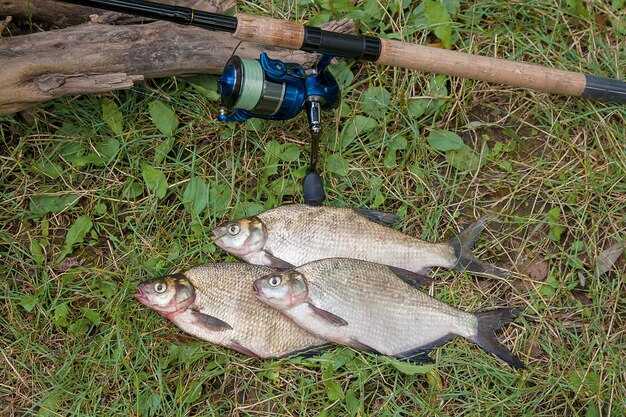
Start with a steady, medium-speed cadence: roughly one full cycle per second, with a brief 0.4–0.6 second pause after every 2–3 casts. This basic rhythm stays reliable everywhere and becomes a realistic baseline you can rely on as conditions vary. Use it as a foundation and consider your choices when conditions shift towards feeding windows.
Podczas podawania przynęty w płytkich strefach, zmieniaj tempo na szybsze przez 6–8 rzutów, a następnie wróć do podstawowego. To podejście często przynosi branie, które przechyla szanse na twoją korzyść i daje nadzieję na czystą holowanie.
W ciężkiej obudowie, skup się na sprzęcie do akcji i wyważonym rytmie: szybkie szarpnięcia trwające 2–3 sekundy, a następnie dłuższa przerwa (0.7–1.2 s) pozwalająca przynęcie opaść i wywołać drugie branie. Ta sekwencja uderzeń zwiększa chwyt i zwiększa szanse na solidne lądowanie.
W czystej wodzie lub podczas południowych sesji, szczególnie na jeziorach Florydy, skracaj przerwy i nieznacznie zwiększaj tempo, aby przynęta stale pracowała w strefie. Zwróć uwagę, jak reakcje zmieniają się wraz z widocznością; dostosuj zakres do warunków oświetleniowych i ciśnienia na wodzie, a jeśli wiatr opada na powierzchnię, dopasuj tempo.
Eksperymenty są ważne: różnicuj tempo pomiędzy linią bazową a gwałtownymi przebłyskami, śledź, co działa, i buduj katalog wyborów, które sprawdzą się wszędzie. To podejście w dużym stopniu upraszcza decyzje zarówno dla początkujących, jak i doświadczonych wędkarzy. Opanuj tę dynamiczną metodę, a wyniki staną się bardziej spójne; nawet dzieci mogą nauczyć się prostych ćwiczeń, które budują pewność siebie na wodzie. Dużo praktyki i badań wspierają to podejście, a szanse na sukces rosną wraz z konsekwentnym wysiłkiem.
| Condition | Cadence Pattern | Rationale | Uwagi |
|---|---|---|---|
| Clear water | Stały rytm z krótkimi przerwami (0,4–0,6 s) po 2–3 rzutach | Wysoka widoczność oznacza, że ugryzienia mogą być subtelne; ważne jest, aby pozostać w strefie. | Odlewaj wzdłuż krawędzi; testuj w pobliżu struktury; obserwuj linię pod kątem subtelnych ujęć |
| Zabarwiona woda | Szybsze pobieranie; krótsze przerwy (0,2–0,4 s) | Dźwięk i wibracje rozchodzą się dalej; szybko pokrywają wodę. | Celuj w chwasty i drewno; nieustannie się przesuń. |
| Ciężkie pokrycie/konstrukcja | Potężne pociągnięcia; 2–3 szybkie cykle; długa przerwa (0,7–1,2 s) | Wyzwolenia gryzą w pobliżu osłony; zmniejsza zaczepianie. | Użyj wabika o silnej akcji; czekaj na branie. |
| Woda otwarta/krawędzie | Umiarkowane tempo; dłuższa przerwa po 4–6 powtórzeniach (1,0–1,5 s) | Wykrywa subtelne uderzenia; utrzymuje przynętę w strefie uderzenia | Pracuj wzdłuż krawędzi chwastów i urwisk. |
| Wieczór lub florydzkie stawy | Wolniejsze tempo; dłuższe przerwy (1,5–2,0 s) po 3–5 powtórzeniach | Niskie oświetlenie sprzyja ruchowi i wskazówkom zacienionym. | Trzymaj się blisko doków, lilii wodnych i linii brzegowej. |