


 Polski
  English (UK)
  Русский
  العربية
  日本語
日本語  한국어
한국어  Magyar
  Türkçe
  Español
  Čeština
  Svenska
  Português
  Ελληνικά
  Suomi
Suomi  Nederlands
  Română
  Italiano
  Français
  Українська
  Deutsch
  简体中文
简体中文  Slovenčina
 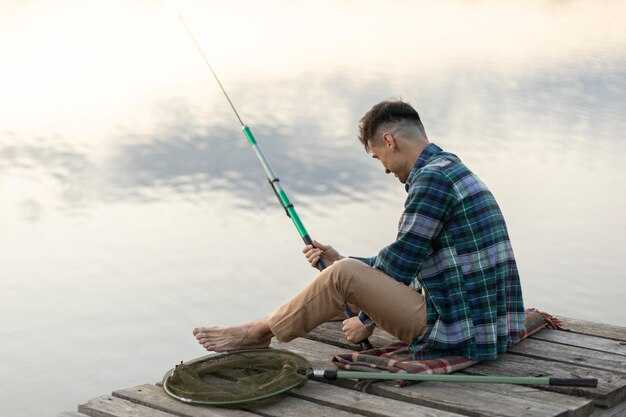 6 Pro Fishing Tips – How to Become a Better Fisherman">

There is one concrete recommendation to jump-start your progress: set up a dependable, compact rig and test it on the water. For an adult angler aiming to improve quickly, use a 6’6″–7’0″ medium-light rod, 8–12 lb test line, and a diameter 0.28–0.30 mm line. Pair with a size 6–8 hook and a small slip-float or light jig. This combo will provide consistent feel and fewer tangles, so you can practice timing and line control more effectively and allow quicker feedback.
Zastosuj a clean casting rhythm: stand with feet shoulder-width apart, keep your shoulder aligned to the target, and use a controlled wrist flick backed by hip rotation. This definitely builds strength and accuracy, and you can study images from local events to refine your form.
Read the water by watching weed edges, sunfish haunts, and the first drop-offs near the woods. Identify place where currents converge and baitfish swirl; these spots work well, especially early morning.
Keep a simple kit with extra jigs, hooks, and a spare bobber. If you spot sunfish showing quick movements, try a bright jig on a short line and a slow, irregular rhythm. This approach lets you test different lures quickly and learn what can happen under changing light.
Keep a compact log: date, location, wind, water clarity, lure tried, and result. Review images from your sessions to spot patterns, then apply what you learned next time. A few focused sessions raise your bites per hour and help you place consistent catches.
Advanced Angling Mastery: Practical Steps for Real Results
Start with a precise line diameter check and re-tie all critical knots to prevent failures; this gives you instant reliability on every cast and builds a sturdy platform for training, something you can count on.
Understand water structure by mapping current seams, depth changes, and forage zones where fish concentrate, especially in morning light. Note the colour of the water and bottom, then choose lures and leaders that match the forage and the pattern you expect. For brook and other species, adjust diameter and leader length to the target size; use a 0.12–0.18 mm leader in tight brooks and a 0.20–0.25 mm leader where clarity is higher. Cast unto the bank near weed edges to test how the current influences bait presentation.
Try special, uncommon rigs for shallow, calm runs; a dropper setup with a small bead and a light fluorocarbon leader keeps the presentation natural and reduces line glare, helping fish take easily. In beattie Brook, locals call the stretch beattie, a place to test subtle actions. The brook tests the method under changing light. Channel a superman mindset. Hold the rod with a steady, confident grip, and if a take occurs, lift smoothly and relax your grip. Maintain a deliberate cadence; this approach shines in green weed edges where hides are tight.
At events across various waters, compare results and log what works. Track bite windows as light shifts and adjust your cast angle to keep line quiet; short, controlled sweeps win in tight cover. Understand when to switch from broad presentations to subtle taps; this adaptation reduces the problem of missed takes and improves consistency.
Maintain gear care and place discipline into daily routine: clean reels, examine drag, and replace worn lines or beads. The habit gives training value and translates to real results, with the performance becoming smoother each week. After each session, store gear in a dry place and check knots once more; this simple step prevents surprises and keeps you on track for future catches. This approach has been tested by guides and pros, and it continues to yield reliable outcomes.
Choose the Right Rod and Reel for Your Target Species
Begin with a versatile setup: a 6 ft 6 in to 7 ft rod, medium-light power, fast action, paired with a 2500 reel. This answer gives you sensitivity for shy bites along brush and in brook pockets, plus enough backbone to handle adult fish in moderate current. Ask staff for guidance on line diameter and reel size for your local conditions, but start with 6–8 lb test in clear water or 10–14 lb in stained water. A small fluorocarbon leader (2–4 ft) helps you stay stealthy and keep everything presenting cleanly.
-
Trout, brook trout, and panfish: 6 ft 6 in to 7 ft, medium-light, fast action; reel 1000–2500; line 4–8 lb test; line diameter kept minimal for quiet presentations in shade. Fish near brush and along the bank to locate likely bites; you should be able to lodge the rod in a holder during pauses. This setup is nice for small jigs, live bait, and light lures on clear streams.
-
Bass and larger open-water fish: 7 ft to 7 ft 4 in, medium-heavy, fast action; reel 3000–4000; line 12–20 lb test; consider black braided line with a fluorocarbon leader. This tactic handles cover and be reached through weed edges and open water alike, where you need steady backbone. Use a larger spool to avoid line twist and keep pressure on the fish without overtaxing your shoulder.
-
Walleye and river species: 7 ft to 7 ft 6 in, medium, moderate action; reel 2500–3000; line 6–14 lb test; use a fluoro leader for subtle presentations in clear water. Its diameter is a compromise between sensitivity and abrasion resistance, and you can easily adjust to stealthy, accurate casts to structure and lanes where fish hide.
-
Large predators or heavy cover: 7 ft 6 in to 8 ft, medium-heavy, fast action; reel 5000+, line 20–30 lb test; consider a strong, dark braid for abrasion resistance. In thick brush or fallen timber, a longer rod helps you keep pressure on the fish while you lodge the line and keep the presentation tight. This setup is ideal when you expect big bites after a long beat along bank and rock, and it gives you control where the fish are likely to sit.
Read Water: Identify Structure, Currents, and Likely Hangouts
Start by reading water in three steps: identify structure, pinpoint currents, and mark likely hangouts. For beginners this quick read yields immediate targets and boosts confidence on the water. Note the opportunity to move to better angles; the easier you see early structure, the sooner you can target key spots with precision. Throughout the day, many guides taught this three-zone read as a simple, repeatable routine – and the beauty of it is how fast you can gain confidence and make smarter calls. Never underestimate the clarity a few minutes of water reading gives you.
Identify structure quickly. Scan the shoreline and water column for sunken cover (trees, limbs), rock piles, and abrupt depth changes. Use your eyes to trace weed edges and edge transitions. When you find a point or bend that turns toward deeper water, mark it as a target. Move your boat or adjust your approach so your cast travels along the edge, not across it–this puts the lure into the hold zones where fish sit. Elite anglers and bassmaster competitors stress structure first; regardless of lake or season, structure holds more bites than open water. Note the location of cover that breaks the current and creates an ambush zone. For coaches who teach clients, the structure read builds confidence and speed. The leader mindset follows this rule: structure first, every time. Three cues to watch: cover, ledge, and edge.
Read currents to locate seams. Look for fast water meeting slower pockets, places where a point creates a seam, and eddies behind rocks or brush. These seams concentrate bait and increase your chance to get a bite. Cast up current and drift your lure along the edge, pausing to let the bait sink into the target depth. Use a steady speed on the retrieve; speed up slightly in faster seams and slow down in slow sections. Three-second counts to depth work well for moderate water; in clear lakes you can see depth transitions with your depth finder, if you have one. What happens next often hinges on timing, so keep a mental clock and adjust accordingly. Reels should run smooth to maximize feel and efficiency.
Target likely hangouts and apply a targeted plan. Inside bends, outside bends, and points that drop into deeper water are your primary hangouts. Inside bends hold fish that feed under varying light conditions; outside bends hold cruising fish that ambush from the current edge; points offer a funnel and a quick drop to deeper holds. Regardless of lake clarity, weed lines and timber edges attract prey and bass alike. Use targeting to pick three spots on your map and run through them in order before moving to the next area. Note how many bites you get at each spot and whether your lure should run shallower or deeper to keep pace with depth change. Many followers and coaching clients see more success when they stay disciplined and targeting the obvious ambush zones.
Practical moves you can apply now. Keep reels silky; a smooth retrieve helps you feel subtle bites. Place three casts per structure to verify depth and reaction, then shift downstream to the next structure. Build confidence by repeating this pattern with different lures: a spinnerbait or swimbait on windy days, and a soft jerkbait on calm mornings. The founder of many local clubs and the sport’s leaders would tell you that consistency beats flashes; practice the same routine across three spots per lake, regardless of mood. This habit creates more opportunities, moves your average catch upward, and trains you to read water with elite-level discipline.
Set Up Your Tackle: Hooks, Lines, and Weights to Match Your Lure
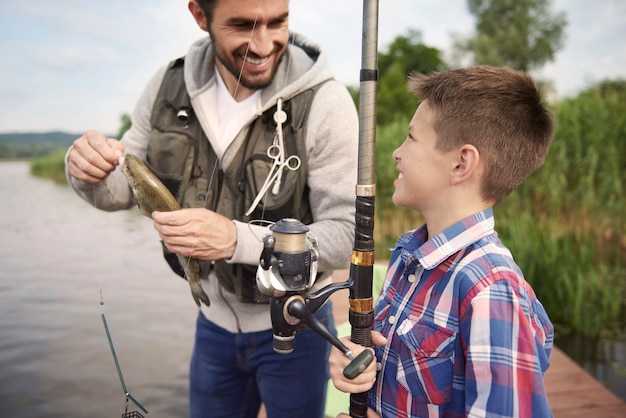
Always start with a braided main line in the 60–80 lb range and a 60–100 lb fluorocarbon leader; match hooks and weights to lure size for the conditions and the windows of opportunity you’re pursuing. For muskies, use bigger gear to handle heavy plugs and aggressive hits, and keep the setup balanced so you can learn quickly and stay confident on the water.
Hooks, not leaders, set the hook. For muskies choose heavy-wire trebles in the 8/0–12/0 range or dependable singles in the 9/0–11/0 range when the lure calls for a stout bite. For smaller lures aimed at smallmouths chasing in lakes, 2/0–4/0 trebles or offset singles keep action clean and reduce missed grabs. Pick rust-resistant finishes (black nickel or mega-strong stainless) and keep gaps matched to lure mouth size; making this fit is the simple step that boosts hookups every time you swing for the front edge of weedbeds or rocky shoals.
Line choice matters as much as the hook. Use braided main line in the 60–100 lb class for muskies, paired with a leader in the 60–120 lb range when you fish through timber or rough rock. If you target smallmouths in clear lakes, a 10–20 lb fluorocarbon leader pairs well with mid-weight plugs. Wire leaders are an option for razor-sharp teeth or heavy cover, but they reduce feel; test both in local waters to see what gives you the best balance. After tying, run a quick patrol of the knot to verify security.
Weights must match lure weight and technique. Start with jig heads around 1/4–3/8 oz for finesse presentations; switch to 1/2–2 oz for mid-size swimbaits; for big musky baits, 3–6 oz or more keeps your lure deep and lively in current or wind. In backcountry lakes with deeper structure, use the heavier end; in calm, shallow bays, lower the weight to improve the lure’s action and sound.
A simple rule: heavier gear for bigger, louder lures; lighter gear for smaller, more subtle baits. This approach makes it easier to control the drop and anticipate the hit, which improves your learning and confidence over multiple sessions, last season on the water highlighted how small changes added up. If you fish with a buddy like mike or a lady angler on a local lake, share notes after each outing; multiple small changes add up to a big gain over the season.
Keep a quick-change kit ready: extra hooks, spare leaders in multiple lengths, and weights in varied sizes. This setup minimizes gaps in your tackle, keeps you safe on the water, and helps you stay focused on improving every outing–whether you’re chasing muskies in backcountry lakes or smallmouths along Brook streams. Continuous adjustment makes you faster, more precise, and ready for whatever the day brings.
Dobieranie Przynęt i Przynęt do Temperatury Wody i Pory Roku
Użyj drabiny temperatur: zimna woda wymaga głębszych, wolniejszych zestawów; w miarę wzrostu temperatur wiosną, przejdź do średniej wielkości swimbaitów i wszechstronnych crankbaitów; upalne dni sprzyjają szybkości i zasadzkom przy linii roślinności. Takie podejście daje natychmiastową przewagę, dopasowując przynęty do prawdopodobnych okresów żerowania.
- Chłodna woda (poniżej 10°C / 50°F)
- przynęty i wabiki: jigy z doczepkami imitującymi raki, subtelne swimbaity (3–4 cale), zestawy drop-shot oraz głęboko nurkujące crankbaity, wszystko w kompaktowej formie
- zestawy: używaj przyponów z fluorocarbonu lub łącz braid z fluorocarbonem, żyłki o wytrzymałości 6–12 lb do finezyjnych technik i główek jigowych o wadze 1/8–3/8 oz; łów w pobliżu krzaków i głębszych siodełek za krawędziami roślinności
- gdzie łowić: głębsze płycizny, powoli zwężające się linie brzegowe i struktury w pobliżu uskoków; wczesnym rankiem lub późnym wieczorem wiosną są najbardziej produktywne.
- wzory: szukaj powolnego, dotykowego odczucia na dnie; ucz się stale rozpoznawać subtelne brania w chłodnej wodzie, ponieważ ryby są bardziej ospałe
- Okres przejściowy (10–16°C / 50–60°F)
- przynęty i wabiki: bezsterowe crankbaity, średniej wielkości swimbaity (4–5 cali), creature baity i spinnerbaity z kompaktowymi ostrzami
- przynęty: jigy 5–14 g z przyczepkami typu craw, żyłka 5,5–6,4 kg, uniwersalne do obławiania zarówno zarośli, jak i otwartej wody; dopasuj kolor do naturalnych odcieni zieleni i brązu
- Gdzie łowić: krawędzie roślinności, zarośla 50–150 cm pod powierzchnią i strefy przejściowe między płytkimi zatokami a głębszymi basenami
- wzory: obserwuj zmiany w aktywności ławicy i rosnącą przejrzystość wody; okresy czystszej wody często odpowiadają bardziej agresywnym braniom
- Ciepła woda (16–21°C / 60–70°F)
- przynęty i wabiki: większe swimbaity (12,5–18 cm) oraz wibrujące jigi, chatterbaity i średnio do szybko prowadzonych crankbaitów
- przynęty: używaj jigów 1/2–3/4 oz lub swim baitów na cięższych główkach; żyłka 12–20 lb dla dłuższych rzutów; łów wzdłuż linii roślinności i na cyplach ze stałym, umiarkowanym tempem
- gdzie łowić: krawędzie zielska, nasłonecznione płycizny i zatoczki wokół krzaków i trzcin; wiosenne ocieplenie w ontaryjskich jeziorach sprzyja żerowaniu po przejściu frontu
- Wzory: wczesne poranki i późne wieczory rozświetlają się wybuchami z powierzchni; południowe brania przesuwają się w okolice pokryw na średniej głębokości, gdy słońce nagrzewa wodę.
- Gorące dni (ponad 21°C / ponad 70°F)
- przynęty: szybko poruszające się swimbaity, squarebill/crankbaity i chatterbaity; przynęty powierzchniowe w pierwszej godzinie po wschodzie słońca
- Zestawy: używaj lżejszych główek jigowych dla szybkości i zwinności, żyłki o wytrzymałości 6–9 kg i miej pod ręką zapasowy, lżejszy zestaw do szybkich zmian; celuj w płytkie, oświetlone słońcem łachy i kieszenie z roślinnością
- Gdzie łowić: płytkie struktury w pobliżu zarośli, krawędzie zielonych linii roślinności i cyple przylegające do obszarów z prądem.
- Wzorce: szukaj ławic ryb w ostrym blasku; okna żerowania się skracają, więc bądź gotów do szybkiego przemieszczania się między miejscówkami.
Zmieniaj pozycję głowy i obserwuj zachowanie ryb w wodzie. Wiosną wędkarze w regionie Ontario często obserwują dwie wyraźne zmiany: wczesny sezon aktywności przy trzcinach i linii roślinności, a następnie w połowie sezonu przemieszczanie się ryb w głębsze, chłodniejsze miejsca. Miej przy sobie zestaw przynęt typu „client-style”, aby móc się szybko dostosować, i po każdym rzucie poświęć chwilę na analizę, aby wyostrzyć rozpoznawanie wzorców. Dobierając przynęty do temperatury i pory roku, zyskujesz przewagę i skupiasz się na łowieniu, zamiast gonić za domysłami.
Mistrzowskie Rzuty i Holowanie: Tempo, Pauzy i Zacięcia
Zasada: dostosuj tempo zwijania do głębokości i brań, których się spodziewasz. Dopasuj rytm do głębokości, utrzymuj napięte linki na szczytówce wędziska i skup się na braniu. Wykonuj czyste rzuty, po których następuje celowa 0,5-sekundowa pauza, a następnie 2-3-stopowe pociągnięcia kołowrotkiem; powtarzaj 6 do 8 razy na jedno przejście, aby ustalić tempo. Takie podejście sprawia, że pierwsze połączenie jest wyraźne i zmniejsza liczbę pominiętych brań.
Biorąc wskazówki z całorocznego łowienia, dostosuj prędkość do temperatury i przejrzystości wody. W świeże, chłodne poranki opuść przynętę głębiej i wydłuż przerwy; w jasne, ciepłe popołudnia skróć przerwy i zwijaj bardziej agresywnie. Obserwacja żyłki pomoże ci wykryć słabe brania, które mogą nie być oczywiste. Istnieje delikatna równowaga pomiędzy naciskiem na żyłkę a chęcią utrzymania przynęty w strefie uderzenia.
Z badań nad średnicą żyłki i akcją przynęt wynika, że najlepsi wędkarze dopasowują sprzęt do sytuacji. W czystej wodzie cieńsza żyłka poprawia czułość, a w gęstej roślinności grubsza jest bardziej odporna na zaczepy i pomaga przedrzeć się przez przeszkody. Im więcej czasu poświęcisz na ćwiczenia z różnymi kombinacjami, tym częściej będziesz miał brania.
Kołowrotki z zamkniętą szpulą oferują łagodną ścieżkę nauki, ale należy obserwować je pod kątem usterek i odpowiednio regulować. Jeśli zauważysz takie rzeczy jak luz podczas rzutu lub szorstkie zwijanie, lekko dokręć hamulec i przetestuj lżejszą przynętę. Następnie przejdź do kołowrotków spinningowych, aby uzyskać większą kontrolę, gdy pozwalają na to warunki, co poprawia ogólną dokładność.
Zacięcie wymaga przemyślanego, pewnego ruchu. Kiedy poczujesz branie, szarpnij wędką ramieniem i wbij haczyk w pysk; następnie utrzymuj stałe napięcie, aby sfinalizować branie. Dąż do szybkiej, czystej reakcji, gdy poczujesz branie, i unikaj szarpanych ruchów nadgarstkiem, które marnują energię i nie trafiają w punkt uderzenia.
Dzielone sesje treningowe pomagają budować niezbędne instynkty. Naprzemiennie prowadź ćwiczenia skupiające się na tempie i przerwach oraz sesje poświęcone precyzyjnym zacięciom. Wykazano, że regularne, krótkie sesje są skuteczniejsze niż sporadyczne, długie wysiłki; poprawa jest widoczna w każdym jeziorze i rzece, w której łowisz. Metoda ta zyskała już zaufanie zarówno przewodników, jak i wędkarzy.
| Szybkie odniesienie według stanu | |
| Condition | Wskazówka |
|---|---|
| Płytka, czysta woda | Krótkie pauzy, szybsze zwiększanie zwijania, żyłka o małej średnicy dla czucia |
| Głęboka woda lub gęste zarośla | Dłuższe pauzy, wolniejsze zwijanie, grubsza żyłka odporna na zaczepy. |
| Świeże, chłodne poranki | Zacznij zarzucać dalej, wydłuż czas zatrzymania w szczytowym momencie pauzy, a w razie potrzeby skłoń się ku cięższej przynęcie. |
| Trening przez cały rok | Utrzymuj stały rytm; rejestruj czasy i ujęcia, aby udoskonalać decyzje oparte na regułach. |
Szybkie, Humanitarne Wypuszczanie Chroni Ryby i Siedliska
Wypuszczaj szybko i humanitarnie: trzymaj rybę w wodzie podczas odhaczania, wypuść w ułamku sekundy, najlepiej w ciągu 30 sekund, i używaj haczyków bezzadziorowych; ten ułamek sekundy oszczędza czas i redukuje stres.
Mokre ręce, ostrożnie obejmij ciało, unikaj dotykania skrzeli lub oczu. Podeprzyj pod brzuchem, trzymaj rybę poziomo i delikatnie przenieś z powrotem w nurt rzeki, aby się ożywiła; dąż do ułamka sekundy przerwy przed wypuszczeniem, aby sprawdzić, czy ryba ponownie oddycha.
Zminimalizuj ekspozycję na powietrze, trzymając rybę nad dnem podczas manipulacji z łodzi na wodach Ontario i wypuszczaj rybę w pozycji pionowej, szczególnie jesienią, kiedy zmienia się aktywność i reakcja skrzelowa. Jeśli musisz podnieść rybę, trzymaj głowę powyżej ogona i unikaj skręcania; to przyspiesza regenerację i utrzymuje ciało w całości.
Wiedz, za czym gonisz i co potrafisz: w wodach Ontario, haczyki z oczkiem lub bezzadziorowe pojedyncze haczyki redukują urazy jelit i przyspieszają wypuszczanie. Rozpoznaj gatunki, na które polujesz – sandacze, bassy, ryby blaszkokształtne – i jak ich wzorce wpływają na sukces w namierzaniu, i jak siniaki reagują na szybkie obchodzenie się. Ostatnio taktyczne wskazówki Ellisa pomogły innym zachować jakość siedlisk w jeziorach i rzekach Ontario.
Opanowanie szybkiego wypuszczania zaczyna się od dobrego rytuału: przygotuj sprzęt, ćwicz odhaczanie i zwracaj uwagę na to, jak czuje się ryba. Krótka próba pozwala wyczuć odpowiedni moment, co przyspiesza proces i chroni środowisko. Kiedy wieje silny wiatr lub woda jest wzburzona, zachowanie spokojnego, rozważnego tempa wydaje się na początku trudne, ale gdy tylko się w nie wdrożysz, słyszysz plusk cichnący, gdy zwracasz rybę do wody i obserwujesz, jak dochodzi do siebie; ta chwila spokoju może utrzymać populacje w doskonałej kondycji.