


 Polski
  English (UK)
  Русский
  العربية
  日本語
日本語  한국어
한국어  Magyar
  Türkçe
  Español
  Čeština
  Svenska
  Português
  Ελληνικά
  Suomi
Suomi  Nederlands
  Română
  Italiano
  Français
  Українська
  Deutsch
  简体中文
简体中文  Slovenčina
  2009 Princess 54 Flybridge Adios IV – Full Review, Specs & Features">

Recommendation: Choose Adios IV for a luxurious, social-ready flybridge experience that blends comfort with proven performance. This flybridge layout provides a generous outdoor table and seating, plus easy access to a sunbathing area. In monaco and recognised yachting hubs, the Adios IV stands out for its clean lines, solid build, and a well-balanced profile that suits both private use and selective boatbookings opportunities.
Power comes from a reliable twin-diesel package that realises steady speeds, while keeping engine noise low in the saloon. Expect cruising speeds in the low 20s to mid-20s knots and a top end that delivers a confident performance for coastal passages. The hull design and propulsive efficiency help reduce fuel burn at steady speeds, making such voyages comfortable for life aboard. This capability travels across the world, from monaco to remote coves.
Inside, the 54-foot layout translates into a bright main deck with a spacious salon, a fully equipped galley, and a three-cabin arrangement that prioritises comfort and privacy. The design and materials work together to provide continuous comfort for guests thanks to meticulous soundproofing and HVAC zoning.
For owners and brokers, Adios IV offers an opportunity to compare with recognised sport cruisers and smaller superyachts. An impressive flybridge table can host al fresco meals for eight, while the aft deck works for intimate dinners or larger gatherings. Maintenance logs and service history inform a strong valuation, and current listings on boatbookings accompany transparent owner disclosures.
Whether your plans include monaco charters, Mediterranean hops, or longer passages, this model combines life-quality with top-tier safety features, thoughtful storage, and a credible resale profile. The Adios IV remains a state-of-the-art reference for those seeking a luxurious, well-proportioned yacht that performs smoothly in mixed seas and sunny coastal bays.
2009 Princess 54 Flybridge Adios IV – Accommodation Overview
Choose Adios IV for a guest-ready, spacious layout that prioritizes comfort and practical living on both decks. The master suite sits amidships with a private head, delivering a quiet retreat at anchor or under way. A forward VIP cabin and a twin-berth guest cabin provide flexible sleeping arrangements, and a second head serves guest needs where configured.
The lower deck uses thoughtful bulkheads to separate living spaces from machinery, keeping noise to a minimum between the decks. The master suite sits amidships with a private head, a forward VIP cabin, and a twin-berth guest cabin, plus a second head to serve both guest and crew needs where configured.
The main deck saloon flows between the helm and dining area, offering a spacious feel with panoramic windows and refined teak joinery. A comfortable settee and formal dinette create a welcoming social hub, while a compact navigation station keeps you connected to the route ahead. The sportbridge rises above for dynamic outdoor entertaining, delivering impressive visibility and easy access to the helm and side decks for seamless guest circulation.
The galley, located to port on the main deck, includes granite countertops, a three-burner stove, a microwave, and a full-size refrigerator with freezer drawers. Upper cabinets and ample counter space ensure efficient service for memorable meals aboard, with a nearby dinette that supports casual dining without interrupting lounge conversations.
Exterior decks prioritize flow and social space. The aft deck is expansive for al fresco dining and sunning, while side decks provide safe, direct access to the bow and sportbridge. Underwater lighting accentuates the hull at night, and the sportbridge offers a second elevated stage for entertaining while maintaining a clear line of sight to the water below.
Performance aligns with a coastal-yacht ethos: twin diesels deliver reliable acceleration and comfortable cruising, while the hull and propeller tune contribute to steady handling in mixed seas. The range supports weekend getaways along the riviera coast, and navigation tools enable confident marina-hopping. The buyer will appreciate the solid build, generous onboard spaces, and the potential for further customization prior to delivery. This includes upgrades to countertops, additional cooling zones, and enhanced insulation. For buyers seeking versatile coastal cruises, these yachts await your inspection.
Cabin Layout and Berth Allocation
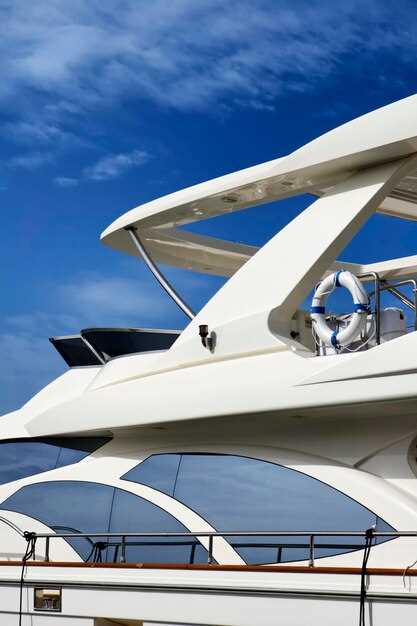
Configure the Adios IV with three guest cabins and a dedicated crew space to sleep six guests comfortably, while preserving privacy for couples and room for youngsters. The master stateroom sits aft, a well-appointed retreat after a long day on the hull, and the interior uses italian-inspired finishes, light wood, and soft-touch materials that feel premium from the moment you step inside.
-
Master Stateroom (aft)
Located on the main hull, the master offers a large double berth aligned to maximize room and circulation. The space is equipped with full hanging lockers, drawer storage, and a studio-style desk area for work or planning itineraries. An ensuite head with separate shower ensures morning routines stay private, while climate control and sound-dampening textiles keep the room quiet after navigation. This cabin is designed to be a true retreat that remains comfortable for up to two people.
-
Forward VIP Cabin
The forward cabin uses a generous double berth and dedicated storage. If you need to accommodate two couples, this cabin can share the day-head setup or offer a semi-en-suite option depending on the hull configuration. Large portholes bring in natural light, and the finish material palette mirrors the master for a cohesive feel across the interior.
-
Port Twin / Starboard Twin Cabin
Two single berths provide flexible options for family or friends. Berths can be joined to form a double when needed, and each berth has its own storage, reading lights, and ventilation. The configuration is configurable to balance crew and guest needs on longer passages, and a shared head with a separate shower keeps routine changes convenient for everyone.
-
Crew or Utility Cabin (if specified)
A compact crew area can be located in the aft portion of the hull or beneath the cockpit, accessed through a separate companionway. It accommodates two people and shares a head with the service area. This layout means you can keep guests on the main deck while the crew handles tender operations and navigation support.
Berth allocation tips to maximize comfort:
- For six people, keep the master and forward VIP as the primary sleeping spaces, with the twin cabin configured to a double when the crew is light or children are aboard.
- When fewer guests cruise, convert the twin into a lounge area with a daybed and use the studio desk for work without sacrificing sleeping space.
- Reserve the flybridge access to serve as a separate social zone, ensuring the lower deck remains private for rest and preparation.
From a design standpoint, the layout balances roominess with hull efficiency. The architect and interior team aimed to create a flow that reduces corridor clutter, improving navigation between the main deck and cabins. The materials and fittings are chosen to stand up to family use and salt air, while the flight of stairs and doorways maintains a clear path for people moving between zones on every passage.
For tender handling and auxiliary needs, dedicated storage on the stern and under the aft deck eases access to gear without intruding on cabin space. If you target versatility, the three-cabin plan offers a state-of-the-art balance of privacy and social space, with a configurable berthing approach that adapts to the trip profile you choose.
Bed Sizes, Access, and Turnaround Space
Opt for the midships master cabin with a queen bed (1.8 m x 2.0 m). This yields the best access on both sides and makes it easy to move down the passage in the night without waking your partner.
If youre planning long trips, this layout is reliable and worth reading about.
- Master Cabin – Queen bed 1.8 m x 2.0 m (6’0″ x 6’7″). Provide 0.6 m clearance on each side and 0.7 m at the foot for turning and bedside service.
- Guest Cabins – Two twins: 0.8 m x 1.9 m (31″ x 75″). Align fore-aft along the hull with 0.6 m passage between beds and 0.6 m to the door swing.
- Crew Cabin (if fitted) – Single berth options around 0.6 m x 1.9 m, with a 0.6 m access aisle.
- Turnaround Space – Keep a minimum of 1.2 m clear in front of bed ends and 0.9 m along sides for quick exits to the corridor or galley.
- Access Flow – The galley sits on the port side with a 0.75 m path to the dining area; maintain this corridor open to avoid bottlenecks when you move items or food forward from the galley.
- Cabin Details – Flooring uses durable, non-slip material; nautical styling and warm wood tones create a comfortable, home-like cabin, while a panoramic screen and side hatch brighten the room with natural light.
The plan is currently displayed in the brochure and awaits your review; for a sardinia crossing or a world cruise, this layout supports long voyages without compromising cabin comfort. The engines hum quietly, the sportsbridge offers easy access to the cockpit, and storage is ample across the galley and cabins, making your stay aboard straightforward and successful.
En-suite Heads: Size, Fixtures, and Shower Performance
Opt for the forward master en-suite as the daily-use head; it delivers the largest shower area, premium fixtures, and private access from the master cabin, supporting exceptional yachting comfort during leisure cruises along spain and balearics.
The master head footprint measures about 1.4 m long by 0.9 m wide, with a dedicated shower stall sized around 0.85 m by 0.9 m and a curved glass door for easy entry. A second, smaller head near the guest cabins follows a compact 1.0 m by 0.8 m footprint, with a shower zone of 0.6 m by 0.8 m.
Fixtures emphasize premium finishes: ceramic basin on a solid-surface countertop, a large medicine cabinet, dual mirrors, a heated towel rail, teak trim, and integrated LED vanity lights. The master head includes an audio panel for discreet background music, enhancing the private leisure atmosphere onboard.
Shower performance relies on a 2.5 bar pump, delivering a steady 8–10 L/min flow with thermostatic control to maintain 18–44 C quickly. The rainfall head provides generous coverage, while the handheld wand handles tight spaces. The curved glass door seals well to keep moisture contained and the drain remains efficient even after several showers in a row.
Prior to departure, verify the freshwater feed to the heads and confirm the pump settings for consistent pressure. Access to the master head runs through a compact stairs section in the corridor, increasing privacy and flow when guests are aboard. Currently, this layout proves ideal for private use during long passages or when cruising between destinations like spain, balearics, and croatia, delivering fantastic performance and a premium onboard ambiance.
| Zone | Size (L × W) m | Shower Area (L × W) m | Fixtures | Shower Performance | Uwagi |
|---|---|---|---|---|---|
| Nadrzędny nagłówek | 1. 4 × 0.9 | 0. 85 × 0.9 | Umywalka ceramiczna, blat z powierzchnią stałą (solid surface), szafka z lustrem, podgrzewany wieszak na ręczniki, podwójne lustra, oświetlenie LED nad lustrem, panel audio | Ciśnienie ~2,5 bara; przepływ ~8–10 l/min; temp. 18–44°C; deszcz + słuchawka prysznicowa | Pozycja wysunięta; prywatne wejście z apartamentu głównego |
| Głowa gościa | 1. 0 × 0.8 | 0,6 × 0,8 | Umywalka standardowa, lustro, szafka, wieszak na ręczniki, oświetlenie LED | Ciśnienie ~2,3 bar; przepływ ~6–8 l/min; temperatura 18–40 C | Dostęp do wody słodkiej; odpowiednie do użytku prywatnego gości |
Podczas rejsów jachtowych po chorwackim wybrzeżu oraz w Hiszpanii i na Balearach, to rozwiązanie zapewnia fantastyczną równowagę między prywatnością, osiągami i komfortem, wzmacniając luksusowy charakter jednostki podczas długich rejsów.
Pojemność: Szafki, Garderoby i Przestrzeń Pod Łóżkiem
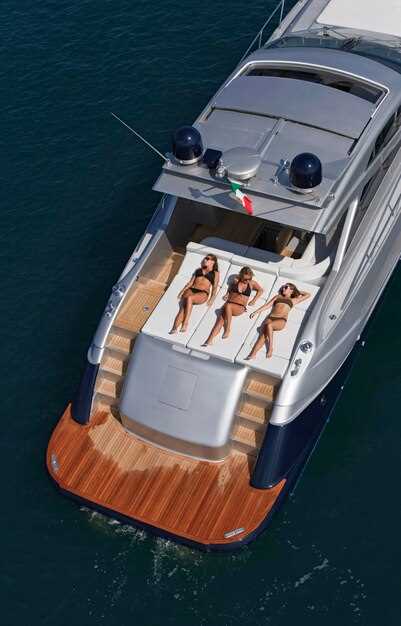
Najpierw przydziel cztery główne strefy przechowywania: dwie wysokie szafki na odzież wierzchnią do noszenia na co dzień, dwie szafy w kabinach na ubrania złożone i zarezerwuj schowki pod łóżkami na większy sprzęt. Oznacz każdy pojemnik szpilkami i kodem, aby śledzić zawartość i poprawić dokładność. To imponujące rozwiązanie jak na średniej wielkości flybridge, dzięki któremu układ jest intuicyjny dla kupującego; taka organizacja skraca czas oczekiwania i sprawia, że przedmioty są gotowe na kolejny etap podróży. We wrześniu, podczas zwiedzania Ibizy z Juanem i innymi nabywcami, zobaczą, jak to rozwiązanie minimalizuje czas oczekiwania i sprawia, że kabiny wydają się przestronne.
Szafki wzdłuż korytarza i konsola na flybridge przechowują paliwo z dala od wody słodkiej, zapewniając jednocześnie szybki dostęp do niezbędnych części zamiennych. Przechowuj paliwo w wentylowanej szafce z czytelnym oznaczeniem; chroń sprzęt audio naim, umieszczając go w suchej, wentylowanej szafce, aby zapobiec uszkodzeniom spowodowanym wilgocią. Dedykowana szafka w toalecie przechowuje przybory toaletowe i zapasowe niezbędne artykuły z dala od ubrań. Strefa grilla w kokpicie zyskuje na zamykanym pojemniku na narzędzia do grilla i butle z węglem lub gazem, dzięki czemu można szybko się przygotować bez ryzyka zanieczyszczenia krzyżowego. Podłogi w tych strefach wykorzystują deski inspirowane teakiem z niskoprofilowymi krawędziami, aby ułatwić czyszczenie i zmniejszyć ryzyko potknięcia. Liczba schowków pomaga kupującemu szybko zweryfikować pojemność i uniknąć pomyłek. Taki układ sprzyja płynnemu przejściu między dniami spędzonymi na kotwicowisku a długimi rejsami.
Przestrzeń pod łóżkiem dodaje cztery długie wnęki w głównych sypialniach, pozwalając na kompresowanie pościeli i sprzętu sezonowego w torbach lub płaskich pudełkach. Przechowuj cztery pojemniki z odzieżą poza sezonem lub zapasową pościelą, a resztę zarezerwuj na sprzęt do sportów wodnych lub elektronikę, aby uzyskać dostęp do przedmiotów bez zatłaczania pomieszczeń. Po podróży schowaj rzeczy z powrotem pod łóżko, aby utrzymać porządek. Taki układ sprawia, że Adios IV wznosi się na wyżyny efektywności, cechy, której nabywcy superjachtów oczekują, oceniając gęstość przechowywania i ogólny układ.
Klimatyzacja i Komfort Kabiny: Wentylacja, Oświetlenie i Hałas
Ustaw stabilne 22°C w salonie i kabinach, korzystając z dwustrefowej klimatyzacji i zaprogramuj dwustopniowy cykl chłodzenia na dzień i noc. To utrzymuje komfortową temperaturę w salonie i jadalni bez przeciążania systemu. W praktyce, wybierz ustawienie MAX w salonie na czas rozrywki w ciągu dnia, a następnie przełącz na tryb pojedynczy i cichy, gdy ekrany i stół są używane do posiłków.
System opiera się na sieci wywietrzników pokładowych, otworów luków i wewnętrznych nawiewów zwrotnych w celu utrzymania wentylacji krzyżowej. Aby zmaksymalizować przepływ powietrza, wyrównaj luk w przedniej kabinie z lukiem na rufie podczas spokojnych rejsów przybrzeżnych i skieruj powietrze w stronę miejsc siedzących za pomocą regulowanych żaluzji. Zwróć uwagę, jak powietrze przemieszcza się z jadalni w kierunku sportbridge po otwarciu luku dostępowego w pobliżu stołu w jadalni; to naturalne zasysanie uzupełnia przepływ mechaniczny bez nadmiernego hałasu.
Oświetlenie równoważy funkcjonalność i nastrój. Użyj ściemnianych listew LED w salonie i kabinach, aby uniknąć odblasków na wyświetlaczach ekranowych podczas korzystania z ekranu lub przy jadalni. Przy słabym oświetleniu przełącz się na ciepłe tony wokół jadalni i toalet, aby zmniejszyć zmęczenie oczu podczas późnych kolacji. Kokpit i sportbridge zyskują dzięki oświetleniu pośredniemu, które redukuje odbicia na ekranie od śladu wodnego lub rozprysków wody, szczególnie podczas rejsów przybrzeżnych wokół Majorki lub Cyklad.
Poziom hałasu zależy od prędkości obrotowej silnika i obciążenia wentylatora. Na biegu jałowym i podczas powolnego rejsu spodziewaj się 45–55 dB w pomieszczeniach mieszkalnych na pokładzie głównym, jeśli właz jest zamknięty, a otwory wentylacyjne są zoptymalizowane; podczas rejsu z włączonymi silnikami hałas w kabinie wzrasta, ale dzięki izolacji akustycznej i tłumikom na dwóch silnikach utrzymywany jest w komfortowym zakresie. Aby zminimalizować zakłócenia podczas noclegu lub gdy jadalnia zamienia się w kino, przełącz wentylatory na niską prędkość i trzymaj właz zamknięty, co zmniejsza wnikanie wiatru i ogranicza mechaniczne dudnienie z maszynowni.
Sterowanie znajduje się na ekranie głównym i poszczególnych panelach klimatyzacji, z dedykowanym stołem do szybkich regulacji podczas rozrywki lub posiłków. Na sportbridgu oddzielna strefa klimatyczna pozwala dostosować przestrzeń kokpitu do słonecznych dni, zapewniając jednocześnie komfort we wnętrzu. Projekt stawia na łatwość obsługi: wszystkie ustawienia są dostępne ze stołu lub ekranu zamontowanego na ścianie, więc nie trzeba wracać do kabiny armatorskiej, aby dostosować temperaturę lub oświetlenie.
Sprawność i dokładność systemu mają znaczenie dla stałego komfortu. Obecnie podwójne sprężarki obsługują oddzielne strefy, z niezależnymi czujnikami termostatu dla każdej kabiny i salonu. Regularne kontrole koncentrują się na przewodach zasilających i powrotnych od zbiornika do klimakonwektorów oraz na uszczelkach wokół luków, aby zapobiec wnikaniu wilgoci w ciepłe wieczory. Układ umożliwia szybki dostęp do konserwacji przez architekta i załogę serwisową, z dostępnym schowkiem w rufie do zadań serwisowych i szybkiego wyjmowania filtrów bez przeszkadzania gościom.
Jeśli planujesz rejs z Majorki na Cyklady, zaplanuj z wyprzedzeniem kontrolę ustawień klimatyzacji przed podróżą. Szybka kalibracja wentylatorów w maszynowni i drzwi powietrznych w toaletach pomaga zagwarantować, że wnętrze pozostanie komfortowe podczas przepraw, przy jednoczesnym utrzymaniu zużycia energii pod kontrolą. Zamiarem projektu jest zapewnienie niezawodnego komfortu bez tworzenia nieporęcznego wyposażenia; podwójne instalacje i kompaktowe kanały odzwierciedlają przemyślane planowanie ze strony architekta i zespołu budowlanego, priorytetowo traktując komfort użytkowników zarówno podczas cichych wieczorów, jak i podczas ożywionych sesji rozrywkowych na ekranie.
Disclaimer: Indywidualne preferencje dotyczące komfortu są różne, a wydajność systemu może się zmieniać w zależności od stanu morza, obciążenia i dostępności zasilania. Aby uzyskać najlepsze rezultaty, należy przestrzegać instrukcji i konserwować sprzęt zgodnie z instrukcją obsługi.