


 Polski
  English (UK)
  Русский
  العربية
  日本語
日本語  한국어
한국어  Magyar
  Türkçe
  Español
  Čeština
  Svenska
  Português
  Ελληνικά
  Suomi
Suomi  Nederlands
  Română
  Italiano
  Français
  Українська
  Deutsch
  简体中文
简体中文  Slovenčina
 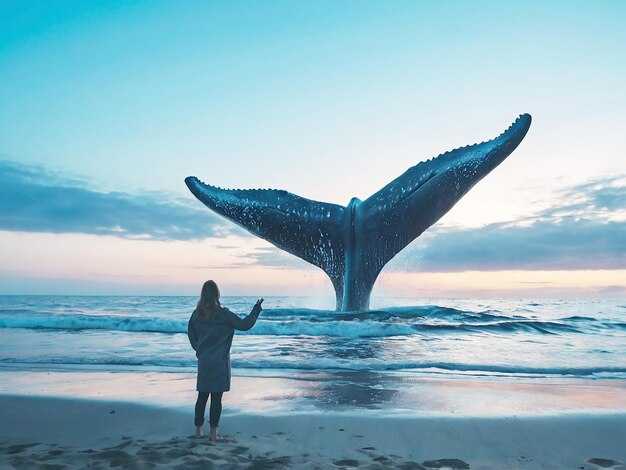 12 Best Whale Watching Tours in Cabo San Lucas | Top Picks">

Book a dawn charter with licensed operators and follow the captain’s safety briefing. These early sails maximize sightings, stay within open waters, and keep the experience comfortable and well-paced.
Year-round options exist, yet the most reliable sightings come during winter through spring when several cetaceans migrate along the coast. These choices vary in vessel types–from panoramic catamarans to agile Zodiacs–that influence stability and comfort on choppier days. Check the weather forecast, and pick one with ample shaded deck space to stay comfortable even as the seas kick up. There are tons of alternatives, so consider which setup fits you–speed, range, and crew knowledge.
Turtles may be seen near reefs during surface intervals, adding variety to the day. Leading operators provide narrated sightings so you can really follow the behavior of pods, tail slaps, and breaching displays without disturbing wildlife. Within each voyage, ensure your vessel has comfortable seating and shaded areas to maximize enjoyment; these opportunities stay engaging for families and solo travelers alike.
When you contact operators, confirm open dates, pickup points, and what’s included–snorkel gear, refreshments, and bilingual guides; ask about meeting points and transfer times. Laws emphasize respect for marine life and limits on engine noise; however, stay within respectful distances to protect the earth and ensure the vessel remains safe. If seas are rough, be prepared to switch to a shorter ride or reschedule; weather conditions can shift quickly, so choose a flexible itinerary that minimizes risk and maximizes chances of a memorable encounter.
Within each option, look for operators with transparent safety records, clear cancellation policies, and vessel maintenance logs. Follow the captain’s instructions, stay aware of your surroundings, and contact staff if you need a drink or a towel. The right day brings calm waters, favorable weather, and the chance to see multiple species–a really amazing experience that connects you to the sea year after year.
Whale Watching in Cabo San Lucas: A Practical Guide
Here is a concrete recommendation: book a small-boat charter with a licensed captain who limits guests and follows established rules; this keeps crowds down and increases the chance for a respectful, close encounter with curious cetaceans.
Choose a trip operating from cabos, preferably a half-day option starting early to catch the most promising hours; calm mornings offer the most possible opportunities to see jumps, spouts, and calving on many days.
For snorkeling enthusiasts, select operators with stable platforms and clean gear; a crew that speaks spanish can help interpret playful surface behavior and signals from the sea, and a captain committed to keeping distance ensures a respectful, safe experience.
Weather matters: windy days reduce visibility, and crowded decks increase stress for the animals; given conditions, be prepared to reschedule to keep the encounter natural and safe.
Look for predictable signals: calving, playful splashes, and surface escorts are more common when the herd is in sheltered areas; if you heard distant spouts, let the captain position the vessel for seeing, not chasing.
Weigh the duration: a half-day trip often delivers a focused, perfect experience, while full-day options can be generating more encounters but may feel crowded and tiring.
To save the memory for future days, follow guidelines: keep distance from animals, don’t chase, and turn off engines when they surface; respect rules to protect nature and reduce disturbance.
Ask for a respected guide or captain with a history of safe operations; found in reviews and safety audits, ensure the outfit publishes standards, uses a spanish-language crew, and maintains high-quality gear–this helps you weigh decisions and avoid rough experiences.
Bring sunscreen that won’t wash into the water, a hat, water, a camera, and binoculars; use polarized lenses for better seeing of surface actions, including jumps and tail slaps, while staying mindful of the increasing crowd dynamics around you, and keep an eye out for natural sounds and movement.
Given this approach, the atmosphere in cabos becomes a killer experience where nature dominates; with the right captain and guide, you can have a perfect, memories-worthy day and help ensure the experience remains available for generations to come.
12 Best Whale Watching Tours in Cabo San Lucas – Top Picks; Is Whale Watching in Cabo Regulated
Recommendation: choose Coastal Explorer, a guided, regulation-compliant cetacean-sighting experience with an on-board guide; when seas are calm, it delivers close views while caring for the animals. Present features include a 6-passenger catamaran, depart times 08:15 and 11:45, duration 2.0–2.5 hours, price around 95–120 USD, wheelchair accessible deck, 100-meter stay distance rules, live narration, and observations of birth calves and pod formations; this option, which emphasizes safety and education, stays ahead in care for wildlife.
Option 2: Ocean Pearl, a 38–40-foot craft, features shaded seating and a stable ride; departures at 07:40 and 10:00; durations 2.5 hours; capacity up to 38 guests, though many departures keep small groups for closer experiences; guided narration (spoken in English and Spanish) presents insights into cetacean behaviors, feeding, social interactions, and, during peak season, birth events; extras include a soft-landing platform for near vantage points, wheelchair access on select itineraries, and a strict distance policy; care for wildlife is stressed throughout; which makes it a strong choice for families and photographers.
Option 3: Blue Horizon RIB is a fast, small-group craft for early hours, max 8 guests; depart 06:30; duration 1.5–2.0 hours; high-speed approach to pods where you can see left and right flanks and formations; guided narration focuses on patterns of behavior and signaling; engine noise minimized to keep loud disturbances low; weather dependent; times may change; price 90–130 USD; when seas cooperate, this option presents rapid, exhilarating experiences.
Option 4: SeaSpray Classic – two-level catamaran with broad deck; depart 07:20 and 09:40; duration 2.0–2.75 hours; group sizes mid-range; features: on-board guide providing spoken commentary about pods’ behaviors and feeding; left- and right-side viewing windows; upgrade includes a light breakfast; wheelchair access on main deck; times can change with wind; care for wildlife emphasized; prices 110–150 USD.
Option 5: Dawn Seeker – mid-size vessel 26–32 ft; depart 05:50; duration 2.0 hours; features: bilingual guide, live narration, close-up looks at small calves; births documented when observed; front-row seats; care for wildlife; drop-off is optional at peak times; price 100–140 USD; here the emphasis is on calm seas and brief segments; sometimes times shift by season.
Option 6: SeaVista Explorer is a 30–40 ft catamaran with a broad deck for a magnified view; depart 08:30 and 12:00; duration 2.75–3.25 hours; capacity about 30; features: naturalist guide, spoken commentary, pods staying in stable formations; they emphasize never chasing; 100-meter rule; wheelchair access on main deck; price 110–170 USD; over the course, care remains priority.
Option 7: Island Light Cruise – smaller vessel with intimate setting; depart 07:15; duration 2.0 hours; capacity 6–12; features: guide with deep knowledge about behaviors and birth cycles; close photography opportunities; left- and right-side viewing; spoken commentary; price 95–125 USD; accessibility limited but possible with assistance; here the presence is kept low-impact.
Option 8: Pacific Glide – mid-size power catamaran with raised bow; depart 06:50; duration 2.25 hours; capacity 20–26; features: guided interpretive talk focusing on changing formations and behaviors; data-driven observations; liferafts and safety gear; drop-off at pier after trip; wheelchair access on lower deck; price 105–155 USD; the crew notes that times can shift with tides and sun angle.
Option 9: Sierra Star – long-range cruiser; depart 08:00; 3.0 hours; capacity 26–32; features: experienced guide, bilingual commentary; observe pods from multiple angles; magnificent views; tons of spray; when conditions permit; care and safety prioritized; live narration; price 120–170 USD; stay on deck allowed for most guests.
Option 10: Coastline Whisper – quiet, eco-friendly electric-hybrid vessel; depart 08:40; 2.0 hours; capacity 18; features: silent approach; spoken commentary; formations preserved; here the naturalist points to habitats near the coast; price 130–160 USD; accessibility on main deck.
Option 11: Golden Wave – large group vessel; 40–50 ft; depart 07:10; 2.5 hours; capacity 40–50; features: magnificent vantage; tons of spray; care for wildlife; live sightings; calves and seasonality; close approach policies; drop-off offered at pier; wheelchair access on main deck; price 90–120 USD; times vary with wind.
Option 12: Regulation & Safety – Is this activity regulated? Authorized outfits hold permits; boats must maintain a safe distance from cetaceans (commonly around 100 meters, with smaller margins under certain conditions); idle engines required to minimize noise; no feeding or pursuing; on-board naturalists or guides must be qualified; operators are required to provide safety briefings and accessibility options; here, you can check that your chosen experience adheres to a current permit and a care plan; regulations can change with seasons, so ask about recent updates before booking; in practice, choose a place with transparent rules, and avoid silent or careless operators, which ruin experiences for others and for the animals.
Vessel Types: Zodiac, Catamaran, and Luxury Yacht Options
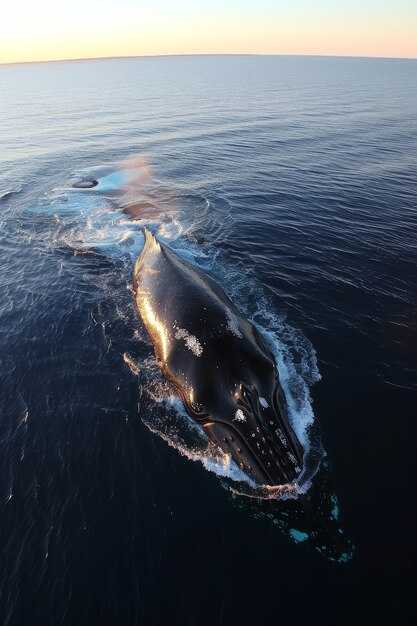
Recommendation: For mixed needs and groups arriving with friends, a catamaran option offers stability, ample deck space, and a social layout–making it a sensible first choice for a coastal tour.
Zodiac boats deliver speed and access to tight coves near the beachfront, with up to 12 visitors per trip. They excel for short, active outings and are typically more affordable, aligning with laws that regulate fishing and wildlife interaction. Guides on board speak about safety and local regulations before departure.
Catamarans provide a stable ride, wide decks, shaded lounges, and room to mingle, making them a combo of comfort and capacity for groups of friends or families. Including snorkeling gear and a gentle pace, these vessels often connect with shore stops at marina piers and beachfront coves. Prices reflect length of stay and port fees; wheelchair-friendly boarding is common on modern boats, helping visitors with needs.
Luxury yachts deliver personalized service, boutique touches, and flexible itineraries tailored to small groups. This option joins private crews, whom guests connect with for a tailored day, including on-board dining and reserved marina passes. Government permits govern wildlife viewings, and captains speak about whaling history and conservation before departure. A charter can be shared with friends or kept strictly private, offering a highly customized experience.
| Vessel Type | Typical Capacity | Pros | Accessibility | Ceny | Best For |
|---|---|---|---|---|---|
| Zodiac | 6–12 guests | Speed, access to coves, shallow reefs | Limited boarding; some models wheelchair-accessible | Low–mid | Short, active outings near the marina |
| Catamaran | 20–60 guests | Stable ride, shaded decks, room to mingle | Usually wheelchair-friendly on newer units | Mid | Be beachfront views, snorkeling, social groups |
| Luxury Yacht | 2–20 guests | Personalized service, private routes, on-board catering | W pełni konfigurowalny dostęp na wielu jednostkach pływających | High | Kameralny dzień z przyjaciółmi, butikowe doświadczenie |
Okres obserwacji: Najlepsze miesiące, pogoda i zachowanie wielorybów
Rekomendacja: Najlepszy okres na obserwacje wzdłuż południowego wybrzeża Baja to późny grudzień do marca; szanse rosną od stycznia do marca. Zarezerwuj 3-godzinną wyprawę rano lub wczesnym popołudniem, kiedy morze jest zazwyczaj spokojniejsze, i zachowaj elastyczność w przypadku odwołania ze względu na pogodę.
- Okres szczytowy i obecność: grudzień–kwiecień, ze zwiększoną aktywnością w styczniu–marcu; powszechne występowanie młodych luty–marzec; w tym okresie (obszarze) zbiegają się szlaki migracji i żerowania w pobliżu linii brzegowej stanu.
- Pogoda i stan morza: poranki z lekkim wiatrem poniżej 15 węzłów i spokojnym stanem morza maksymalizują widoczność; popołudnia mogą przynieść wzburzone fale i odblaski, które ograniczają możliwości. Monitoruj informacje ze źródła dla aktualizacji; planuj neutralne warunki, jeśli prognozy wskazują na potencjalną zmianę.
- Zachowanie i wzorce żerowania: spodziewaj się aktywności na powierzchni, takiej jak wyskoki, uderzenia ogonem i krótkie nurkowania; cielęta mają tendencję do pozostawania blisko dorosłych osobników w okresie luty–marzec; nurkowanie w celu żerowania następuje, gdy obecne są ławice zdobyczy; cykle nurkowania są różne, ale często wynoszą 2–6 minut w aktywne dni.
- Wytyczne i bezpieczeństwo: przestrzegaj lokalnych wytycznych i zaleceń SEMARNAT; zachowuj bezpieczną odległość, unikaj pogoni i wyłączaj silniki na krótko, gdy zwierzęta się zbliżą; wyznacz punkty obserwacyjne, które zapewniają bezpieczną, cichą obserwację; nigdy nie karm ani nie nęc przynętą.
- Porady i opcje planowania: wybierz 3-godzinne okienko czasowe, aby uwzględnić zmiany pogody; rezerwuj z wyprzedzeniem, aby zapewnić sobie miejsce i preferuj operatorów z jasnymi zasadami anulowania rezerwacji; popołudniowe sesje mogą służyć jako kopie zapasowe, jeśli poranne wycieczki zostaną odwołane; szukaj ofert uwzględniających rezerwat lub wkład w ochronę przyrody.
- Praktyczne uwagi i kwestie finansowe: sprawdź informacje o obszarze rezerwatu i jurysdykcji; niektórzy operatorzy oferują elastyczne anulowanie rezerwacji lub częściowe zwroty w przypadku odwołania z powodu pogody; porównuj opcje pod względem wartości, a nie tylko ceny.
- Wskazówki obserwacyjne i opinia: twoje obserwacje mogą wskazywać, że ptaki śpiewają o świcie blisko brzegu, sygnalizując sprzyjające warunki do obserwacji; w rzeczywistości, spokojne poranki często przynoszą najbogatszą aktywność na powierzchni; neutralne stanowisko w sprawie poranka kontra popołudnia pozostaje do czasu uściślenia prognoz.
Informacje i planowanie: wytyczne SEMARNAT i regionalne podsumowania dotyczące dzikiej fauny i flory pomagają w identyfikacji najbardziej niezawodnych połączeń szlaków migracyjnych i żerowisk; zmiany obszarów są częste ze względu na prądy, więc przed dokonaniem rezerwacji sprawdź najnowsze raporty; zasady anulowania rezerwacji różnią się w zależności od operatora, więc przed dokonaniem płatności sprawdź szczegóły.
Ceny, zawartość i wartość w ramach 12 wycieczek
Wybierz opcję w średniej cenie, która łączy sprzęt, licencjonowanego przewodnika i transfery; oferuje ona najmniejsze ryzyko i optymalną równowagę pomocy, dodatków i szans na obserwację przy danym budżecie.
Ceny zazwyczaj wahają się od około 60 do 180 za osobę, w USD lub lokalnej walucie, a różnice wynikają z odległości od głównych stref, długości wycieczki i wliczonych dodatków, takich jak przekąski, napoje i komentarz.
Podstawowe opcje w zależności od poziomu obejmują: woda i lekkie przekąski z przeszkolonym przewodnikiem; opcje dodatkowe średniego poziomu obejmują lornetki, kamizelki ratunkowe i krótkie okno do snorkelingu; opcje premium zamieniają sprzęt do nurkowania, dłuższy czas na wodzie oraz większą i bardziej stabilną jednostkę na wodach zatoki.
Do czynników wpływających na wartość należą dłuższe trasy w kierunku najlepszych miejsc obserwacyjnych w wodach zatoki, przebyty dystans i dramatyczne tło klifów; dodatki, takie jak odbiór z portu macierzystego lub wielojęzyczna załoga, zwiększają wygodę.
Aby uniknąć przepłacania, szukaj dodatkowych opłat z góry; jeśli szukasz wymarzonej chwili, upewnij się, że wliczone elementy obejmują kluczowe rzeczy, takie jak sprzęt, przewodnik i zdjęcia; w przypadku wycieczki fizycznej wybierz trasę z pokładem odpowiednim na długi spacer.
Praktyczne wskazówki: celuj w wycieczkę średniej klasy, która obejmuje statek, przewodnika, podstawowe nurkowanie z rurką i zdjęcia po przejażdżce; unikaj najtańszych opcji, jeśli stabilność jest ważna, i pomiń najdroższą, jeśli nurkowanie z akwalungiem nie jest w twoim planie.
Wskazówki: sprawdź warunki anulowania, potwierdź spodziewaną liczbę obserwacji, przeczytaj recenzje dotyczące języka załogi i bezpieczeństwa; jeśli chcesz dramatycznego tła, udaj się na wody Zatoki Perskiej, aby doświadczyć bardziej znaczących obserwacji.
What to Bring, Dress Code, and Onboard Etiquette

Spakuj kompaktową, wodoodporną warstwę odzieży i krem z filtrem przed wyjazdem. Poranne morze wzdłuż meksykańskiego wybrzeża Pacyfiku może być wietrzne, z szybko zmieniającym się światłem i bryzą, więc zaplanuj, aby zapewnić sobie komfort podczas całego rejsu.
Co zabrać: lornetkę o powiększeniu co najmniej 8x, aparat fotograficzny z obiektywem zmiennoogniskowym i dodatkowe karty pamięci, w pełni naładowany power bank, butelkę wielokrotnego użytku na wodę, przekąski lub jedzenie, środki na chorobę lokomocyjną w razie potrzeby, pomadkę do ust z filtrem SPF, lekką kurtkę przeciwdeszczową, kapelusz z szerokim rondem, okulary przeciwsłoneczne z ochroną przed promieniowaniem UV oraz małą, wodoszczelną torbę na wartościowe przedmioty. Spakuj wszystko do wodoodpornego pokrowca, aby rzeczy pozostały suche na wypadek rozprysków wody na pokładzie.
Obowiązujący strój: oddychające warstwy szybkoschnące, które można zakładać i zdejmować w zależności od temperatury, wiatroodporna kurtka na wczesne wyjścia, wygodne buty z zakrytymi palcami i dobrą przyczepnością, jasne ubrania ograniczające wchłanianie ciepła oraz regularnie nakładany krem z filtrem. Unikaj ciężkiej biżuterii i zabezpiecz kosztowności, aby zapobiec ich utracie podczas nagłego przechyłu łodzi. Jeśli wiatr się zmieni, a żagiel zostanie postawiony, odpowiednio dostosuj ułożenie stóp i ubranie.
Etykieta na pokładzie: słuchaj załogi podczas instruktaży bezpieczeństwa; przestrzegaj oficjalnych sygnałów i zasad, szczególnie gdy statek odpływa. Siedź na miejscu lub poruszaj się powoli, gdy to zalecane, unikaj wychylania się za barierki i nigdy nie zbliżaj się do dzikiej fauny. Utrzymuj bezpieczną odległość od płaszczek i innych organizmów morskich; załoga może mierzyć lub kierować odległością, aby chronić zwierzęta – stosuj się do ich wskazówek. Używaj cichych głosów, wyłącz lub wycisz telefony i utrzymuj przejścia wolne, aby był dostęp w nagłych wypadkach. Nie karm ani nie dotykaj dzikiej fauny i odpowiedzialnie pozbywaj się śmieci. Jeśli masz chorobę morską, poinformuj członka załogi, zamiast leczyć się samodzielnie niezweryfikowanymi metodami. Utrzymuj niski poziom hałasu, aby szanować zarówno współpodróżnych, jak i środowisko.
Wybór odpowiedzialnego operatora ma znaczenie. Szukaj renomowanej oferty, która kładzie nacisk na świadomość ochrony środowiska i praktyki przyjazne Ziemi. Przed rozpoczęciem podróży sprawdź harmonogram i oficjalną godzinę rozpoczęcia rejsu; pozwolenia i instruktaże bezpieczeństwa są częścią procesu. Wrażenia mogą być niesamowite, gdy podróżni szanują środowisko i przestrzegają zasad, ciesząc się życiem w oceanie. Jeśli szukasz największych skupisk aktywności, bądź cierpliwy i pozwól, aby obserwacje pojawiały się same; szanuj przestrzeń zajmowaną przez stworzenia i instrukcje załogi.