


 Polski
  English (UK)
  Русский
  العربية
  日本語
日本語  한국어
한국어  Magyar
  Türkçe
  Español
  Čeština
  Svenska
  Português
  Ελληνικά
  Suomi
Suomi  Nederlands
  Română
  Italiano
  Français
  Українська
  Deutsch
  简体中文
简体中文  Slovenčina
 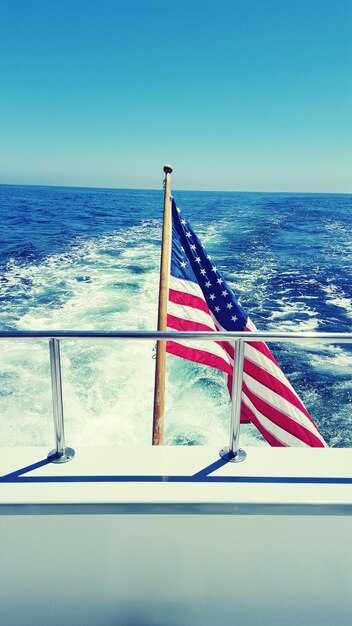 10 Boating Safety Tips for a Happy 4th of July">

Always wear a life jacket as you depart the dock. That simple move anchors everything you do that day and builds the foundation for a safe celebration on the water. Keep weight and balance in mind; even a gust can shift your course, so stay aware and move with the wind.
Before leaving the dock, confirm gear: a life jacket on each person; a throwable device secured; a charged radio; and lights that work. Weight distribution matters; keep heavier items low and toward the center along the hull. Salt spray can corrode contacts, so rinse and dry connectors after use and store them away from electronics. If your outing runs into night hours, youll rely on properly powered lights and a visible profile. Take a moment to inspect yourself and the crew for any snag or loose strap.
Education resources and courses cover man-overboard drills, navigation basics, and weather interpretation. Review a recent report on near-misses and practice accordingly. Rehearse recovery with a teammate in calm water; if someone goes overboard, shout the call and respond quickly with a ladder or floating device. weve learned that quick practice builds muscle memory and reduces risk.
During Independence Day celebrations, the scene on the water grows busier; youll need to stay aware of wind, currents, and the boats along their routes. Keep a safe distance, slow your speed in high-traffic zones, and avoid alcohol or distractions that dull judgment. If the crowd swells, be careful around swimmers and personal watercraft, along the shoreline and near docks.
Maintain a simple pre- and post-trip routine across days; keep a log so you can track changes and improvements. weve found that consistent checks and clear communication keep everyone safe. When you return, youll share what you learned with your crew, noting any equipment that needs service and planning education opportunities to raise the next outing.
Safety Briefing for Everyone Onboard: Key Guidelines

Wear a PFD immediately and keep it on while underway or near crowds. At first departure, confirm everyone is accounted by a headcount, then recheck after each leg. Maintain a registered guest list and designate a call-out person to alert if someone is missing or conditions shift. If you would challenge readiness, youve a quick call to the skipper for clarification.
- Predeparture checks: ensure every passenger has a properly sized PFD; confirm at least one auxiliary device is available; verify night navigation lights if night operation is expected; have a marine radio and spare batteries accessible; keep decks clear to prevent trips.
- Lookout and communication: designate a single caller to issue commands; maintain a 360-degree watch; keep voices calm; use clear hand signals when engines are engaged; ensure access to enforcement or the commission if required.
- Collision avoidance near crowds: slow to safe speed; maintain a distance of at least three boat lengths from others; avoid abrupt maneuvers; in dark or low-light conditions, increase alertness and reduce the chance of a collision.
- Overboard response: if someone goes overboard, shout overboard and throw a float immediately; keep eyes on the person until recovery; never leave a person in water; call emergency services if needed.
- Anchoring and night operation: select anchoring sites with certain depth and bottom conditions; set anchor with ample rode and check swing radius; switch to running lights and keep a lookout; avoid anchoring in zones with crowds or heavy traffic.
- Fuel handling and power: shut power down before fueling; avoid smoking near fuel; store fuel away from heat sources; ventilate compartments; some vessels require leak checks; never top off when the tank is hot.
- Post-cruise and records: verify gear is stowed; leave dock with everyone accounted; carry registration documents; report any incident to enforcement or the commission.
Some days demand extra vigilance; if conditions change, head count and call discipline rise in importance to prevent mishaps.
Tip 1-2: Verify Boat Capacity and Ensure PFD Accessibility
Check the vessel’s capacity plate immediately; ensure each occupant has a PFD within quick reach. Each person should also have a jacket within quick reach. Fully read the phrase on the label; these limits dictate how many can ride and how much gear can float. Also clarify what counts toward limits.
In july weekends, crowds at locations along waters often exceed the most conservative estimates; observers and others nearby might overlook small gaps in gear, while anchoring and watch efforts stay inconsistent. These gaps are smaller than you think; boat-ed hulls can shift more than expected, so you wont be surprised. Each PFD should fit the body of wearer.
Jackets should float near seating areas and be accessible without crossing aisles; avoid burying them in lockers.
During fall or high wind conditions, watch line tension and speed changes; if you encounter a sudden acceleration, use the PFDs and stay anchored. youll be glad you prepared.
| Produkt | Guidance | Uwagi |
|---|---|---|
| Max occupancy | Capacity plate shows most people and weight limits; stay under to prevent failure. | Visible on dash |
| PFD accessibility | Ensure each body has a jacket within reach; jackets should be USCG-approved. | Keep extra sizes available |
| Gear storage & access | Store items so float jackets stay within line of sight; avoid clutter blocking exits | these steps reduce delays |
| Observers & anchoring | Designate a line watch; verify anchoring and review locations on waters | recreational use varies |
Tip 3-4: Require and Fit Coast Guard-Approved Life Jackets for All
Coast Guard-Approved life jackets worn by everyone on board; confirm each one fits snugly, with straps tightened and no slack at the shoulders, and have them secure. Maintain a complete range of sizes so ones match every body type; adjust before leaving the dock and recheck after every move between location and above water. The jacket stays in place when being tugged, and the chin strap is fastened. Also check that jacket fit allows full mobility, so the wearer can reach controls without restriction.
Store jackets in an accessible location and ensure everyone can reach one quickly; nobody should search when a wave hits. Before departure, inspect each piece: torn seams, faded colors, or stiff closures. If a defect is reported, swap immediately, and youll spot wear early and order replacements to keep a ready supply; it takes just moments. In summer, keep jackets free of dirt so they fit smoothly and revert to position quickly. If any jackets were damaged, replace them immediately.
During boating season, apply this standard consistently. This approach raises safety by ensuring everyone stays equipped and mindful. Maintain awareness of surroundings, location, weather, and traffic; keep a lookout on the horizon. Follow the rules with everyone aboard; nearly all injuries are avoidable when people wear the right ones and stay alert. Never assume conditions are stable; Avoid jacket looseness, which can amplify the effects of rough water; reported changes can alter speed, wind, and currents, like wind shifts, so adjust course and distance to prevent incidents.
Tip 5-6: Conduct a Pre-Departure Safety Briefing and Assign Roles
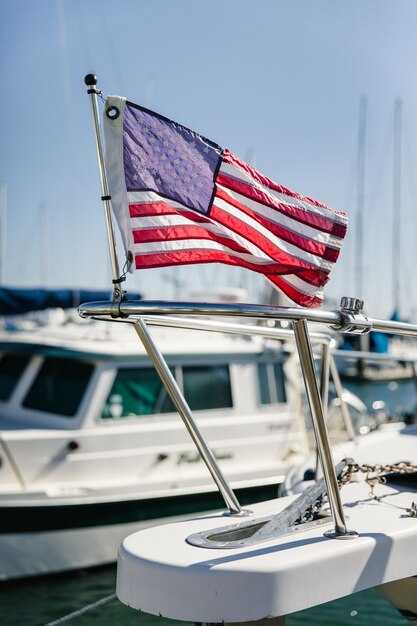
Begin with a 5-minute pre-departure briefing that confirms roles, checks gear, and clarifies emergency procedures. weve found this keeps people focused when going underway and reduces miscommunication if conditions shift, and carefully reviews equipment.
Assign explicit roles and lock in the plan: who guards the helm, who manages anchoring, who monitors the weather, and who handles communications. The captain commissions tasks to ensure each person knows their duty.
Use a simple phrase to confirm actions; cover the key things and what each person will do, and require everyone to respond with the same meaning, not just a nod. Give a clear order and check understanding; if someone hesitates, repeat.
Checklist item: lifejackets checked and within reach; confirm they’re registered to each person and assigned to those on board. Confirm kill switch is accessible and engines are ready to start. Include ongoing checking of lifejackets and rescue gear.
Briefing adds risk awareness: review causes of capsizing, entanglement, and propeller injuries; plan steps to avoid those.
Plan execution: designate a go-to person, take control of the vessel, and ensure critical tasks and assistance availability if a crew member needs help.
Close by listing the expected timeline and party responsibilities; keep the chain of command tight and ready to adapt.
Documentation: record the roles, checklists, and any changes; post-briefing notes stay within the vessel until departure.
Tip 7-8: Inspect Emergency Gear (Fire Extinguisher, Horn, Lights) and Signaling
Verify that every emergency item is ready: fire extinguisher charged, gauge in green, hydrostatic date current; tag present and access clear. Test horn by pressing, confirm audible tone across surroundings. Check lights: deck and cockpit lamps bright, back-up batteries available, lenses clean, and switch tested. Keep signaling gear in a simple, waterproof container within reach; verify whistle, mirror, and flare kit are intact and ready, with everything clearly marked.
During operation, remind guests and family that alcohol is not allowed near this gear; alcohol and recreational activities including sports on board require sober handling and guard against distraction. Guests wont ignore the basics. Some large gatherings show how distractions grow; enforcement on certain ports clarifies that a clean presentation reduces risk. There, checking items together demonstrates you are careful; there is a simple show of readiness that nearly everyone can follow. If any item is reported as faulty, take immediate action and replace or service before you proceed.
Weather changes can affect readability; keep lights functioning during fog or dusk; ensure that the surroundings are visible from the helm. While kids or guests gather, keep a guard space around the gear so large drink cups won’t tip over; take a moment to wipe moisture, check that everything is dry, and store spare batteries. Simple checks take less than five minutes: confirm that extinguisher tag is current, test horn, verify lights, and practice signaling with a whistle. This routine helps you stay safe, become more confident, and keep home adventures steady and cheerful.
Tip 9-10: Check Weather and Waterway Conditions and Plan Safe Routes
Check the latest forecast, wind, and waves; review whats posted by harbor authorities; then map two safe routes that minimize congestion and collision risk, keeping these people and crew together and motion steady.
- Weather intelligence: pull the 0–12 hour forecast from a trusted source; check about recent weather updates; note wind 8–18 knots with gusts to 22, seas 2–4 feet, visibility 5+ miles, and any approaching fronts or thunderstorms within 6 hours; review notices issued this month; if conditions worsen, doesnt hesitate to reroute or delay departure; these changes will require adjusting velocity to stay safely within the margins.
- Waterway status: check notices to mariners detailing restrictions, dredging, shoaling, and nearshore hazards; identify zones with heavy traffic during weekend festivities; avoid areas where people congregate on docks or beaches; ensure your route stays within deep channels and away from shoals.
- Congestion and risk awareness: assess ports, marina entries, and popular anchorages; these people on shore may create unpredictable wakes; leaves from passing craft can upset motion, so keep a safe distance and reduce speed when approaching busy spans.
- Route planning: primary path stays in deeper channels; second path as backup that avoids busy lanes; weve mapped these options and included distance, ETA, and anchor/dock availability; if a change is needed, switch promptly and communicate to the crew.
- Crew roles and communication: designate a dedicated lookouts, mans the helm, and assign a radio operator; use simple signals and a 1–2 minute check‑in cadence so everyone stays aligned; review whats happening around you prior to entering any congested area and about things you need to monitor.
- Decision discipline: if winds or visibility exceed safe limits, review whats within the vicinity, and avoid improper maneuvers by other craft; prefer a safe harbor instead of pushing through a risky stretch; doesnt matter that it cuts into festivities, the priority will keep you safely out of danger and avoid collision.