


 Nederlands
  English (UK)
  Русский
  العربية
  日本語
日本語  한국어
한국어  Magyar
  Türkçe
  Español
  Čeština
  Svenska
  Português
  Ελληνικά
  Suomi
Suomi  Română
  Italiano
  Français
  Polski
  Українська
  Deutsch
  简体中文
简体中文  Slovenčina
 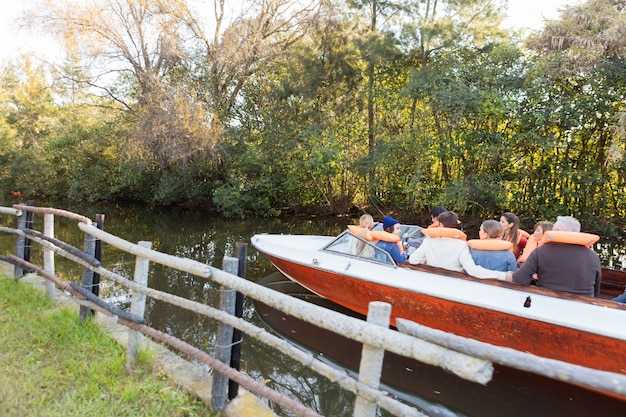 Wisconsin Boating Laws – Your Essential Guide to Safe and Legal Water Activities">

Always verify that age-appropriate PFDs are available and worn before you launch; that must be your first step. Inspect the engine and fuel system, confirm you have a working fire extinguisher, and ensure you can reach basic safety gear easy through rough water. This routine will build confidence on the water and keep everyone safe on board.
Know the limits that apply across Wisconsin waters, including posted speed limits, no-wake zones, and distances from docks. Read the signs and use the gids from the DNR to interpret local rules rather than guess. No guesswork is required; follow the guide rather than relying on vague claims. Those rules will keep you compliant and reduce risk to others on the water.
Access training through official facilities and online resources; these options are available across the state and are designed for hands-on skills. The content will help those new to boating build a practical plan for safety, including carrying a spare prop, checking weather, and choosing routes that stay away from restricted areas. Through practice, you’ll gain the easy steps that lead to steady confidence on the water, and thats why practice matters.
Statements you may hear about state laws often claim that some rules don’t apply to your craft. Explain the distinction between state, local, and federal requirements so you know what applies to you. If a claim seems off, check with authorities–the result can be denied if gear or documentation is missing.
This guide aims to help those planning Wisconsin outings navigate safety and legal requirements with confidence. Start with essential equipment, obey limits, and use available resources through your boating season. With a passion for safe, legal water activities, you will enjoy good experiences and a higher level of safety on Wisconsin’s lakes and rivers.
Wisconsin Boating Laws: Your Guide to Safe and Legal Water Activities; A Warm Wisconsin Welcome to the Waters
Do this now: put on a U.S. Coast Guard–approved life jacket for every person on board before you cast off, and keep a spare PFD within reach for quick access. If you’re accompanied by family or friends, this good practice sets a safe tone for the trip and reduces risk the moment you hit the water. There are spots on Wisconsin lakes where calm conditions can turn brisk; starting with life jackets keeps you safer from accident and injuries.
Register and equip: In Wisconsin, motorized boats must be registered with the state and display current numbers; carry proof of ownership and your registration year on board. Ensure you have a sound-producing device, a throwable flotation device, and navigation lights if you’ll be out after dark. These items, when kept on board, reduce the chance of problems and support a smooth, legal outing.
Speed and space: Maintain a safe speed based on weather, visibility, and traffic; yield to slower vessels, swimmers, and divers. Slow in no-wake zones near spots such as state parks and natural areas; keep your distance from anchored boats and shorelines. Following these practices reduces the risk of injuries and lowers the chance of an accident.
Impaired operation: Never operate a vessel under the influence; designate a sober operator; if you’ve had alcohol, wait several hours or choose a different ride. This matter concerns everyone on board and aligns with state expectations and enforcement.
Training and resources: Wisconsin offers safety courses through professionals and local facilities; completion improves your physical skills and understanding of safe practices. Older or new boaters benefit from this training; natasha, a safety trainer from our wisconsin-based company, notes that hands-on courses reinforce good habits behind the wheel.
Information and updates: Always check the latest statements from the Wisconsin DNR and USCG information pages for the current year; rules can change, and staying informed protects you and others. If you need quick access before a trip, download official PDFs or use the DNR hotline; knowing where to find updates is a smart habit.
Practical Wisconsin Boating Rules for Everyday Vessels
Wear a life jacket for anyone on board whenever the powered boat is moving, ensure proper fit, and keep jackets accessible fastened when underway.
- Education and certification:
- Some powered operators must hold a Boater Education Certificate; verify requirements with the Department of Natural Resources or approved providers.
- Keep proof of certification handy and check renewal or replacement procedures if name or address changes occur.
- Safety gear and equipment:
- Provide USCG‑approved life jackets for all riders; wear them during underway; keep a throwable aid on deck for longer boats.
- Have a sound-producing device (whistle or horn) and visual distress signaling equipment appropriate for your watercraft and location.
- For boats with enclosed spaces, maintain a readily accessible fire extinguisher and inspect it regularly.
- Operation rules and restrictions:
- Operate at idle or slow speed near docks, swimmers, or crowded zones; follow posted speed restrictions and no‑wake areas.
- Drinking and operating a watercraft is not allowed; do not operate under the influence.
- Avoid unlawful modifications or equipment that boosts performance beyond what is allowed; penalties may apply.
- If you are unsure of requirements, officials can explain what applies in plain language.
- Etiquette and awareness:
- Respect kids, families with little ones, and faster-moving craft; reduce speed when near shorelines or crowds.
- Maintain a safe separation from other vessels; use a proper lookout and pass with care.
- Know your location, watch for markers and weather shifts, and avoid risky maneuvers.
- Planning and gear checks:
- Check the forecast and daylight; plan for mild months and understand water temperature risk and fatigue.
- Pack water, sun protection, and protective gear; dress for wind and spray and keep extra layers on hand for cool conditions.
- Check water conditions before departure.
- Review your paperwork and ensure your registration and any required certificates are up to date.
PFD Requirements by Vessel Type and Passenger Safety
Equip one wearable PFD for every passenger on board before you depart, and keep a couple of extras on deck for guests. Choose USCG-approved models and select sizes for children and adults; store them in accessible places near seating so you can don them quickly when required. This habit helps create memories of safe outings instead of accidents on the water.
Motorboats, pontoons, and sailboats: ensure a PFD is on each person and keep them within reach when moving around the boat. Verify theyre USCG-approved and properly sized for adults and children, and replace any PFD that shows wear or damage. Be mindful of speed and weather–in rough conditions, prompt use of life jackets can significantly reduce injury risk on waterways. Always adhere to the registration and safety guidelines provided by Wisconsin authorities, and contact a local marina or the DNR if you’re unsure about a case or vessel type. If you travel with guests, dont forget to fetch the extra PFDs; never go out alone without a PFD.
Personal Watercraft (PWCs): The operator should wear a PFD at all times; passengers should have a PFD readily accessible. PWCs reach high speeds, so ensure the PFD fits snugly and stays on during maneuvers. If you operate without a PFD, you risk injuries and fines; dont forget to inspect straps, seams, and buckles before every ride. For first-time riders, practice fastening at home to ensure a snug fit. Use courses or apps to refresh your knowledge, and keep registration of your gear up to date.
Canoes and kayaks: Everyone on board must wear a PFD, even in calm weather. Use bright colors for visibility on busy waterways, check for proper fit, and keep PFDs within easy reach in the hull or on a spray deck. This simple step significantly lowers chances of drowning during a capsize, especially in case of strong currents or unexpected weather changes. Be mindful of safety tips from natasha and other instructors; check apps and sales channels for new gear, theyre useful resources to reinforce safe choices and adhere to local rules.
General safety and tips: document your checks in a log, and use memories from past trips to reinforce safe decisions. natasha and other safety instructors emphasize what to do in a capsize, how to contact responders, and how to use safety apps to verify gear. Make a habit of checking the safety gear before each trip, acknowledge the role of registration, and use courses to stay updated. Adhere to weather forecasts and waterway rules, and remember to operate at safe speeds and maintain a safe distance from other boats to avoid accidents. Check sales and gear quality before purchasing, and keep a light not only for emergencies but also for everyday use.
Registration, Titling, and Vessel Identification You Must Know
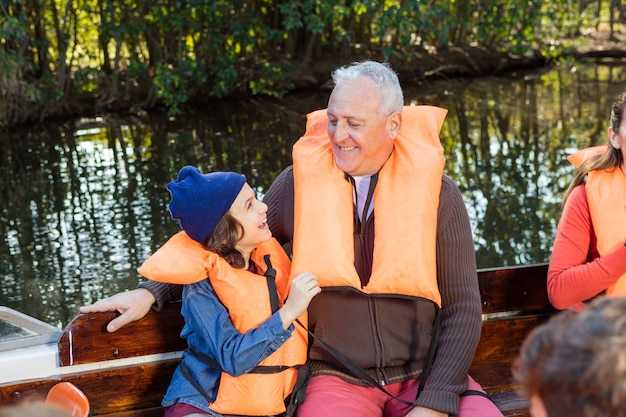
Register your motorized boat before you launch this season and bring enough documents: proof of ownership, a photo ID, and any prior registration. You can file online or at a DNR/DMV office; the process is easy and speeds up safe boating on Wisconsin waters.
Registration materials include a certificate of registration, unique vessel numbers, and a validation sticker. Display the number on both sides of the forward half of the bow toward the waterline; keep digits clearly visible in daylight, and avoid covering them with devices or stickers. If you store gear near the bow, ensure the numbers remain readable.
Titling details vary by vessel type and year. In many cases, Wisconsin relies on registration as proof of ownership and does not issue a separate title for recreational boats; however, rules were updated for certain crafts or older models. Verify with the DNR if your case involves a title; if needed, complete the title step through the same office and keep the documentation with your records.
Vessel identification centers on the Hull Identification Number (HIN) provided by the manufacturer. Ensure the HIN on the boat matches the paperwork; the registration certificate should stay with the vessel and be available during inspections or transfers. When you buy or sell, complete the transfer promptly; sales staff, including misra natasha representatives, can guide you through the paperwork and avoid delays. This process offers clarity and helps ensure you meet all requirements.
Practical tips for planning and safety include checking renewal deadlines, keeping contact information current, and storing copies of every document. heres a quick checklist to confirm you covered the basics. There are opportunities to boat legally without last-minute rushes by staying ahead of the schedule. For winter storage, protect IDs and labels from damage, and inspect your paperwork before the spring launch. These steps reduce risk toward a smooth boating season.
Boating Safety Certification: Who Needs It and How to Obtain
Get certified before you operate a motorboat on Wisconsin waters; this reduces liability and helps you create lasting memories on the water, especially when weather changes.
Who needs it: Most operators of motorized watercraft must hold a boater safety certificate to operate legally. If you already hold a certificate from another state, you may meet Wisconsin requirements, but verify with the posted rules. Discuss these options with an experienced instructor to understand any exemptions for those with prior training.
What is covered: The program teaches navigation rules, safety equipment (including life jackets), weather awareness, and emergency actions. This information influences decisions that keep everyone safe on busy lakes and rivers across the state. If you have a passion for water activities, this training helps you pursue it responsibly.
How to obtain: Start with a state-approved course available online or in-person; Only courses from approved providers count toward proof of training. These courses are available across the state and at many local clubs, docks, and sales offices. Discuss options with an experienced instructor; if you need flexibility, use online apps, otherwise choose in-person sessions for hands-on practice. When you complete the course and pass the exam, the provider posts your certificate and you’ll receive a digital version you can print. If your application is denied, ask for the reason and reapply with the correct information.
Post-certification steps: Carry the certificate on every outing and share the safety plan with all on board. Ensure those on the boat wear life jackets; jackets should be accessible and fitted properly. Review posted safety information before leaving shore, and check the weather forecast for the trip. These practices reduce risk caused by fatigue or distraction and influence safe choices throughout the trip. For gear, explore safety equipment sales to upgrade jackets and other PPE. Some bosshard apps help track course status, reminders, and safety tips for ongoing practice.
| Step | What to Do | Where to Get | Time | Kosten |
|---|---|---|---|---|
| 1 | Choose a state-approved course (online or in-person) | Online platforms or local providers | 2–6 hours | Free to ~$40 |
| 2 | Complete coursework and pass final exam | Provider’s portal or classroom | 2–6 hours | Included in cost above |
| 3 | Receive and print digital certificate | Provider posts certificate | Immediately after passing | Included |
| 4 | Carry certificate on board; present if asked | Onboard or digital copy | All trips | – |
| 5 | If denied, review reason and reapply | Provider support | As needed | Based on re-enrollment |
Alcohol, Impairment, and Safe Operation on Wisconsin Waters
Do not operate a boat after drinking. In Wisconsin, operating a vessel under the influence is illegal, and enforcement centers on impairment. For operators 21 and older, a BAC of 0.08% or higher generally leads to charges; for those under 21, any detectable level can trigger a BUI case. Whether you are alone at the helm or with companions, designate someone sober to steer and avoid the risk.
Before you head out, confirm your registration is current and carry the certificate on board; Wisconsin requires proof while operating. Check renewal dates ahead of the season and renew when due. Keep safety devices accessible and in good working order: PFDs for every passenger, a sound device, distress signals, and a fire extinguisher suitable for your boat. Store valuables securely to deter theft, and secure loose gear to prevent motion-related hazards throughout the trip. Some boaters adopt a misra-style safety checklist to keep checks detailed.
Even with a clean BAC, fatigue, medications, and drugs can influence steering and judgment, and feeling off can happen even if you think you’re fine. Always adhere to speed limits, keep a safe distance from other boats, and avoid distractions such as loud music or screens. If you notice a crew member feeling unwell or impaired, switch to a sober operator immediately and consider heading to shore.
Check the forecast before leaving: wind, waves, and storms can change quickly on Wisconsin waters. Plan your route, keep a reliable communication device, and know where to anchor if weather deteriorates. In emergencies, call 911 or the local harbor authority, use your on-board signaling devices, and have a plan to reach shore safely. Every boat differs, so adjust your approach based on natural conditions and your crew’s capabilities.
Equipment Mandates: What Gear Is Required and When to Use It
Always wear jackets for every person on board and keep a Type IV throwable within easy reach. This policy applies year-round and significantly boosts safe boating on Wisconsin waters. Also, the driver should model proper gear use to set a good example for others.
Gear needs vary by boat type and forecast, but the core items stay the same. Ensure items are not worn or damaged; replace worn equipment before the trip. Throughout the season, staff and captains perform physical checks as part of the first steps of pre-trip checks, ensuring readiness at launch.
- PFDs (jackets) for each person on board; USCG-approved, readily accessible, and worn when the boat is underway
- Type IV throwable device on boats 16 feet or longer; keep within easy reach and not stowed
- Sound signaling device such as a whistle or horn; required in Wisconsin waters and usable at a distance
- Visual distress signals for day and night use; flares or other signals as prescribed by your voyage and forecast
- Fire extinguisher for boats with enclosed compartments or power sources; check gauge and replace if damaged
- Navigation lights for night operation or restricted visibility; ensure bulbs work and lenses are clean
- Back-up communication option, such as a VHF radio or a charged mobile phone in a waterproof case
- First aid kit with essentials for minor injuries; include antiseptic wipes, bandages, and a flashlight for night trips
First steps to take before you take the boat out include verifying gear and planning for environmental conditions:
- Check all jackets for wear; replace any torn or faded gear. Ensure every person has access to a PFD and that it fits securely
- Confirm a Type IV device is on board if the boat is longer than 16 feet, and store it where it can be reached quickly
- Test the sound device and lights, especially if forecast calls for poor visibility or dusk departures
- Verify there is at least one extinguisher suitable for the boat’s layout; ensure it is charged and accessible
- Review environmental considerations: secure gear to prevent litter, avoid discarding items overboard, and plan to minimize disturbance to wildlife
- For rental boats, staff ensure gear is complete and the company policy on theft prevention is followed; take notes on any missing items and report them