


 Nederlands
  English (UK)
  Русский
  العربية
  日本語
日本語  한국어
한국어  Magyar
  Türkçe
  Español
  Čeština
  Svenska
  Português
  Ελληνικά
  Suomi
Suomi  Română
  Italiano
  Français
  Polski
  Українська
  Deutsch
  简体中文
简体中文  Slovenčina
  Where to Sail in Croatia – A List of the Best Places to Sail and Visit">

Hvar is de perfecte uitvalsbasis voor een eersteklas mix van beschutte baaien en eenvoudige dagtochten. Vanuit deze centrale hub bereik je de Pakleni eilanden in minder dan twee uur en kun je vervolgens, als de wind meezit, koers zetten naar de Kornati archipel.
Plan met een flexibele ontwerp dat overloopt preferences en actuele omstandigheden. Catamarans bieden brede dekken om het landschap in je op te nemen en een stabielere vaart in onstuimige zee, terwijl monohulls scherpere manoeuvres mogelijk maken in smalle kanalen. Gebruik een betrouwbare website en een goede navigatie device om routes, getijden en aanlegmogelijkheden te vergelijken, met name between archipel clusters langs de Dalmatische kust en between havens.
Brac vormt een scharnier in het zeilcircuit. Meer aan in Bol of Supetar, verken de witte kiezelstranden en zeil langs de kust van Brac, omringd door dennenbossen. De eenvoud van de kust van Brac maakt het ideaal voor korte tochten en rustige avonden aan land, met lokale gerechten met verse Adriatische vis, olijfolie en geroosterd lam.
De stad Korčula is een zuidelijk ankerpunt met middeleeuwse straatjes en visrestaurants; van daaruit bereik je op winderige dagen het Pelješac-kanaal en zijn wijnroute. De beschutte baaien van het eiland zijn perfect voor zwemmen in de late namiddag en rustige ankerplaatsen.
Vis biedt een robuust contrapunt aan de drukkere eilanden. De nabijgelegen grotten bij Biševo zijn bereikbaar via georganiseerde dagtochten; kies een route die je in helder water houdt en uit de buurt van druk veerbootverkeer. De wind op het eiland heeft de neiging om te draaien van noord naar noordwest, wat gunstig is voor middagzeilen langs de oostelijk gelegen baaien.
Seizoensgebondenheid is belangrijk: mei tot en met oktober biedt warm water en betrouwbare omstandigheden, met winden rond de 12-25 knopen uit het noordwesten en niet zeldzame middagse windstoten die je eraan herinneren dat er altijd een briesje is. Deze periode biedt de beste combinatie van zwemmen, snorkelen en flexibiliteit bij het aanmeren.
Neem bij de planning secundaire routes op om drukke havens te vermijden en een stabiele verbinding met de ondersteuningsteams aan de wal te behouden. Houd rekening met uw preferences voor tempo, zwemtijd en culturele stops. Een goed uitgewerkt plan bevat 4–6 stops in baaien zoals die op Pakleni, Mljet, Kornati, Brac en Vis, met nachtelijke ankerplaatsen gekozen in de buurt van tavernes waar u de lokale keuken en olijfolie kunt proeven.
Naast de voor de hand liggende routes, biedt de zuidelijke Adriatische Zee majestic kustlijnen omgeven door kristalhelder water. Of u nu catamarans of traditionele rompen bevaart, gebruik een vertrouwde website en voorgeladen kaarten, en kies een route die blootstelling en beschutting in evenwicht brengt, zodat u kunt genieten van het zeilen en de keuken van de kustplaatsen onderweg.
Waar te Zeilen in Kroatië: Een Praktische Gids voor de Beste Plaatsen om te Zeilen en te Bezoeken

Begin op Brač voor een praktische eerste etappe: beschutte ankerplaatsen, een levendige kustsfeer in Bol en eenvoudige proviand. De zuidkust rond Bol biedt nabijgelegen, beschermde baaien en ongerepte inhammen waar je het anker kunt laten zakken en kunt zwemmen zonder drukte. Brač ligt in een betrouwbaar netwerk van havens met betrouwbare diensten, waardoor het gemakkelijk is om een ontspannen eerste week te plannen en tijd te besteden aan het verkennen zonder routes te herhalen.
Vanuit Brač zet je koers naar Hvar en de Pakleni-eilanden om te genieten van beschutte baaien, helder water en een mix van ligplaatsen en gratis ankerboeien. Verwacht gastvrije jachthavens met snelle toegang tot de voorzieningen van de stad en ingangen die geschikt zijn voor zowel weekend zeiltochten als langere cruises. Een insider tip: plan je dag rond de kalmere ochtendwinden en houd een flexibel plan aan om tussen nabijgelegen baaien te hoppen als de omstandigheden het toelaten.
Vervolg je reis richting Vis of Korcula om drukte en rust in evenwicht te brengen. Vis is nog steeds meer beschermd en minder bezocht dan de feeststeden, terwijl Korcula Stad charmeert met een goed bewaard gebleven oude wijk. Op beide routes vind je diensten aan de kust, lokale markten en gemakkelijke bevoorrading, zodat je een gestaag tempo kunt aanhouden zonder tussen havens te hoeven haasten. Bescherm gekoesterde baaien door op aangewezen plekken te ankeren en de lokale regels te respecteren, vooral in de buurt van beschermde eilandjes.
Voor ambitieuze zeilers vormen de Kornati-eilanden een uitdagende, maar lonende kaartleesuitdaging. De beperkte aanlegplaatsen en strikte gedragsregels vereisen een zorgvuldige planning; huur een lokale directeur of ervaren schipper in om door het netwerk van baaien te navigeren en drukke ankerplaatsen te vermijden. Neem een capabele boot mee met goede windhandling en plan een schone, impactarme ankerstrategie om de fragiele zeebodem van deze ongerepte kusten te beschermen.
Peljesac en de kust van Dubrovnik bieden een praktisch, dichtbij-de-kust alternatief met beschutte baaien, efficiënte taxiverbindingen naar steden en eenvoudige openingstijden van jachthavens. Verwacht betrouwbare bevoorrading langs de kust en kies een beschutte baai in de buurt van Orebic of Slano als u de dagelijkse etappes wilt verkorten en toch wilt genieten van het kustlandschap. Een gloednieuw havengebied of een kleine jachthaven kan snel uw basis worden voor dagtochten naar de nabijgelegen eilandjes en beschermde riffen.
Praktische tips om uw cruise te optimaliseren: kies verantwoorde routes die comfort in evenwicht brengen met het behoud van ongerepte plekken. Gebruik cartografietools en een insidergids om minder bezochte baaien en steegjes te vinden, zodat u routes niet dupliceert. Begroot tijd in voor aanmeren en tanken, en blijf flexibel wat betreft het weer - verwacht dat de kustwinden in de middag zullen draaien - en plan een hersteldag in wanneer de zee kalmeert. Breng een betrouwbaar netwerk van lokale contacten mee, waaronder jachthavenbeheerders en taxichauffeurs, om openingstijden, diensten en het laden van proviand te stroomlijnen. Als u met een kleine bemanning vaart, wijs dan een duidelijke verantwoordelijkheid toe voor elke taak, van bevoorrading tot aanmeren, en houd alles simpel om vertragingen te voorkomen. Met zeer capabele boten kunt u met een goed geplande route langs Brac, Hvar, Vis, Korcula en Kornati de Kroatische kust in de diepte ontdekken, waardoor u in beschermde baaien, rustige dorpen en gedenkwaardige zonsondergangen terechtkomt.
Beste beschutte ankerplaatsen langs de Dalmatische kust
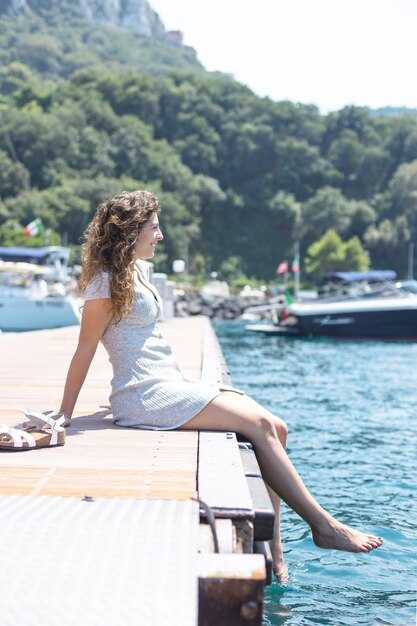
Anker bij de Telašćica baai op Dugi Otok als je eerste stop. en je legt een solide basis voor bescherming tegen de bora en sirocco. Het water blijft kalm, de baai ligt binnen het natuurpark Telašćica, en de omgeving nodigt uit tot het gemakkelijk verkennen van dramatische kliffen en beschutte baaien. Statistieken van populaire zeilfora tonen het als een topkeuze voor de eerste nachten, en een verblijf hier wordt vaak een rustige, memorabele start van de route. De ankergrond is betrouwbaar en de aanloop is ongecompliceerd voor boten van alle formaten.
Maslinica Bay op Šolta biedt een mooie, volledig beschermde haven met een zachte bodem en ondiep water vlak bij de kust, ideaal voor een tussenstop tijdens zeiltochten langs de Dalmatische kust. De voorzieningen in het dorp vereenvoudigen de bevoorrading, terwijl de ring van de kustlijn sterke windstoten blokkeert, waardoor het ankeren rustig blijft na een dag de nabijgelegen baaien te hebben verkend. De setting is vooral mooi in de schemering, waardoor dit een favoriet is voor gezinnen en bemanningen die een ontspannen avond aan wal willen doorbrengen.
Milna Bay, Brac, beschermt zeilen tegen de heersende winden met goede grip op zand- en modderbodems. Het is een klassieke rustige-nacht stop tijdens het varen richting Makarska of Korčula, en het water blijft helder genoeg voor een snelle duik voor het slapengaan. Boten van elke grootte vinden hier gemakkelijk een ankerplek, en je kunt het korte kustpad bewandelen naar een paar vriendelijke tavernes voor een eenvoudige, authentieke avond op het water.
Zavala Bay in het zuiden van Hvar biedt uitstekende beschutting tegen veelvoorkomende windpatronen en het water blijft kalm, zelfs wanneer de sirocco elders opsteekt. De diepe, afgeronde baai geeft vertrouwen voor langere ankerplaatsen, en het landschap – de met pijnbomen begroeide heuvels en de reflecties van de zonsondergang – draagt bij aan de schoonheid. Het is een goede tussenstop wanneer je een rustige nacht wilt met minimaal verkeer aan de kust, perfect om zowel zeilen als bemanning op te laden.
Het gebied van Primošten en de nabijgelegen baaien langs de archipel van Šibenik bieden verder zuidwaarts beschutting., waarbij de baai nabij Primošten en de eilanden van het Kanaal betrouwbare bescherming en gemakkelijke toegang bieden tot steden als Šibenik en Trogir voor brandstof, boodschappen of een snelle wandeling langs de kust. Deze cluster is geschikt voor het verkennen van plannen en maakt kortere tussenstops mogelijk, terwijl de drukte laag blijft tijdens het laagseizoen. De nabijgelegen dagtochten naar het Nationaal Park Krka zijn een mooie aanvulling als je een dosis schoonheid op het land wilt zonder in te boeten aan tijd op zee.
Voor bredere opties, search gidsen en onderzoek forums om ankerplaatsen te vergelijken op basis van diepte, bodemtype en toegangsroutes. Statistics ervaren bemanningen benadrukken de Kornati-archipel als uitstekend wanneer de omstandigheden meezitten, hoewel veel baaien aanvoelen overspoeld in de hoogzomer. Gebruik een duidelijke knowledge basis en een snelle comparison om je volgende tussenstop te kiezen–beloont de kust een zorgvuldige planning. Als je want Voor een rustige nacht kies je baaien met een zand- of modderbodem en vermijd je rotsachtige richels in de buurt van drukke aanlegplaatsen.
you kunt berichten opstellen voor je bemanning in u formulier zodat iedereen op één lijn zit wat betreft het plan en de timing, en je vindt de creatie van een eenvoudige zeekaart die nuttig is voor verkennen future legs. The Dalmatian coast offers excellent waters, beauty at every turn, and favorite anchorages that suit both relaxed cruises and longer passages.
Top sailing itineraries from Split and Trogir
Begin with a 3-day Split-to-Hvar loop, roughly 22 NM and 3–4 hours at a relaxed pace. Start from Split’s busy riva at dawn, feel the warm morning breeze, and watch ferries slide by while you settle into coastal life on the water. Glide along the line of islets toward the blue horizon, stop at sheltered coves with a seabed that invites a swim, and serve fresh seafood on deck as the town bells fade in the background. This short arc delivers iconic scenery, charming villages, and beaches that stay calm even in peak season.
From Hvar, take a short track to Biševo for the Blue Cave side trip (about 12–15 NM). If the light is right, the cave glow turns the water electric blue and creates a perfect backdrop for photos before you backtrack to a crescent beach for a relaxed morning swim. A practical plan here is articulated and flexible, so you can stay longer in a quiet cove or press on toward the Pakleni islands for more sheltered bays and warm-water snorkel moments.
Extend the route with a coast-to-coast hop to Vis and then Korčula (roughly 28 NM to Vis, followed by 46–50 NM to Korčula Town). Overnight in Vis and explore the old harbor rimbalzando with life on shore, then wake to a pastel sunrise over the walls of Korčula–perfect for a self-guided walk or a gentle sail along Mljet’s blue-grey seabed lagoons. This segment blends rugged shorelines, local marchés-style marque moments, and a sequence of beaches and coves that feel remote yet easy to access. If you want extra support, experts can map the routine and optimize the wind window, while you keep the helm free to enjoy the view.
For skippers starting from Trogir, a compact 2–3 day loop to Brač, Šolta, and the Kornati line offers a different rhythm. Trogir to Milna on Brač is about 15–22 NM, then a short hop to Šolta’s sheltered bays, and finally a longer stretch toward the Kornati track (check required permits for some zones). This route showcases a mix of rocky coves, pine-scented hills, and an exposed blue water profile that anchors the trip with a sense of exploration. It’s a busy but manageable way to sample the central Dalmatian coast without overloading the itinerary, and it gives you a chance to refill onboard with free time for snorkeling, beach lunches, and sunset evenings serving simple, fresh plates. The whole loop feels iconic and friendly, with mornings that invite a quick swim before setting the sails again, and evenings that offer a charming balance of quiet harbors and lively tavern scenes.
Tips to maximize the experience: hire local c2ma-certified skippers or consult with local experts to tailor a plan to wind data and seasonal safety. Carry an articulated route with a clear track, keep a flexible schedule for weather changes, and respect harbour rules where required. If you want a richerDalmatian feel, ask for a crew that can speak English and Italian; recrutez local guides who know the seabed contours and the best morning currents. With these itineraries, you’ll enjoy the life, the warmth, the beaches, and the easy freedom of sailing the Croatian coast at its most iconic and charming. développement of marina services along the coast continues to improve, making every stop smarter and more enjoyable for guests and locals alike.
Hidden coves and beaches reachable by boat on the Makarska Riviera
Recommendation: Start with Nugal Beach, Makarska, anchor offshore, and take a tender to the pine-fringed cove behind the Biokovo headland. Weather windows in the morning are calmest, giving space for swimming, photos, and snorkelling which really defines a great first stop. The route below forms a compact programme that mixes sheltered coves and islets, providing space for everything from quiet sunbathing to short hikes. The information provided comes from local knowledge and research (recherche) to help vous plan efficiently, and notre équipe can tailor the day to your purposes. The generosity of local fishermen means some small buoys are provided for stop-offs, and the choix of mooring options improves your flexibility.
-
Nugal Beach, Makarska area – Approach from the sea and drop anchor 40–60 m off shore on a sand–gravel floor. If a buoy is available, take the tender in; otherwise settle on a clear patch and keep the anchor set. The cove offers turquoise water, shade from the cliffs, and a short 5–10 minute walk to a beach café. Best visited at dawn or late afternoon to avoid crowds; this stop fuels the day’s momentum and sets a relaxed tone for the voyage.
-
Cove behind the Brela headland (south of Brela) – A protected nook tucked behind a rocky promontory. Anchor on sand or mud in 5–12 m, staying clear of submerged rocks at the entrance. It’s ideal for a quiet swim and snorkelling around small islets that lie in the lee. There are no formal services here, so bring enough water, snacks, and sun protection. This stop-off offers a focused break with a strong natural backdrop and a comfortable floor for anchoring.
-
Islets along the coast (between Brela and Tučepi) – A cluster of tiny islets creates sheltered pockets when winds shift. Moor on the inner side of a cove or anchor in soft seabed and use a tender to reach shore. This diversity of scenery adds real benefit to the day and supports a focused photos and snorkelling session, which fits well with a compact space for everyone on board.
-
Hidden cove near the Tučepi headland – Reachable in light westerlies, this small cove provides safe anchorage in 6–10 m of water. The sandy floor is friendly to anchors, and the cove delivers calm water for a relaxed swim or paddleboard session. Bring provisions and use the stop to refresh before continuing the programme.
-
Podgora-shore cove (east of Podgora) – A long, shallow stretch with several sheltered pockets. Choose a calm spot with minimal boat traffic. Mooring here is typically informal, so check with local fishermen or the port authorities; this stop offers a convenient place to rest and gather fresh fruit or supplies for your crew, aligning with your purposes and keeping the itinerary smooth.
Keep the tender within your portée and plan landings at spots with clear seabed to avoid damage. Bring a lightweight chart or digital map to mark islets and shallow zones, and always respect local rules and conservation guidelines. This coastline rewards a patient, curious approach–amazing scenery, diverse coves, and reliable mooring options help you stretch every day on the Makarska Riviera beyond expectations.
Boat rental options: sailing yachts, catamarans, and skipper services
Start with a sailing yacht with a skipper for your Croatia coast itinerary. This option is highly recommended for customers who want freedom plus reliable guidance. A skipper handles navigation, docking, and local currents, so you can enjoy life ashore and the amazing coves across islets and inhabited towns, with nightlife hotspots in Hvar and Split.
With a skipper on a sailing yacht, sizes range from 38–50 ft, sleeping 6–10 guests depending on layout. Expect full service, including provisioning support if needed. Rates in peak season typically run €350–€700 per day on mid-sized boats, with weekly charters around €2,500–€5,000 per boat. A lot of operators include fuel in the package; book via e-mail or platform to compare layouts, access to marinas across the coast, and the performance you can expect on long sailing days. Crews are passionnée about guest comfort and safety. The Adriatic coast can be challenging in gusty autumn winds; a skipper or experienced crew ensures safe passages.
Catamarans, including catana models, provide more space, a stable ride, and easy access to shallow bays and islets. In Croatia, catamarans of 38–50 ft are common, with two or three cabins and a roomy galley. With a skipper, daily rates typically run €400–€900; weekly charters €3,000–€7,000 depending on size and season. Catana-brand units offer generous deck space and design that boosts onboard life; verify draft and dinghy access to ensure smooth stops at the most popular anchorages across protected coves. Some routes between Kornati islets and the Biševo archipelago can be challenging, but the skipper coordinates the plan for comfort and safety.
Skipper services stand-alone let you sail a boat you rent yourself while paying an experienced captain to guide legs. Prices commonly sit at €180–€350 per day, with longer charters offering package discounts. This option allows you to keep the design and pace you prefer aboard while the captain handles cross-wind routes and anchorage plans. Some operators offer voluntary skipper support for learners, and you can arrange these via e-mail to fit your wishlist and the towns you want to visit across the coast.
Booking tips and quick checks: verify required documents for your chosen option, confirm whether fuel and provisioning are included, and ask about provisioning options. This option also works well for tourists. Taxis from airports to marina hubs are common, and marinas provide access to town centers within easy walking distance. Collect quotes in a single thread by e-mail to compare boats, layouts, and performance before you commit, so you get the best fit for your plans and your travellers.
Practical sailing season and wind patterns by month
Plan your Croatia sailing around May–September, when knowledge of the Maestral pattern provides reliable, steady winds along the blue stretches of coast and makes anchoring in lovely coves easy for catamarans and monohulls alike.
January brings Bora-style winds from the northeast, with cold fronts that push gusts high and seas rough. Harbors on the lee side of the coast stay relatively safe, but avoid long crossings; anchor only in well-protected coves, and keep your route between sheltered harbors and anchorages. The pattern is not friendly to ambitious offshore hops, and these conditions remind sailors that ancient cities may be best enjoyed from land during this month; cest pourquoi plan short hops and stay close to shore.
February continues unsettled with frequent fronts and northeasterly pushes; plan short hops and favor harbors with protection from east winds; anchoring is straightforward in calm bays; keep to daytime sails and use local knowledge to choose a safe route.
March marks turning toward calmer days; the Maestral begins to show in afternoons, delivering 8–18 knots on typical days, which alone tests seamanship. Plan between harbors and islands, and enjoy a lovely schedule that combines time in ancient ports with coastal walks. The articulated wind pattern allows a comparison between spring and early-summer routes, and these conditions help your ambition to travel more uniquely along the coast.
April brings more regular Maestral afternoons, typically 12–20 knots. These conditions are ideal for coastal hops between harbors; anchoring in protected coves is straightforward, and catamarans handle the lighter chop with ease; maintain a watch for gusts along shorelines and adjust routes accordingly.
May continues stable winds around 15–22 knots, with reliable days for longer hops between islands. Harbors stay calm after sunset, and this period offers a lovely environment for nautisme fans who want to experience coastal towns at night. For charter operations, the sales season begins with a steady demand, and planning ahead gives you a unique itinerary across these coves.
June features a steady blue Adriatic breeze, typically 16–22 knots; afternoons see the Maestral settle in, turning from lighter morning air to dependable sailing. Plan trips between islands, with anchoring in sheltered coves after long legs; catamarans enjoy the smooth water, and the knowledge gained earlier helps you optimize each day.
July continues with 18–26 knots on most days and occasional gusts to 28; the winds are predictable enough for longer day sails and island-hopping between harbors, with beaches and ancient towns as scenery. Expect occasional shifts when a front approaches; have a backup plan for anchoring or a quick sheltered stop.
August stays warm, with 16–24 knots on average and frequent afternoon Maestral. The blue waters invite relaxed cruising with family crews; plan early hops or sunset sails, and use sheltered harbors for lunch breaks or a swim. Nautisme appreciation grows as you explore coves and inlets with easy anchoring.
September eases to 14–22 knots, perfect for island-hopping between ancient towns and along the coastline. The pattern remains stable enough for longer passages, yet crowds thin compared with midsummer. This month allows longer routes with comfortable speeds and time for shore visits and markets.
October cools but still offers 12–18 knots; winds shift toward westerlies with a few storms possible. Between these transitions you can still make day hops, but avoid exposed routes if a front moves in; harbors become busier as autumn charters resume, and the coast remains stunning. Cette période rewards careful routing and calm anchoring with shorter legs and flexible plans.
November brings unsettled air and variable winds, 15–25 knots with squalls. Plan sheltered hops and keep harbors handy; avoid long crossings; this is a month for being flexible and using protected coves to ride out weather. Knowledge of coastlines and the ancient coves helps, and you may consider shorter days and extra time ashore.
December opens with storm fronts and Bora/Jugo pulses; expect 25–35 knots, gusts, and rough seas. Anchor in protected harbors and restrict to short hops in the lee of the coast; this season calls for a calm, conservative plan and strong respect for changing conditions. For those with ambition, these months remain a time to study coastal currents and the nautisme culture; plan for spring resumption with a plan to return and sail again.